











What you will find in the Decorator Journal
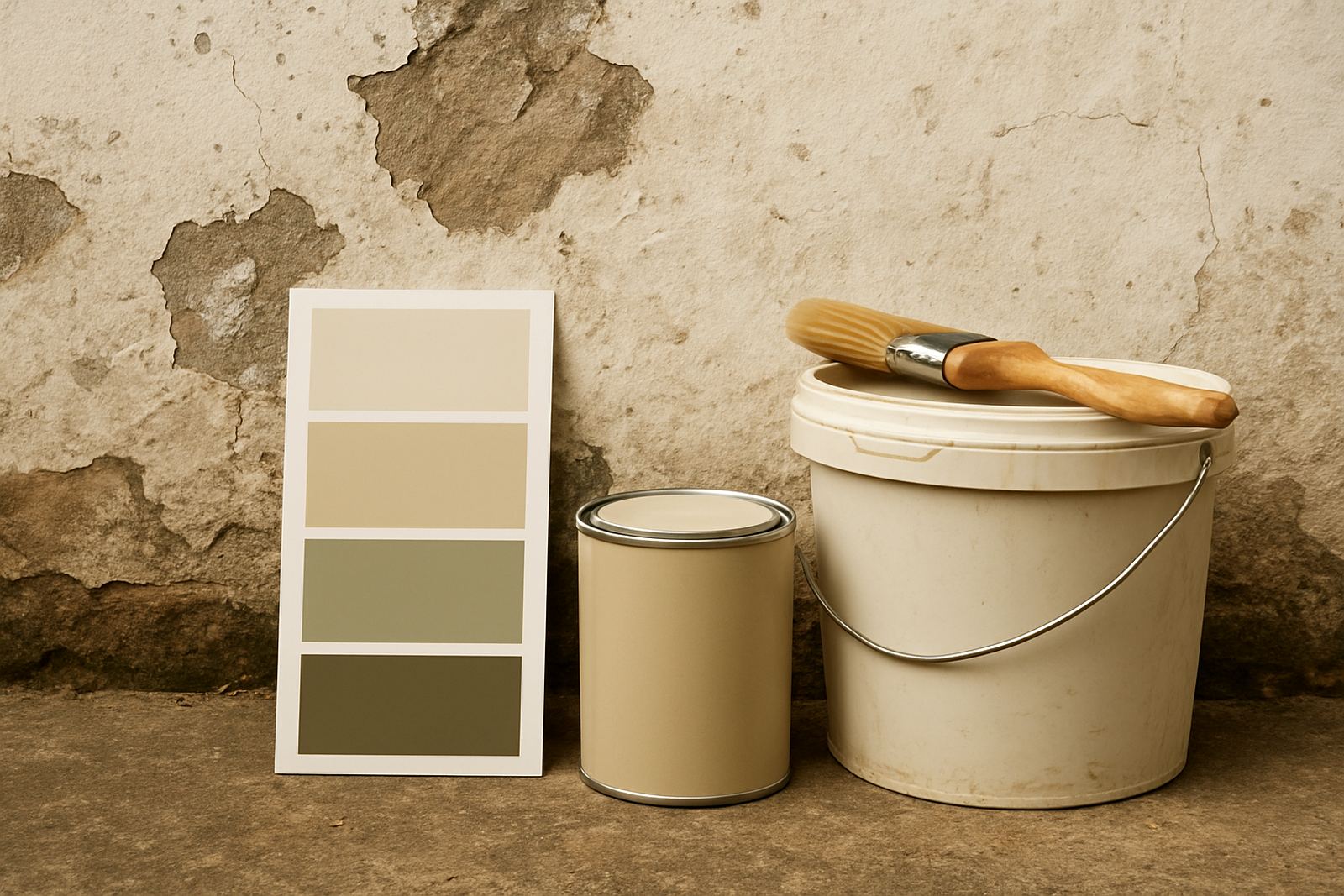
This journal covers the parts of a paint job that usually decide the finish before the first coat goes on. You will find notes on choosing the right colour for a room, preparing walls that have dust, chalking or old patch repairs, and deciding when a product is fit for interior or exterior use in local conditions.
We also cover practical matters like estimating litres, working out what to buy for a small flat or a larger commercial space, and how to keep a finish looking good in humid coastal air or in hotter inland areas.
How to choose the right article first
If you are not sure where to begin, start with the problem you need to solve. A colour change is handled differently from a repaint over damp marks, and a rental unit that needs a quick turnaround has different priorities from a family home with scuffed walls and a few repaired cracks.
- For colour decisions, look for articles on undertones, lighting and sample testing.
- For older walls, start with preparation, cleaning and patching notes.
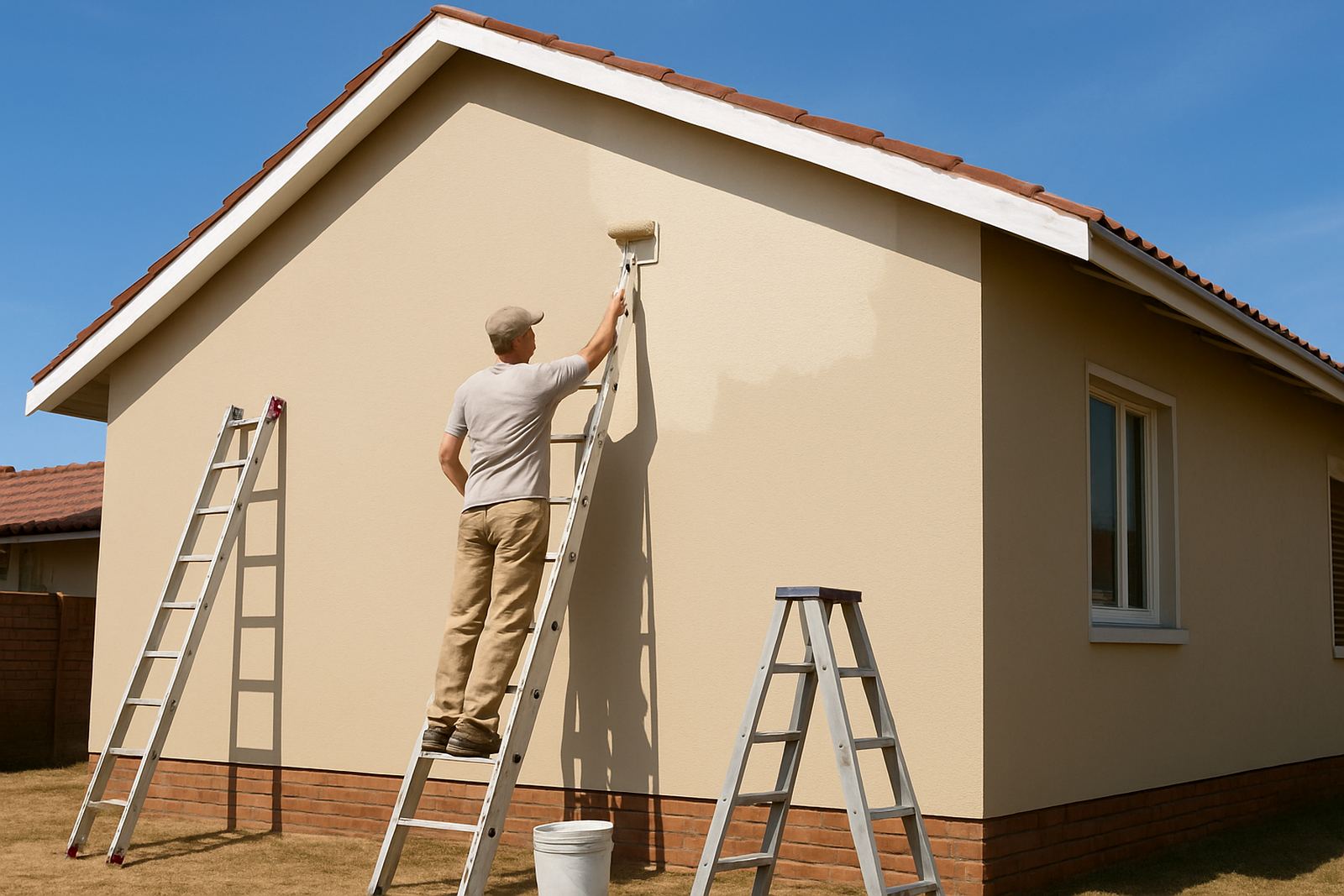
- For exterior work, focus on weather exposure, moisture and surface condition.
- For trade jobs, use planning articles on quantities, timing and client sign-off.
That order saves time and avoids buying the wrong products or trying to fix a problem with a finish coat when the issue is really in the prep.
Colour guidance for homes, rentals and business spaces
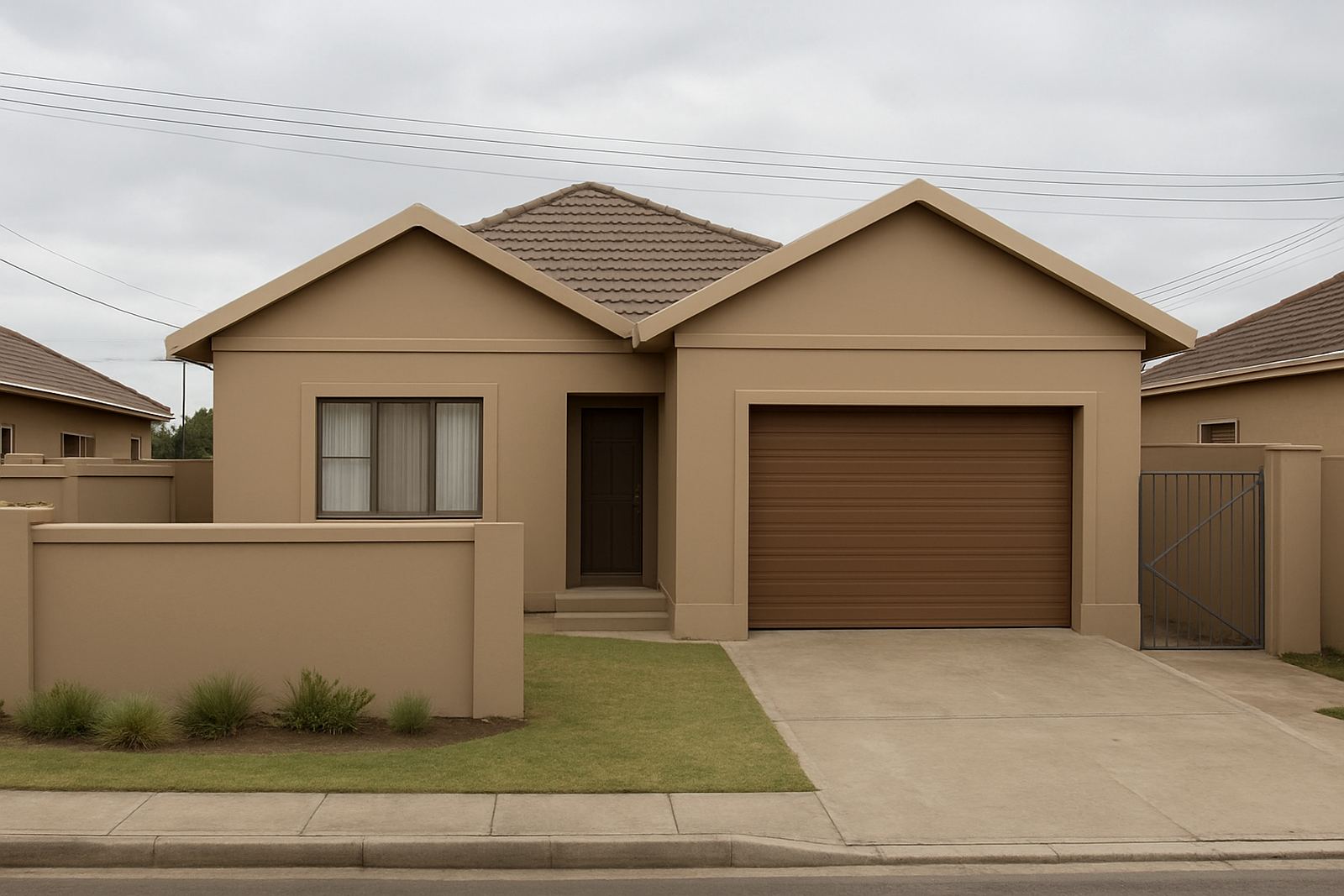
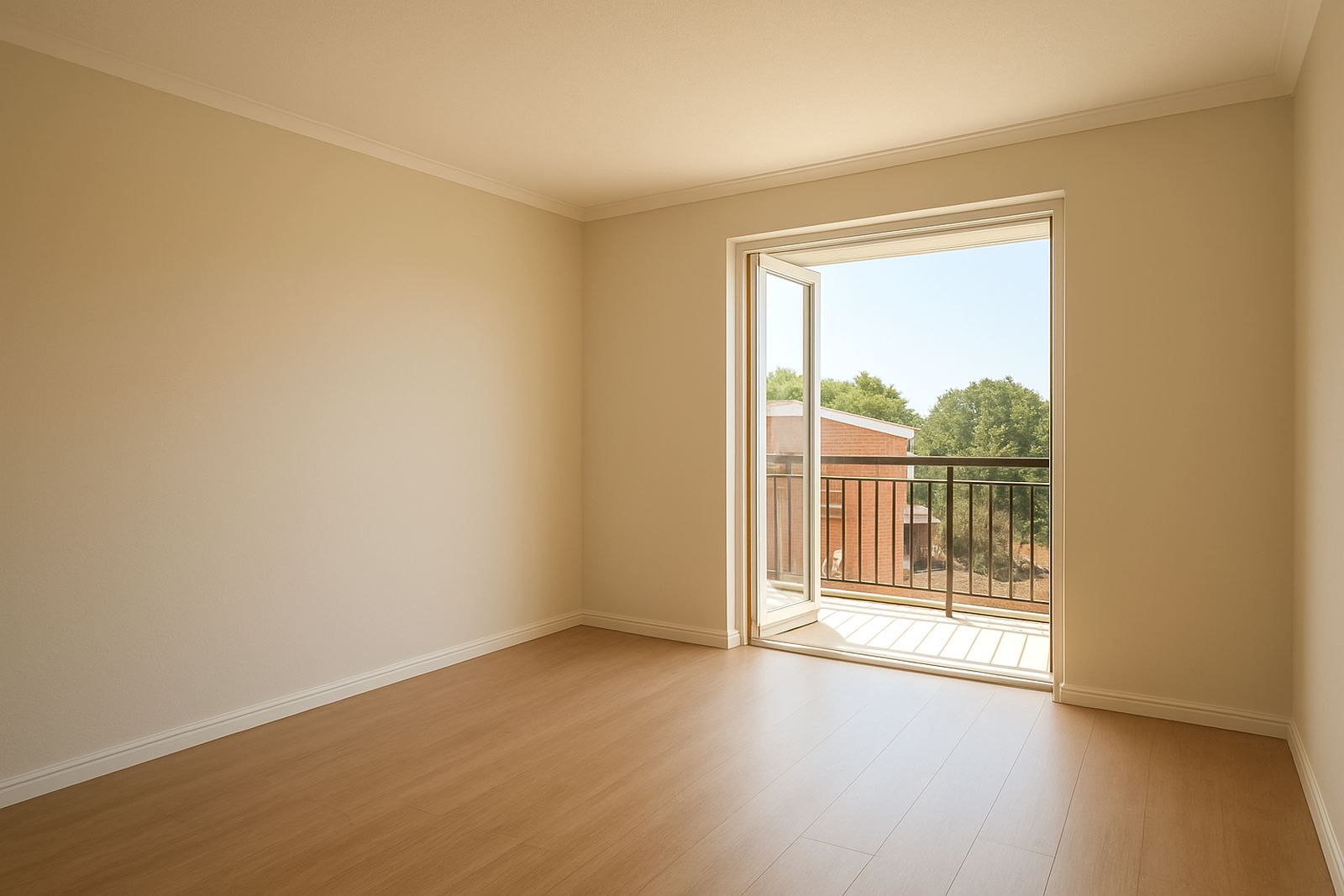
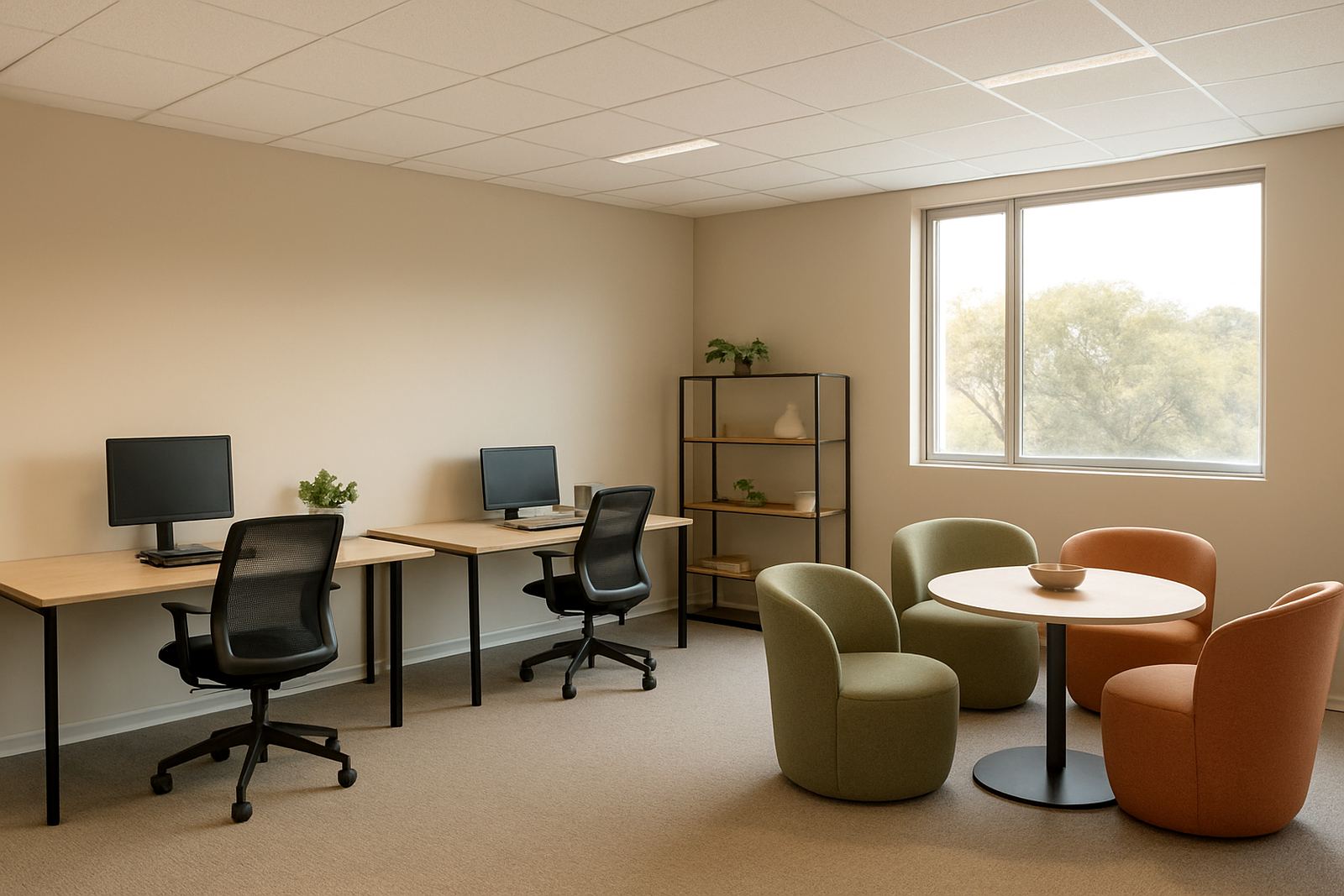
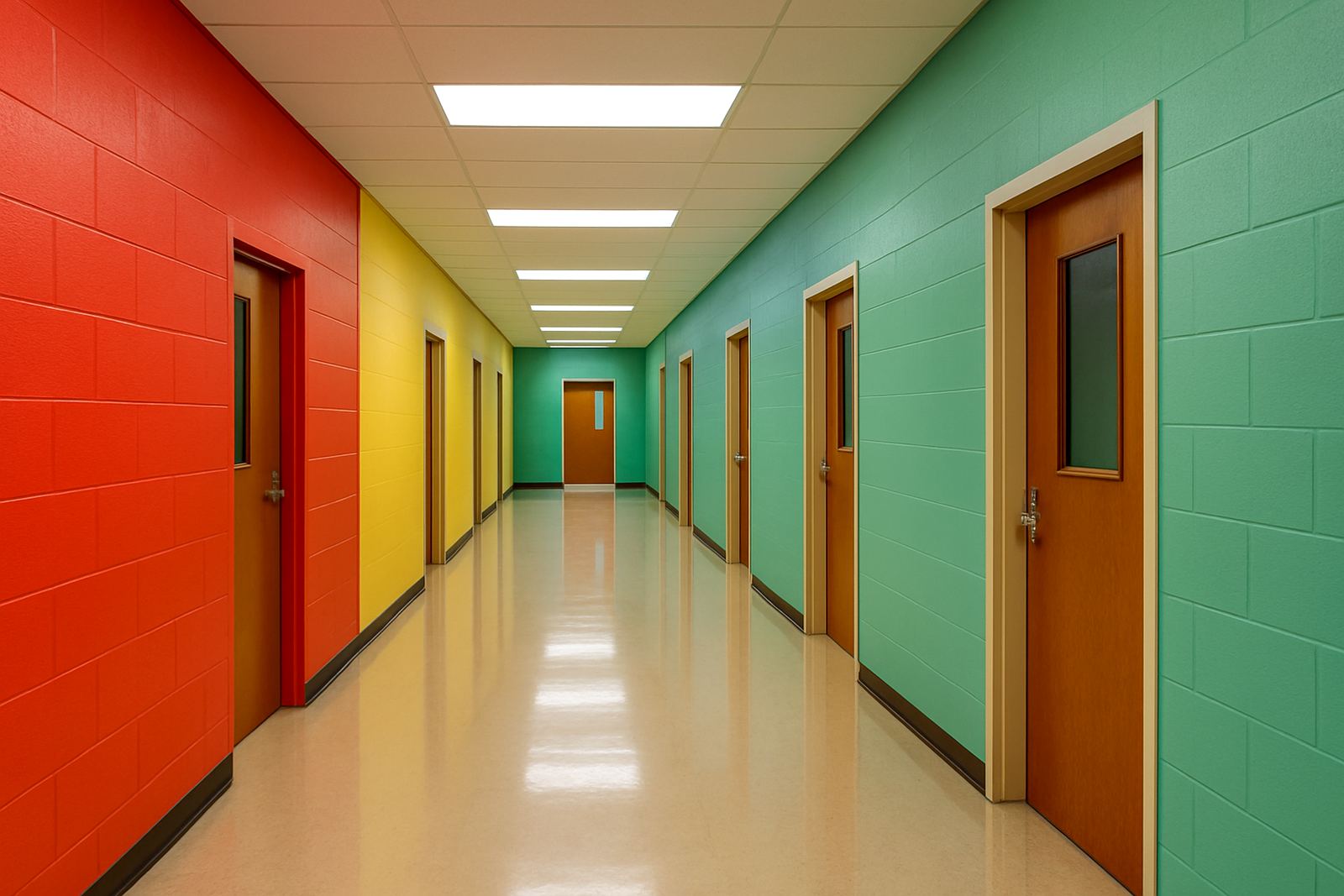
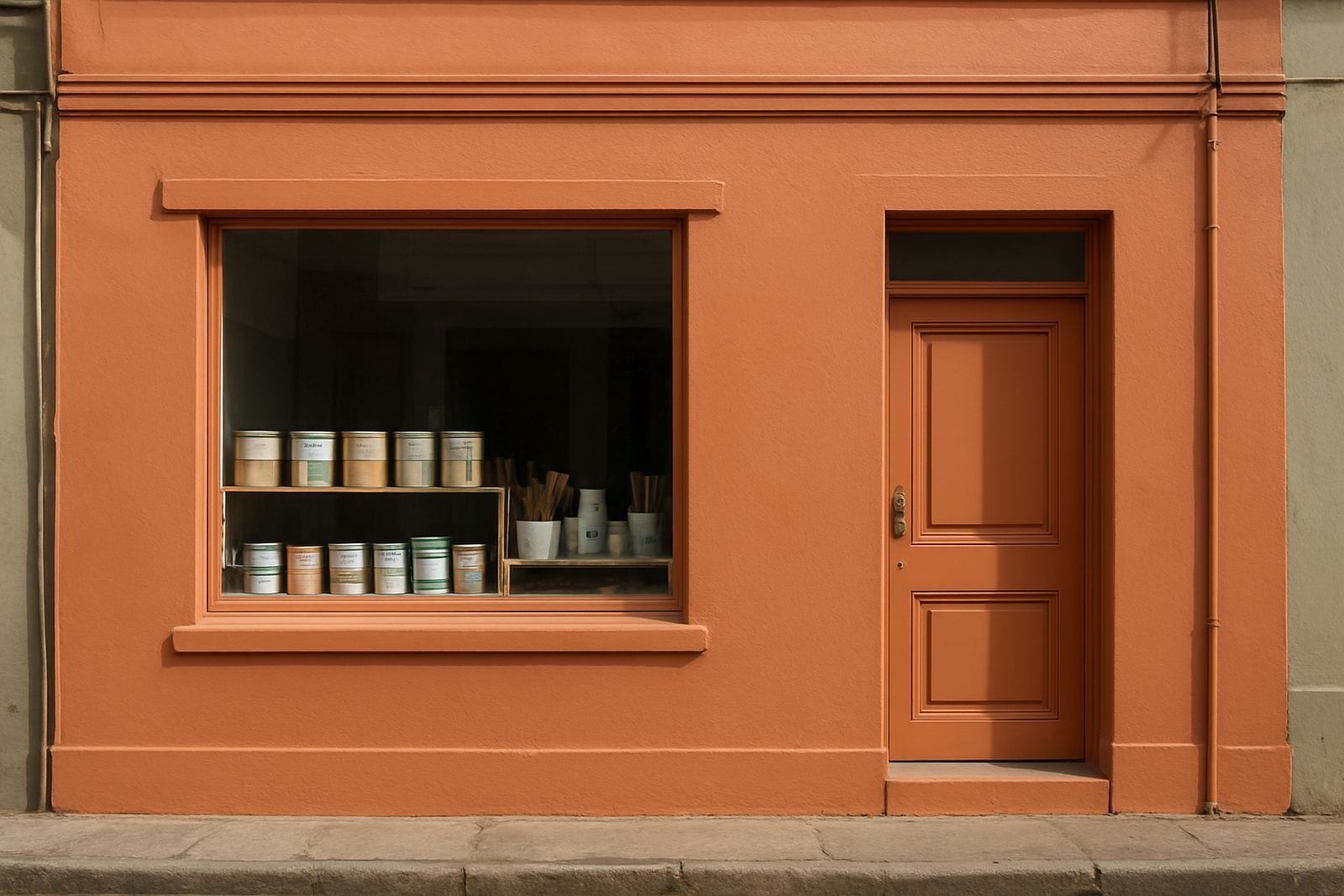
Colour choices can change from one room to the next depending on light, furniture and how the space is used. South African homes often need colours that still look good in bright sun, while offices and retail spaces need shades that stay tidy and do not show marks too easily.
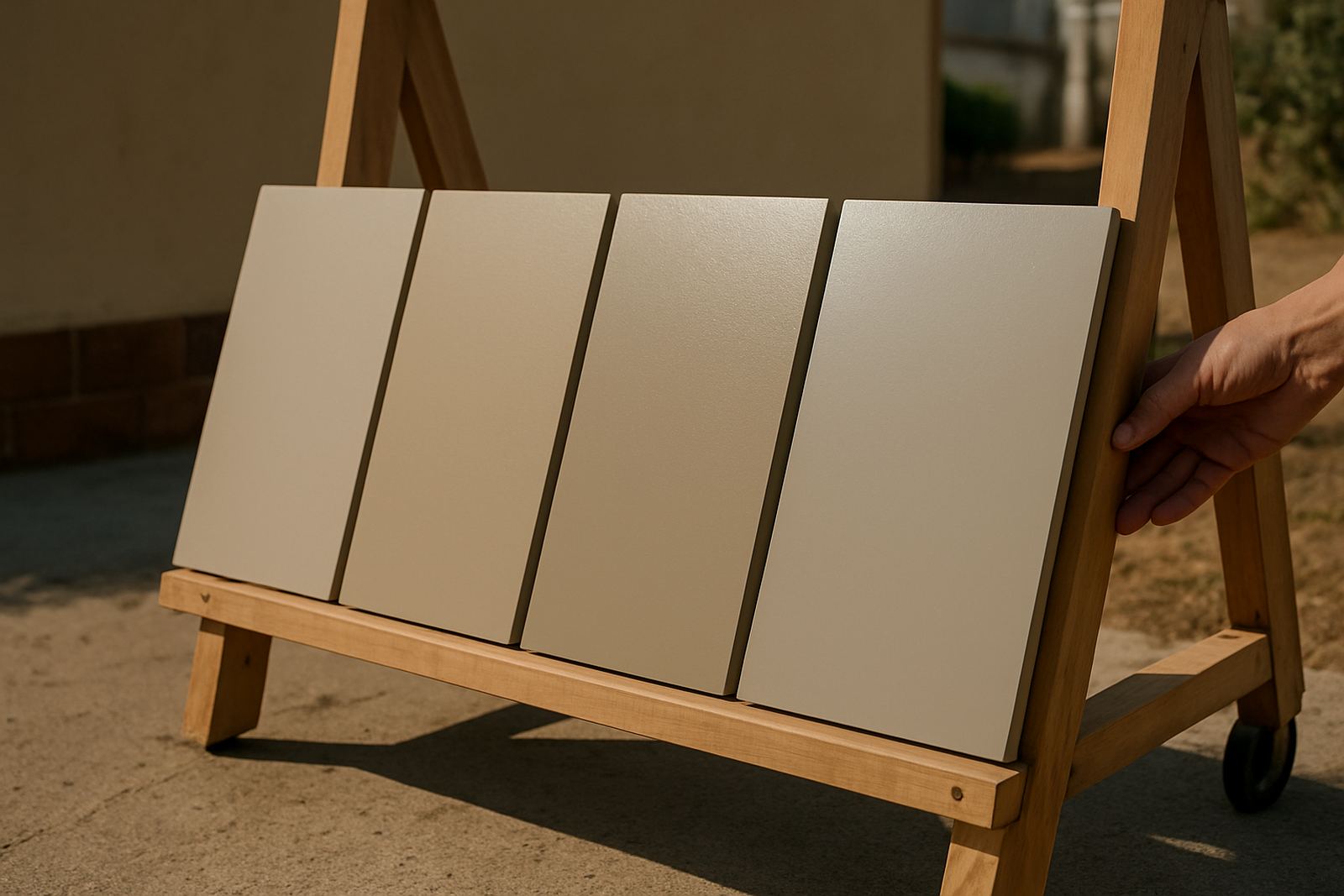
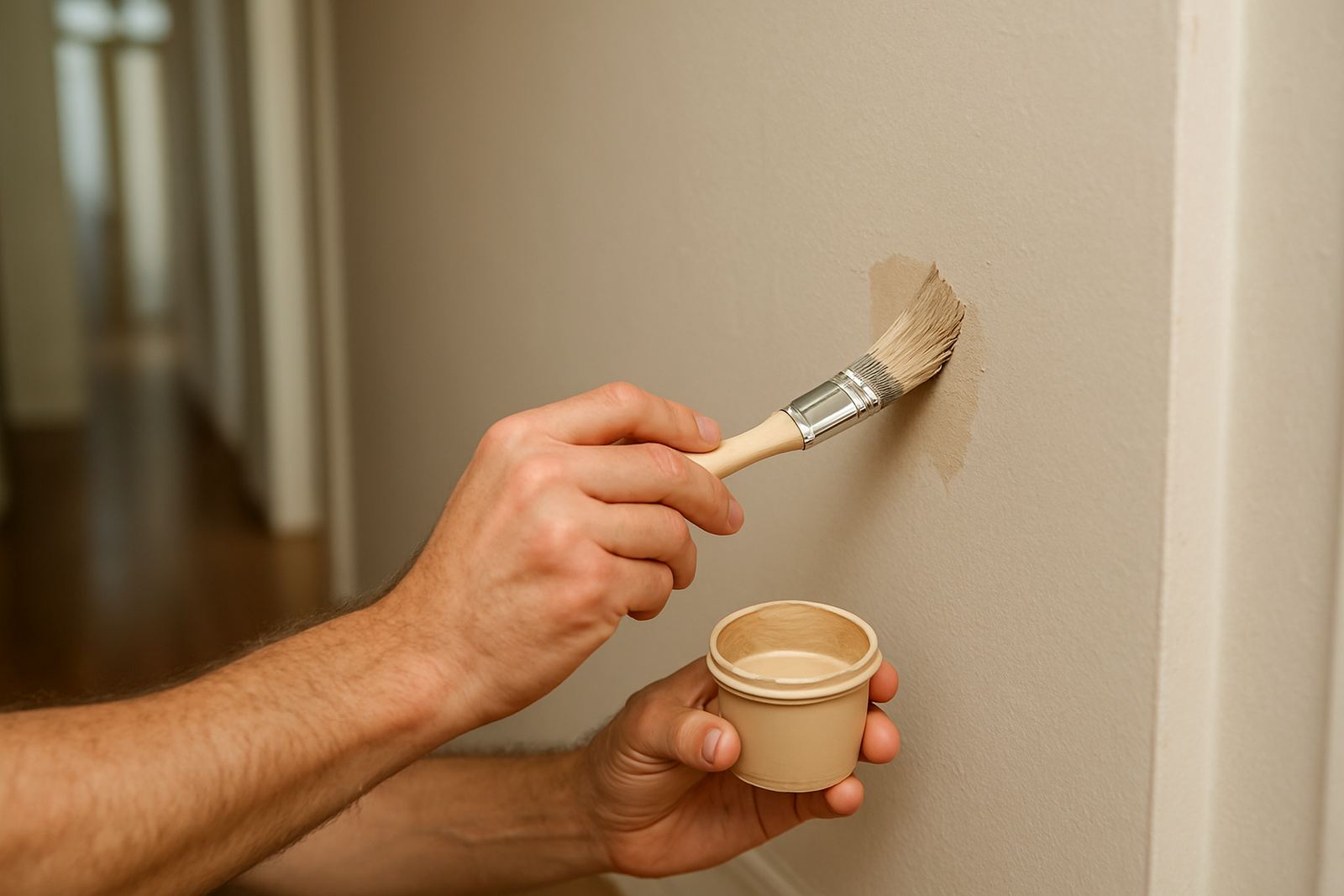
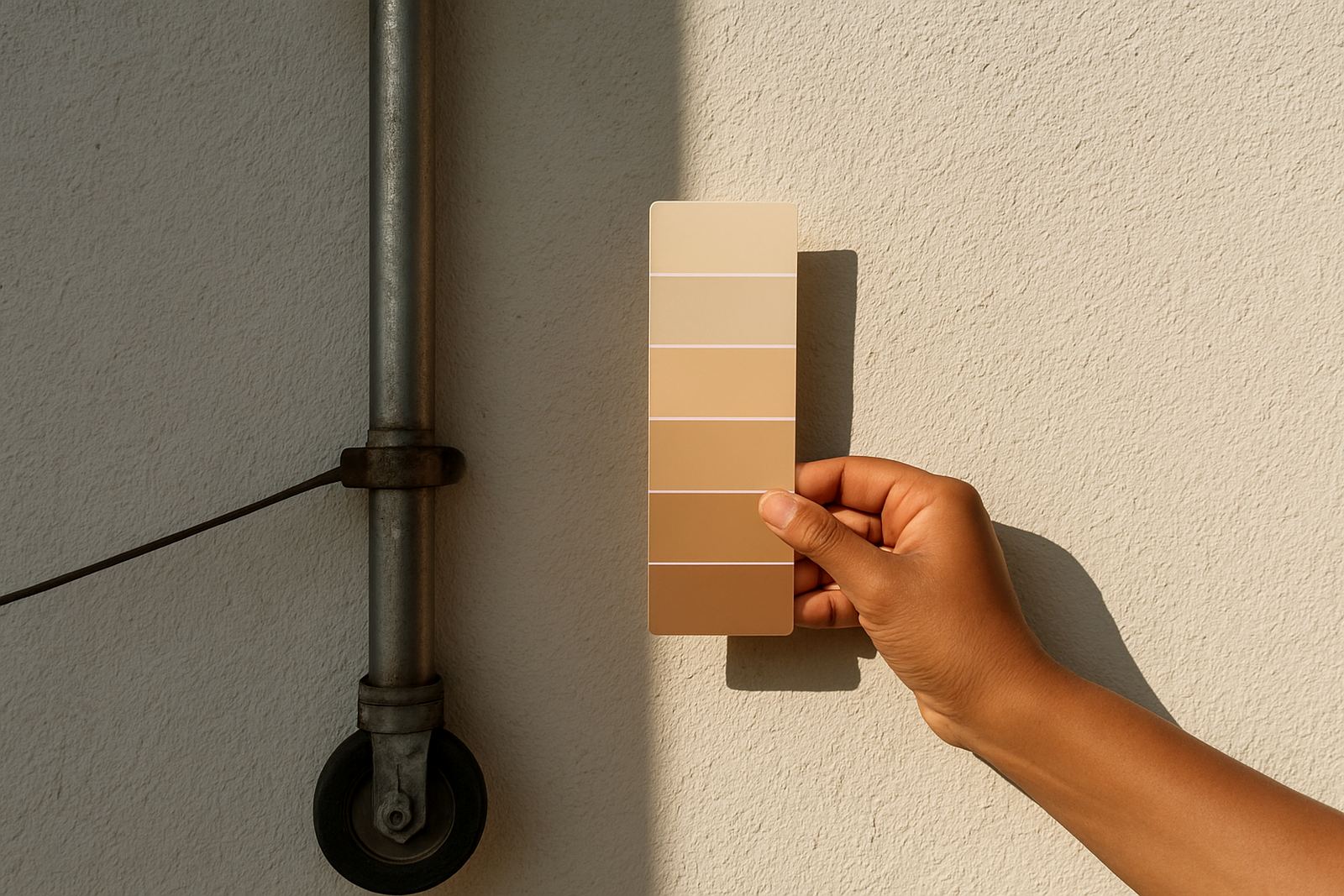
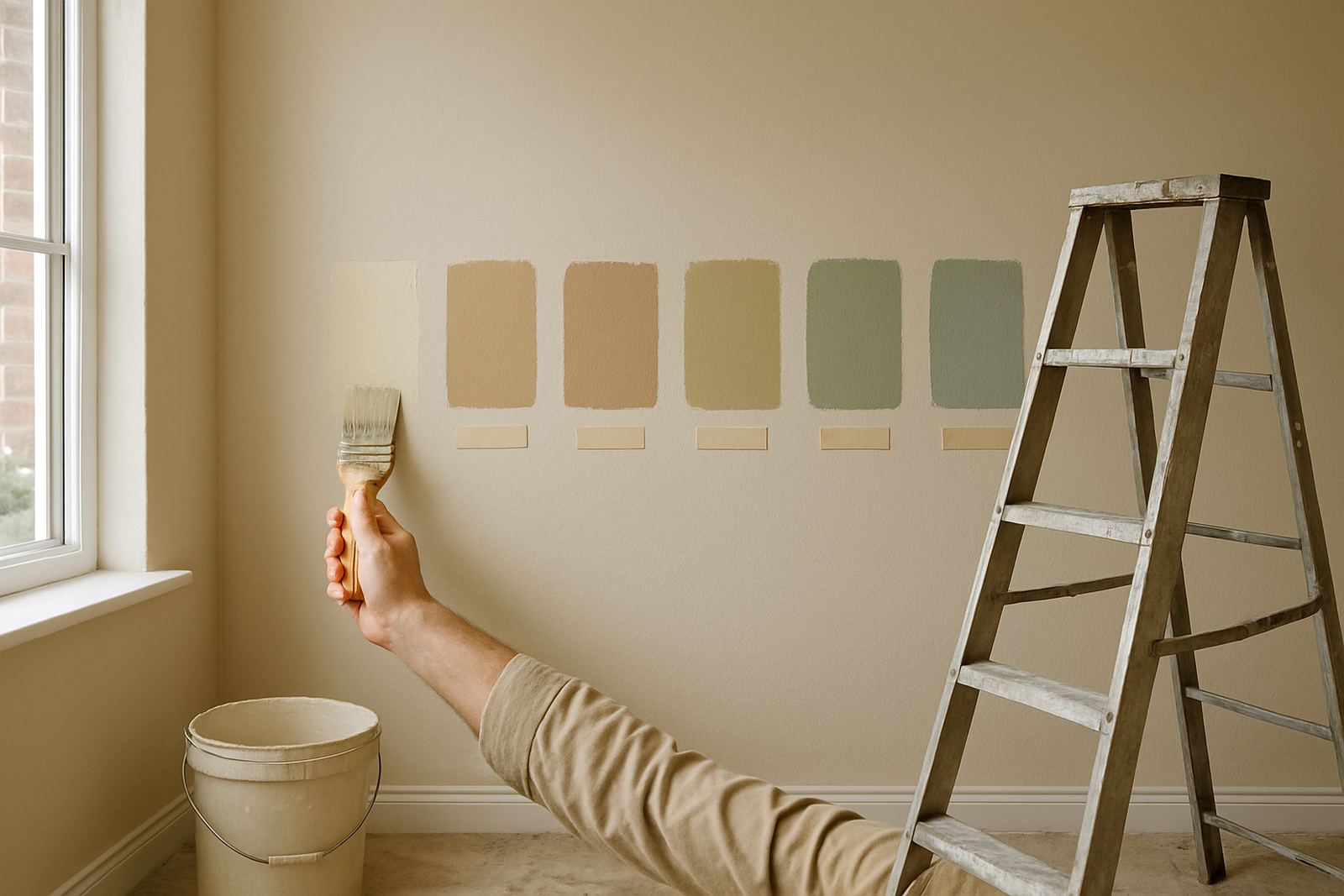
Our colour articles explain how to test a sample pot properly, what to check in morning light and late afternoon, and how to compare a chosen shade against flooring, tiles and existing joinery. If you are matching a colour already on site, there are notes on how to get a better result when the original paint has faded, weathered or picked up smoke and dust.
- Test on more than one wall if the room gets different light.
- Check the sample next to skirting, tiles and fabric finishes.
- Allow time for the sample to dry fully before deciding.
- Keep a note of the final mix for future touch-ups.
Preparation tips that save money later
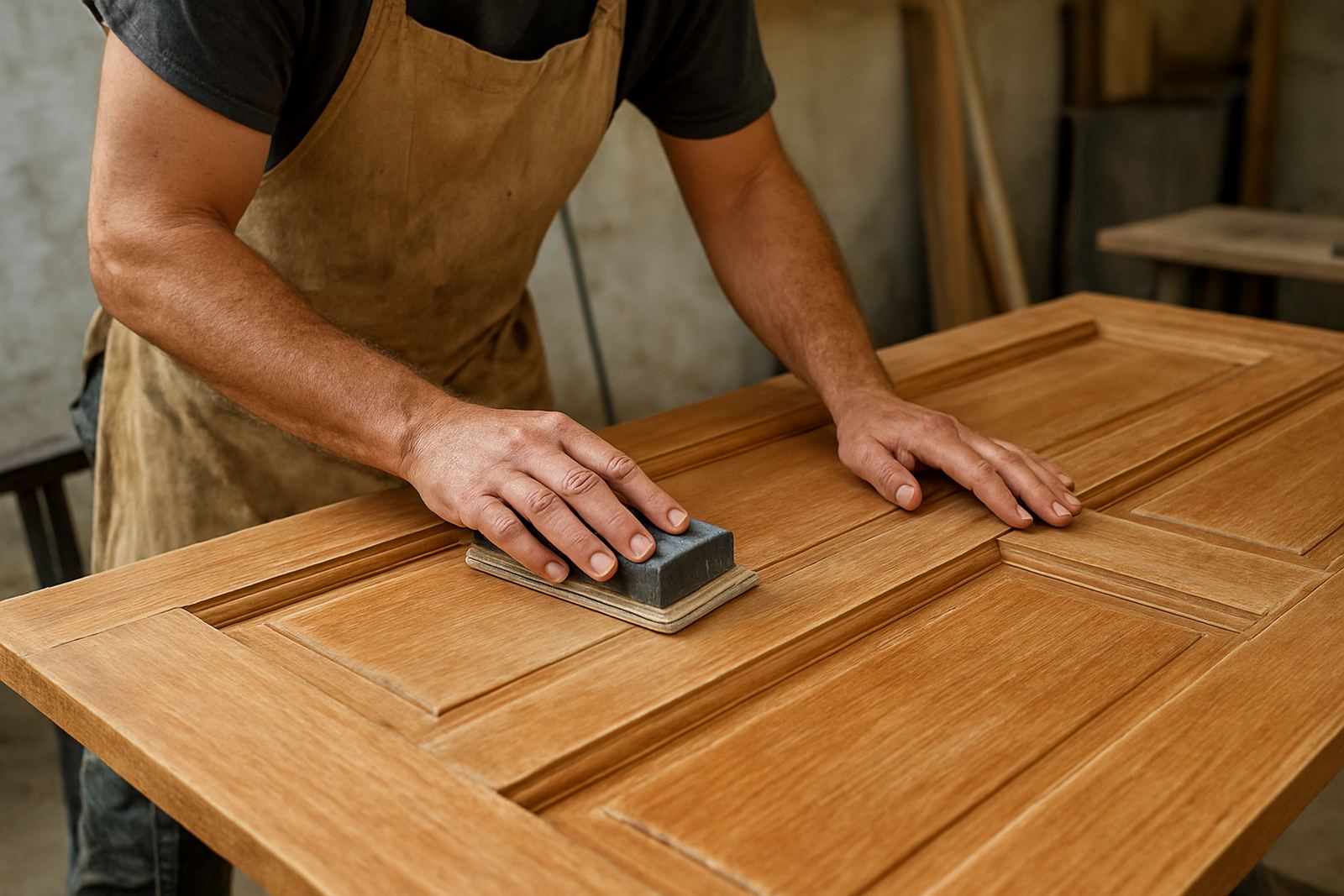
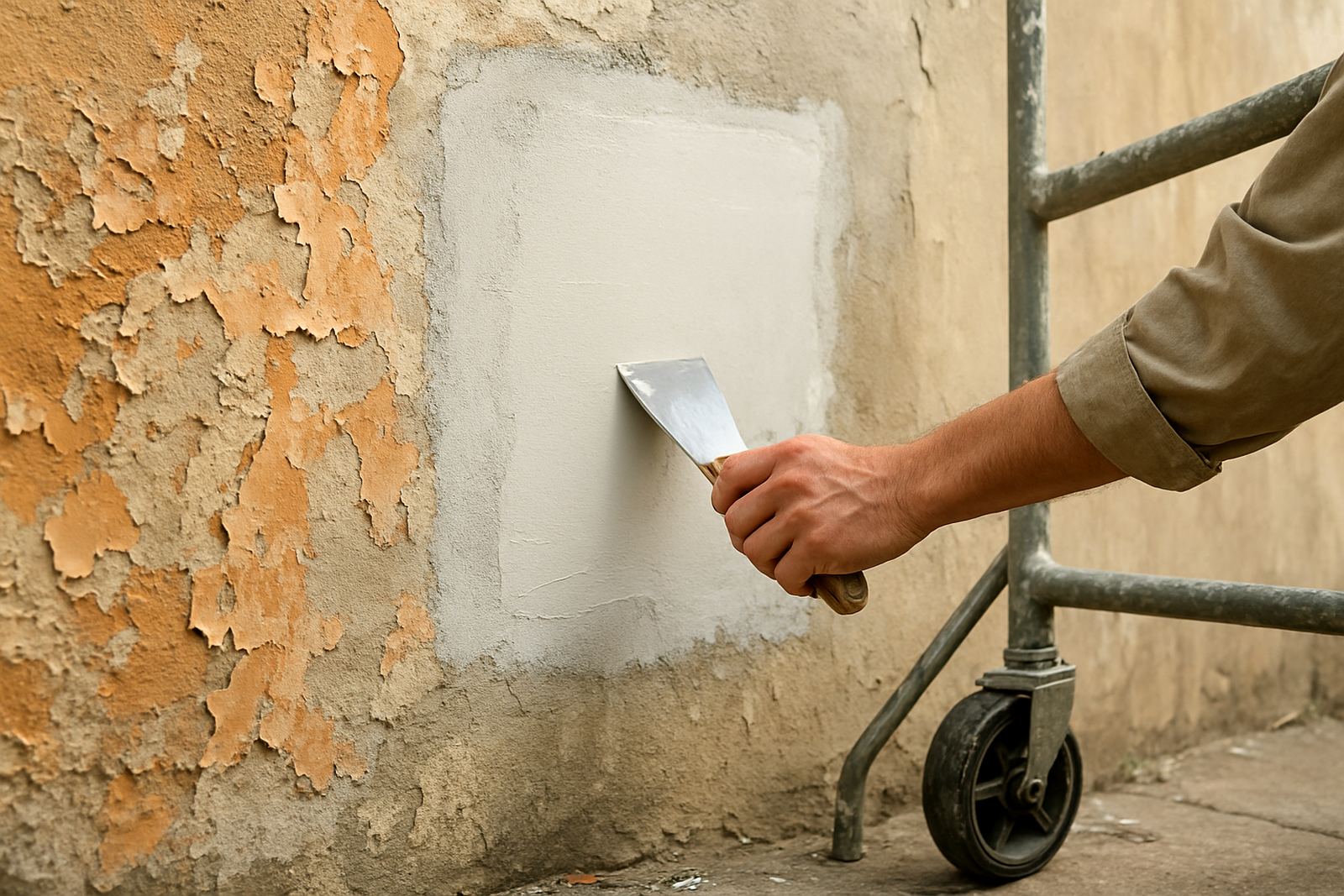
Good preparation is usually what keeps a repaint from failing early. The journal covers cleaning, sanding, filling and sealing, with clear advice on when a wall needs more than a quick wipe down. If a surface is powdery, damp, glossy or flaking, there is often a simple way to test it before you start.
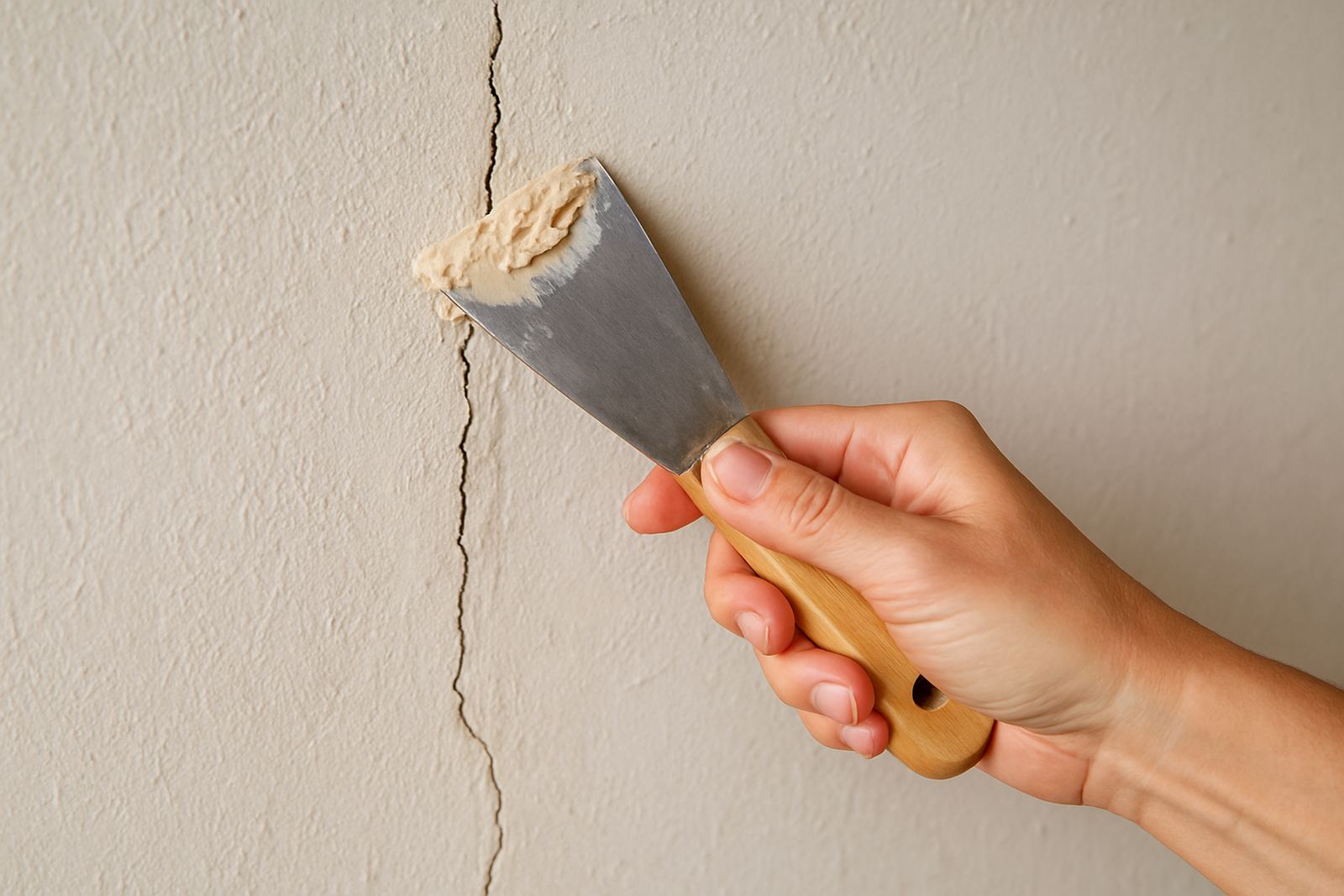
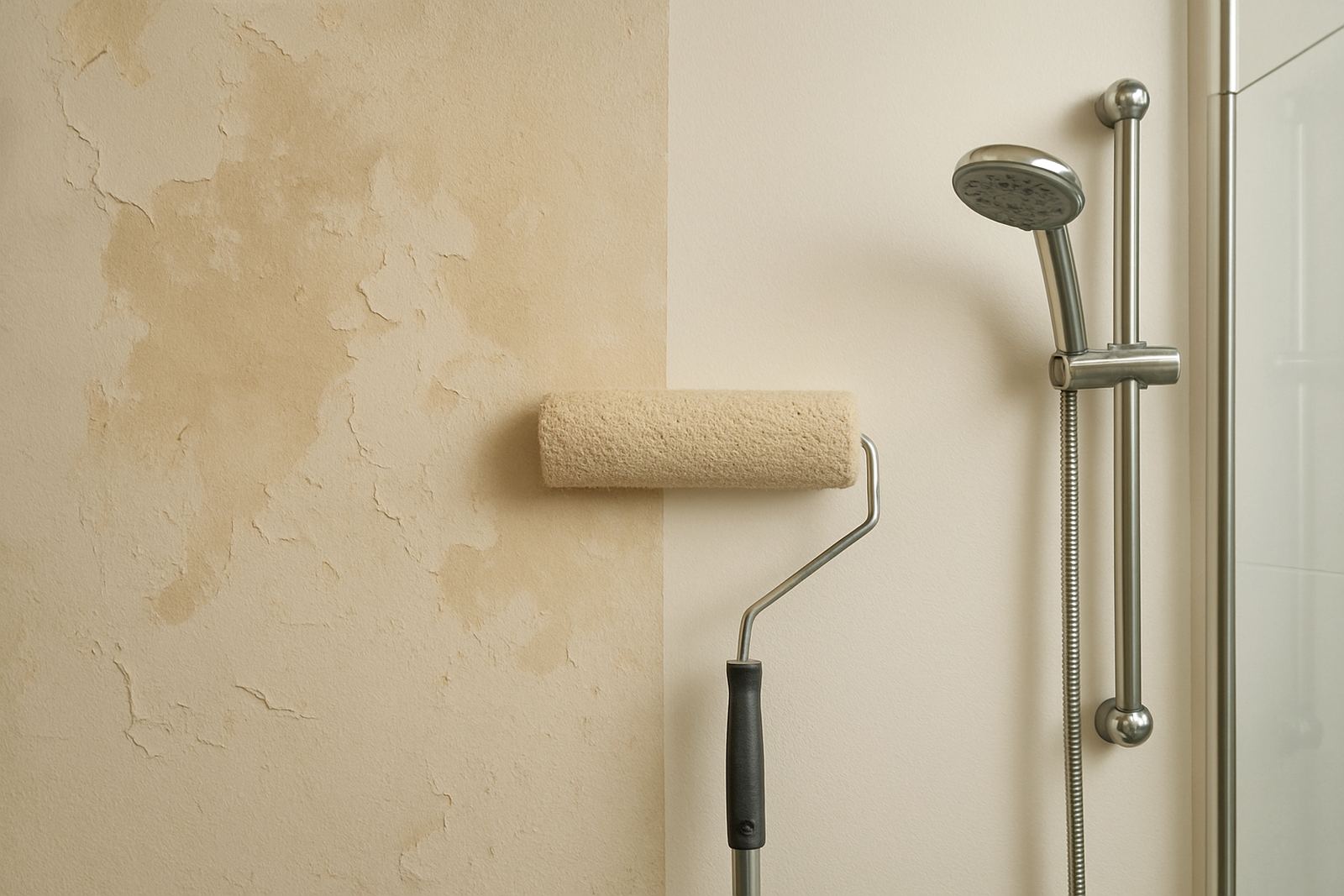
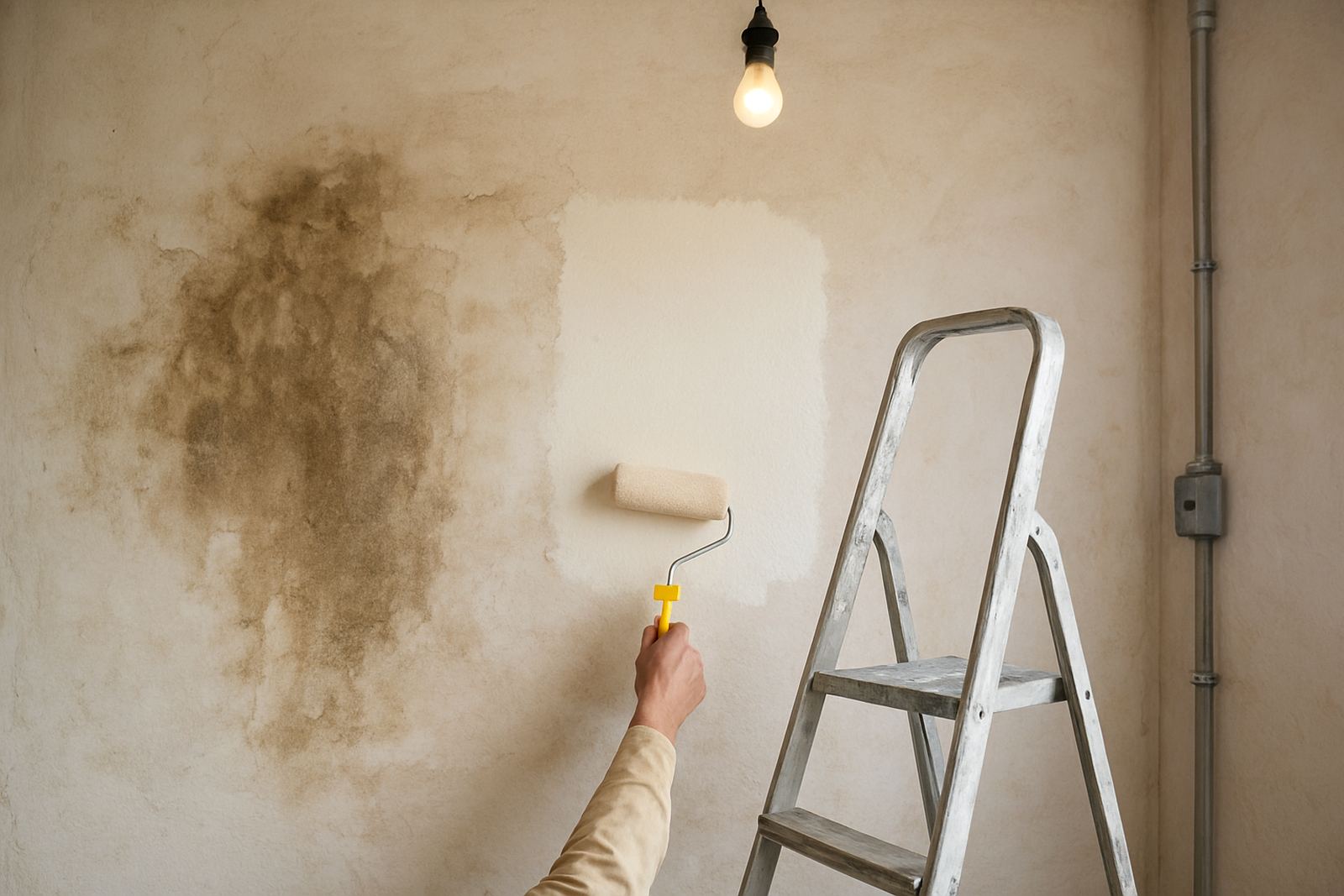
We also explain how to deal with small cracks, old water marks, smoke staining and problem spots around windows, ceilings and exterior corners. In many jobs, a little extra prep on day one means fewer callbacks later, which matters for both homeowners and contractors trying to stay on schedule.
Planning quantities for small and large jobs
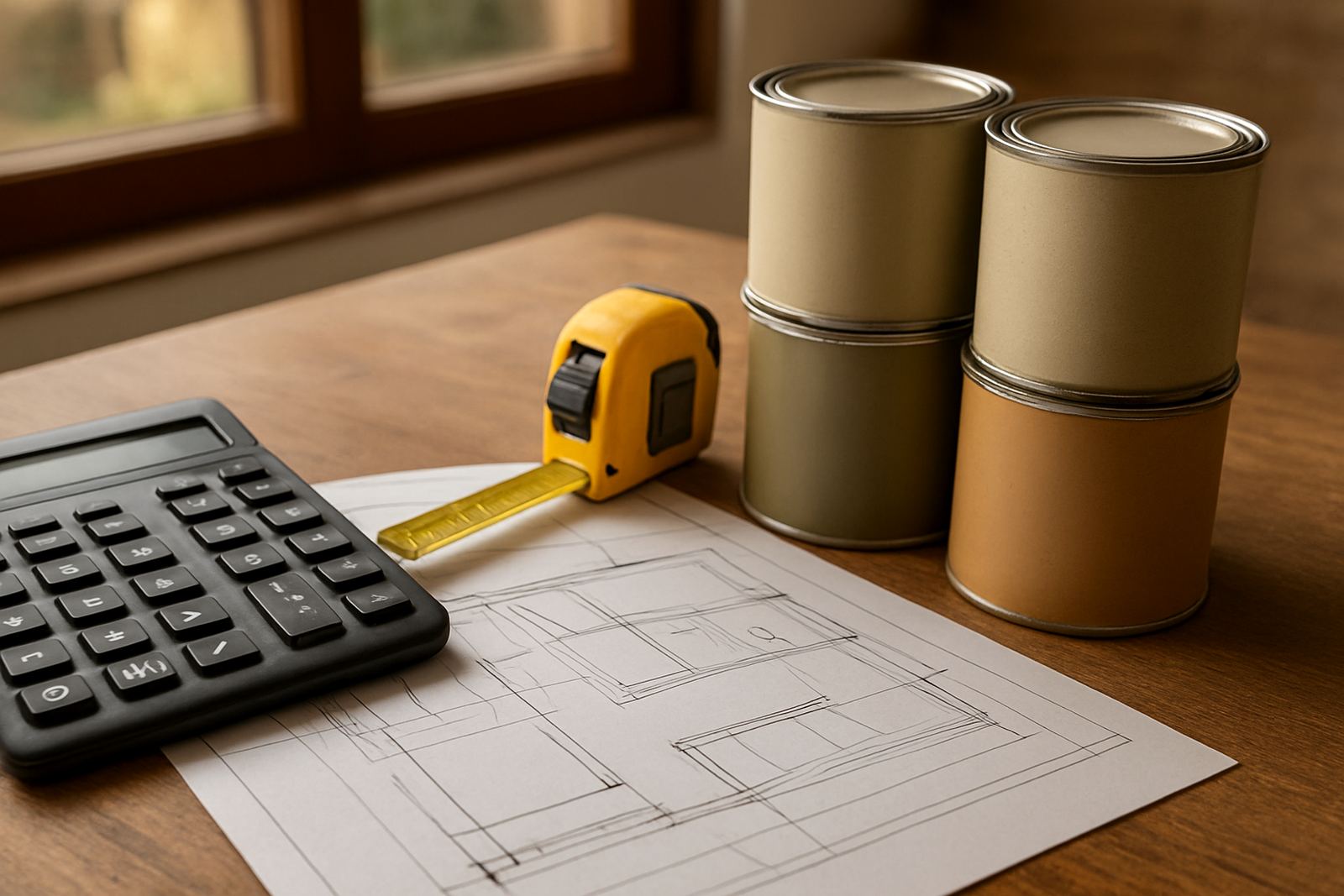
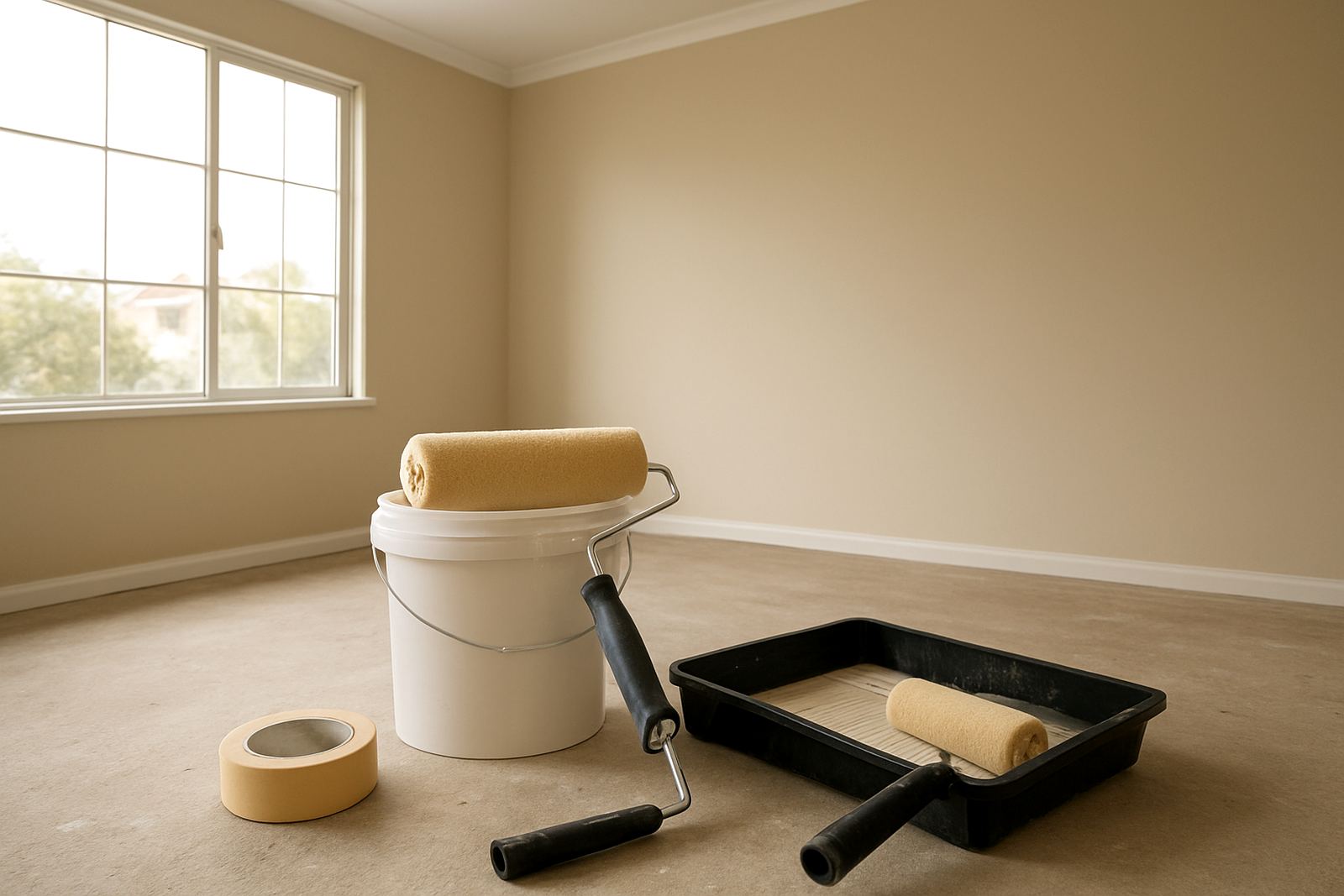
Ordering the right amount of paint matters whether you are working on one bedroom or a full block of units. The planning articles in this journal help you estimate coverage, allow for rough plaster, and include a small buffer for touch-ups after the main coat has dried. That extra litre or two can save a repeat trip, especially when a colour has been custom mixed.
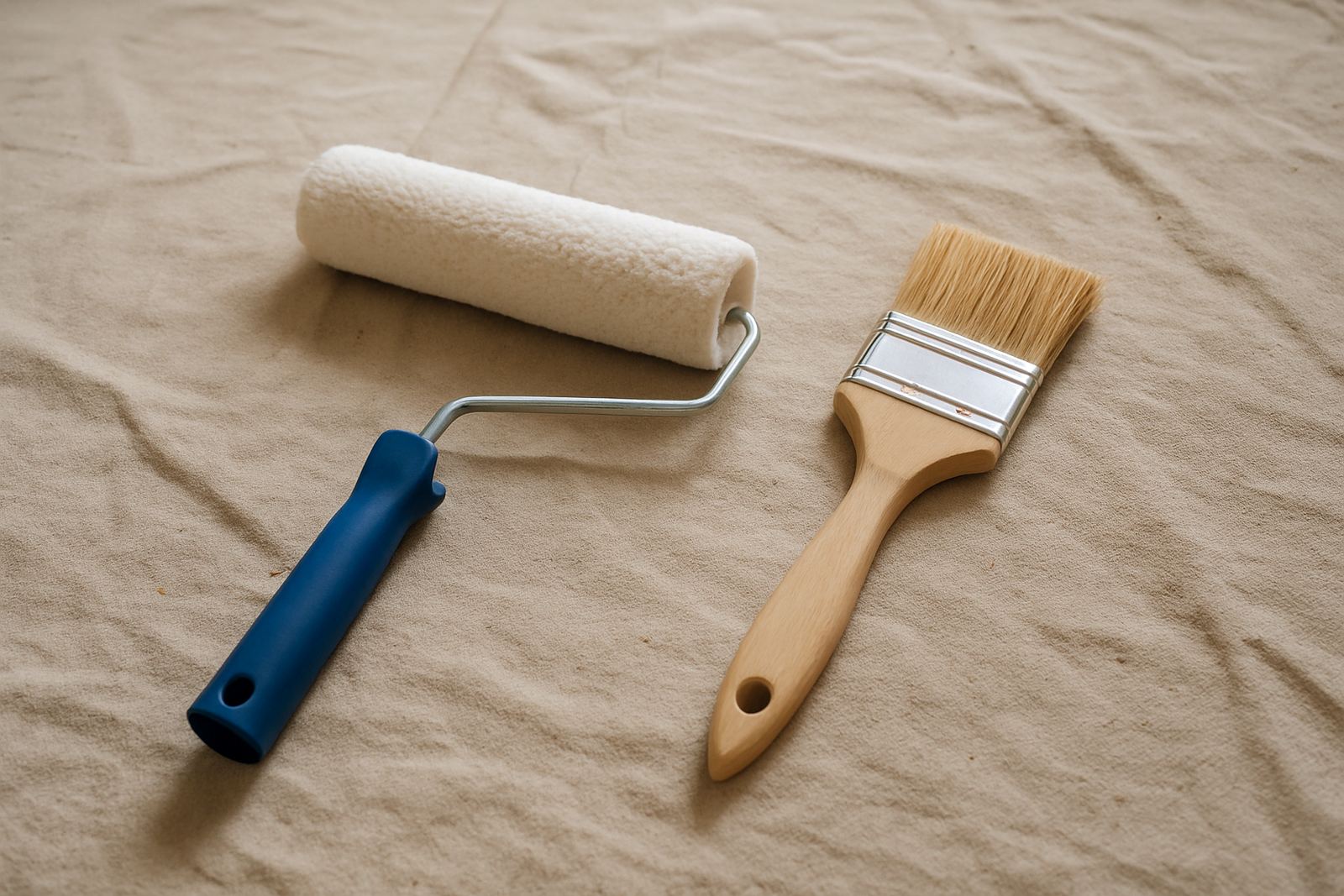
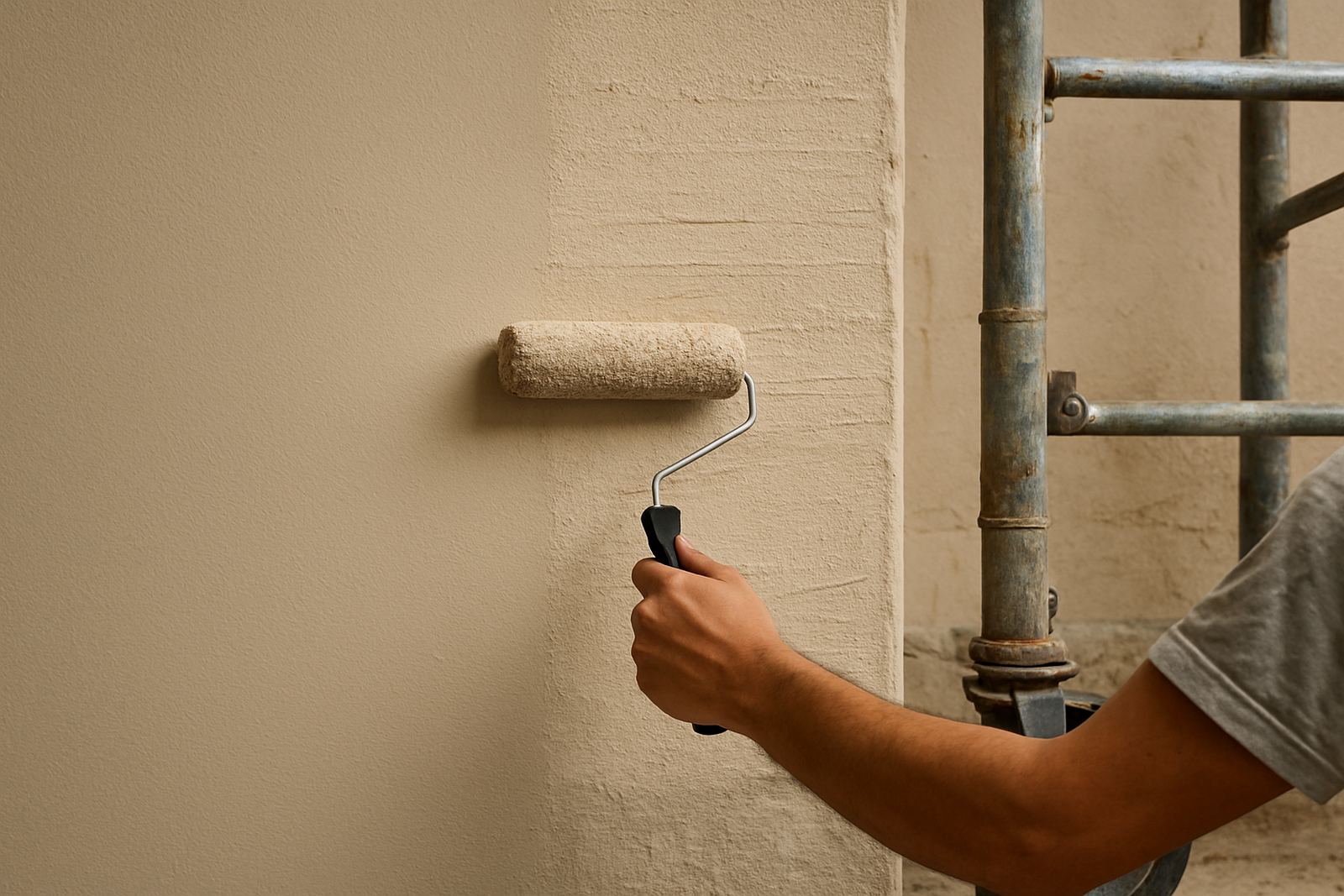
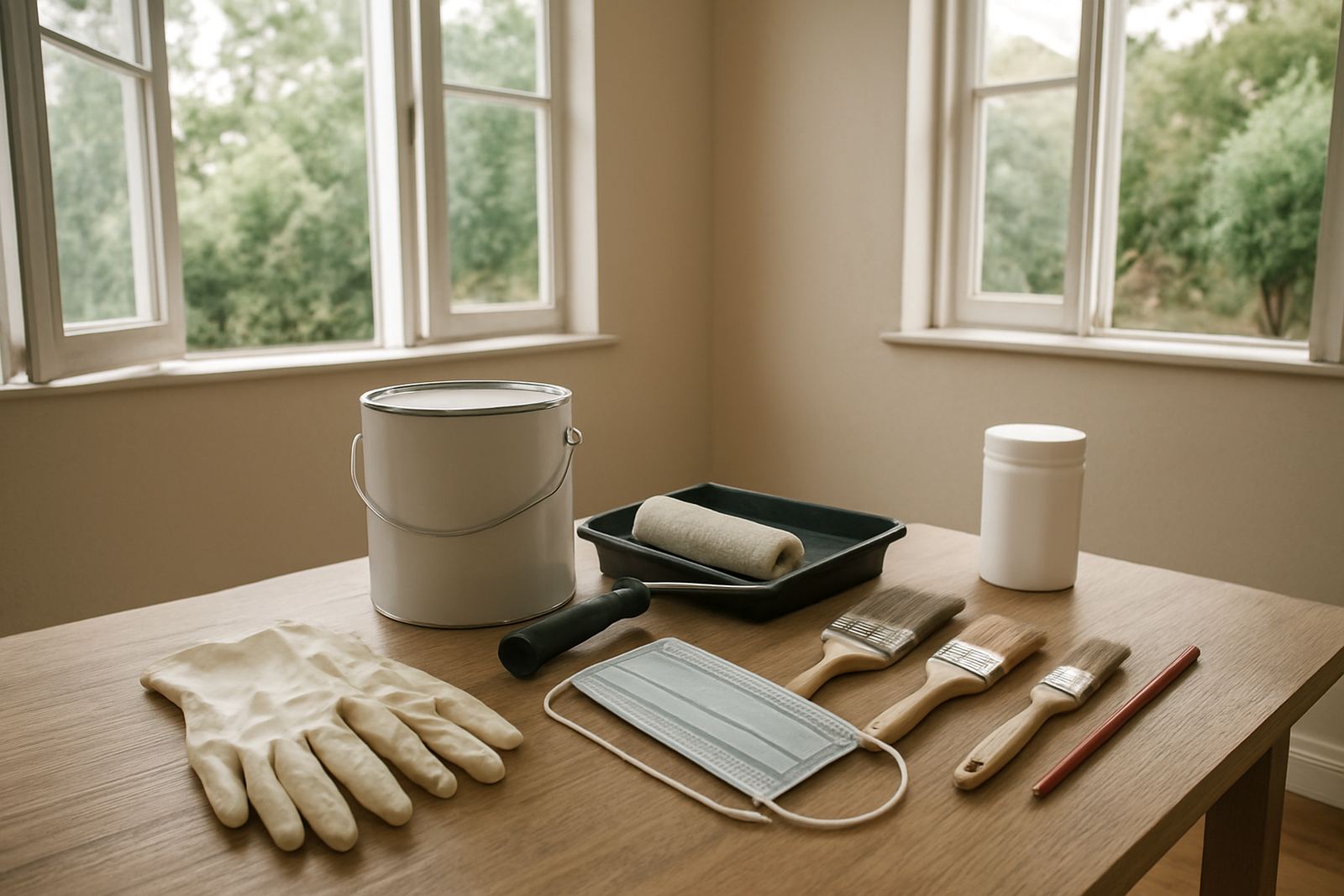
There are also notes on matching your material list to the work itself. A ceiling repaint does not need the same tools as a textured exterior wall, and a trade job may need a different buying pattern from a one room DIY project.
- Measure walls and ceilings before choosing pack sizes.
- Allow extra for absorbent surfaces and repairs.
- Keep a record of batch or tint details for follow up work.
- Plan for prep materials, not only the finish coat.
Paint care, touch-ups and finish maintenance
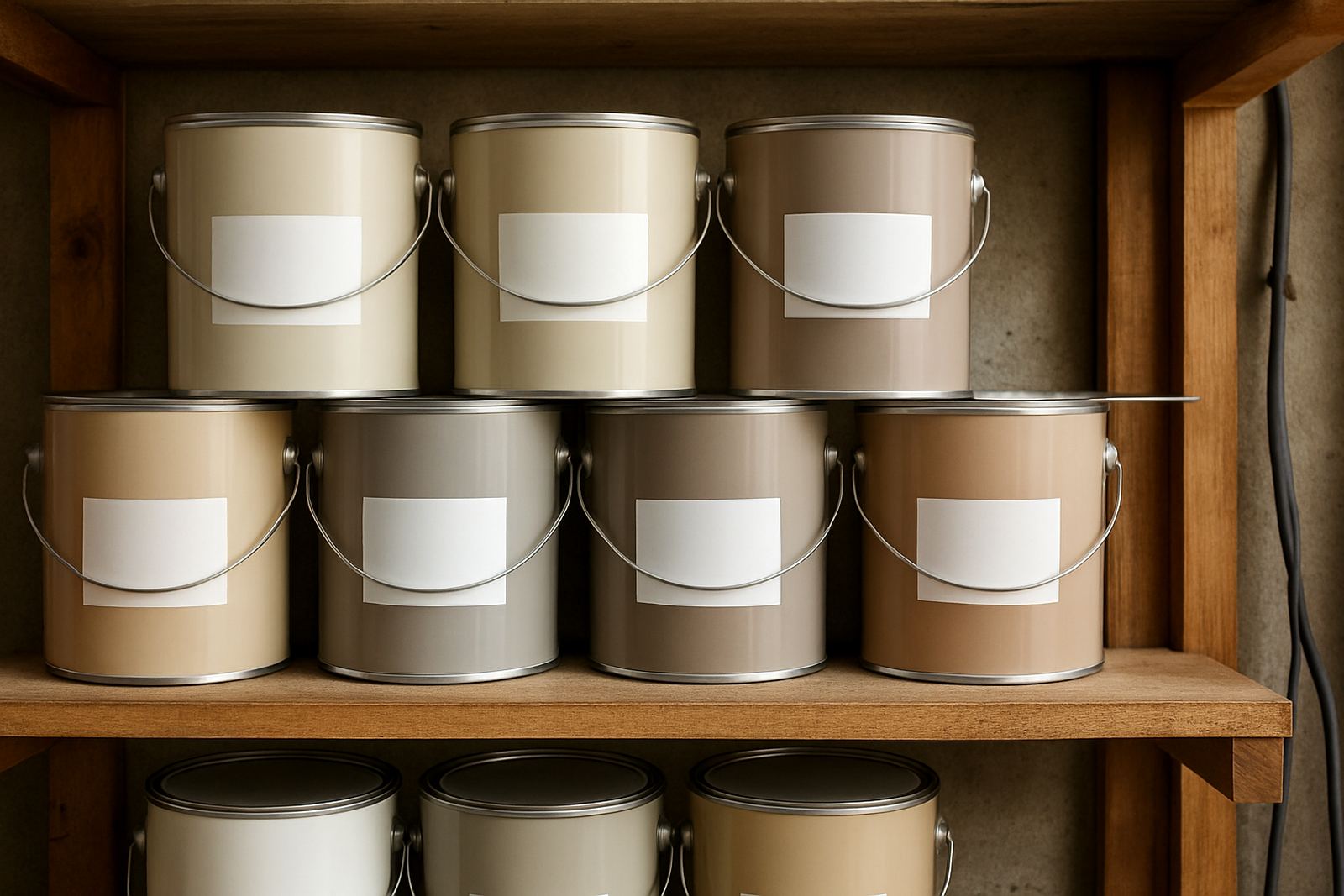
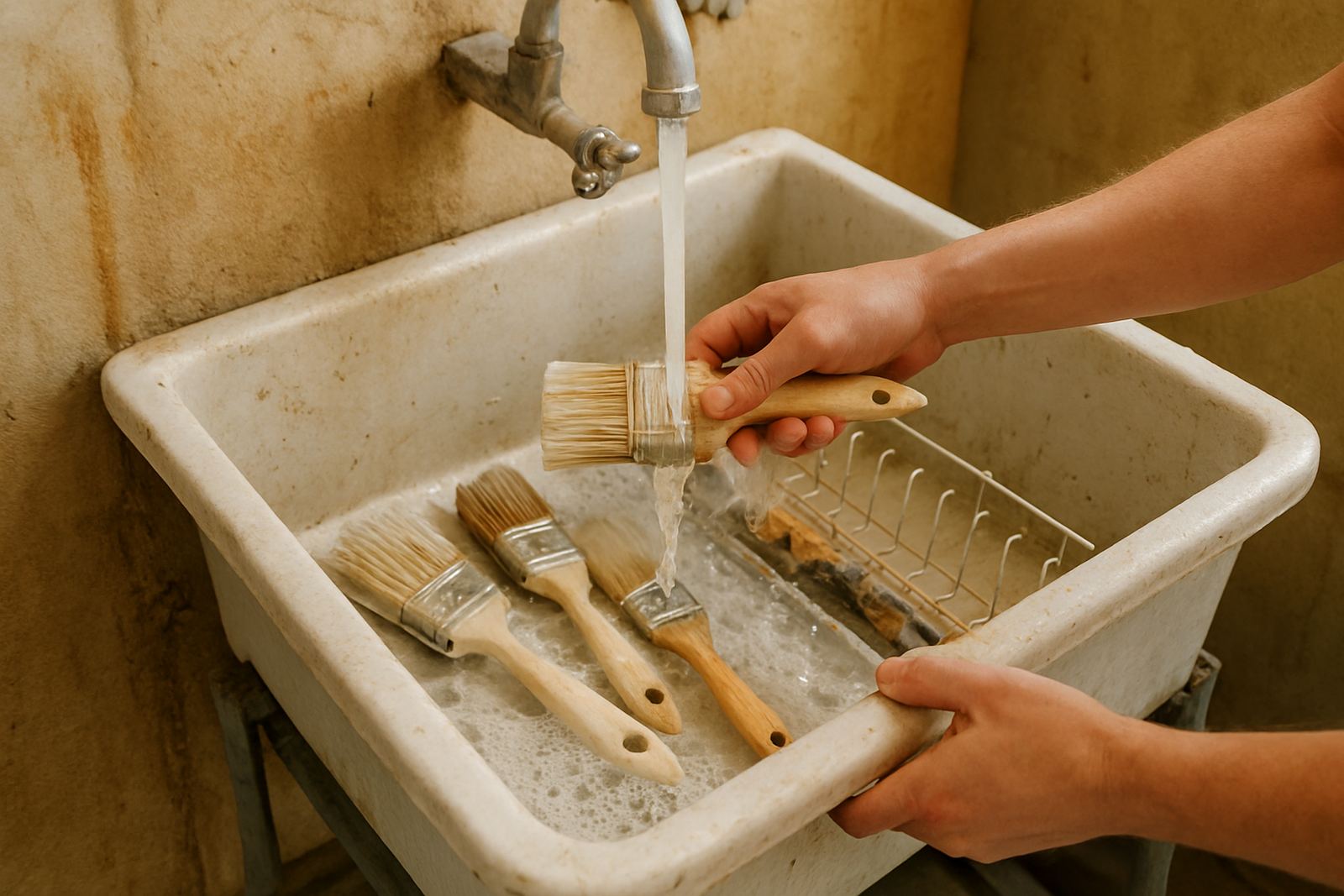
Once the job is done, the right care helps the finish last longer. Our maintenance articles explain how to clean painted walls without polishing off the sheen, how to store leftover paint for future touch-ups, and how to handle small marks before they become bigger repairs. In humid areas near the coast, correct drying time and proper storage can make a real difference.
There is also practical help for repaint troubleshooting. If a finish is flashing, patchy or not covering as expected, the journal points you towards the likely cause, whether that is surface condition, application method or the wrong product for the job.
Use these articles as a working guide before you start, and keep them close while the job is underway. They are written to help you choose better, prep better and finish better.