
Start by checking what finish the timber has
Before you clean, sand or recoat, work out whether the surface is varnished, sealed with a clear coat, oiled, or simply painted. The wrong product can sit badly on top of the old finish, which leads to peeling, patchy gloss or poor adhesion. If you are not sure, test a small hidden area first and watch how the surface reacts to a damp cloth or a little solvent on a rag.
For indoor furniture, doors and skirting boards, the issue is usually wear from hands, cleaning products and sunlight through windows. Outside, timber has to deal with rain, strong UV, dust and in places like Korsten or Walmer, a fair amount of coastal moisture too. That means your maintenance plan should match the setting, not just the look you want.
- Check for dull patches, hairline cracks, white haze or sticky areas
- Look at high-touch spots such as handrails, table edges and door frames
- Note whether the timber feels dry, rough or water marked
- Confirm if the product on the label is a varnish, sealer, stain or oil
Clean gently so you do not damage the coating
Good maintenance starts with simple cleaning. Dust and grit act like sandpaper, especially on dining tables, stairs and window sills. Use a soft cloth or microfibre mop, then a mild soap solution if needed. Avoid soaking the wood because water can creep into joins and lift edges over time. Wipe dry straight after cleaning, especially on sealed timber and around end grains.
Do not use harsh household cleaners, ammonia, strong bleach or abrasive pads. These can dull the finish or leave it patchy. For outdoor timber decks, pergolas and gates, rinse off dust and salt build-up regularly. In places near the sea, a monthly wash is often better than waiting for visible damage. It takes less effort to remove light dirt than to rescue a finish that has already broken down.
- Use a soft cloth, not a scouring pad
- Mix only a small amount of mild soap into water
- Dry surfaces immediately after cleaning
- Keep metal pots, wet plant trays and cold drinks off timber for long periods
Deal with dulling, scratches and water marks early
Once a timber finish starts losing gloss, the surface is usually telling you it needs attention. Minor scratches and scuffs can often be sorted with light sanding and a fresh maintenance coat, but the prep has to be neat. If you rush it, the new layer may show every mark underneath. Water rings, especially on sealed tables and sideboards, should be dealt with quickly before they leave a permanent cloudy patch.
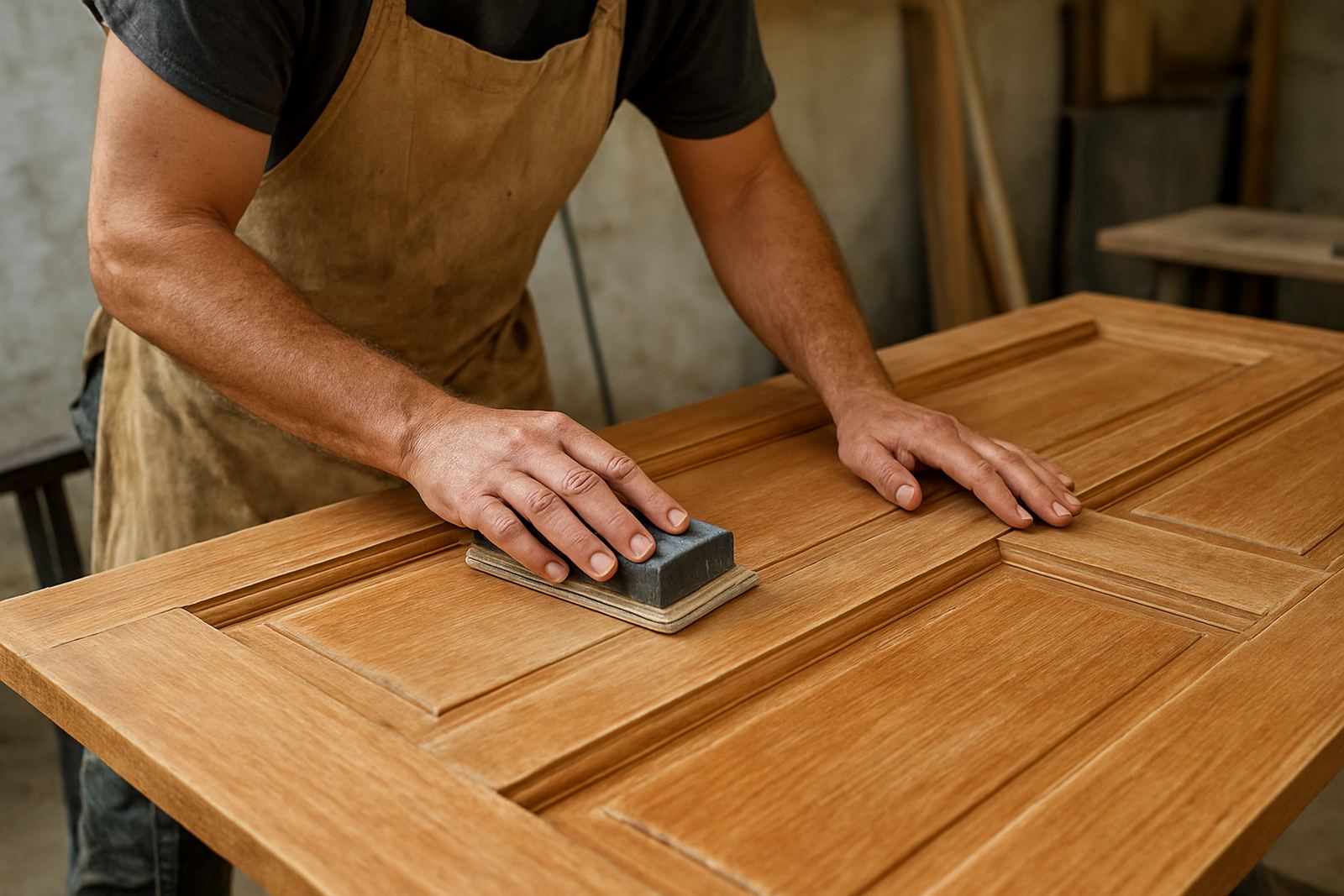
For light wear, clean the surface, allow it to dry fully, then abrade very lightly with fine sandpaper. Remove dust carefully and apply a suitable clear coat or touch-up product. If the finish is peeling, cracked or lifting in sheets, you may need to strip back more of the old layer. On older timber, it is worth checking whether the wood itself has dried out, because a finish will not hide a failing substrate.
- Use fine sandpaper for light keying, not coarse paper
- Work with the grain for a cleaner result
- Do not coat over dust or greasy fingerprints
- Let the timber dry fully before recoating
Choose the right maintenance product for indoors and outside
Not every clear coat or sealer suits every job. Indoor finishes are usually chosen for appearance and easy cleaning, while outdoor products need better UV resistance and water protection. A clear timber finish on a front door in Newton Park will face very different conditions from a bookshelf in Randburg or a kitchen counter in Bellville. The product should match the exposure and the type of timber.
Where timber gets strong sun, high traffic or frequent moisture, thicker build coatings may last longer than thin decorative products. In shaded indoor areas, a lower-maintenance clear coat may be easier to keep neat. If the surface is already coated, make sure the new product is compatible with the old one. If you are changing from one system to another, ask for product recommendations before committing to a full repaint or recoat.
- Indoor doors and furniture: choose easy-clean finishes with good wear resistance
- Outdoor timber: choose products rated for UV and moisture exposure
- Coastal areas: plan for shorter maintenance intervals
- High-use areas: pick a finish that can be spot-repaired
Set a maintenance routine that suits your property
Timber lasts longer when you maintain it on a schedule instead of waiting for visible failure. In Gqeberha, many homeowners find that sealed exterior timber needs a check each summer and again after the wet season. For businesses, this is even more important because customers notice tired door frames, reception counters and display fittings quickly. A small bit of work each season is easier than stripping back a failed coating.
If you are managing a contractor job or multiple units, bulk quantity planning helps you avoid running short halfway through the work. Keep records of the finish used, the date it was applied and the shade or clear coat system. That makes later touch-ups much simpler. At ColouRight Paints in Korsten, the team often helps with repaint troubleshooting, sample pot mixing and advice on what will suit the local conditions best, from Walmer to Sandton and Bellville.
- Inspect indoor timber every 6 to 12 months
- Inspect outdoor timber every 3 to 6 months
- Recoat before the finish breaks down fully
- Keep spare product for future repairs and small touch-ups
Use local conditions to guide the job
Timber finish care is never just about the wood. It is about the weather, the building and how the space is used. A sealed gate in Korsten may face salt air, windblown dust and strong afternoon sun. A dining table in a family home near Newton Park may mainly need protection from spills, plates and cleaning cloths. The maintenance approach should change with the setting, otherwise you end up over-treating some areas and under-protecting others.
For trade customers, the best results usually come from proper surface prep, the right clear coat and honest advice about exposure. If you are unsure what is already on the timber, bring a sample or a photo and get help before you buy. That saves time, avoids mismatched products and reduces call-backs later on. Timber finish maintenance is simple enough when you stay consistent, but it does pay to be careful from the start.
For colour advice, sample pot mixing, contractor account support and product recommendations, the ColouRight Paints team can assist through our contact form or through the Korsten, Gqeberha base and branch network.