
Bring a sample that tells the full story
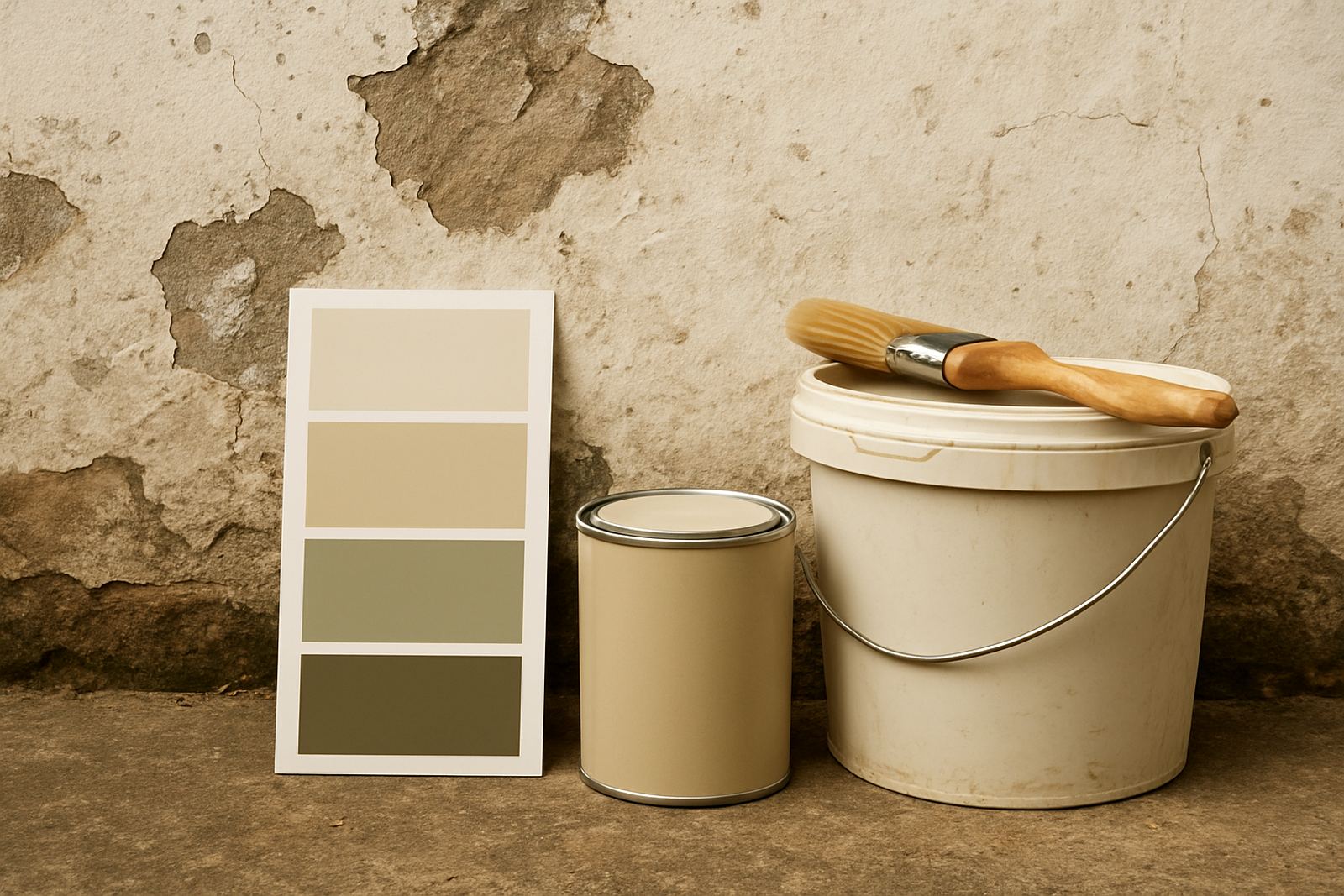
The best match starts with the right sample. A tiny chip from a hidden corner can work, but a sample that shows the full paint layers and finish usually gives better results. If the wall has been patched, painted over, or touched up several times, bring a piece from the most original looking area you can find.
For older homes in Korsten, Walmer and Newton Park, we often see faded feature walls, patch repairs around plumbing and ceilings that were repainted years apart. In those cases, a clean sample from behind a light fitting, under a switch plate or from a spare offcut is often more useful than a scraped flake from the sunniest wall.
- Take a piece at least the size of a 10 cent coin, better still a matchbox size chip.
- Keep the back of the sample intact if possible so we can see the paint layers.
- Wipe off dust, chalky residue and loose dirt before you bring it in.
- If you cannot remove a sample, take a clear photo in daylight and note the room or exterior wall.
If you are bringing in a loose chip, wrap it in paper or place it in a small container so it does not pick up other colours on the way in.
Why the same colour can look different on the wall
Many people think a paint colour should match exactly by name, but older surfaces rarely behave that simply. Sunlight, coastal humidity, smoke, cleaning products and age all change how a coating looks once it has been on a wall for a few years. Even interior walls can shift in tone if a room gets strong morning light or stays closed up during winter.
In Gqeberha, the coastal air can fade some exterior colours quicker than expected, especially on north-facing walls. In Sandton and Randburg, we often see different results where one wall gets full sun and another stays shaded by trees or neighbouring buildings. The original paint may still be the same, but the finish and weathering are not.
- Matte finishes hide small marks but can fade and chalk more visibly.
- Satin and low sheen finishes often show touch-up differences more easily.
- Old solvent-based coatings and newer water-based paints do not always age the same way.
- Repairs, filler and primer can change how the final colour sits on the wall.
That is why a close visual match is often more important than an exact laboratory style reading. The real goal is for the new paint to sit naturally alongside the old surface once it dries.
What to expect during colour matching and tinting
When you come in for colour matching, we look at the sample under proper lighting, check the finish and talk through where the paint will be used. A wall in a child’s room, an exterior boundary wall or a kitchen splash area each needs a slightly different approach. Sometimes the closest match is also the most practical one for the surface.
We also consider whether you need a full repaint, a patch repair or just enough paint to handle touch-ups. For trade jobs, bulk quantity planning matters as well. If you are covering a whole block of units or multiple rooms, it helps to know the approximate square metres before we mix anything.
- Colour matching for interior walls, trims and feature areas.
- Custom tinting for sample pots, touch-up tins and larger orders.
- Advice on primers, fillers and surface prep before you paint.
- Support for contractor accounts and repeat trade orders.
Sometimes two old surfaces with the same colour name need slightly different tints to look right side by side. That is normal and not a fault in the process. It is usually the effect of age, substrate and light.
How to improve the result on older surfaces
Older paint jobs usually give better results when the surface is prepared properly before any new colour goes on. Flaking paint, dust, damp spots and uneven filler can all throw off a match, even if the tint itself is correct. If a wall is powdery or has been washed many times, the finish may absorb more paint and appear duller than the surrounding area.
Before you buy more paint, test whether the wall needs cleaning, sanding, sealing or spot priming. In older homes around Walmer Service Area and Newton Park, we often advise customers to check for hairline cracks and areas where previous repairs were left unsealed. Outside, look for salt, mould and sun damage as well.
- Clean the area gently and let it dry fully before any touch-up.
- Use the same sheen level if you want the best visual blend.
- Prime bare plaster, filler patches and repaired spots first.
- Test a small section and allow it to dry before judging the match.
If the original paint has faded badly, a perfect match may actually need to be slightly adjusted so the new section does not stand out once dry. That is normal on older walls, and it saves time later.
A local example from Korsten to the coast
A homeowner in Korsten recently came in with a faded exterior sample from a boundary wall that faced afternoon sun and salty sea air. The wall had been repaired in sections over the years, so the old coating showed three different tones once we compared it properly. The best result came from matching the least weathered part of the sample, then advising on a primer and a repaint of the full section instead of a small patch job.
That approach gave a neater finish than trying to hide one fresh patch in the middle of a tired wall. It also saved the customer from returning for repeated touch-ups. For exterior surfaces in Gqeberha, that kind of honest advice matters because weather can change a touch-up in a few months.
If you are coming from Bellville, Sandton or a nearby area, the same principle applies. A match that looks good in the tin should still be checked against the wall, because light and texture can make a colour read differently once applied.
What to bring when you visit ColouRight Paints
To make the process easier, bring as much useful information as you can. The more we know about the surface, the better the recommendation. You do not need everything on the list, but even two or three of these items can improve the match.
- A sample of the existing paint, preferably from the original surface.
- A photo of the wall in daylight and another in the evening if possible.
- The room name or exterior location, for example lounge wall, ceiling or boundary wall.
- Any leftover paint tin, label or batch note you still have.
- The surface type, such as plaster, wood, metal or previously painted masonry.
- Approximate coverage needed in square metres if you are repainting more than one area.
You can also send us a message through our contact form if you want to check what to bring before you travel in. That can save a second trip, especially for customers coming from Walmer, Randburg or the outer parts of Cape Town.
Matching is easier when you plan for the next coat
Even the best colour match may show slight differences if the wall underneath is uneven or the sheen is wrong. That is why we often talk through the next coat as part of the match itself. If you are repainting a bedroom, office, rental unit or shopfront, it helps to think beyond the chip you brought in.
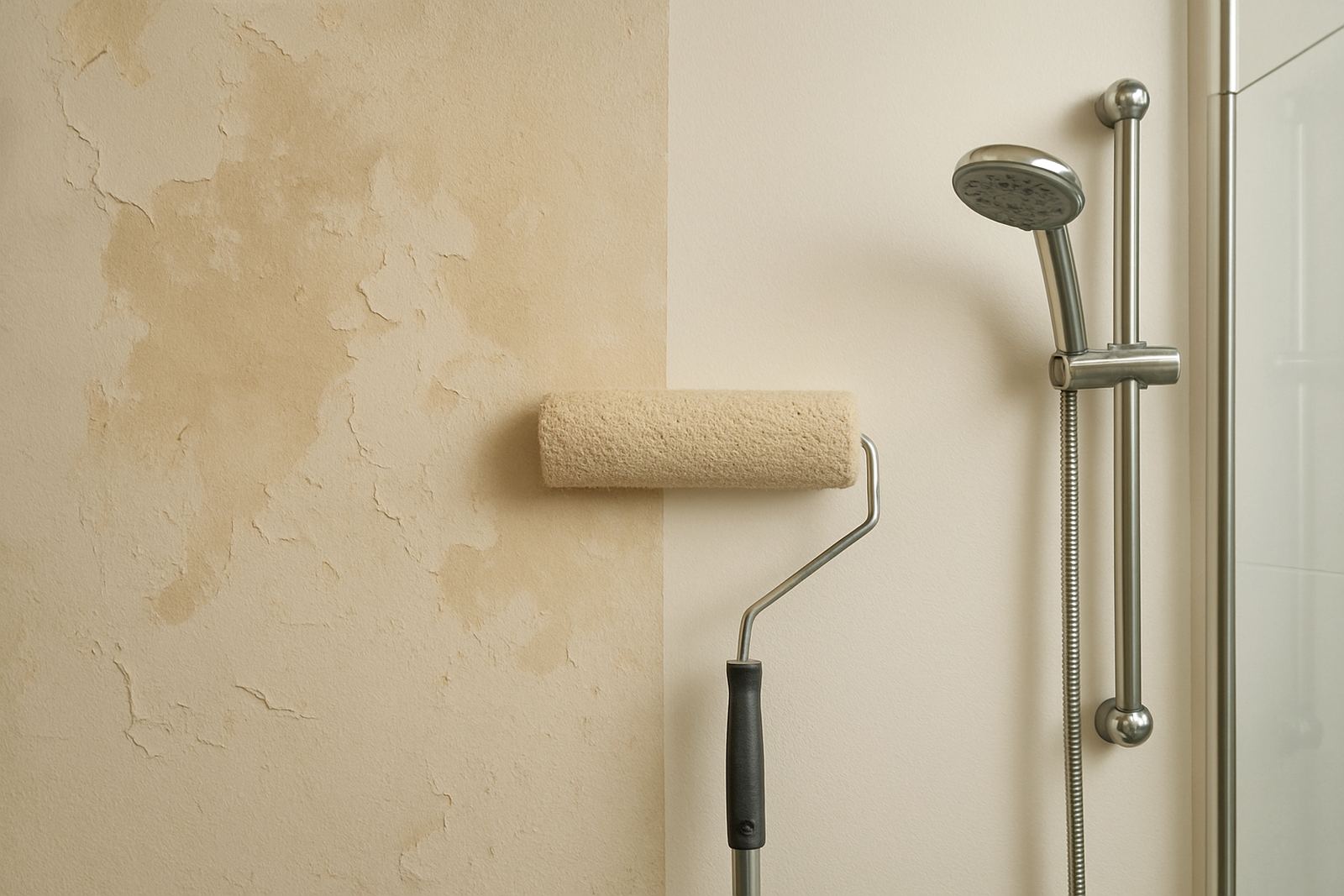
A full repaint is sometimes the cleanest answer, particularly where there are old repairs, water marks or patchy previous touch-ups. For a smaller job, we can help with sample pot mixing, repaint troubleshooting and product recommendations so you know what to use after you leave the counter. That saves time and usually gives a better finish than chasing the same mismatch over and over.
Matching existing paint is never just about colour on a card. It is about the wall, the weather, the history of the surface and how the new paint will sit once it dries. Bring the right sample, ask the practical questions and you stand a far better chance of getting the result you want.