
Match the repaint to how the space is used
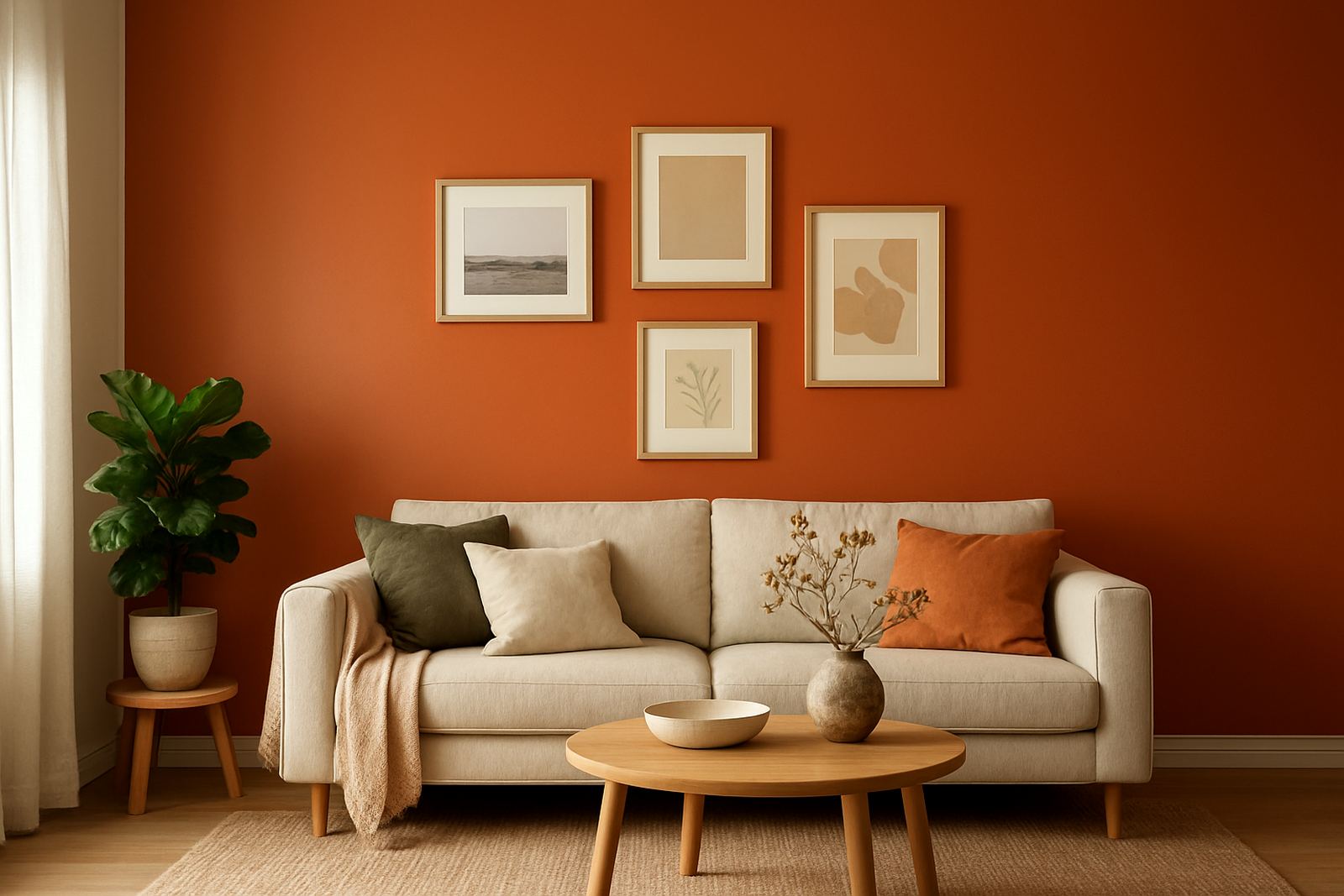
Occupancy matters just as much as weather. A family home, a rented flat, a shop front and a busy office all have different limits. If people need to sleep in the space, work in the space or trade from it, the repaint should be planned in smaller sections and with proper drying time between coats.
For businesses in Sandton, Randburg or Newton Park, repainting after trading hours or over a quiet period is usually easier. For homes, school holidays or a long weekend may be the better option. If you rush a room back into use too soon, scuffs, fingerprints and furniture marks can undo a lot of effort.
- Bedrooms and living areas are easiest to repaint when they can stand empty for 2 to 3 days
- Retail and office spaces need a plan for access, signage and dust control
- High-traffic areas may need quick-dry products and staged work
Interior repainting works best in the drier months
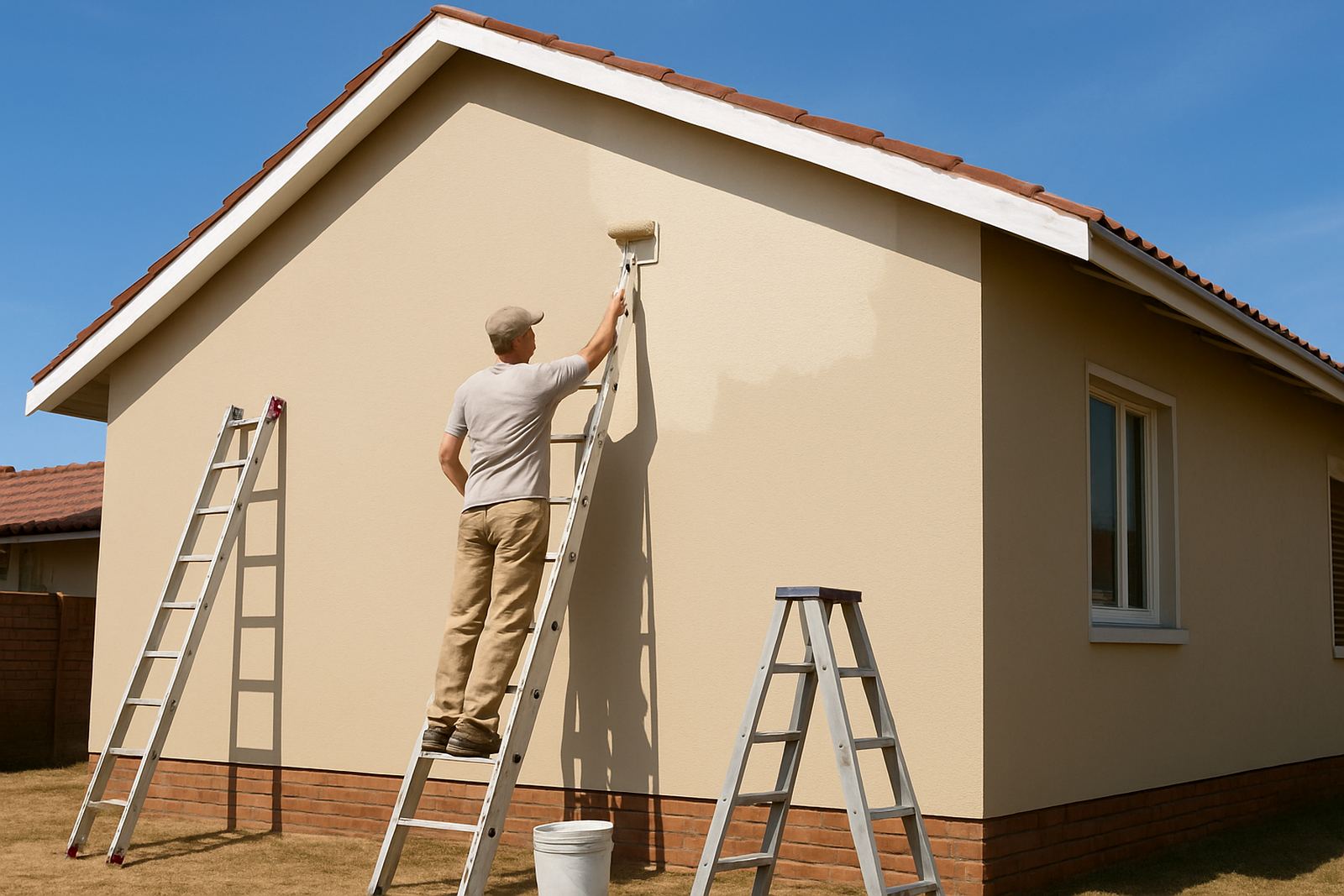
Exterior repainting needs more planning because weather and surface condition both matter. Start by looking for signs that the old coating is failing. Cracking, chalking, blistering and water stains are all clues that the wall needs attention before a new coat goes on. If there is rising damp, leaking gutters or hairline cracks, sort those first or the new paint will not last.
For coastal properties near Gqeberha, salty air and humidity can shorten the repaint cycle on steel, balustrades and unprotected timber. In hot inland areas, strong sun can fade colour faster on west-facing walls. It is better to paint at the right time than to repaint again too soon, and that saves money in the long run.
- Check walls, roofs, gutters and external pipes before painting
- Allow more drying time in humid or shaded areas
- Use the repaint as a chance to fix cracks and seal problem spots
Don’t ignore the prep work before you book the painter
The best time to repaint is also the time when the surface is ready. Preparation takes longer than many people expect, especially on older homes and commercial buildings. Cleaning, patching, sanding and priming can take a full day or more before the first topcoat even starts. Skipping prep to save time usually leads to patchy coverage, peeling or colour variation.
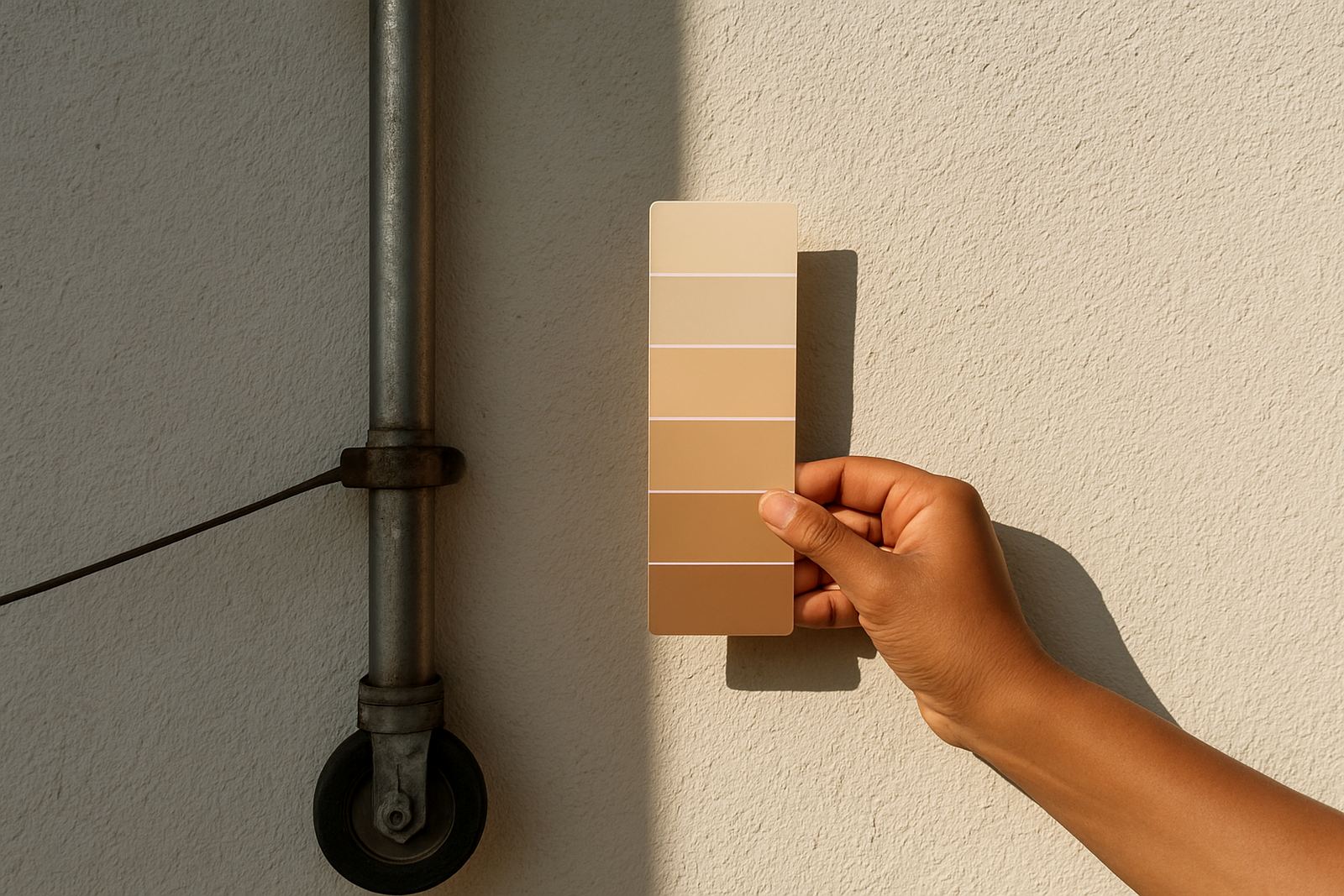
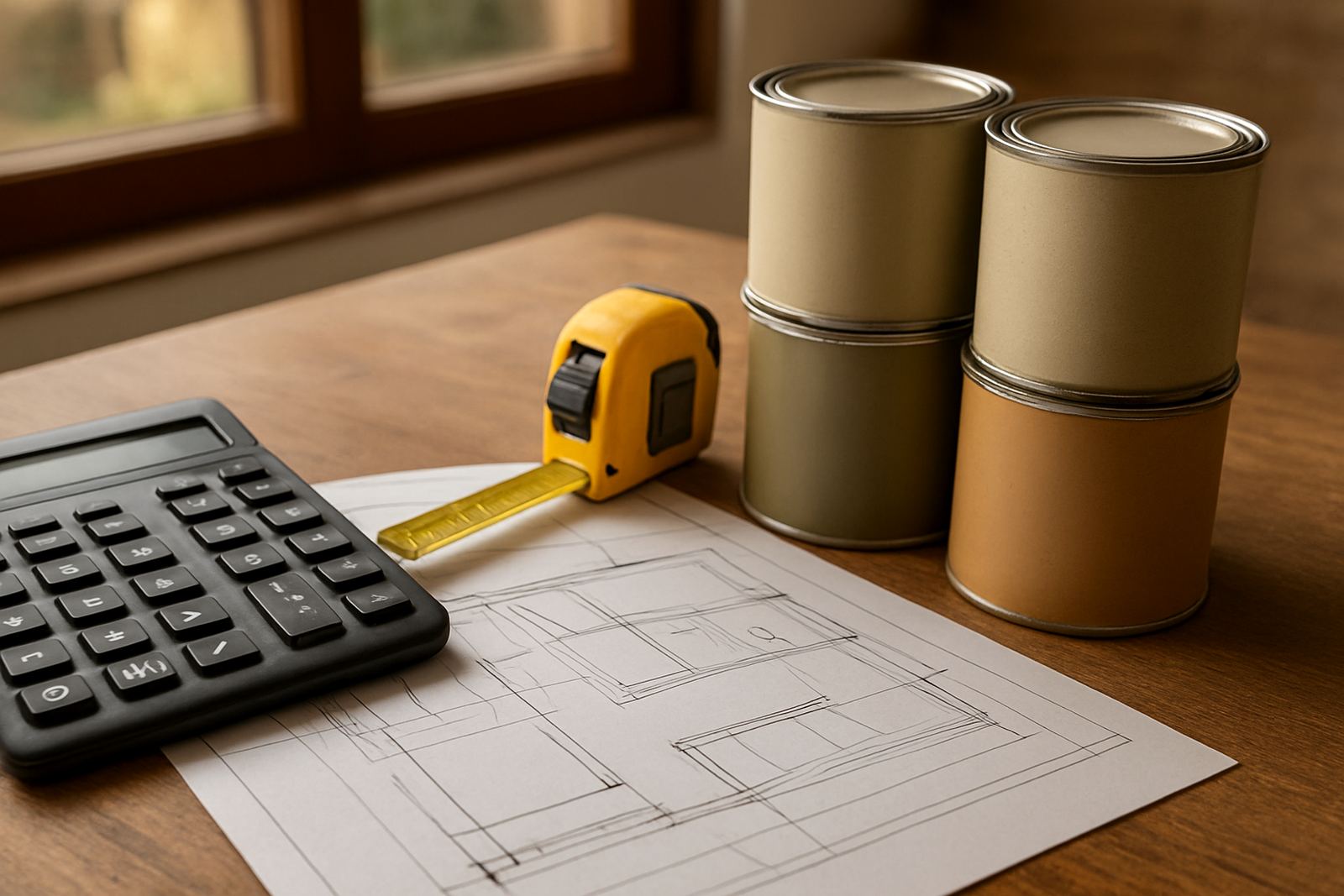
That is where good planning pays off. If you need paint colour matching, sample pot mixing or advice on whether a wall needs primer, get that sorted before the job starts. For contractors and property owners, bulk quantity planning matters too because stopping halfway to fetch extra paint can cause shade changes between batches.
- Wash down dusty or greasy surfaces before painting
- Fill cracks and sand rough areas first
- Prime repaired patches so the finish stays even
A practical local example from Gqeberha
If you are unsure when to start, ask three questions: Is the weather suitable, can the space be left alone long enough, and is the surface ready for coating? If the answer to all three is yes, you are probably at the right moment. If one answer is no, a short delay may save you a lot of trouble.
ColouRight Paints helps with colour matching, repaint troubleshooting, surface prep advice and product recommendations for homes, contractors and businesses across Korsten, Walmer, Newton Park, Sandton, Randburg and Bellville. A good repaint is not only about choosing colour, it is about choosing the right time to do the work.