
Start With Wall Area, Not Room Size
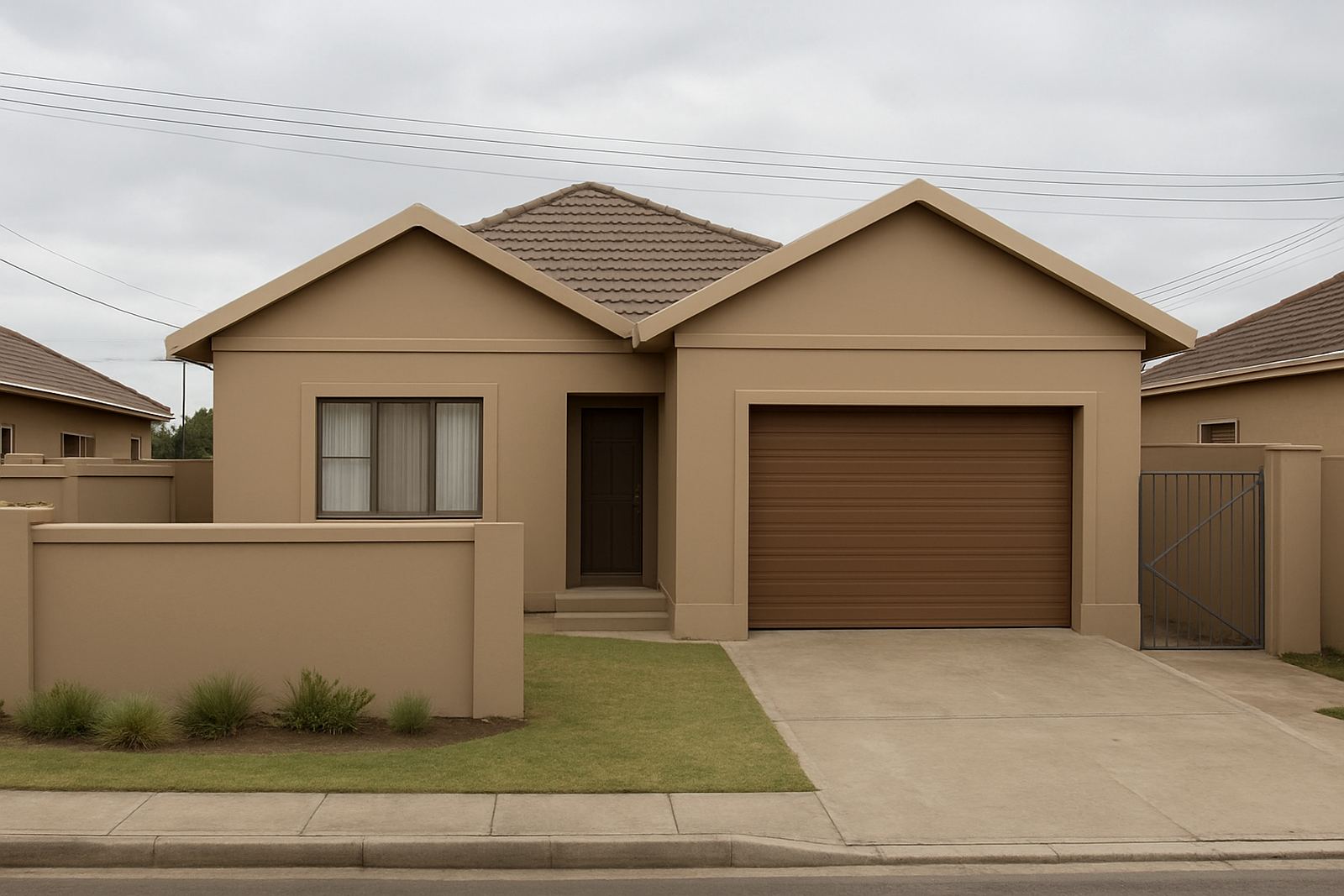
The fastest way to estimate paint is to work out the wall area you want to cover. Measure each wall’s length and height in metres, then multiply to get square metres. Add the walls together, then subtract big openings like doors, large windows and garage doors. A standard room can look small but still take more paint than expected if it has high ceilings or lots of openings.
As a simple guide, one litre of most wall paints can cover about 8 to 12 square metres per coat, depending on the surface and the product. Rough plaster, unpainted surfaces and darker colour changes may use more. Smooth, sealed walls usually use less. If you are not sure, round up a little rather than trying to stretch the last half tin across the whole job.
Know What Changes the Amount You Need
Paint coverage is not the same on every wall. A freshly plastered wall in Newton Park will behave differently from a previously painted interior in Walmer, and an exterior wall near the coast will often need more care because of wind, salt air and moisture. If the wall is porous, dusty or patched, it will drink more paint. If you are covering a strong colour with a light one, plan for an extra coat.
- Surface texture: rough brick and textured plaster use more paint than smooth drywall.
- Previous colour: deep reds, blues and greens may need more coats to cover properly.
- Sheen level: some finishes spread differently, especially on fresh surfaces.
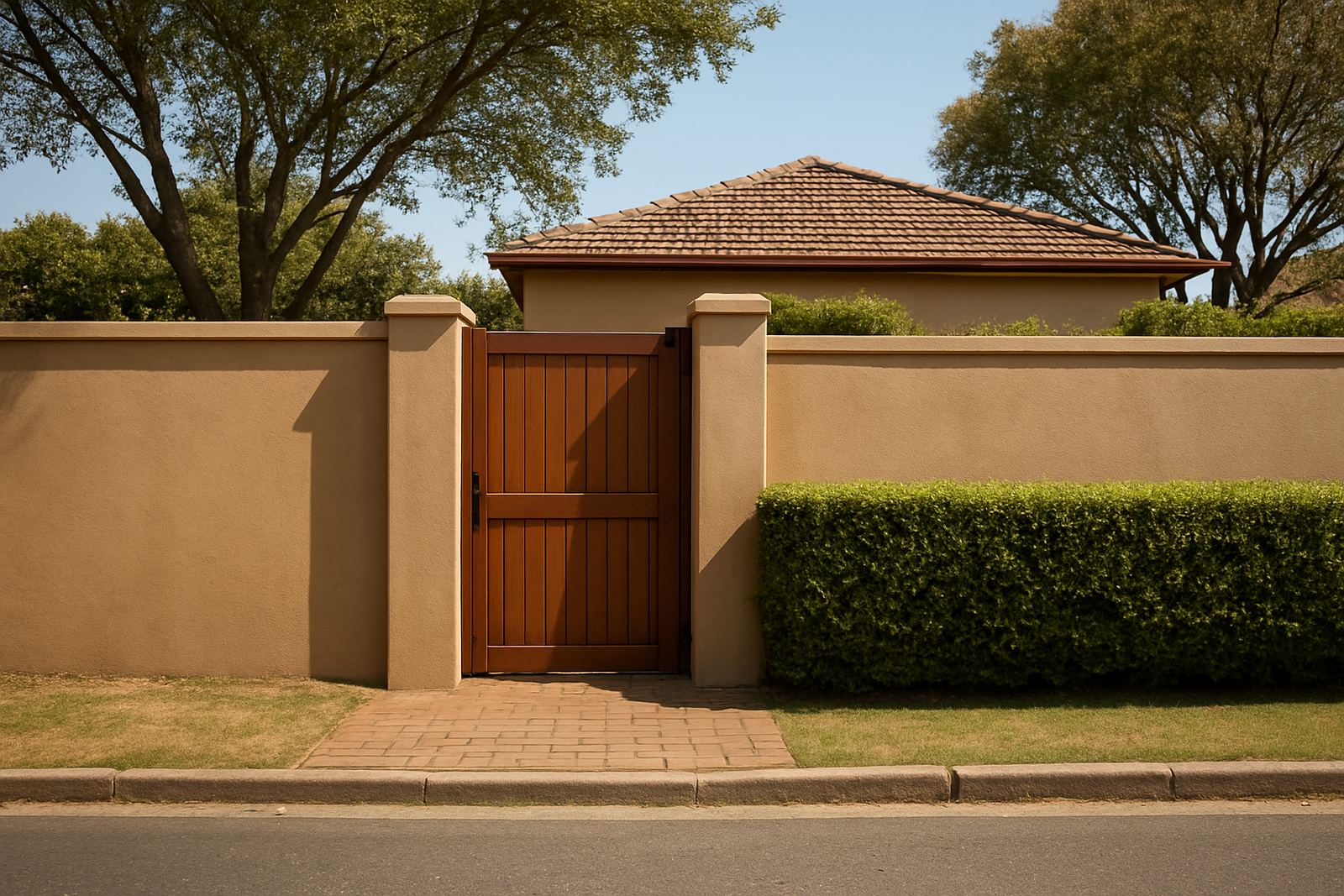
- Weather exposure: exterior areas in humid or coastal spots can need better preparation and more careful application.
- Application method: rollers, brushes and spray work can all affect how far paint goes.
A Simple Room Estimate You Can Use
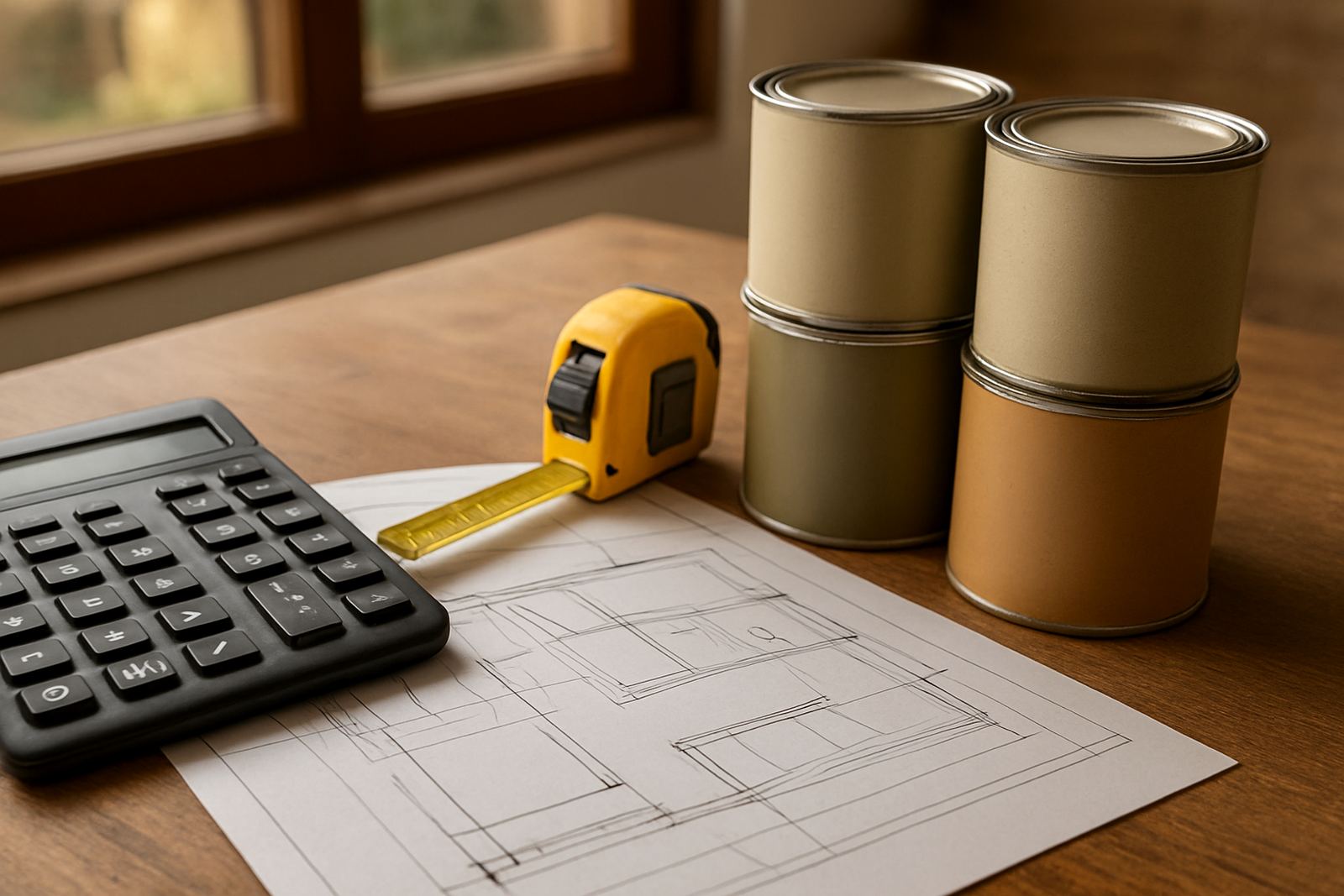
For a basic bedroom, living room or office, use this method. Measure the room, work out the wall area, then use the coverage rate on the paint tin. For example, a room that measures 4 m by 3 m with 2,4 m high walls has 33,6 square metres of wall area before deductions. If you subtract a door and one window, you may land near 28 to 30 square metres. Two coats would then need about 6 to 8 litres, depending on the paint and the wall condition.
That is why so many projects in Gqeberha start with a quick measurement rather than a guess. It helps when ordering for a house in Korsten, a shop fit out in Sandton or a repaint job in Bellville. A small miscalculation can leave you short at the end of the day and cost more in fuel and time.
- Measure each wall in metres.
- Multiply length by height for each wall.
- Subtract openings larger than a cupboard door.
- Check the tin for estimated coverage per litre.
- Allow for two coats unless the surface is already close to the new colour.
Don’t Forget Primer, Sealer and Patch Work
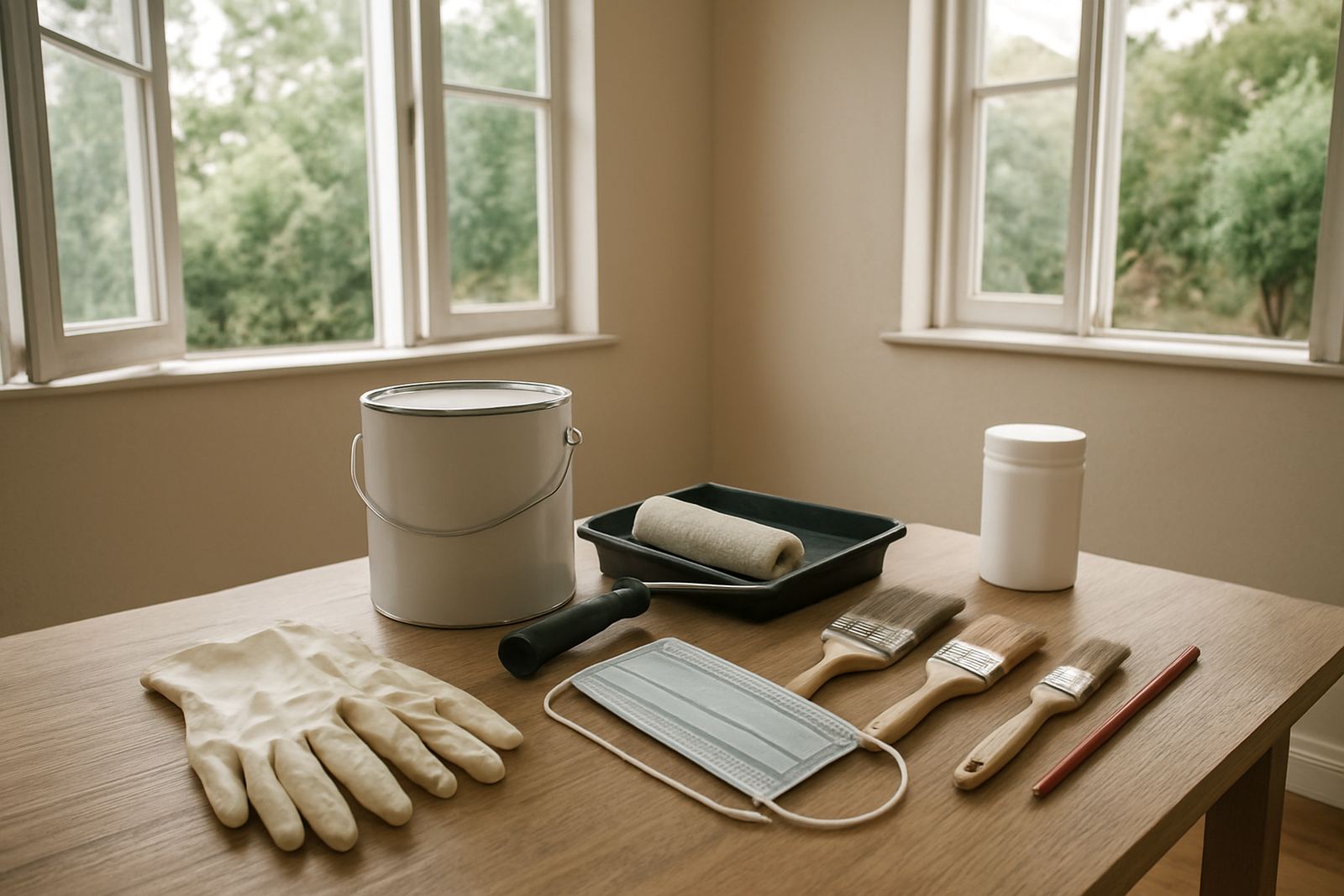
Paint quantity is only part of the job. If the wall is new, patched or stained, you may need primer or sealer before the topcoat. That changes the quantity you should buy, because primer adds an extra layer and can also improve topcoat coverage. On repair jobs, patching compounds and crack fillers can mark the surface and soak up paint differently from the rest of the wall.
In practice, many repaint jobs need more product than the homeowner expected because the prep was not counted. A stained ceiling, smoke marks or water damage can all increase usage. If you are covering repairs after a leak or salt damp, it is worth asking for repaint troubleshooting advice before you place the order.
Bulk Jobs Need Better Planning
For contractors, property managers and shopfitters, the question is not only how much paint you need today, but how much to keep on site for touch ups and follow up coats. Bulk quantity planning helps avoid delays on jobs with multiple rooms, repeated colour runs or staggered finishing dates. This matters even more when load-shedding interrupts work and you need to pack up between coats.
For larger projects, keep a clear list of the following:
- Room or area measurements in metres.
- Product type and finish for each area.
- Number of coats planned per surface.
- Primer or sealer requirements.
- Extra paint for repairs, touch ups and future maintenance.
If you are buying for more than one site, it is also worth separating interior and exterior quantities so you do not underorder the weather-exposed areas.
Get the Colour Right Before You Buy Too Much
A paint estimate is more useful when the colour has already been checked. A sample pot can save a lot of money if you are choosing between two similar shades or matching an existing wall. Colour matching is especially helpful when you need to blend a new section into an older room, or when a business wants consistent colour across branches in different towns.
At ColouRight Paints in Korsten, Gqeberha, the team can help with colour matching, sample pot mixing and product recommendations before you place a full order. That is handy for homeowners in Walmer and Newton Park, as well as trade customers ordering from Joburg or Cape Town branches. If you are not sure whether 5 litres or 20 litres will do the job, a proper estimate and colour check together will save a lot of waste and frustration.