
Start With Fresh Air, Not Just Fresh Paint
Before the first brush is loaded, open windows and doors in the room you are painting. Good airflow helps fumes clear faster and it keeps the air more comfortable if you are working for a few hours at a time. In smaller homes and flatlets, use a fan to move air out of the room, but point it so it does not blow dust onto wet paint.
If you are painting in Korsten or any other busy area where traffic dust is common, give the room a quick clean first. Dust, pet hair and fine grit can stick to fresh paint and create a rough finish. It is also better to paint earlier in the day when temperatures are milder, because strong afternoon heat can make paint skin over too quickly.
Choose Safer Products And Read The Label Properly
Not every product is used the same way, so read the label before you start. Some paints need thinning, some do not. Some primers are water-based, while others are solvent-based and need more ventilation. If you are painting bedrooms, kitchens or a child’s room, ask for product recommendations that suit the room and the surface.
For safer home painting, look for these basics on the container:
- Recommended ventilation instructions
- Drying time before a second coat
- Coverage rates per litre
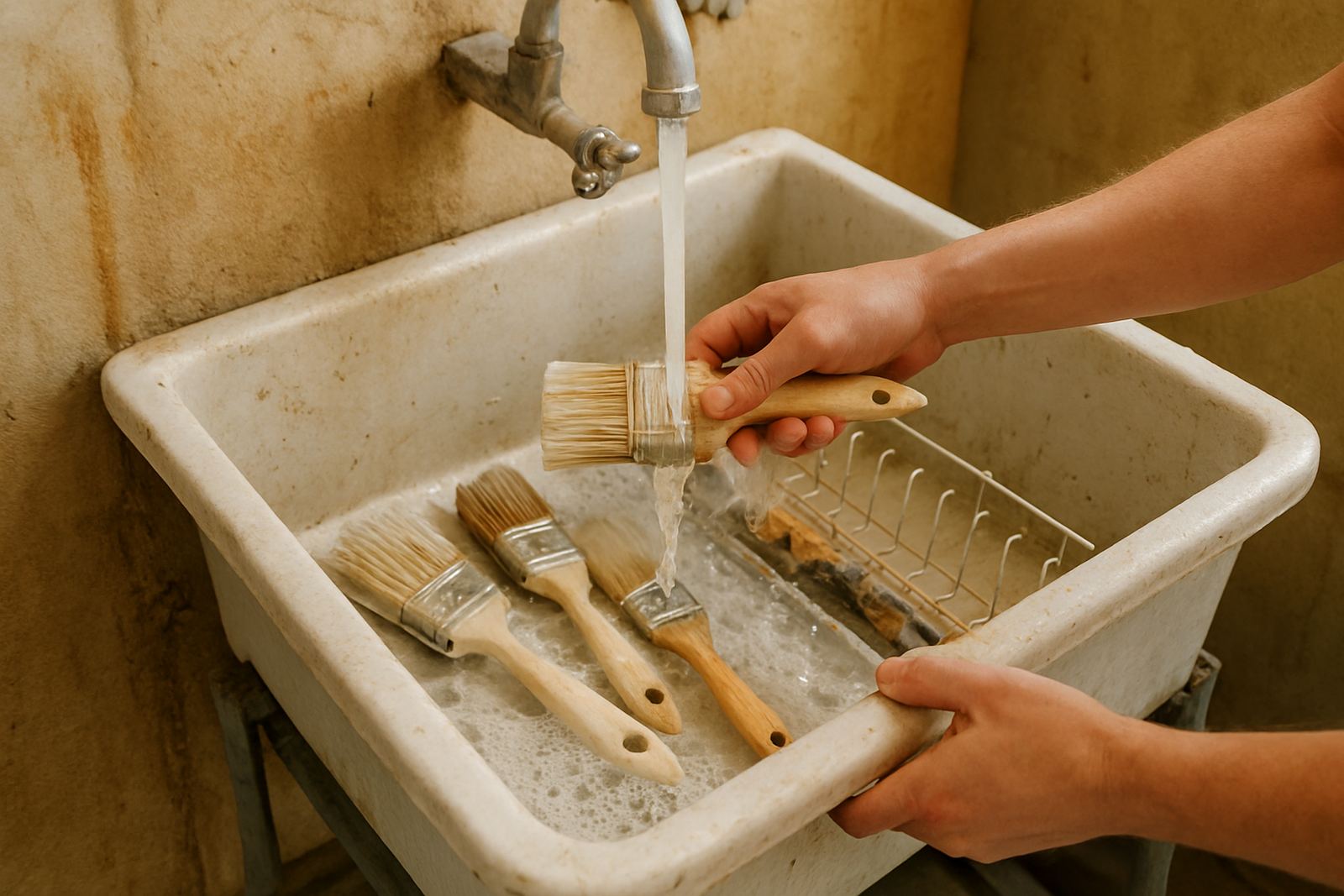
- Cleaning method for brushes and rollers
- Storage instructions after opening
If you are unsure about a stain, an old water mark or a patchy wall, a short repaint troubleshooting discussion can save you from using the wrong product twice.
Protect Skin, Eyes And Clothes Before You Open The Tin
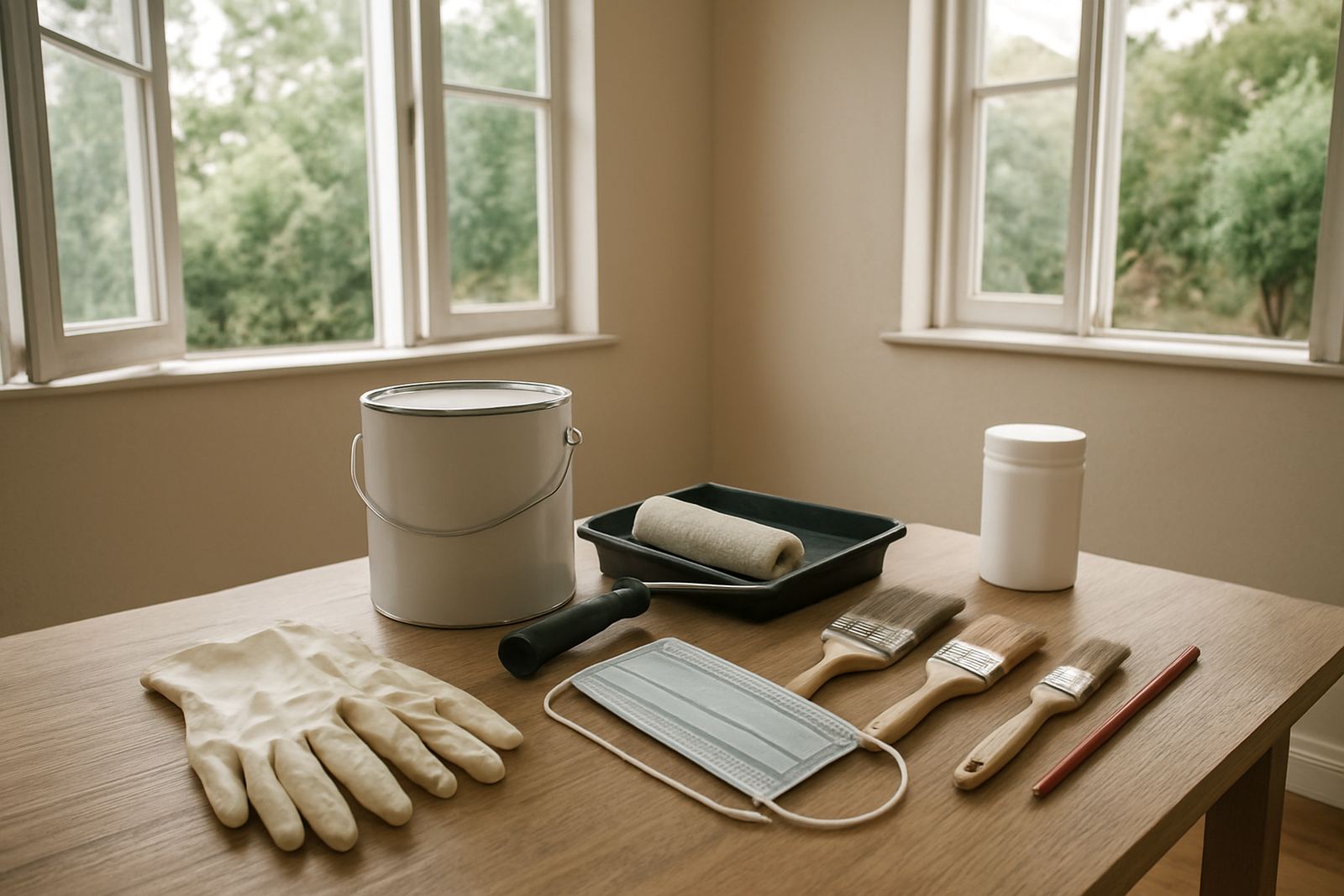
Home painting often gets messy, so a few simple precautions help a lot. Wear gloves when handling primers, thinners and strong cleaners. If you are sanding old paint or working overhead, use eye protection. Older homes may still have flaky layers that need care during surface prep, and that dust should not go into your eyes or onto your skin.
Clothing matters too. Long sleeves and closed shoes are better than shorts and sandals when you are moving around with open tins and tools. Keep a damp cloth handy for small spills, and do not wait until paint has dried on your hands because it becomes harder to remove.
- Keep children out of the room while painting is underway
- Keep pets away from wet floors, brushes and trays
- Use a step ladder only on level ground
- Do not stand on loose crates or chairs
Store Paint Tins Correctly So They Stay Safe And Usable
Paint storage is often overlooked, but it matters for safety and for future touch-ups. Keep tins tightly closed, wiped clean around the lid and stored upright in a cool dry place. Garages and outside storerooms can get very hot in summer, and coastal humidity can affect lids, labels and the paint itself if tins are left open.
If you have leftover paint, write the room name, colour and date on the tin. That makes later matching easier, especially when you need a small top-up for a living room wall or a repaired section near a door frame. If the tin is only half full, place plastic wrap over the opening before sealing it to reduce skinning. Never pour leftover paint into drains or onto bare ground.
For homes with limited space, keep paint away from food, gas cylinders and direct sunlight. If you are planning bulk quantity for a larger repaint, ask for help with quantity planning so you do not end up storing more than you can manage safely.
Safer Painting Routines For Kitchens, Bathrooms And Bedrooms
Different rooms need different care. Kitchens and bathrooms often have steam, grease and cleaner residue on the walls, so surface prep should include proper washing and drying before any primer or paint goes on. Bedrooms need extra ventilation because people often sleep in them soon after the job is done, so give the room time to air out fully before closing windows for the night.
A sensible routine looks like this:
- Wash or dust the wall and let it dry fully
- Mask switches, fittings and floor edges
- Stir paint well before use
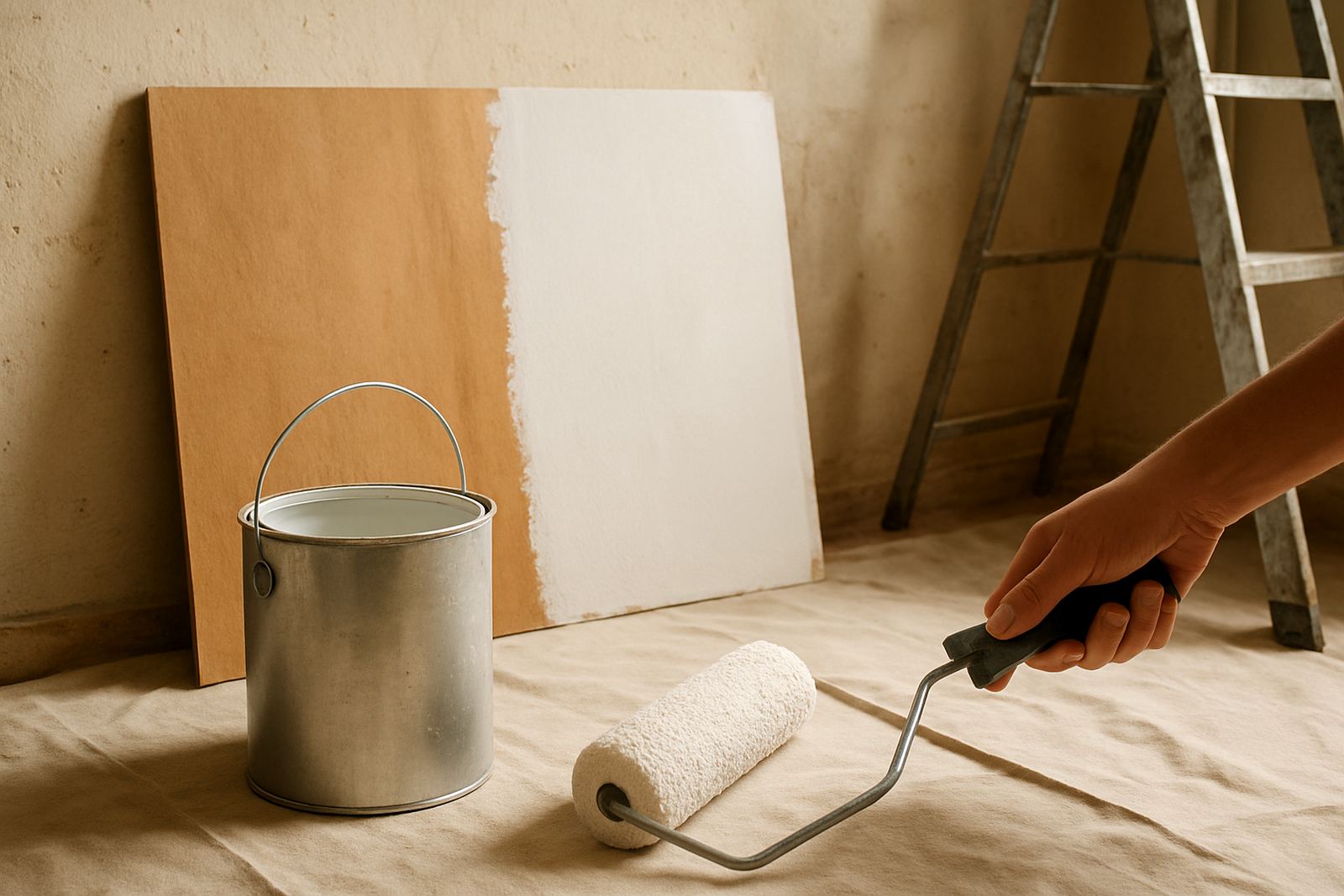
- Test a small area first if the wall has staining or repairs
- Allow each coat to dry as directed before the next one
If the room has poor airflow, do one wall at a time and take breaks. That is especially useful in summer when the heat builds up quickly indoors.
A Gqeberha Example: Painting A Family Room In Korsten
A common local job is a family room in Korsten where the walls have old patch repairs, a little humidity staining and a few uneven touch-ups from earlier years. In a case like that, the safest and cleanest result starts with checking the surface, choosing the right primer and making sure the windows stay open while painting. A quick colour consultation can help you avoid a shade that looks too cold in the afternoon light.
For a room like this, a good plan is to mix a sample pot first, test it on two walls and look at it in morning and late afternoon light. Gqeberha light can change the feel of a colour quite a bit, especially near windows. Once the colour is confirmed, you can plan the repaint in stages so the room stays usable and the family is not walking through wet paint.
Trade order support also helps when a contractor or homeowner needs several tins, sample pots and prep products delivered together. That saves repeat trips and keeps the job moving.
When To Ask For Help Before You Start Painting
Some jobs are simple, but not every wall is a straightforward weekend project. If you are dealing with peeling layers, recurring stains, damp patches, cracked plaster or a colour change from very dark to very light, it is better to get advice before you start. The wrong product can trap moisture, show marks through the finish or waste money on extra coats.
Ask for help if:
- You are not sure whether the old coating is water-based or solvent-based
- The wall keeps getting stains after cleaning
- You need a safe plan for repainting a child’s room or kitchen
- You are matching an existing colour for a repair
- You need contractor account help for a larger home or body corporate job
Painting at home should feel manageable, not stressful. With the right ventilation, sensible storage and a careful routine, the job is safer for everyone in the house.