
Start With the Fixed Parts You Cannot Change
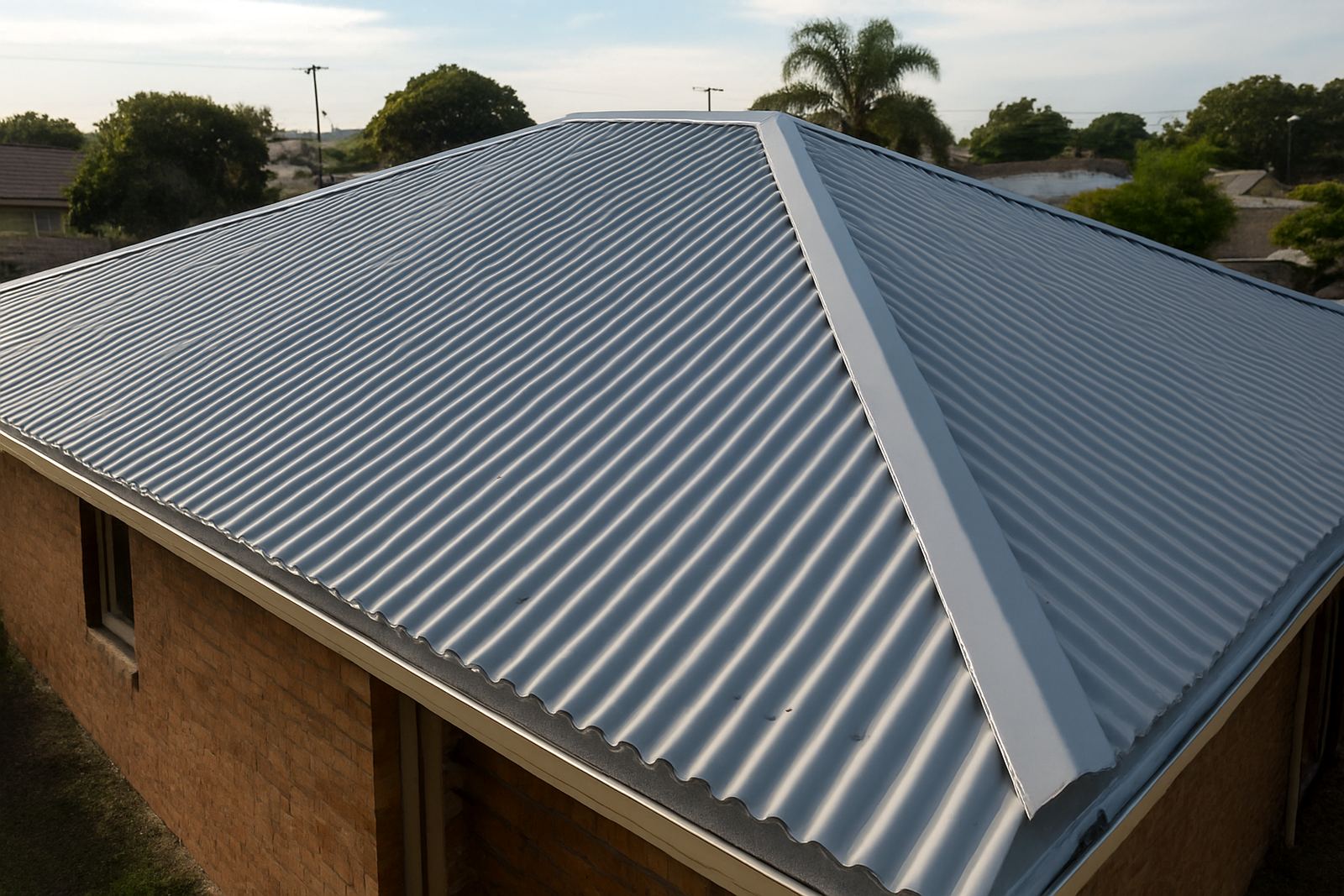
Before you sample a wall colour, look at what will stay in place for years: the roof, paving, gutters, boundary wall, window frames and any stone or facebrick. These features already set the tone, so the paint should work with them instead of fighting them. A charcoal roof, for example, can take warm off-whites, soft greys and muted greens quite well, while red paving often needs a calmer wall colour so the front of the house does not feel busy.
In Gqeberha and other coastal areas, many homes sit close to the sea breeze and harsh sun, so a colour that looks clean in the shop can appear washed out outside. Hold sample pots against the wall in morning light and again in late afternoon. That is when you will see if the shade clashes with your roof or if it settles nicely with the surroundings.
- Match the wall colour to the roof temperature: warm roof, softer warm walls or balanced neutrals.
- Check the undertone of paving and boundary walls, not just the main colour.
- Look at the colour from the street, the driveway and the front door approach.
Use the Street and Neighbours as a Guide, Not a Rule
Your home should suit the street it sits on. A bright, high-contrast finish may work on a modern townhouse cluster in Sandton, while a quieter palette may be better in established suburbs like Walmer or Newton Park where buyers expect a more settled look. The aim is not to copy the neighbour next door, but to pick colours that sit comfortably in the area.
If most houses around you use cream, grey or muted beige, a strong navy or deep green can still work as an accent, but it may be too much as the main body colour. In resale terms, the safest exteriors are often the ones that feel tidy, fresh and easy to live with. Buyers want to picture themselves there without thinking about repainting straight away.
- Keep bold colours for a front door, feature wall or shutters if you want personality.
- Choose main wall colours that do not date quickly.
- Consider what estate agents in your area often describe as “move in ready” rather than trendy.
Choose Shades That Stand Up to Sun, Dust and Coastal Air
Exterior paint has a hard life in South Africa. Strong sun can fade dark colours faster than many homeowners expect, while windblown dust can make very pale colours look dirty sooner. Near the coast, humidity and salt in the air can also affect the finish if the surface prep is poor. That means the best colour is not only attractive, it also ages well.
For homes in Korsten or along the Gqeberha side, many people lean toward mid-tone neutrals, soft greys, sandstone shades and off-whites with a little warmth. These colours hide weathering better than stark white and they usually stay looking neat for longer. Dark colours can still be used, but often in smaller areas where fading will not be as obvious.
- Light to mid-tones often hide dust better than pure white.
- Very dark colours can heat up exterior walls and show sun fade sooner.
- On coastal properties, surface prep and the right primer matter just as much as colour choice.
Think About Roof Colour, Driveway Paving and Boundary Walls Together
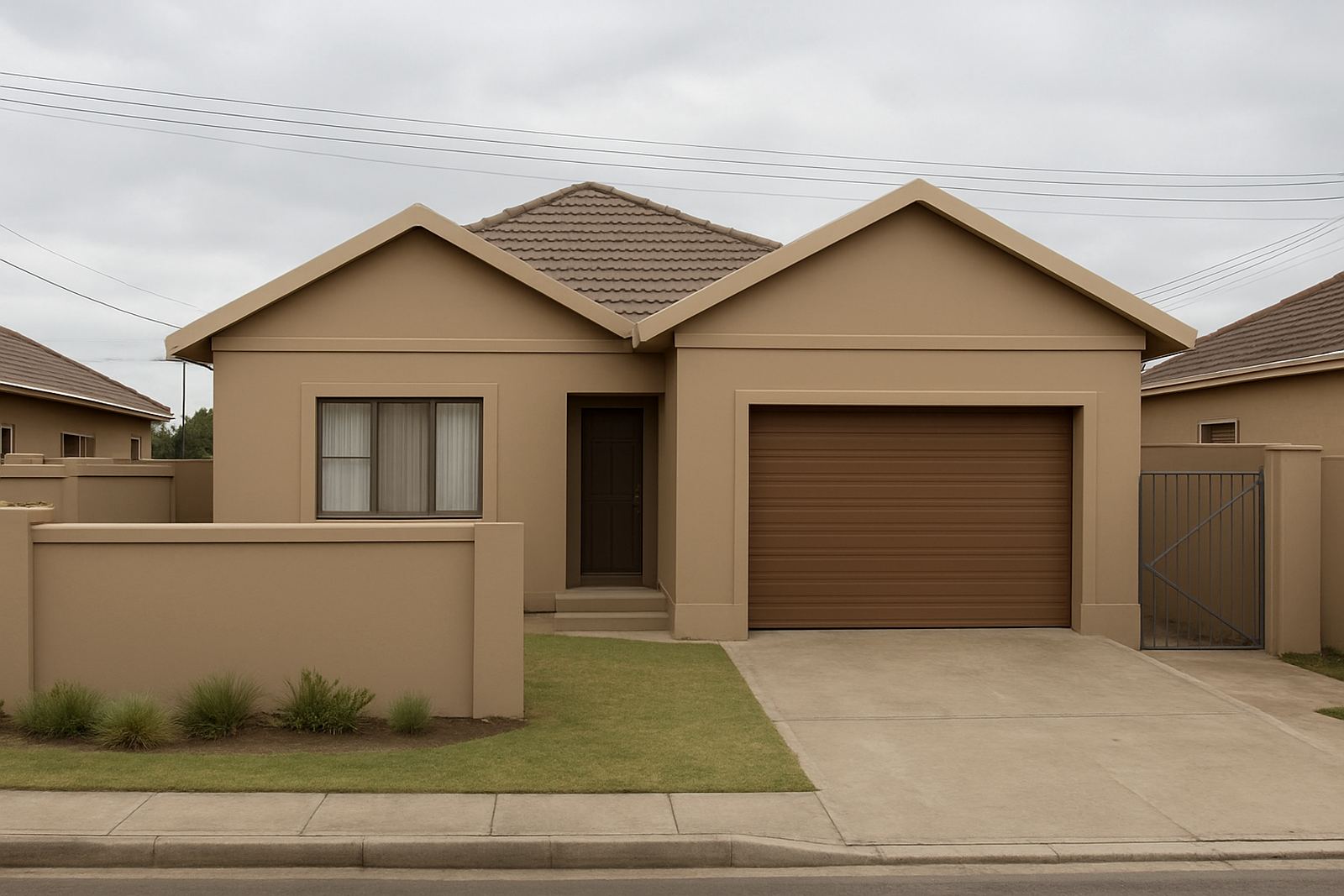
A common mistake is choosing wall paint in isolation. The roof and paving take up a lot of visual space, so the exterior should be planned as one picture. A terracotta roof usually calls for warmer neutrals, soft taupes or light stone shades. A grey or charcoal roof is easier to pair with cooler colours, but it can also suit creamy whites if the trim is kept simple.
If the driveway paving is busy, with several tones in the brick or stone, keep the main wall colour quieter. If the paving is plain, you have more freedom on the walls. This matters for repainting too because a poor colour pairing can make an otherwise good job look untidy and older than it is.
- Use one main body colour, then one or two supporting colours for trims and detail.
- Test samples near the roof line and near the paving, not only on a shaded back wall.
- Make sure the boundary wall colour does not clash with the house colour.
Pick Colours That Help the Property Sell Later
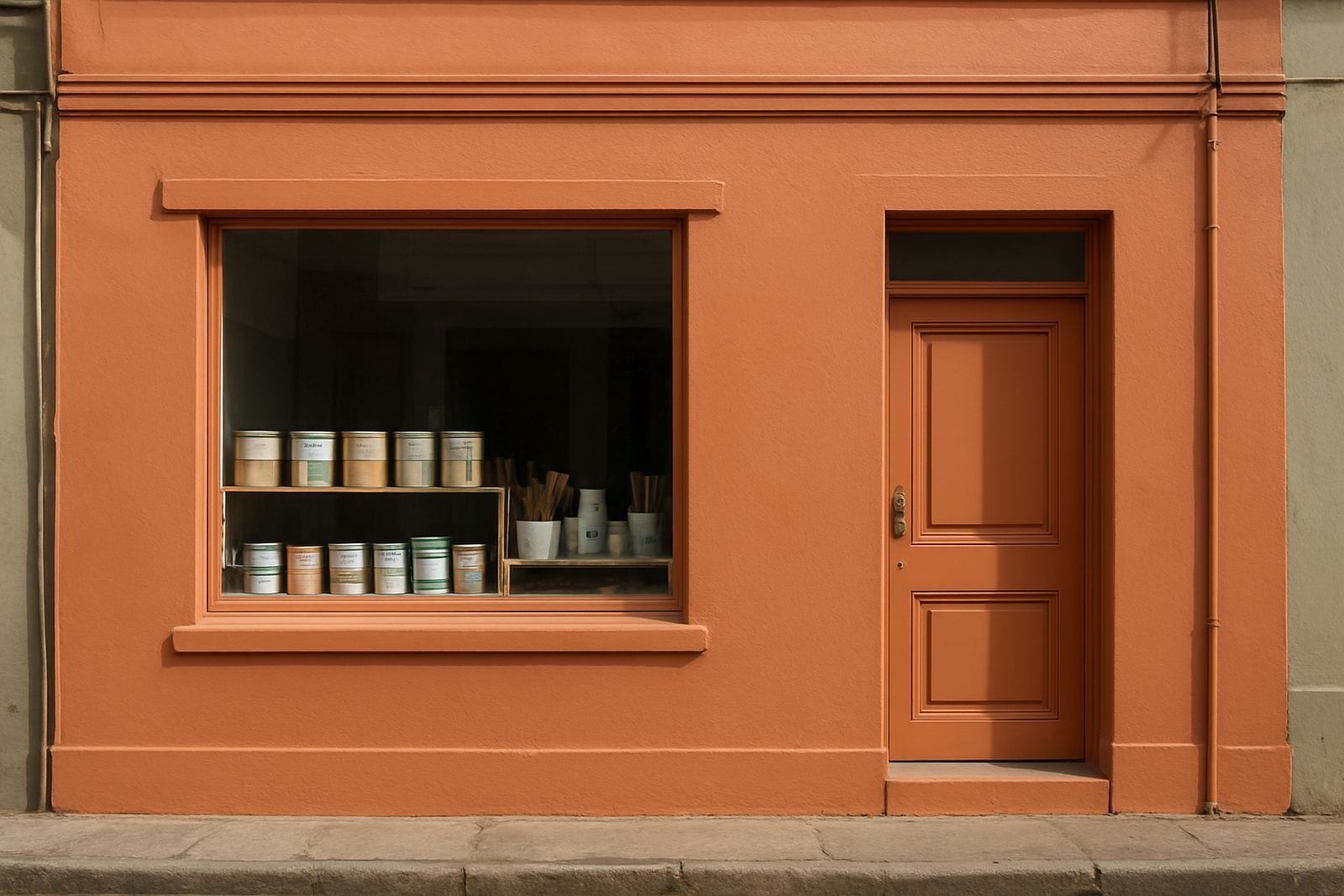
Resale appeal often comes down to restraint. Buyers usually respond well to exteriors that look cared for and easy to maintain. That does not mean every home must be beige. It means the colour should feel current without being extreme. Soft white, warm grey, pale stone, muted sage and light greige are popular because they let buyers focus on the size, light and condition of the property.
For an investment property or a home you may sell within a few years, avoid very personal shades on large surfaces. Strong colour can work inside a house, but outside it can narrow the buyer pool. A practical rule is this: the more permanent the surface, the more neutral the colour should be.
In one Gqeberha repainting project, a homeowner in Walmer wanted a darker green exterior because the garden was full of trees. After testing, a softer grey-green was chosen instead. It still suited the trees, but the house looked lighter and the front wall did not compete with the roofline. The result felt calm and was easier to market later if needed.
Test Samples Properly Before You Buy the Full Quantity
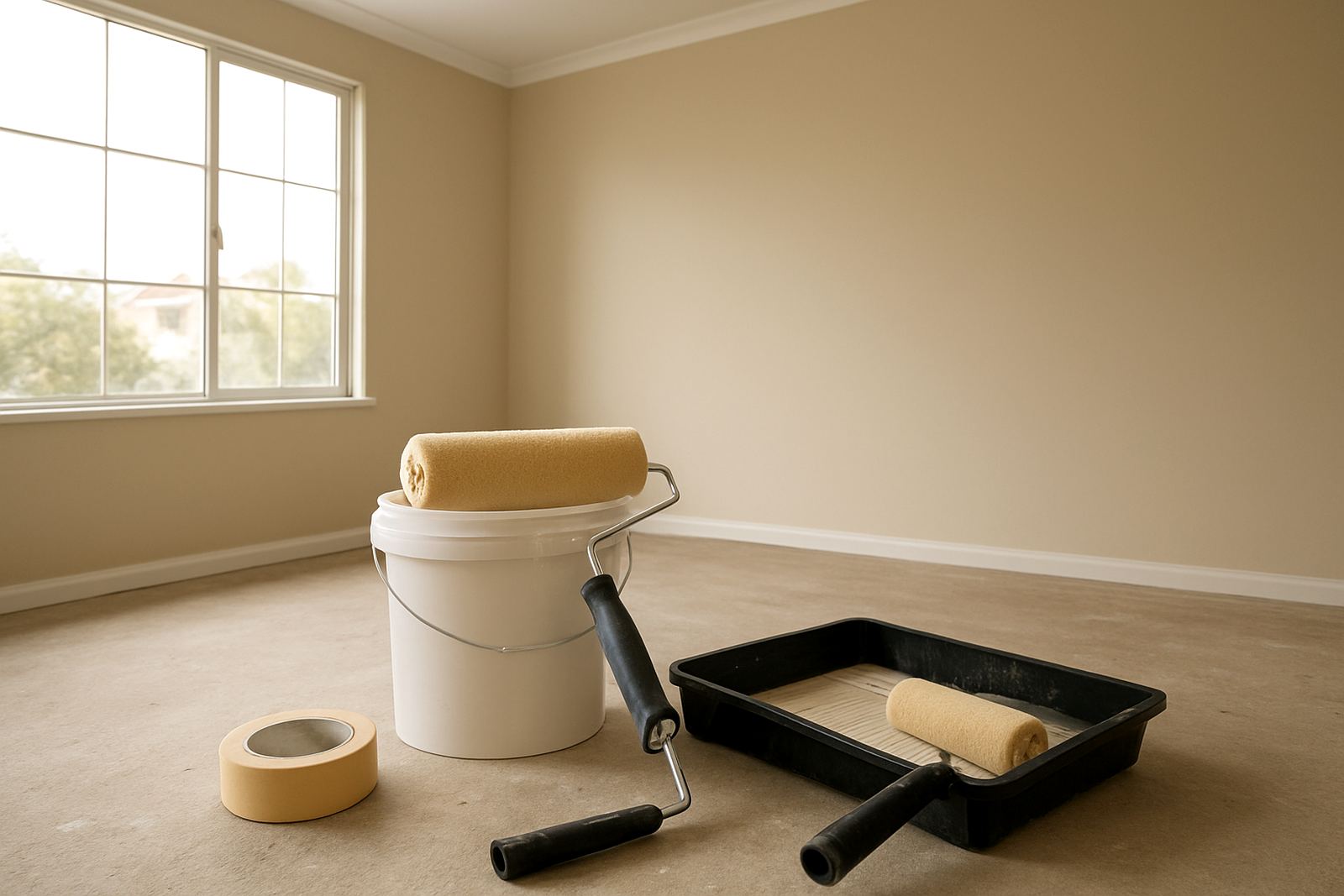
Do not trust a colour strip alone. Exterior colour changes with light, weather and surface texture, and the same colour can look different on smooth plaster, rough plaster or fibre cement. Sample pots are worth the small cost because they save expensive repainting later. Paint at least two coats on a board or a decent patch of wall and move it around the property during the day.
When you test, stand back. A colour that looks good up close may feel too cold or too bright once it covers the full wall. Also check it when the weather changes, because overcast coastal light can make some shades appear duller than expected. If you are unsure, a colour consultation and proper tinting advice can save a lot of time and money.
- Test on more than one wall, especially a wall in sun and one in shade.
- View samples in morning, midday and late afternoon light.
- Ask about repaint troubleshooting if the existing colour is bleeding through or affecting the finish.