
Start with the house, not the swatch
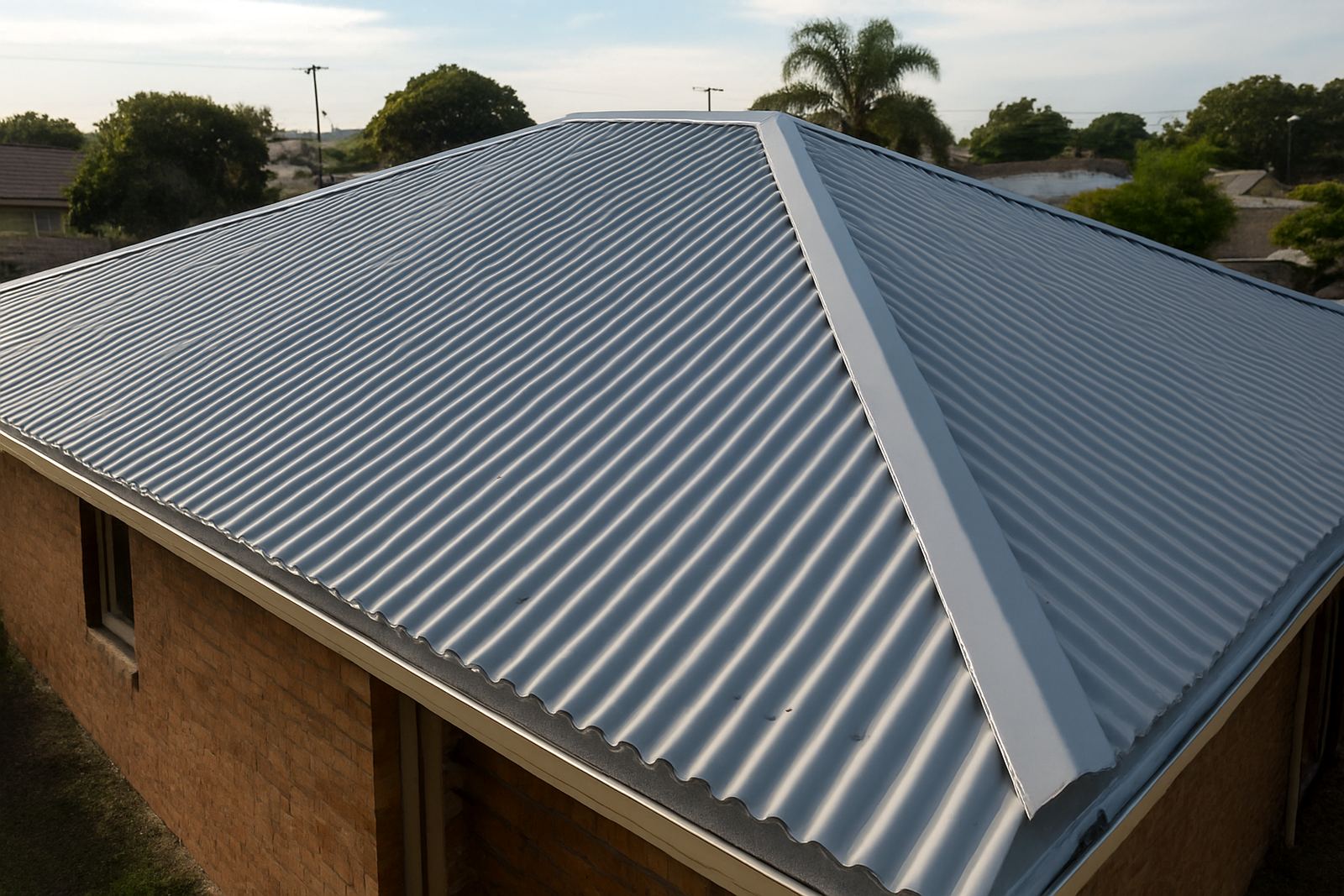
When a roof is easy to see from the street, the colour should work with the walls, gutters, fascias, paving and boundary walls as one picture. A roof that clashes with the brickwork or painted walls can make a neat home look untidy, even if the paint job is good. This is especially noticeable on corner stands and properties with high street frontage in places like Korsten, Walmer and Newton Park.
Before choosing a shade, look at the fixed features first. Roof tiles, metal sheets, face brick, aluminium windows and paving all have their own undertones. Warm reds, browns and terracotta tones usually sit well with cream, beige and earthy walls. Greys, charcoal and muted greens can suit modern finishes, but they need proper sampling in daylight because they can look lighter or darker depending on the angle and sun.
- Check the wall colour in morning and late afternoon light.
- Look at the roof from the street, not only from the yard.
- Keep strong contrast for special features, not the whole roof unless the house suits it.
Think about heat, glare and the local climate
In South Africa, roof colour has a practical side. Lighter roofs usually reflect more sunlight, which can help reduce heat build-up in rooms under the roof. Darker colours absorb more heat and can make upper rooms warmer, especially where insulation is poor or the ceiling space is small. In summer, that difference is noticeable in older homes and upstairs bedrooms.
Coastal humidity in Gqeberha and Cape Town also matters. Salt air can show up faster on poorly prepared roofs, and darker colours can sometimes make patchy repairs stand out more. In Joburg, winter mornings and stronger afternoon sun can affect how a colour reads from the ground. A shade that looks calm in the shop may look far brighter outside, so sample it on a full sheet or a test section first.
- Lighter colours help with heat, but show dust and staining more easily.
- Darker colours hide some dirt, but may make the roof warmer.
- Always check how the colour looks in full sun and under cloud cover.
Match the roof finish to the material
Not every roof takes colour in the same way. Steel roofs, fibre-cement sheets, concrete tiles and previously painted surfaces each need the correct product and preparation. If the wrong finish is used, the colour may fade unevenly, chalk off, or peel sooner than it should. That leads to extra cost and more downtime for the homeowner or contractor.
For older roofs, repainting is often about more than colour. Rust treatment, crack repair, moss removal and proper cleaning all affect how the final shade looks. A red oxide primer under a topcoat can change the depth of the colour, while a light primer may brighten the finish. If there are water marks or repairs, ask for advice before tinting a sample so the final result is more accurate.
- Metal roofs often need rust protection before the colour coat.
- Concrete tiles may need sealing if they are porous or powdery.
- Always confirm whether the product is for exterior roof use and not just general exterior walls.
Use colour to suit the street and the suburb
Roof colour should respect the setting of the property. A home in a neat established suburb may call for a restrained roof colour that supports the architecture, while a newer build can sometimes carry a stronger tone. In areas with active homeowners associations or estate rules, there may be limits on gloss level, shade family or reflective finish. Municipal requirements can also affect visible changes on properties close to heritage areas or main roads, so it is worth checking before placing a big order.
For a practical local example, think of a townhouse in Walmer with pale walls, aluminium windows and a small front garden. A mid grey roof might suit it if the boundary wall is also light and the house has modern lines. But the same colour on a home with exposed clay brick and dark timber details may feel cold. In Korsten and surrounding areas where houses get strong sun and dust from traffic, many owners prefer shades that do not show every mark within a week.
When a roof is highly visible from the road, choose a colour that lifts the property without shouting for attention. That usually means testing 2 or 3 close shades, not jumping straight to the darkest or brightest option.
Test samples the right way before you commit
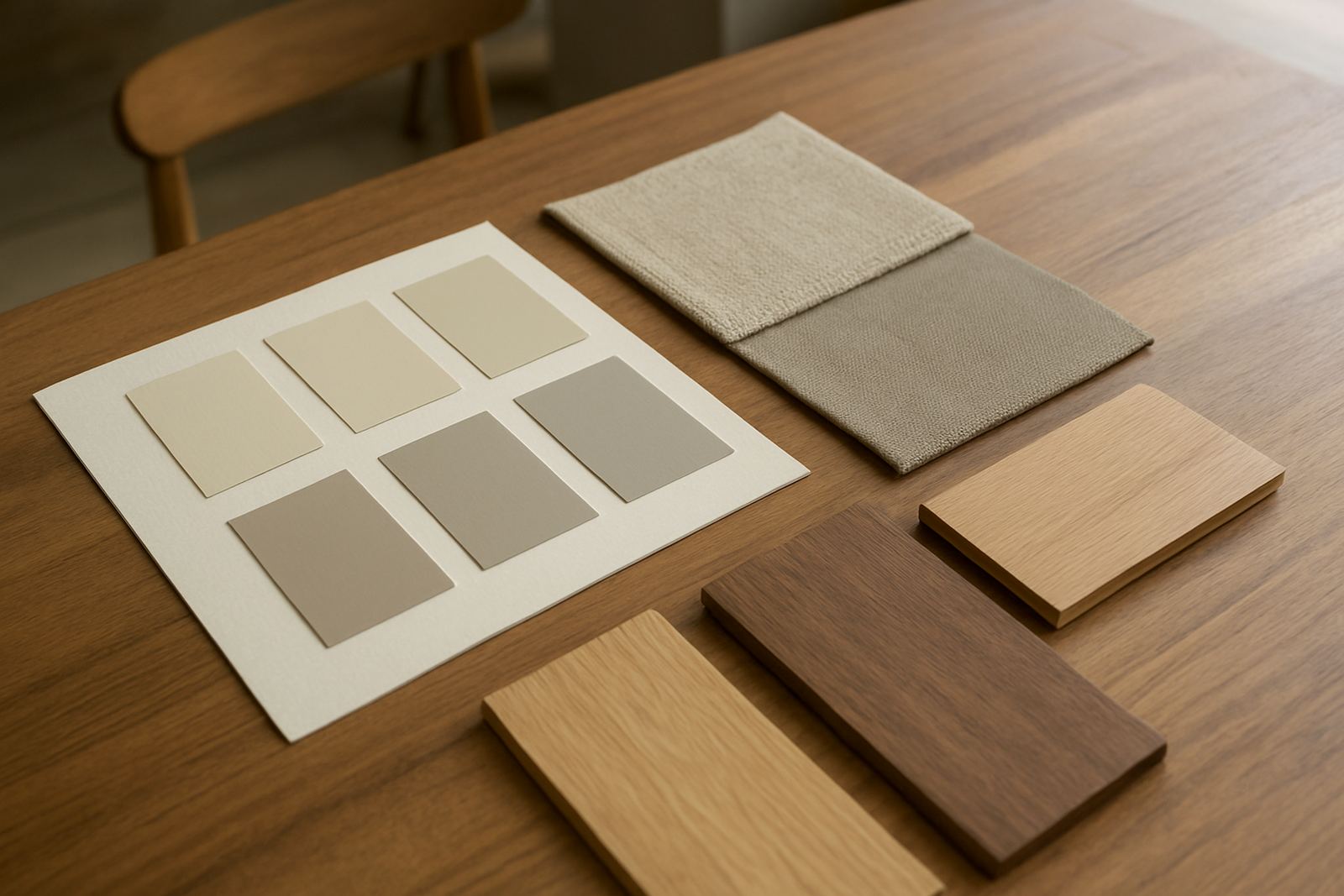
Colour matching is useful for roofs too, but a sample tin or painted test panel must be seen in real conditions. A roof sample on a wall at waist height can fool the eye, because roof colour is usually viewed from farther away and at a steep angle. Put sample boards where they can catch direct sun, shade and late afternoon light. Then view them from the street and from upstairs if possible.
For contractors and homeowners planning a repaint, small test pots help avoid costly mistakes. If the roof has faded unevenly, an exact match may not be the best answer. Sometimes a slightly deeper tone looks more even once the whole roof is coated. If you are unsure, compare the old roof to the walls, gutters and paving, then decide whether you want the roof to blend in or stand out a little.
- Test at least two shades close to each other.
- Check the sample after drying, not while wet.
- View the test in morning sun, midday light and late afternoon.
Plan the repaint around weather and access
A roof colour update is easier when it is planned around weather and access. Windy coastal days, morning dew and sudden rain can affect drying time and the final finish. In high-traffic areas like Sandton or near busy roads in Gqeberha, dust can also settle quickly on a newly coated roof if the job is rushed. Good preparation and the right timing make a bigger difference than many people expect.
It also helps to plan for access before choosing a colour. If scaffolding, roof harnesses or lift access are needed, the contractor should know the product coverage and drying times in advance. That is where bulk quantity planning and trade order support save time. The same goes for contractor accounts and repaint troubleshooting, especially when a building has patch repairs, different roof sections or previous coatings that do not behave the same way.
If you are updating a visible roof on a home or business, the best colour is the one that suits the building, holds up in local weather and looks right from the street after the first month, not only on day one.