
Start with one room or one wall, not the whole house
If you want the job finished by Sunday afternoon, keep the project small. One bedroom, a passage wall, a front door, or a bathroom ceiling is realistic. Once you start moving furniture, sorting patchwork and waiting for plaster to dry, the clock runs fast.
In Gqeberha, a small repaint also makes sense when coastal moisture has marked the walls or old paint is beginning to chalk. In Sandton or Randburg, many weekend jobs are about freshening up a rental or home office before Monday. Pick a space that can be emptied quickly and used again with minimum fuss.
- Choose one area with simple access.
- Check for water stains, cracks and peeling paint before buying anything.
- Measure the walls so you know the coverage you need.
- Decide whether you need just paint, or filler, primer and rollers too.
Match the colour before you start buying paint
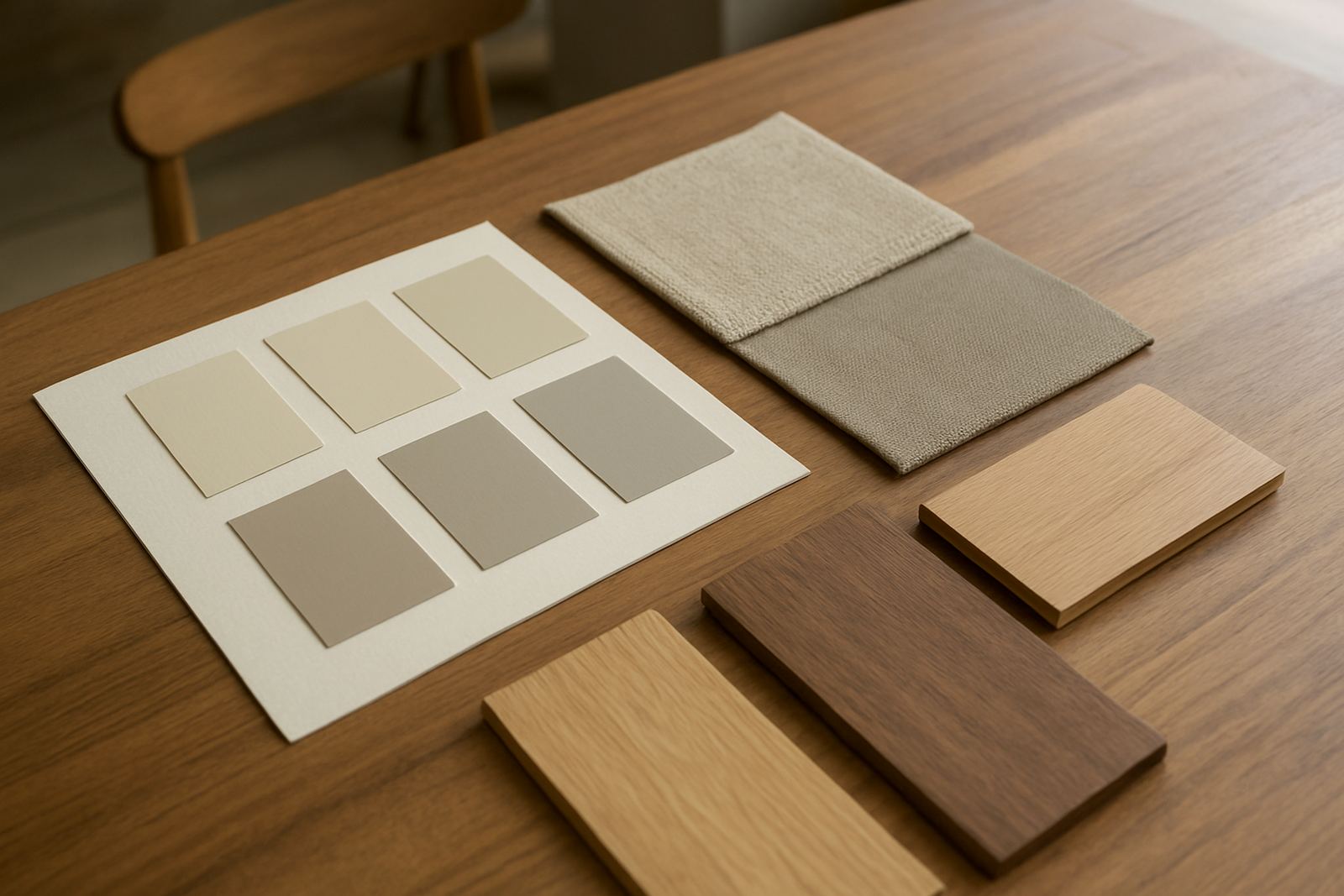
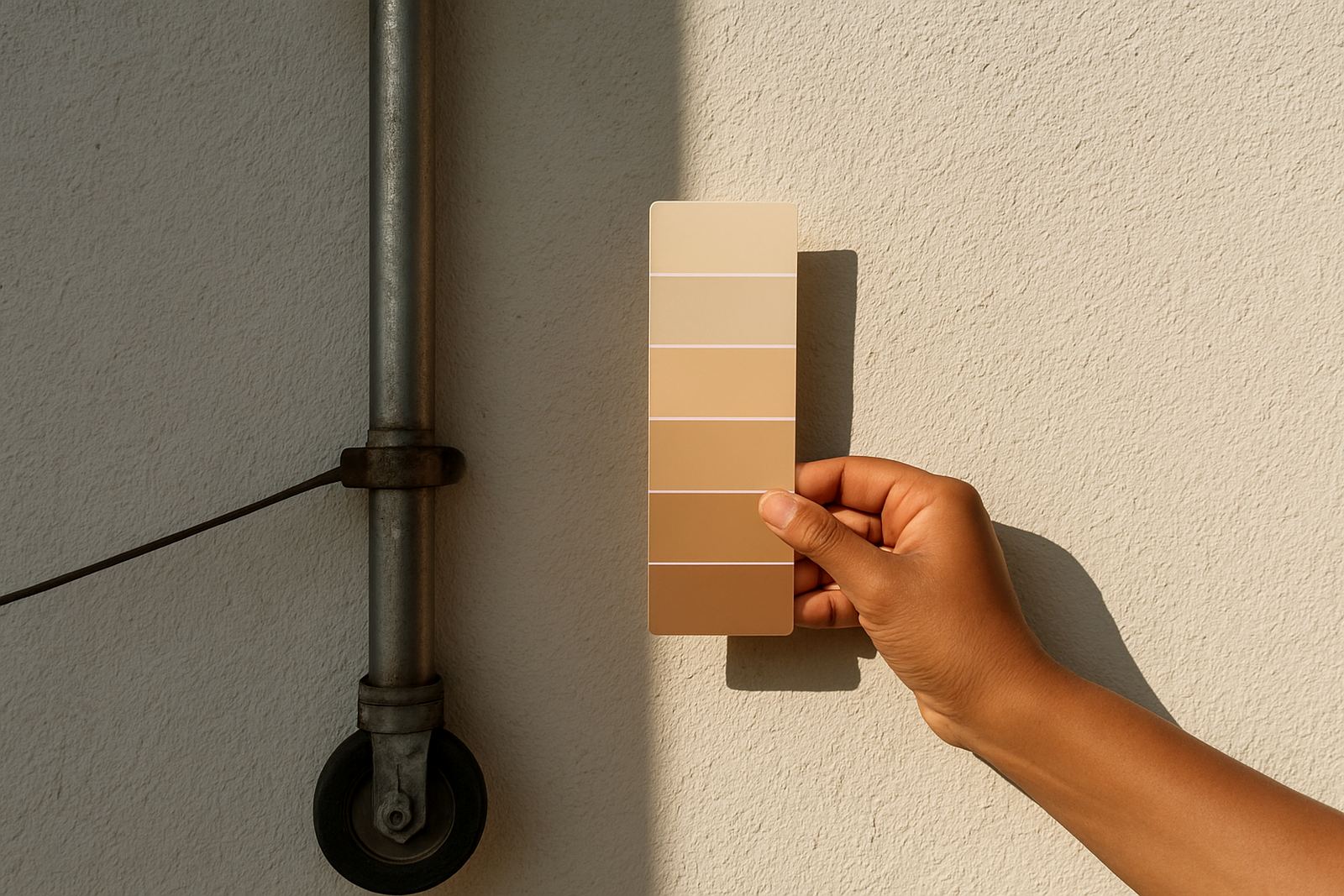
A weekend repaint goes smoother when the colour is sorted first. Take a painted sample, a loose chip, or even a clean part of a wall to compare under proper light. In a north-facing room the colour can look warmer, while a dim passage may make a light grey feel flat and cold.
ColouRight Paints offers paint colour matching, custom tinting and sample pot mixing for homes and businesses. That helps when you need the same shade across different rooms or want to touch up a wall without a visible patch. A sample pot is often the safest way to test a colour on your own wall before you commit to larger tins, especialy if the room gets strong afternoon sun.
- Test the colour on at least two walls.
- Check it in daylight and again at night with your lights on.
- Keep note of the tint code or mix details for future touch-ups.
- Ask for advice if the old paint has faded or yellowed.
Buy the right materials in one trip
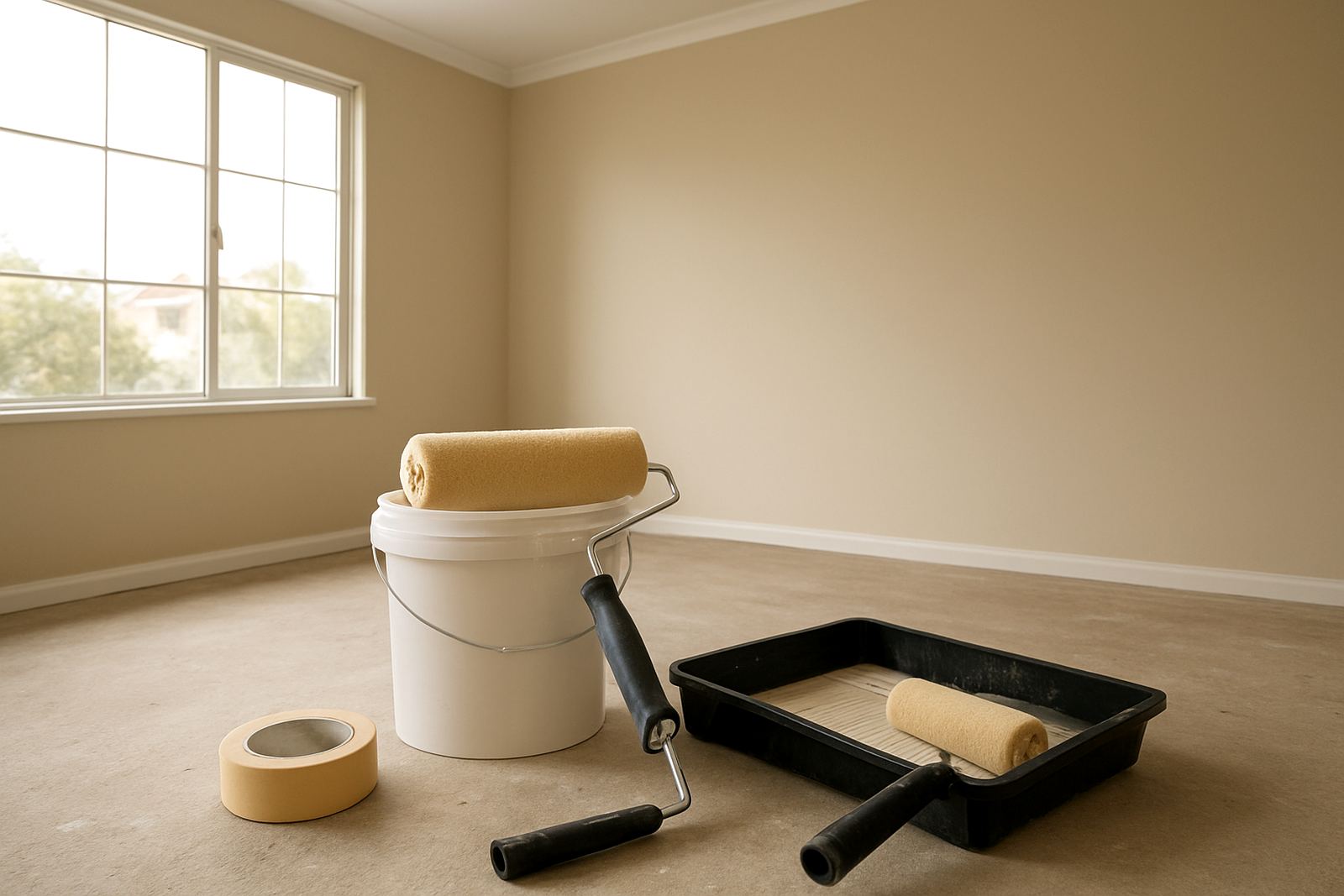
Running back and forth for supplies eats up most of a weekend. Make one list and buy enough for the job at the start. Along with paint, you may need masking tape, drop sheets, filler, sandpaper, roller sleeves, a brush for edges, a tray and a stirring stick. If you are repainting near a bathroom or kitchen, choose a finish that suits moisture and regular cleaning.
For exterior work in places like Walmer or Bellville, a product that handles sun and coastal air is worth asking about. For interiors, think about stain resistance and washability if children, pets or tenants are part of the picture. Trade order support and bulk quantity planning are helpful when the project is larger than expected, and a contractor account can save time for regular painters.
- Interior wall paint for main surfaces.
- Primer where there are patches, stains or bare plaster.
- Filler for cracks, dents and nail holes.
- Masking tape and clean drop sheets.
Use Friday evening for prep, not painting
The best weekend jobs begin before Saturday. On Friday evening, remove wall fittings, clean the surfaces, fill small holes and clear dust. If there are shiny patches, give them a light sand so the new paint can grip properly. Washing down greasy or dusty areas is often more important than the paint itself.
For repaint troubleshooting, the usual problems are not mysterious. Flaking paint means the old layer was loose. Uneven colour may mean the wall was not sealed. Marks from leaks must dry out fully before you paint, otherwise the stain can show through again. Surface prep advice from an experienced supplier can save you from doing the same wall twice.
- Scrape off anything loose.
- Fill and sand small defects.
- Wipe away dust before opening the tins.
- Protect floors, skirtings and plugs with tape and sheets.
Plan around load-shedding and drying time
In South Africa, timing matters because power cuts can change the whole plan. If you need strong light for cutting in, or if you are using electric sanding equipment, check the schedule and work around it. Keep a torch or rechargeable light nearby, especially for early morning or evening touch-ups.
Drying time also shifts with weather. In humid Gqeberha air, a wall may feel dry but still be soft underneath. In Cape Town winters, a cool room can slow the drying between coats. Read the tin, but also use common sense. If the first coat is still tacky, do not rush the second one just because the calendar says Sunday afternoon.
- Paint earlier in the day if the room is cold or damp.
- Allow extra drying time for bathrooms and coastal homes.
- Keep windows open where possible for airflow.
- Avoid painting late at night if the surface temperature is dropping fast.
Finish cleanly so the room can be used again
Once the last coat is on, inspect the room in daylight. Look for thin patches, roller marks and edges that need touching up. Pull the tape off before the paint fully hardens, then clean brushes and rollers straight away. If you wait till Monday, the tools may be useless.
Put the fittings back only when the wall is properly dry. For a weekend repaint in Newton Park, Walmer or Korsten, that might mean leaving one wall untouched until Sunday morning and doing the final coat early enough for the space to settle before evening. A careful close-out saves you from fingerprints, smudges and half-dry surfaces getting damaged by mistake.
If you are stuck on product choice, colour matching or the right finish for the job, ColouRight Paints in Korsten, with branch support in Joburg and Cape Town, can help with practical advice before you start. A small repaint is far easier when the plan is clear from the beginning.