
Start With the School Calendar, Not the Colour Chart
When you are planning a repaint for classrooms, passages or activity areas, the first question is timing. A school in Korsten, Gqeberha, for example, will often get the best results by starting work just after exams or during a holiday break, when furniture can be moved and rooms can dry properly before learners return.
Passages and stairwells need even more thought because they carry traffic all day. If you paint them during term time, you need clear access, dust control and a strict drying plan so no one walks into wet paint. It sounds simple, but a day lost to wet floors or blocked access can throw off a whole week.
Try to work room by room. That lets the school keep some teaching areas open while the painters finish the next section. It also makes it easier to manage noise, smell and clean-up.
Choose Colours That Help the Space Work Better
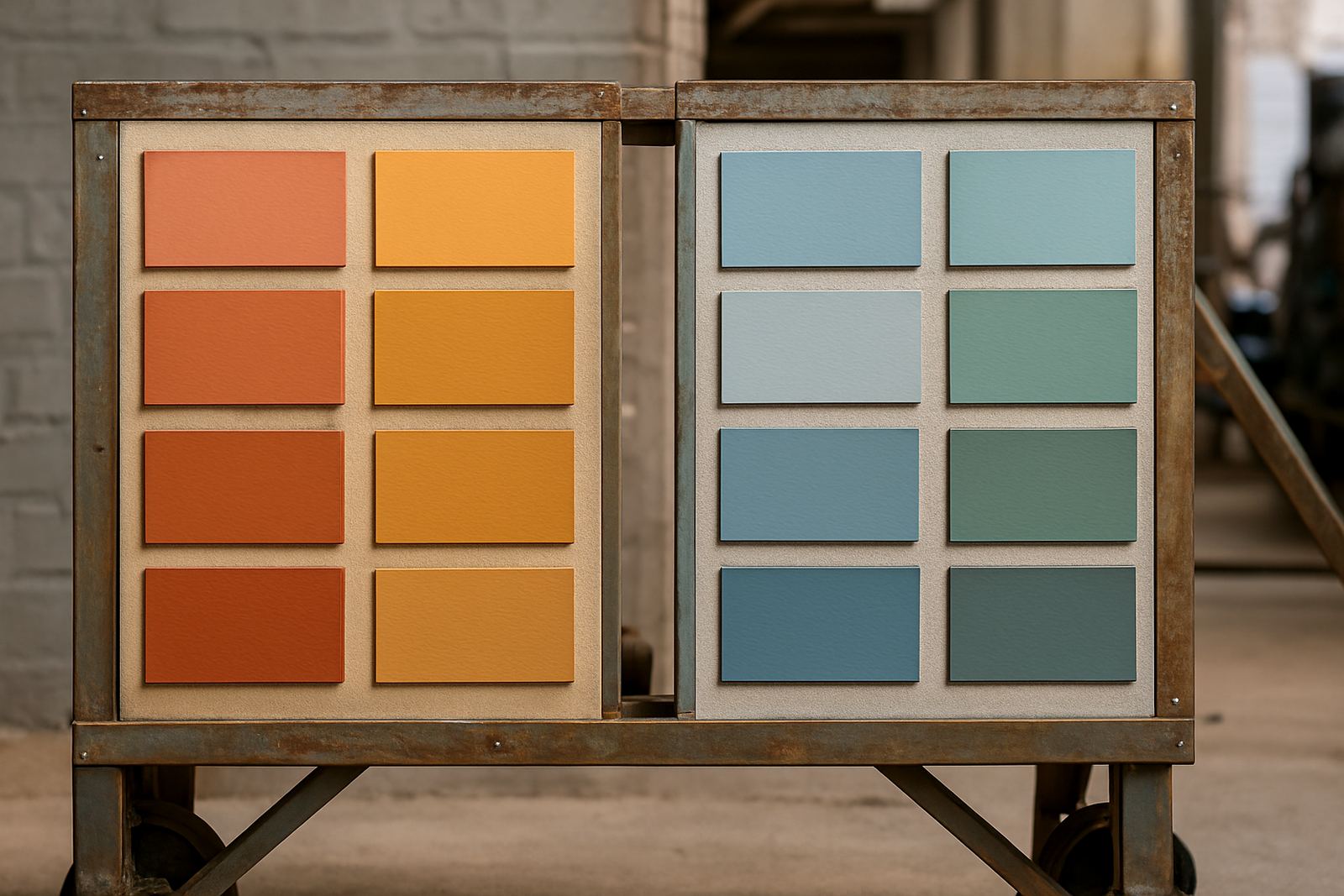
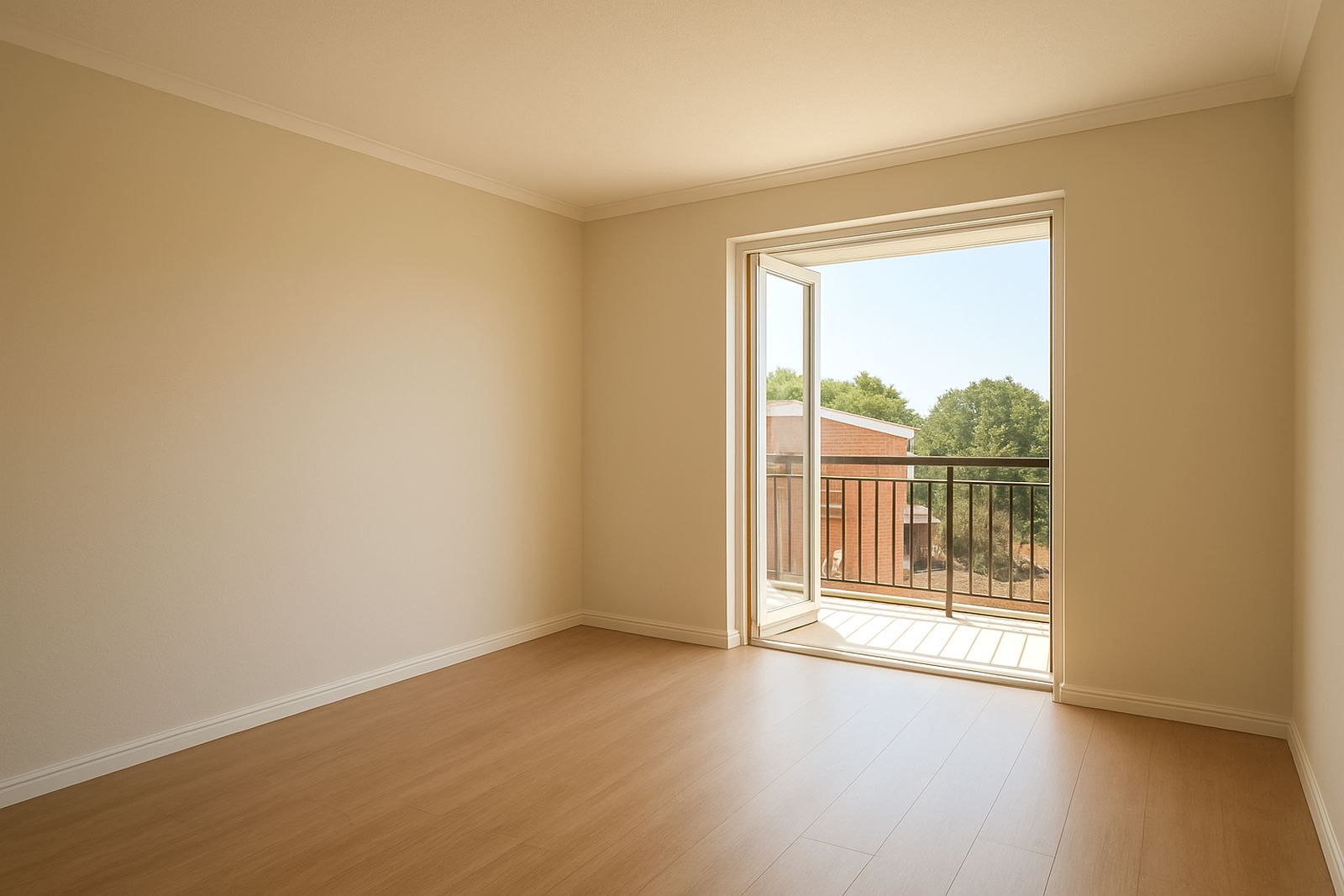
School colours should do more than look neat. They need to handle glare, hide marks and support the kind of activity taking place in each room. Light neutrals work well in classrooms because they reflect natural light and make chalk dust, scuffs and patch repairs less obvious. In activity rooms, you may want a warmer or brighter tone to make the space feel more lively without becoming distracting.
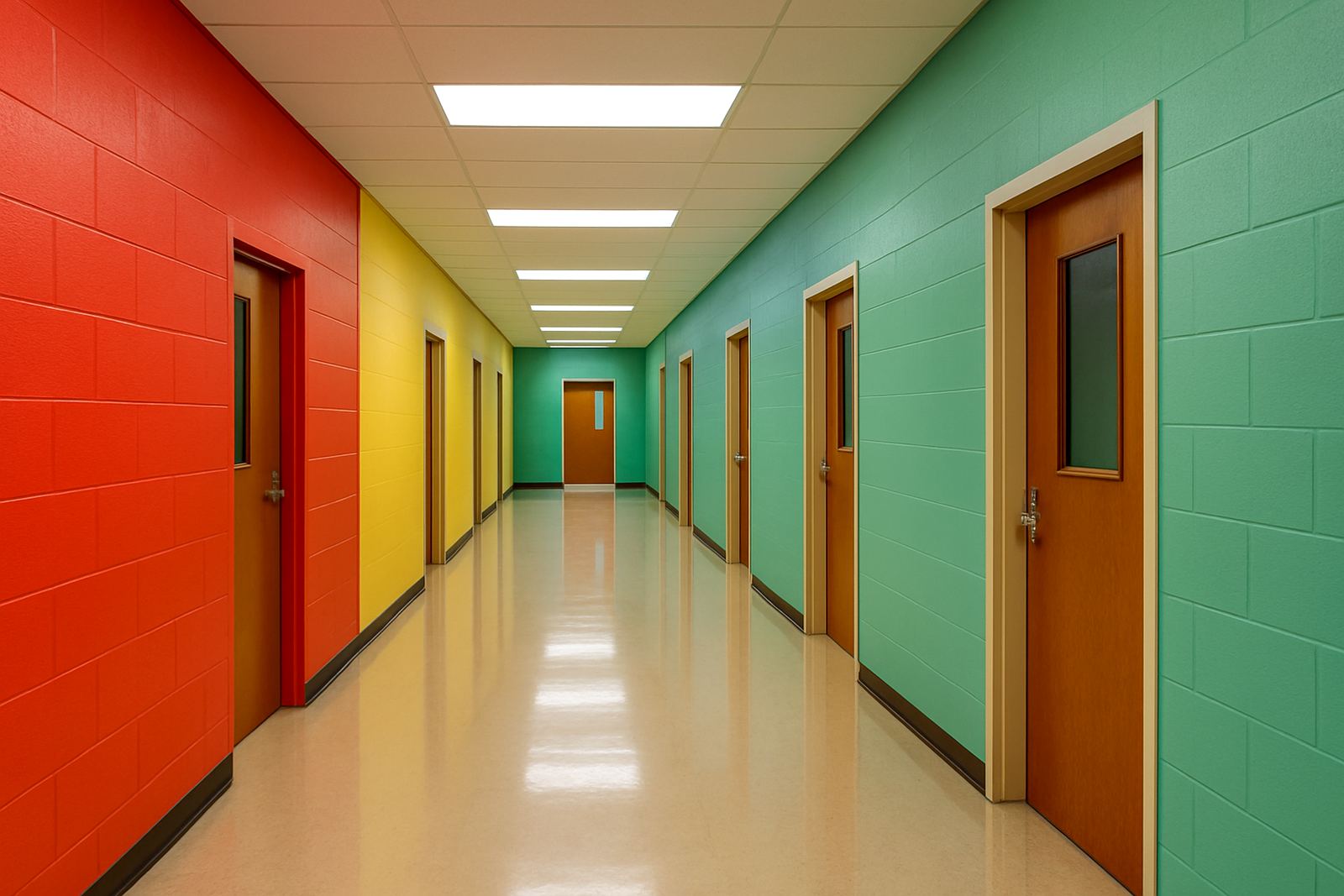
For passages, it often helps to use mid-tone colours or a washable wall finish, especially where hands, bags and shoes leave marks. In coastal areas like Gqeberha, humidity can slow drying and affect how paint settles, so the finish matters just as much as the colour. A proper colour match also helps if you need to repaint later and want the new work to blend with the old.
- Use calmer shades in learning areas
- Choose harder wearing finishes for passages and door surrounds
- Keep feature colours for smaller sections, not whole blocks
- Match existing colours where only one wing is being redone
Plan for Surface Prep Before Any Paint Comes Out
Good paint will not fix a poor wall. Before any coating is applied, the surfaces must be cleaned, filled and checked for cracks, water stains and loose plaster. Schools often have old nail holes, peeling patches near windows and marks from counters being moved around. If those are not sorted first, the finish will show the faults straight away.
On older buildings, look closely at damp spots and areas with salt air damage, especially near windows and external walls. In Gqeberha and Cape Town, coastal moisture can cause paint to blister if the wall is not fully dry. In some Joburg schools, the issue is dust and general wear rather than moisture, so the prep method needs to match the building condition.
- Wash down grime before priming
- Fill cracks and skim rough spots
- Sand loose edges and flaking areas
- Prime repaired patches so the topcoat covers evenly
Keep Learners Safe While Work Is Underway
Schools need a paint plan that protects children first. That means clear off-limit areas, signs at entry points and proper ventilation, especially when using stronger products indoors. If work has to continue during the term, the safest approach is to close off one section at a time and avoid painting near food service areas, admin queues or busy corridors during peak movement.
It also helps to think about drying time around load-shedding. If lighting or extraction is affected, painters may need to adjust the schedule so work starts when there is enough daylight and ends before movement picks up again. Quick access to fresh air can make a big difference in classrooms and halls.
- Move furniture out of the area where possible
- Cover books, notice boards and electrical fittings
- Keep walkways open for emergency access
- Allow full drying before counters, chairs and learners return
Use the Right Product for Each Area
Not every room needs the same paint. A classroom wall, a corridor and a toilet block all face different wear. For normal teaching areas, a washable interior finish is usually best because it handles fingerprints, pencil marks and light cleaning. Passages need a coating that can stand up to repeated wiping, while exterior walls should suit local weather and direct sun.
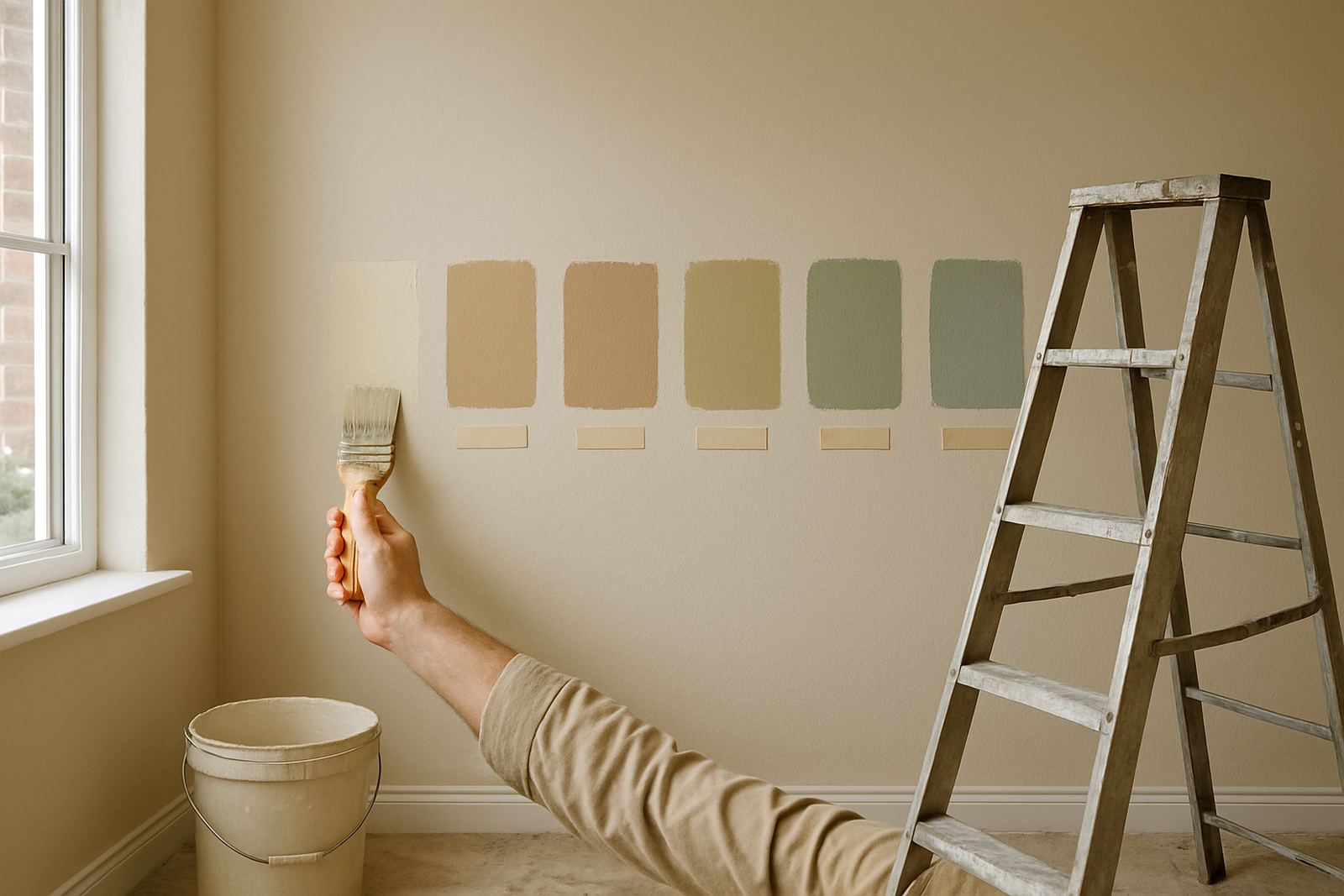
Trade and contractor teams often ask for bulk quantity planning so they do not run short halfway through a block. That matters on larger projects because a slight shift in tint between batches can be noticeable on a long wall. Sample pot mixing is useful when the school wants to test a colour under real light before committing to full coverage.
If a room has been repainted many times, old layers may need extra attention. Repaint troubleshooting can save a lot of time by identifying whether the problem is poor prep, damp, sheen mismatch or the wrong primer. That kind of check is worth doing before the final order is placed.
A Local Example: One Wing, One Holiday, One Clean Finish
A practical repaint in Gqeberha might look like this: a school sets aside one holiday period to redo a single teaching wing, the passage outside it and a small activity room. The team starts with colour consultation, then confirms a colour match for the existing trim so the doors and skirtings do not clash with the new wall colour. Sample pots are tested in morning and afternoon light, because colours can shift quite a bit between those times.
The work is broken into steps, with surface prep on day one, priming on day two and topcoats after that. Furniture is returned only after the walls are fully dry. By the time learners come back, the area is ready for use and the school has not had to shut down the whole block.
That is the kind of planning that keeps a school running. It saves time, reduces waste and makes it easier to repaint the next section later without starting from scratch.
What to Ask Before You Place the Order
Before you buy paint for a school project, get the details clear. Measure the rooms properly, note the condition of each wall and decide which areas must be done first. It is also wise to check if the work will be handled by one contractor or split between staff and tradespeople, because that affects the order size and product choice.
ColouRight Paints supports school paint planning with colour matching, custom tinting, product recommendations and trade order support from Korsten, Gqeberha, with service to Walmer, Newton Park, Sandton, Randburg and Bellville. For schools, that practical support can make the difference between a rushed repaint and one that lasts through a full year of use.
When you plan it properly, school painting becomes less of a headache and more of a straight job with a clear outcome.