
Why a fresh shopfront colour helps a small retailer get noticed
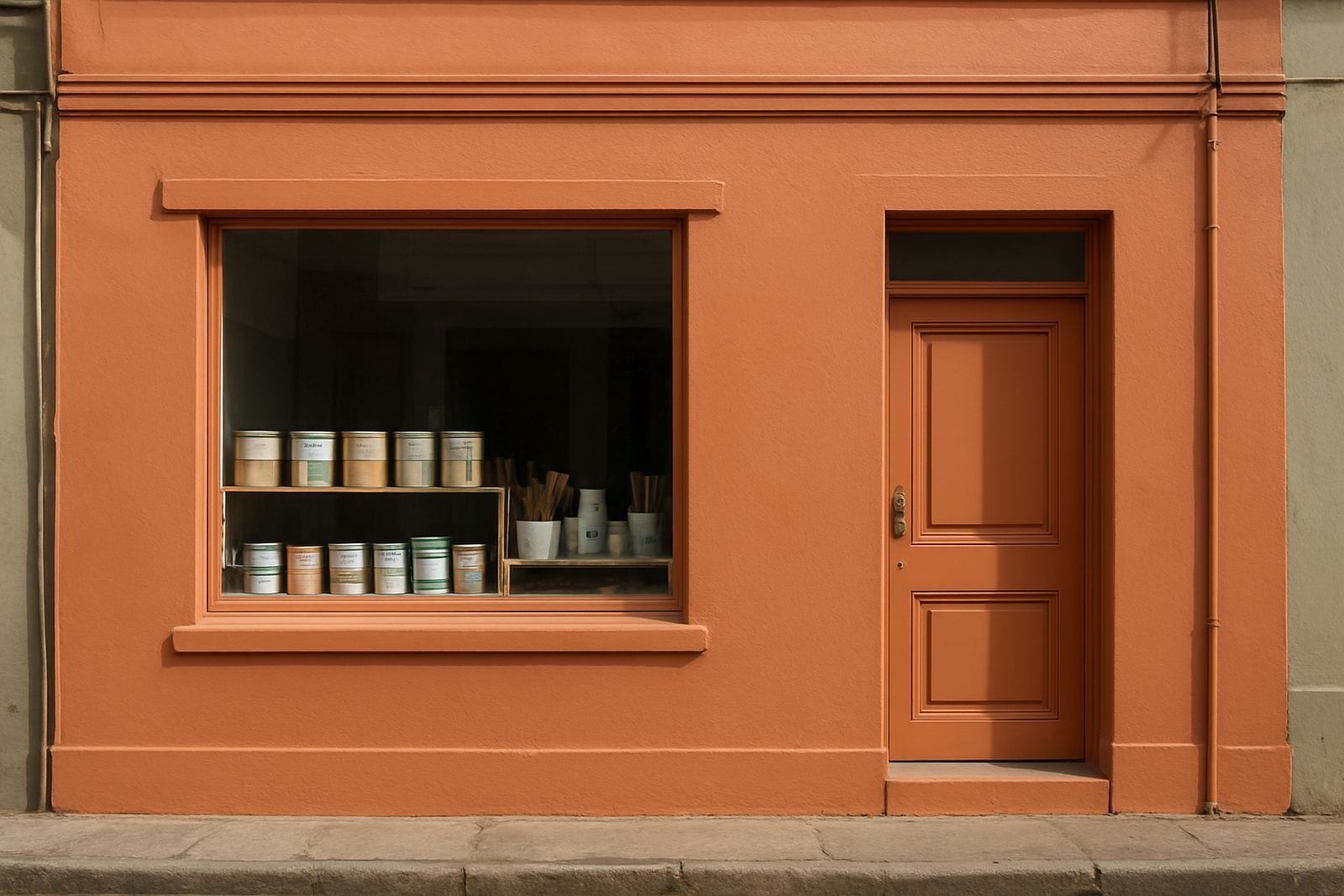
In a busy street, your exterior has to work hard. A clean, well chosen colour scheme helps a customer identify your business from the road, from the pavement or even from a parking bay across the street. In places like Korsten and Walmer where shops sit close together, the wrong colour can make a frontage disappear into the background.
For small retailers, colour is also about confidence. A faded wall, patchy roller marks or old signage shadows can give the impression that stock, service or housekeeping may also be left to chance. That is not always fair, but it is how people read a building in seconds. Paint gives you a chance to reset that first impression without a major spend.
Choose colours that suit the street, the business and the sun
Strong sunlight in Gqeberha can wash out pale exterior colours and show up every repair line. In Cape Town and Sandton, shopfronts may face different levels of glare and dust, so the same colour can look quite different from branch to branch. The right tint should work in all of those settings, not just on a small sample card.
Colour choice should also support what you sell. A pharmacy, butchery, salon or clothing store all need a different feel. If your business relies on walk-in traffic, the front must be easy to spot. If you trade from a small centre, your colour should fit with the body corporate rules and still give you a clear identity.
- Use one main colour for the bulk of the frontage.
- Use a second colour for trims, frames or signage bands.
- Keep high-wear areas darker where scuffs are common.
- Test the colour in morning and afternoon light before committing.
What paint finishes make maintenance easier for retail fronts
Maintenance is where good paint pays back. A smooth, washable finish is easier to wipe down after dust, hand marks or rain splash. On high-touch areas like door surrounds, kick zones and lower wall sections, a coating that resists dirt makes a real difference over time.
For coastal areas near Gqeberha, humidity and salt in the air can affect metal trims and walls that are not prepared properly. In Joburg, dust and dry conditions can still leave exteriors looking tired sooner than expected. Preparing the surface properly matters more than people think, and yes a cheap quick coat often ends up costing more when peeling starts.
- Ask for surface prep advice before you buy any paint.
- Check whether the finish can be washed without dulling.
- Use the right product for masonry, plaster, wood or metal.
- Plan for touch-ups on corners and loading areas.
Matching paint to existing signs, shutters and fittings
Many shopfronts are not starting from scratch. You may have old shutters, aluminium frames, painted metal security gates or faded signage that still needs to stay in place. That is where colour matching becomes practical. Rather than forcing every part of the frontage into one new colour, a careful match can tie the whole look together.
At ColouRight Paints, colour matching and custom tinting help when you need a near exact shade for an older frontage or when a landlord wants the new paint to sit comfortably with existing finishes. A sample pot is useful here because it lets you check the colour against real light, not just under the shop counter lights.
For repaint work, small differences matter. A warm white next to cool grey can look mismatched once the sun hits it. A proper sample and test patch can save another repaint later.
Plan the repaint around trading hours and loading access
Small retailers cannot always close for a full week while painting happens. Good planning keeps trade moving. If you repaint in stages, the work can be done before opening, after closing or over quieter trading periods. Bulk quantity planning also helps you avoid running short halfway through, which is when colour variation becomes obvious.
Contractors and owner-run shops both benefit from a simple plan. Make sure you know what needs masking, what can be removed, and where customers will enter during the work. If you have more than one branch, colour consistency across sites is important so the store in Bellville looks like the store in Newton Park or Randburg.
- Measure wall areas before ordering paint.
- Allow extra for porous walls and touch-ups.
- Keep one labelled tin for future maintenance.
- Schedule delivery around peak trade hours if possible.
A local example from Korsten to the wider branch network
A small retailer in Korsten may be dealing with sun-faded plaster, an older security gate and a frontage that gets dusty quickly from passing traffic. The best result is usually not the brightest colour on the shelf, but the one that improves visibility from the road and still hides wear between cleans. In many cases, a lighter body colour with darker trim works well because it lifts the shopfront without making every mark stand out.
That same retailer may need the colour repeated later at a branch in Cape Town or Joburg, so consistency matters. When the same tint formula is recorded properly, future touch-ups are simpler and the shop keeps a steady look across locations. It saves time, reduces waste and keeps the brand easy to recognise.
For small retailers, the goal is practical: be seen, look tidy and make upkeep manageable. The right paint choice helps with all three.