
Start with the wall you already have
Before you buy paint, walk the full wall line and look for the real condition of the surface. In Gqeberha, wind and salt in the air can leave chalky patches and loose coating. In Johannesburg, dust and sun exposure can be the bigger problem. The fix depends on what is actually there, not just on what colour you want.
Check for cracks, damp marks, peeling areas, mould, efflorescence and old patch repairs. If the wall is sound, a good clean and a fresh coat may be enough. If there are hairline cracks or porous sections, sort those out first or the new paint will show every fault in a few months.
- Scrape off loose paint and powdery sections.
- Wash down dirt, algae and soot with a suitable cleaner.
- Repair cracks and holes before any primer goes on.
- Let the wall dry properly, especially after rain or pressure washing.
Choose a colour that suits the street and the sun
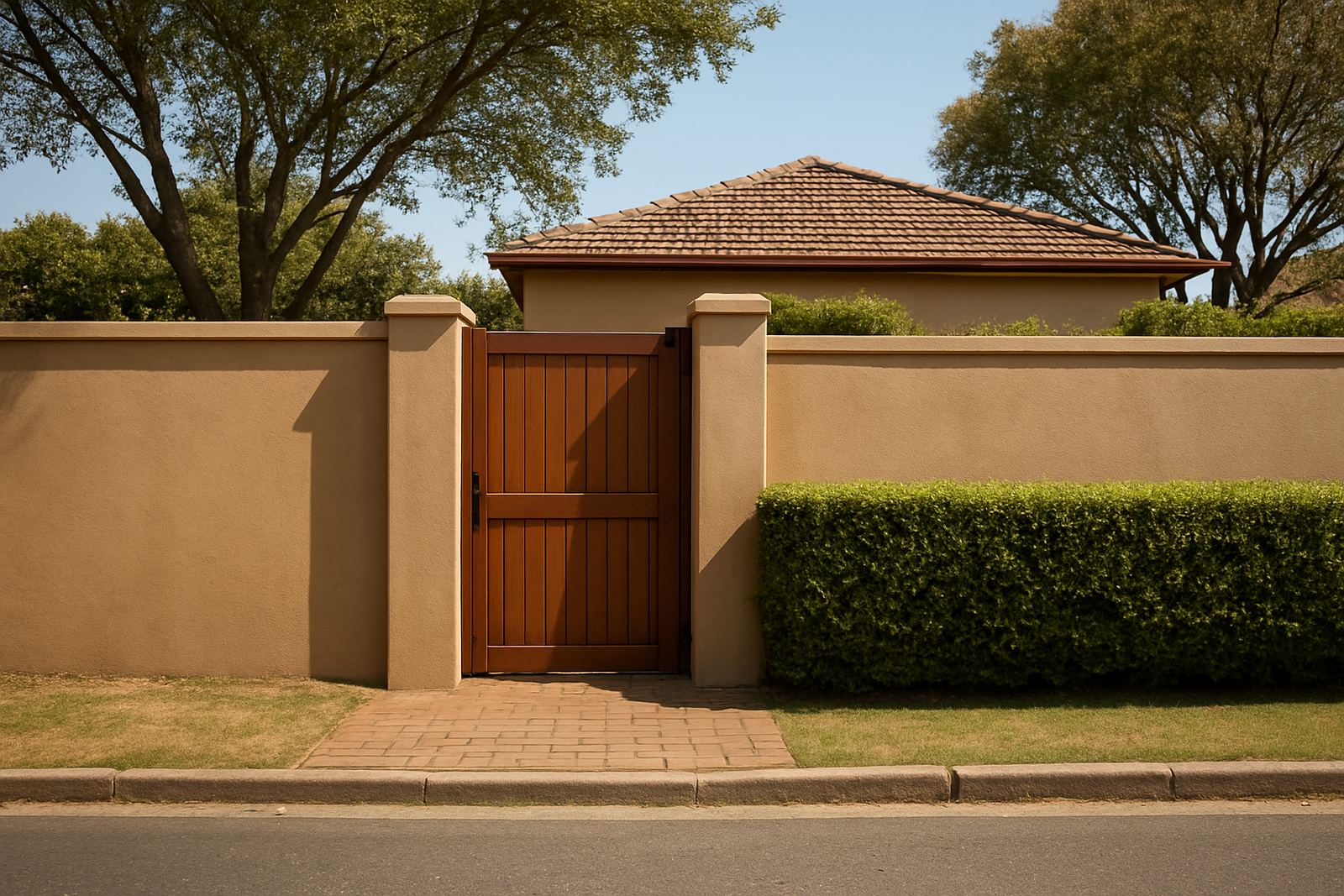
Boundary walls work best when they support the house rather than shout over it. Soft greys, warm whites, stone shades and muted greens are common because they sit well with most roof colours and paving. Dark colours can look smart, but on a long wall they may also show dust and salt marks quicker.
In bright coastal light, a very light wall can glare, while a deep colour can fade faster. A mid tone is often the safest option for homes in Walmer, Newton Park or Bellville where the wall sees strong sun and a fair bit of street dust. For business premises, a clean neutral makes the frontage look organised and easier to maintain.
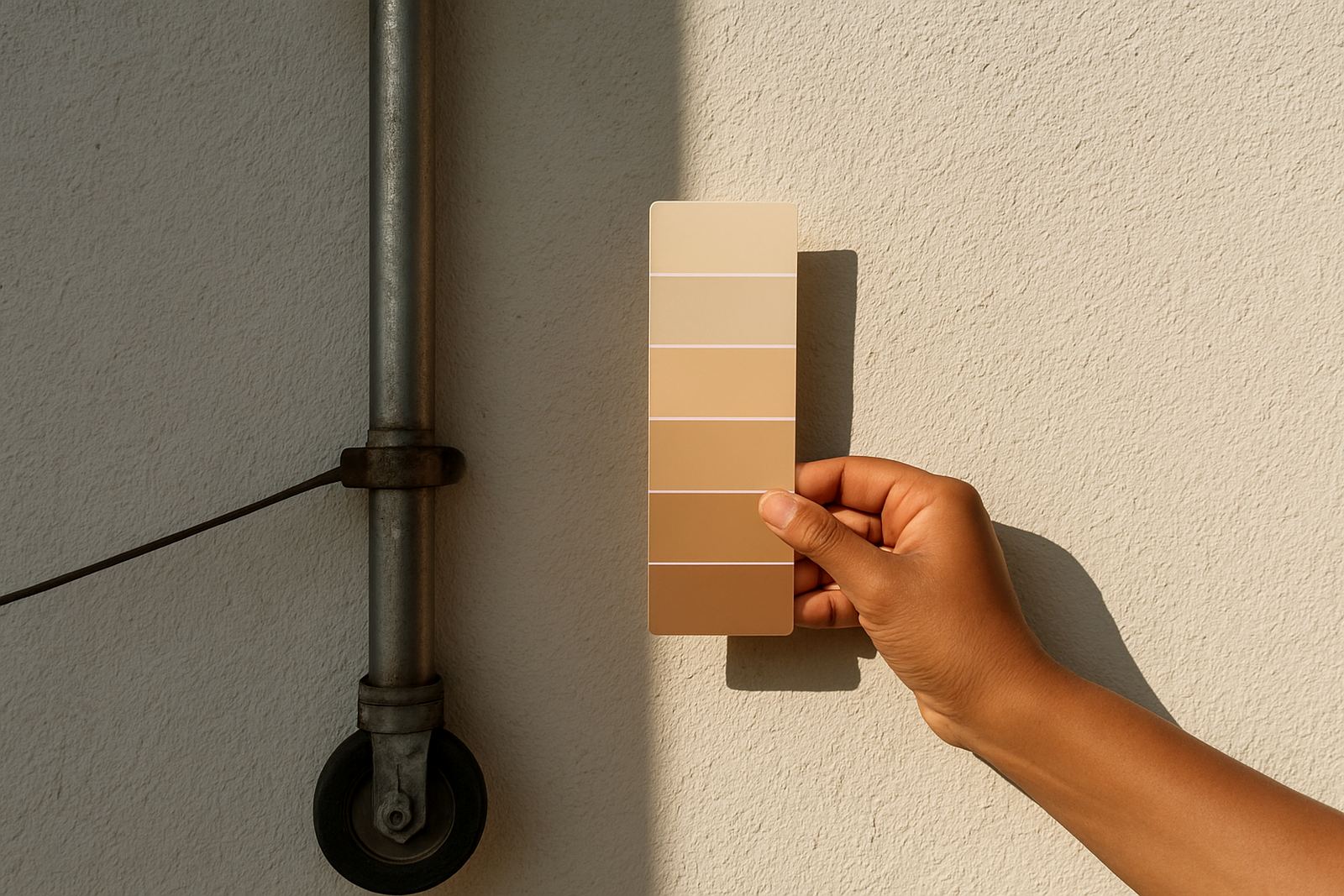
- Test colour samples on at least two sections of the wall.
- Look at the sample in morning light and again late afternoon.
- Check how it sits next to gates, paving, security fencing and plaster.
- For older walls, avoid colours that make patch repairs stand out too much.
Small repairs before painting save money later
A boundary wall does not need fancy treatment, but it does need proper repairs. Even a neat coat of paint will fail early if the surface is still moving or holding moisture. A few hours on prep can save you from repainting the same section next season.
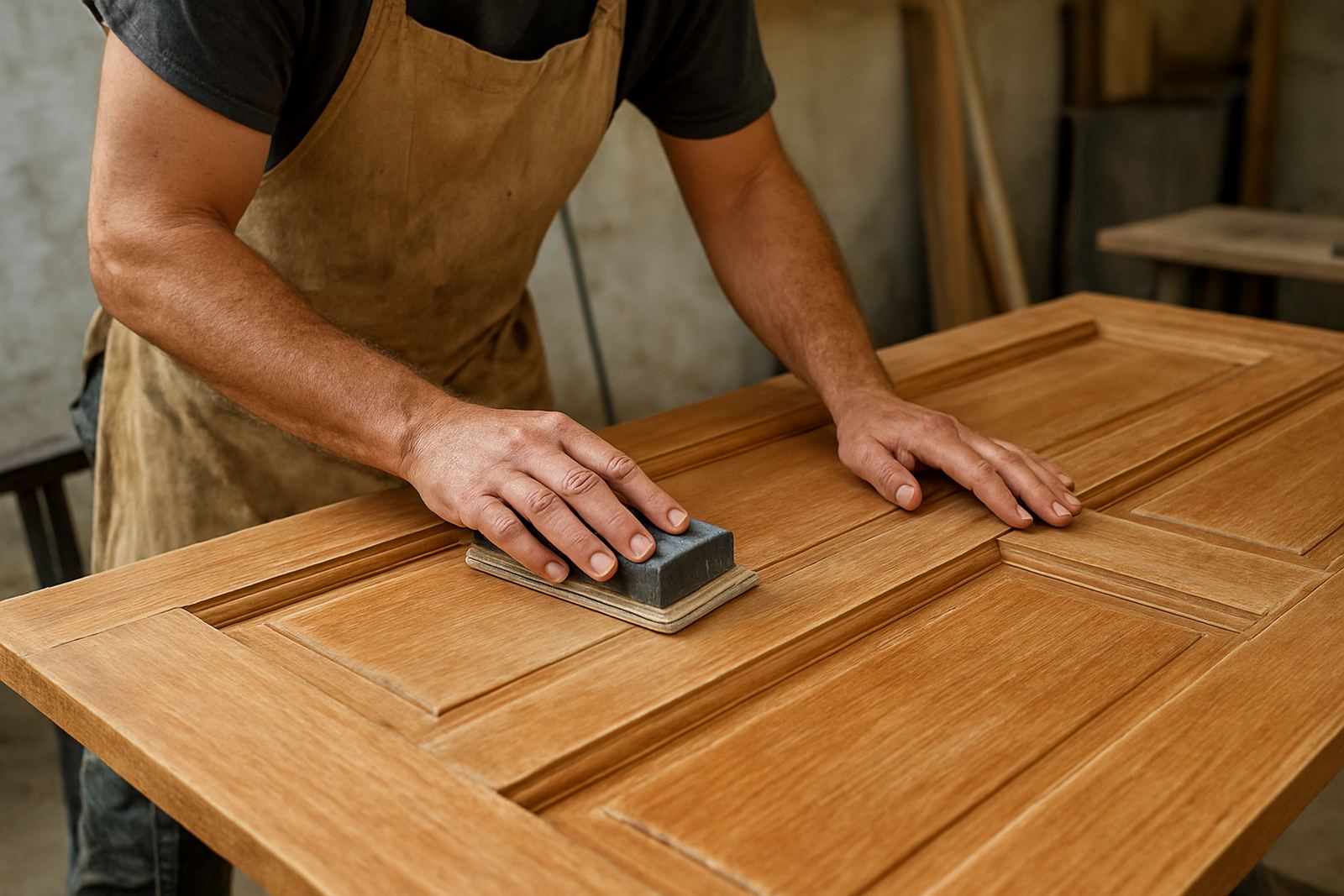
Fill cracks with the right repair compound, and if the wall has repeated damp or salt issues, ask for product advice before you close it up. Where the plaster has blown, cut it out and rebuild that area properly. If the wall was previously painted with a glossy finish, it may need extra abrasion so the new coat can grip. That bit is often skipped and then the paint peels at the first heat wave.
- Use flexible filler for small movement cracks.
- Spot prime repaired areas so they do not flash through the finish.
- Fix leaking sprinklers or downpipe splashback before painting.
- Clear soil buildup at the base of the wall so moisture does not sit against it.
Primer is worth it on tired walls
If the wall is dusty, patchy or has different surface textures, primer makes a real difference. It helps the topcoat stick better and gives a more even final colour. This is especially useful on older perimeter walls around Korsten or Randburg where parts of the wall may have been repaired more than once.
Not every wall needs the same primer. Bare plaster, repaired sections, and previously painted surfaces can each need a different approach. That is where a proper colour consultation and product recommendation can save a lot of trial and error. If you are covering stains, damp marks or a very strong old colour, the undercoat matters just as much as the final paint.
For contractors working on multiple units or long street-facing walls, bulk quantity planning helps avoid delays half way through the job. It also keeps the finish consistent across batches, which matters when the wall wraps around corners or runs past a driveway opening.
Make the wall neat without adding extra work
Freshening a boundary wall does not mean adding lots of decorative details. A clean line, even finish and well chosen colour can do most of the work. If the property already has a strong gate, brick plinth or aluminium fencing, keep the wall simple so the whole front looks balanced.
Here are a few practical ways to improve the look without overcomplicating it:
- Paint the wall and coping in related tones, not fighting colours.
- Use a slightly deeper shade on the lower section if the base gets dirty often.
- Refresh gate posts, lintels and return walls at the same time.
- Keep touch up paint for scuffs caused by builders, bins or garden work.
- Choose a washable finish where children, pets or trading activity mean more marks.
A uniform finish around the whole property usually looks better than trying to make one wall stand out on its own.
A local Gqeberha example that kept things simple
A homeowner in the Walmer service area wanted the front wall tidied up before selling, but did not want a full redesign. The wall had faded paint, two repaired cracks and a few damp marks near the base from sprinklers. After washing, crack repair and primer on the patched areas, the owner chose a calm mid grey that matched the roof line and the aluminium gate.
The result was not flashy, just cleaner and more settled. The wall stopped drawing attention for the wrong reasons, and the whole frontage looked cared for. That is often the real goal with perimeter walls. You do not need a dramatic change, only a finish that makes the property look maintained and ready for daily use.
For homes and businesses in Gqeberha, Sandton or Cape Town, the same rule applies: get the prep right, match the product to the surface and pick a colour that can handle local conditions. Then the wall works for you instead of becoming another maintenance headache.