
Start with the life of the room, not the paint chip
Before you choose a colour, think about how the room is used. Is it a sleep space first, or does it double as a play area, study corner and movie spot? In homes across Gqeberha, Joburg and Cape Town, that answer often changes by age and by season, so the wall colour should stay useful even when toys, beds and school bags move around.
A very bright wall might look fun on day one, but it can start to feel busy fast, especially in smaller rooms or rooms with strong afternoon sun. Soft blues, warm greys, muted greens and gentle creams tend to hold up better over time. They also make it easier to refresh the room later with new bedding, curtains or posters instead of repainting everything.
- Choose the main wall colour for the longest part of the room’s life, not just this term.
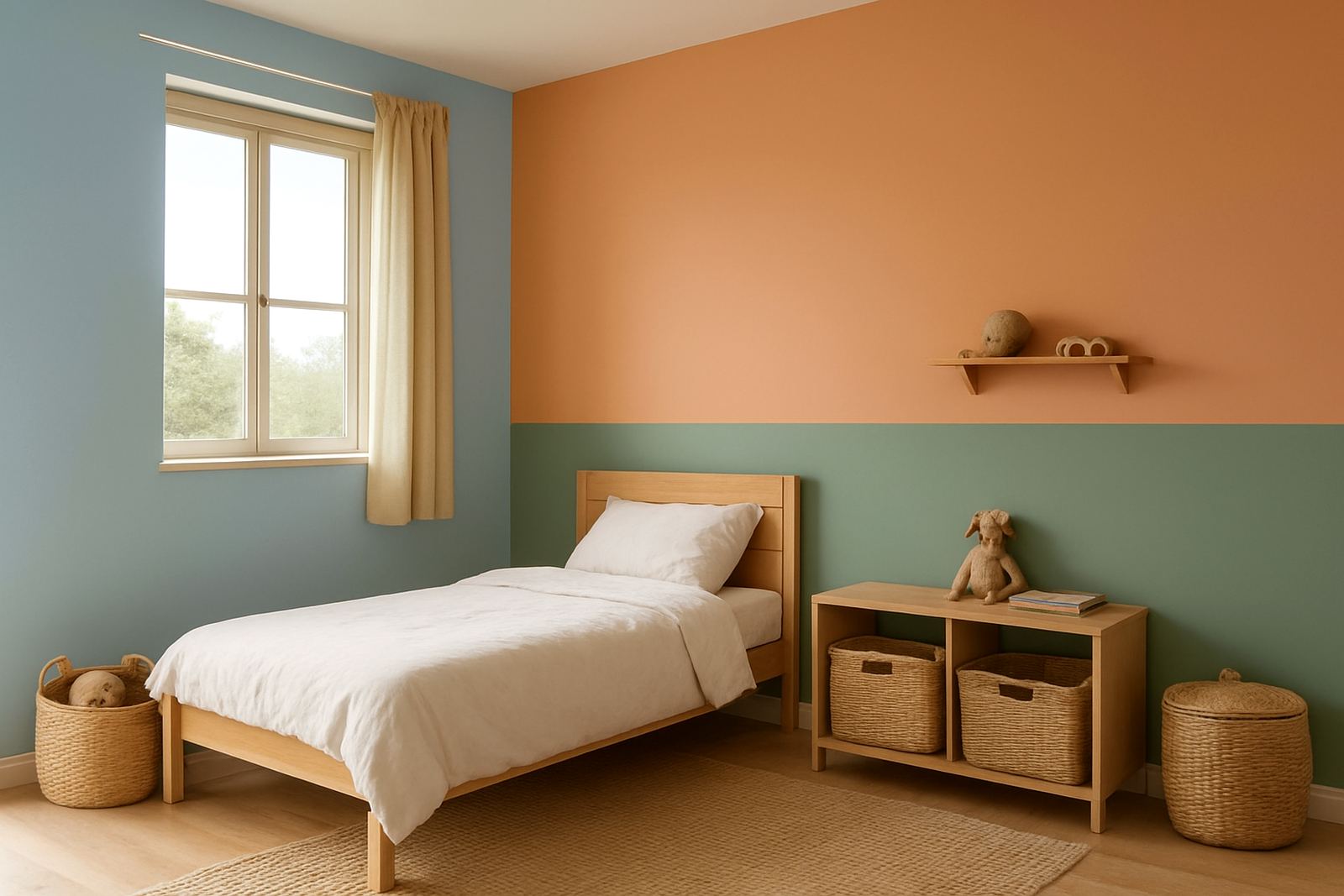
- Keep very bold shades for one feature wall, a built-in shelf back, or painted furniture.
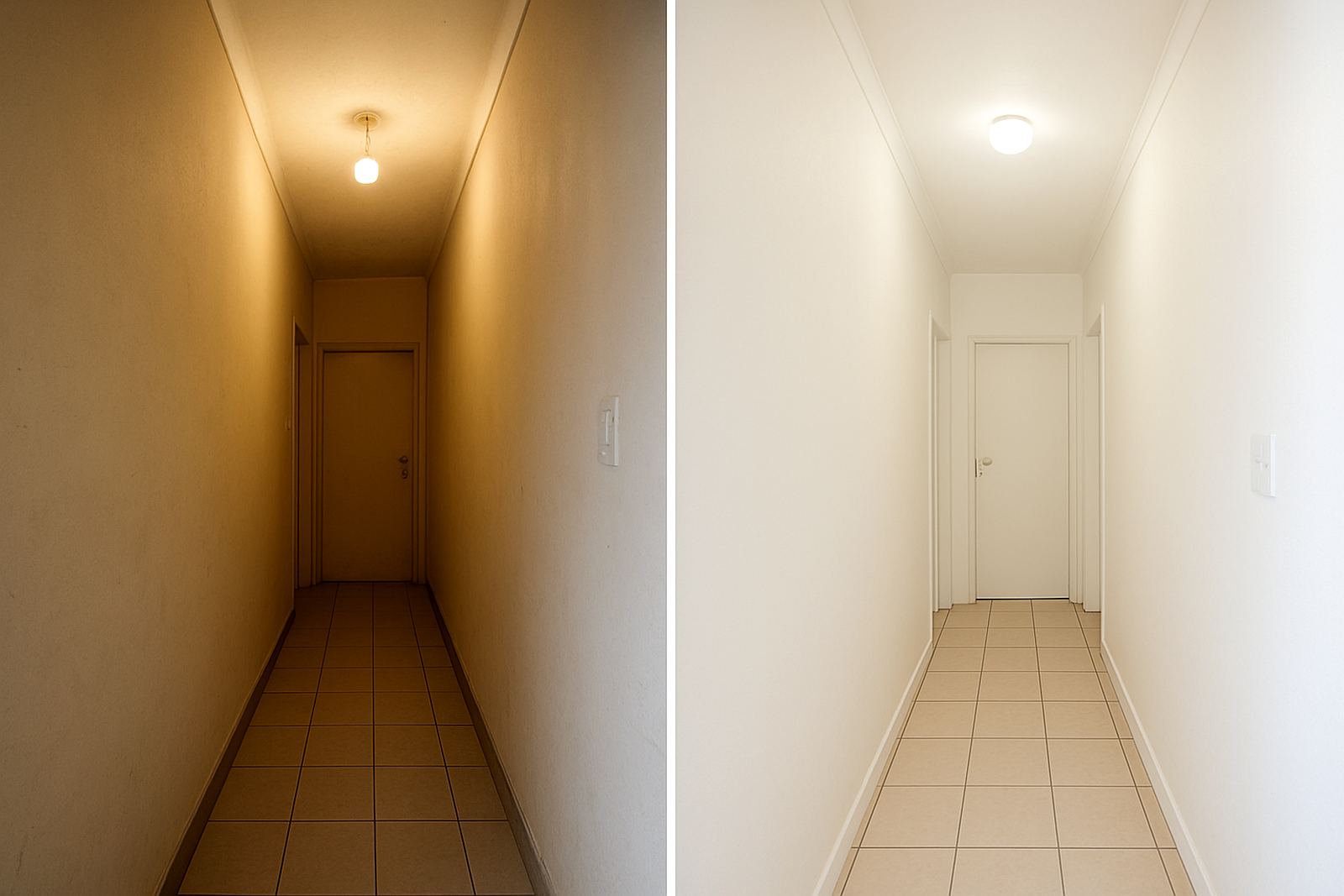
- Test the colour at night and in daylight because LEDs, coastal light and shadows can change it a lot.
Pick colours that calm the room down after a long day
Children’s rooms are busy spaces. They need colour, yes, but they also need a bit of calm so sleep comes easier. That is why many families go for colours with a little softness in them. A blue with grey in it feels steadier than a sharp primary blue. A green with a dusty finish feels kinder than a loud lime. Even a pale peach or sandy neutral can work nicely if the room needs warmth.
In Gqeberha, humidity and sea air can make walls feel slightly different from one season to the next, so it helps to choose a finish that cleans well and can handle fingerprints. In hotter parts of Gauteng, sunlight can fade lighter tints quicker on certain walls, so sample testing matters. If the room gets strong afternoon sun, the colour may look warmer and more yellow than it does on the sample card.
- Use a calm base colour on most of the walls.
- Bring in energy with cushions, bedlinen, wall art and storage boxes.
- Keep the ceiling light so the room feels higher and brighter.
Build a colour plan that can grow with the child
The best kids room colours are usually the ones that do not trap you in a theme. A toddler may love bright animals or cars now, but five years later the room may need to suit homework, reading and friends hanging out. If the base is neutral or softly tinted, the room can shift without major work.
One good approach is to use a main colour, a supporting shade and one accent. For example, a pale grey-green on the walls, white on the trim and a deeper mustard or navy in smaller pieces. That gives the room personality without making it hard to change. If the child wants pink, try a dusty pink instead of bubblegum. If they want blue, a muted sky tone usually lasts longer.
- Main colour: calm and long lasting.
- Supporting colour: trim, cupboards or shelving.
- Accent colour: smaller items that are easy to swap out.
Test samples where the room actually lives
Paint chips are useful, but they do not tell the full story. A colour that looks gentle in the shop can read much stronger on a wall, especially in a room with a lot of daylight. That is why sample pots are worth the small extra spend. Paint a few test patches on different walls, about A4 size, and look at them morning, midday and evening.
In Korsten and Walmer, many homes have strong light shifting through the day, while Sandton apartments may have cooler indoor light and less direct sun. The same tint can look softer in one room and more grey in another. If the room is already crowded with bright toys or patterned rugs, the wall colour should probably be quieter. If the furniture is plain, you have more room to play.
- Try at least two sample shades close to your first choice.
- Look at the colour next to the flooring, curtains and bedding.
- Check the patch after lights come on, not only during the day.
Choose finishes that stand up to sticky hands and quick clean-ups
Kids rooms need walls that can take a wipe down. Marks from crayons, fingerprints, slime and school boots happen, no matter how careful the family is. A finish with a bit of washability is usually the practical choice. For most homes, a good quality interior finish that cleans easily will save time and help the room keep its colour longer.
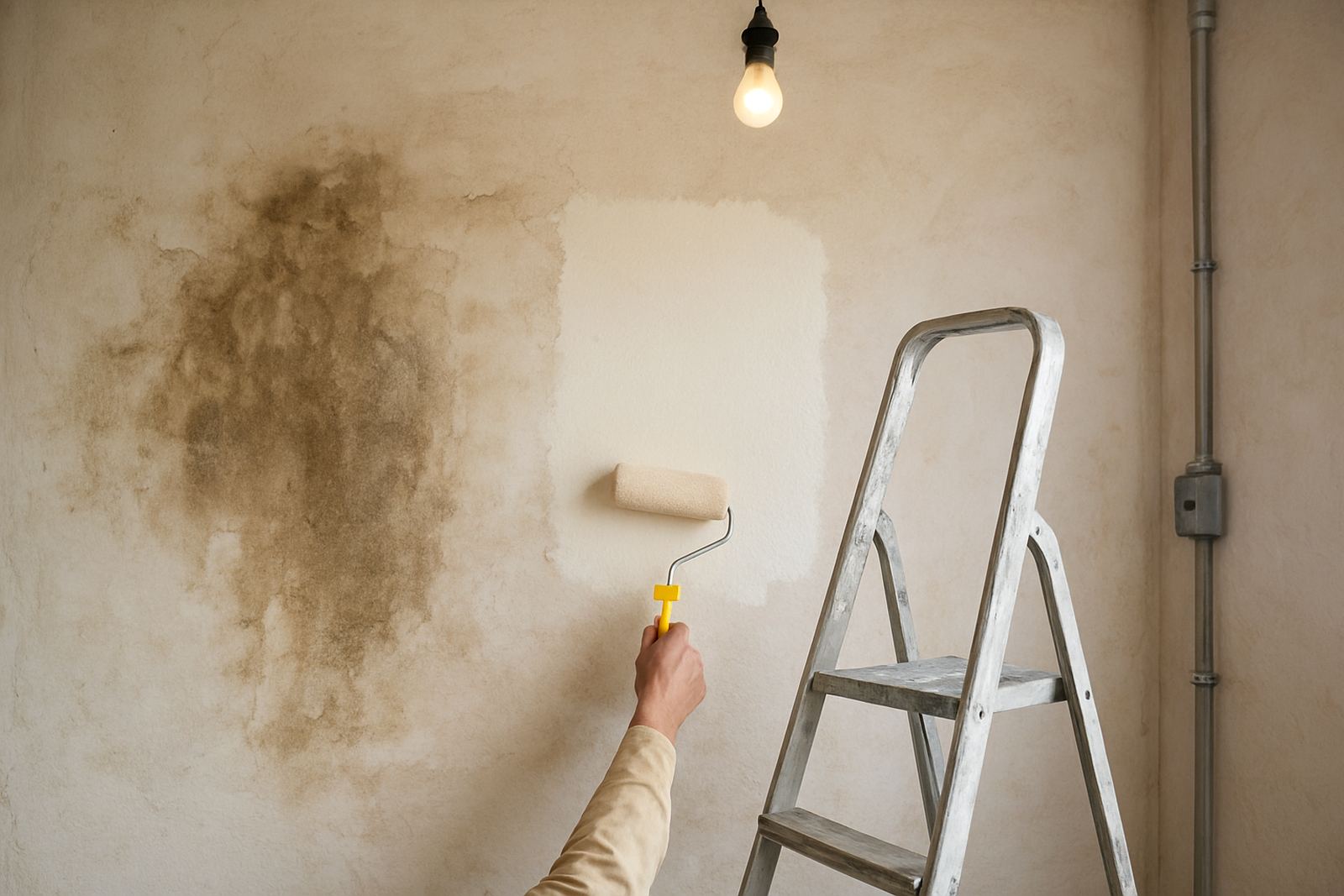
If the room has a lot of use, think about the lower wall area, door surrounds and skirtings as the first places to show wear. These can be given a tougher finish or a slightly deeper shade so small marks are less obvious. Surface prep matters too. Filling cracks, sanding patches and sealing problem areas before painting will make the final result look neater and last longer.
- Use a washable finish for walls that get touched often.
- Seal patched areas so they do not flash through the colour.
- Match the paint choice to the wall condition, not only the colour you like.
Add personality without painting every wall
You do not need a bright feature wall in every child’s room. Sometimes one painted shape, a coloured arch behind the bed, or a band of colour around a reading corner gives enough character. That keeps the room fun but still easy to update when interests change. It also helps if you are working with a smaller budget or repainting in stages.
For families in Newton Park, Bellville or Randburg, where rooms may be shared between siblings, using colour zones can help each child feel they have a corner of their own. It also makes repainting simpler later because you can refresh one area instead of the whole room. A careful layout of colour can do more than a loud shade on every wall.
- Paint one feature wall, not all four, if the room is small.
- Use colour blocks to define sleep, play and study areas.
- Repeat the same accent colour in small details for a tidy finish.
A local example: a room that worked in Gqeberha
A family in Gqeberha wanted a room for a six-year-old that would still suit an older child later on. The brief was simple: cheerful but not noisy, easy to clean and suitable for the coastal climate. The solution was a soft blue-grey on the walls, bright white on the trim and a muted coral in shelves and soft furnishings. It felt fresh, but not babyish.
The family also asked for repaint advice because the room had a few patched areas and a wall that caught strong late sun. After surface prep, the colour was tested in two spots and adjusted slightly lighter to stop it looking too heavy in the afternoon. The end result held together well, and when the child’s interests changed, the room only needed new bedding and art rather than a full repaint. That saved time and money, which is usually the point.
If you are choosing kids room colours and want help with matching, sample pots or product advice, it pays to work with people who understand local homes, local light and local wear. A good paint choice should make the room easy to live in now and easy to update later too.