
Start With What the Hallway Is Already Doing
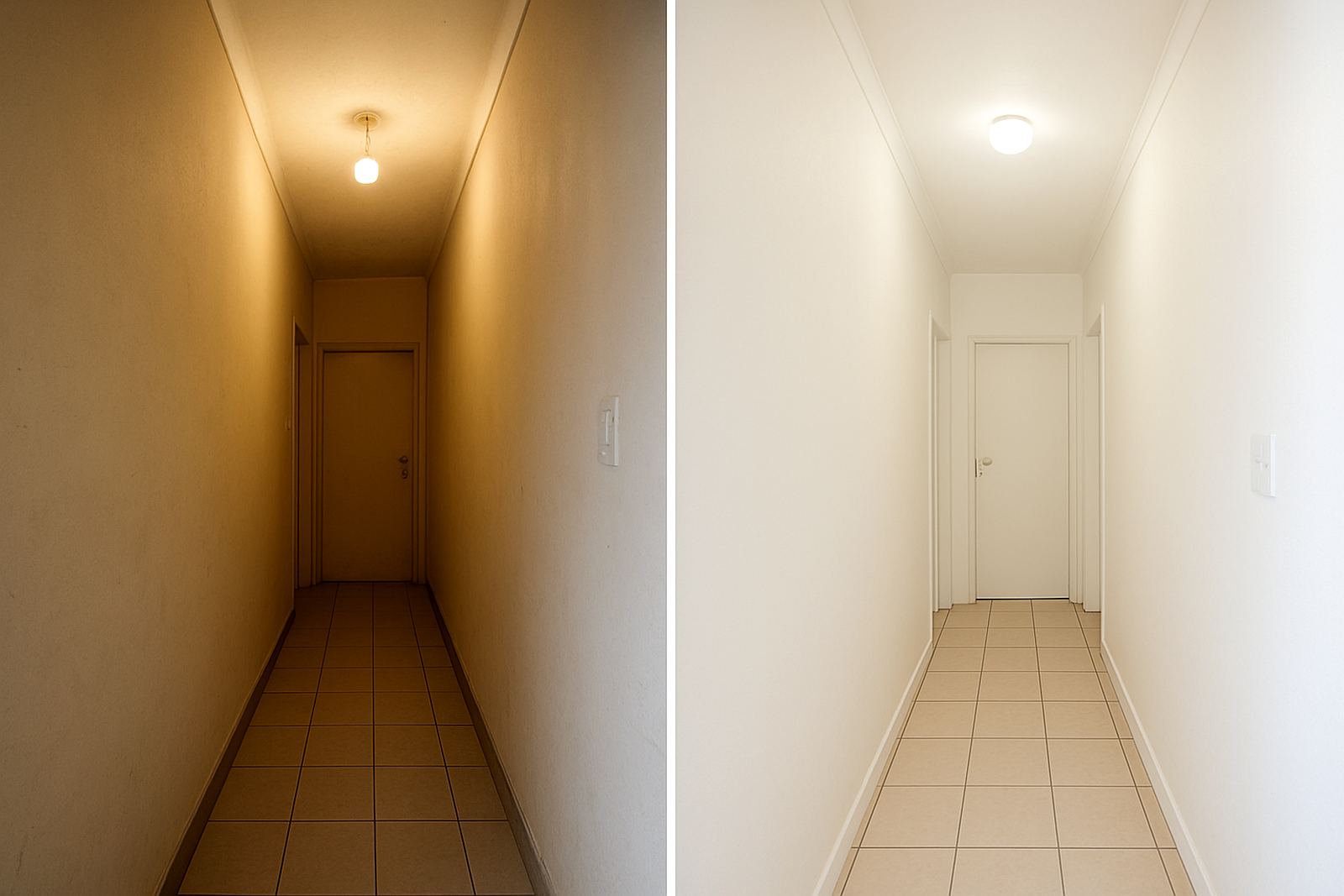
Before choosing a colour, look at how the passage behaves during the day. Some hallways get a little morning light from a front door or side window, while others in older Gqeberha homes stay shaded from one end to the other. If the space is long and narrow, a dark tone on every surface can make it feel even tighter. The aim is not to make it sterile, but to use light reflection wisely.
In homes around Korsten and Walmer, we often see hallways that connect bedrooms, bathrooms and living areas with only one ceiling fitting. That means the walls have to do a lot of the visual work. A good colour plan can help the passage feel cleaner and more inviting without needing costly alterations.
Choose Colours That Lift, Not Flatten
Soft off-whites, pale warm greys and muted cream shades are usually the safest starting point. They reflect more light than deep colours and they sit well with timber doors, tiled floors and painted ceilings. If pure white feels too sharp, choose a warmer tone so the hallway does not feel cold in winter or under bright LED lighting.
- Use a lighter colour on the walls and a clean white or near-white on the ceiling.
- Keep the trim colour slightly brighter than the wall colour for a neat edge.
- If you want interest, try one feature wall at the far end rather than painting the whole passage dark.
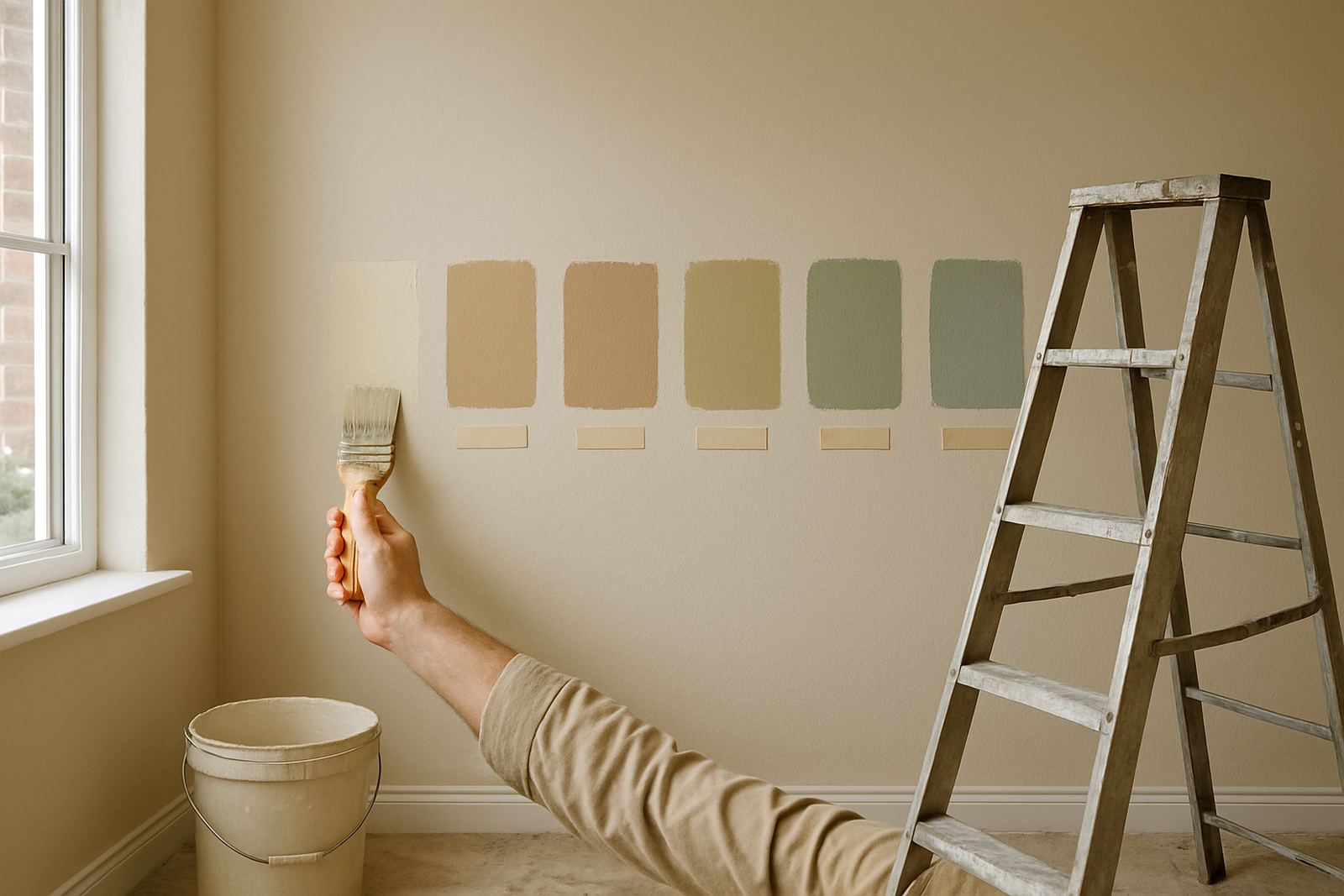
- Test sample patches at both ends of the hallway, because light changes the colour a lot.
In Sandton and Bellville homes, where finishes can be more polished and reflective, a soft neutral often works better than a stark shade. It gives shape to the passage without making it feel busy or overdone.
Finish Matters More Than People Think
The sheen level of the paint has a big effect on how much light bounces around the room. In a dark hallway, a dead flat finish can absorb too much light and show marks more easily. A low-sheen or eggshell finish is often a better choice because it gives a gentle glow without looking shiny. On ceilings, a flat finish still works well if the surface is in good condition.
For homes with children, pets or a lot of foot traffic, choose a finish that wipes down easily. Hallways collect hand marks, school bags scuffs and dust from shoes, so the wall paint needs to cope with daily use. If there are imperfect walls, a slightly softer sheen can also help reduce the look of small patch repairs and old roller marks.
Prep the Passage Properly Before You Paint
Bright paint will not hide dirty walls, water stains or cracked corners. In a hallway, prep matters because every flaw shows when light hits the wall at an angle. Fill hairline cracks, sand patched areas smooth and remove dust from skirting boards and picture rails. If the passage has had damp before, sort that out first or the new coat will struggle.
For coastal homes in Gqeberha, salt air and humidity can make old paint soft or patchy around door frames and windows. That means a proper wash-down and suitable primer are worth the extra effort. If the hallway sits near a kitchen, bathroom or laundy area, make sure grease and steam residue are cleaned off before painting. It saves trouble later.
- Check for flaking paint around corners and touch those spots first.
- Use filler for dents from moving furniture or trolley marks.
- Prime bare plaster, repaired areas and stained patches.
- Allow enough drying time between coats, especially in damp weather.
Use Lighting and Paint Together
Good paint can help, but it works best with the right light fittings. If a hallway is dark because the light is weak or badly placed, even a pale colour will not do all the work. Warm white LEDs often suit passages well, especially where you want the space to feel welcoming rather than harsh. If there are wall lights or downlights, position them so the beam spreads across the wall instead of pointing straight down into one spot.
When power cuts are part of the routine, as they are in many South African areas, consider how the hallway looks in the evening with backup lighting. Pale walls help torch and battery lamp light travel further. That can make movement through the house easier during load-shedding, and it can reduce that gloomy tunnel feel some passages get after dark.
A Local Example From a Narrow Passage in Korsten
One common situation in Korsten is a narrow passage in a family home with tiled floors, a darker front door and little natural light. In that kind of space, a warm off-white on the walls, bright white on the ceiling and a soft low-sheen finish can make a big difference. Add a careful colour match for the doors or skirting and the whole run feels more ordered, even before you change any fittings.
If the hallway connects to rooms painted in different colours, keep the passage neutral so it links the spaces together. That makes repainting easier too, because you can update one room at a time without the passage clashing with everything else. It is a practical approach for homeowners, landlords and contractors who want a neat result without unnecessary rework.
Match the Product to the Job, Not Just the Colour
Colour choice is only half the job. A hallway needs paint that suits the surface, the traffic level and the local conditions. Plaster, gypsum board, timber trims and previously painted walls all respond differently. If the wrong product goes on top, you may end up with patchiness, poor coverage or marks that show through after the second coat.
When planning a repaint, think about:
- Whether the walls need a primer or sealer first.
- How much natural light the passage gets through the day.
- Whether the family wants a washable finish for fingerprints and scuffs.
- If the building is coastal, inland or exposed to hot afternoon sun.
For trade users, that planning saves time and materials. For homeowners, it helps keep the job within budget and reduces the chance of buying too much or too little paint. Bulk planning also matters when you are painting several passages or doing a full interior refresh in stages.