
Why Coastal Homes Need More Regular Paint Care
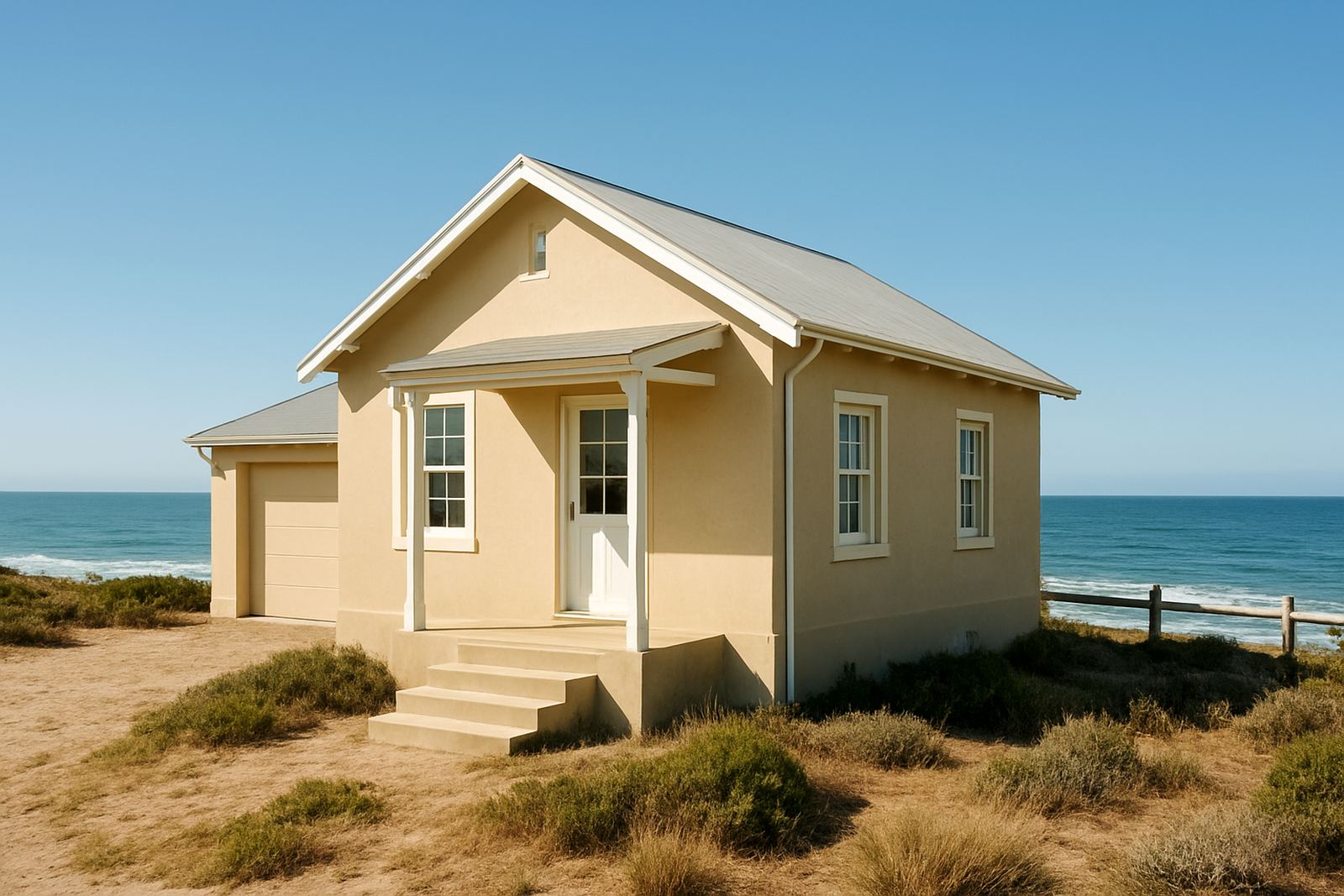
Salt carried in the air settles on walls, gates, window frames and roof edges. Over time it can dull finishes, break down coatings and speed up rust on metal. In places like Gqeberha, Walmer and parts of Cape Town, the weather can turn a sound paint job into a maintenance item sooner than inland homes.
Wind also pushes fine grit against painted surfaces, while stronger sun can dry out sealants and make colour fade faster. The fix is not always a full repaint. Often it starts with better cleaning, careful touch ups and checking the weak spots before they spread. That is where a bit of routine saves real money, especially on larger family homes and rental properties.
The First Line of Defence Is a Proper Wash Down
Before you think about repainting, give exterior surfaces a proper wash. Salt film, dust and mildew can hide the true condition of the paint. A soft hose rinse is often enough for light build up, but stubborn grime usually needs a mild detergent and a soft brush. Do not use harsh scrubbing on older paint, because it can leave the finish patchy.
- Rinse walls, boundary walls and parapets every few weeks in high exposure spots.
- Wash window sills, railings and gates after long windy periods or seaside fog.
- Check for mould in shaded areas, especially on the south facing side of the house.
- Let surfaces dry fully before sealing or repainting so moisture does not get trapped.
For homes in Korsten or Newton Park, where dust and salt can mix after a windy day, this regular wash down makes touch ups last longer and keeps the finish looking even.
Look Closely at Cracks, Flaking and Rust Stains
Paint damage at the coast often starts small. Hairline cracks around windows, blistering on sun facing walls, flaking at the bottom of parapets and rust marks around screws are all warning signs. If you catch them early, you can deal with the problem before water gets into the plaster or timber.
Pay special attention to:
- Window frames where sealant has split or pulled away.
- Wall tops and coping where water can sit after rain.
- Gate hinges, burglar bars and steel posts that show orange spotting.
- Bathroom and kitchen exterior walls near vents, where steam and damp can affect paint.
If a patch keeps peeling, the cause is usually not just the top coat. It may be damp from a crack, poor prep, or a coating that no longer bonds properly. Sorting the cause first saves time and helps the new paint hold up better.
Choose Products That Suit Salt Air and South African Weather
Not every paint type behaves the same near the ocean. Coastal homes need coatings that cope with moisture, UV exposure and regular cleaning. Exterior walls usually do best with good quality paint designed for weather resistance, while metal work needs a proper anti corrosion system before the top coat goes on. Timber, meanwhile, needs sealing to slow down water movement and swelling.
When comparing products, ask about coverage, drying times and whether the finish suits the surface. A smoother sheen may be easier to wipe down on doors and trims, while a matt finish can help disguise minor plaster marks on walls. The right choice depends on the area, not just the colour.
For many homes, a repaint every few years is less about fashion and more about keeping the building skin in working order. In coastal towns, that timing can be shorter than expected if the house sits in open wind or near the surf.
Get the Colour Right Before You Buy the Full Quantity
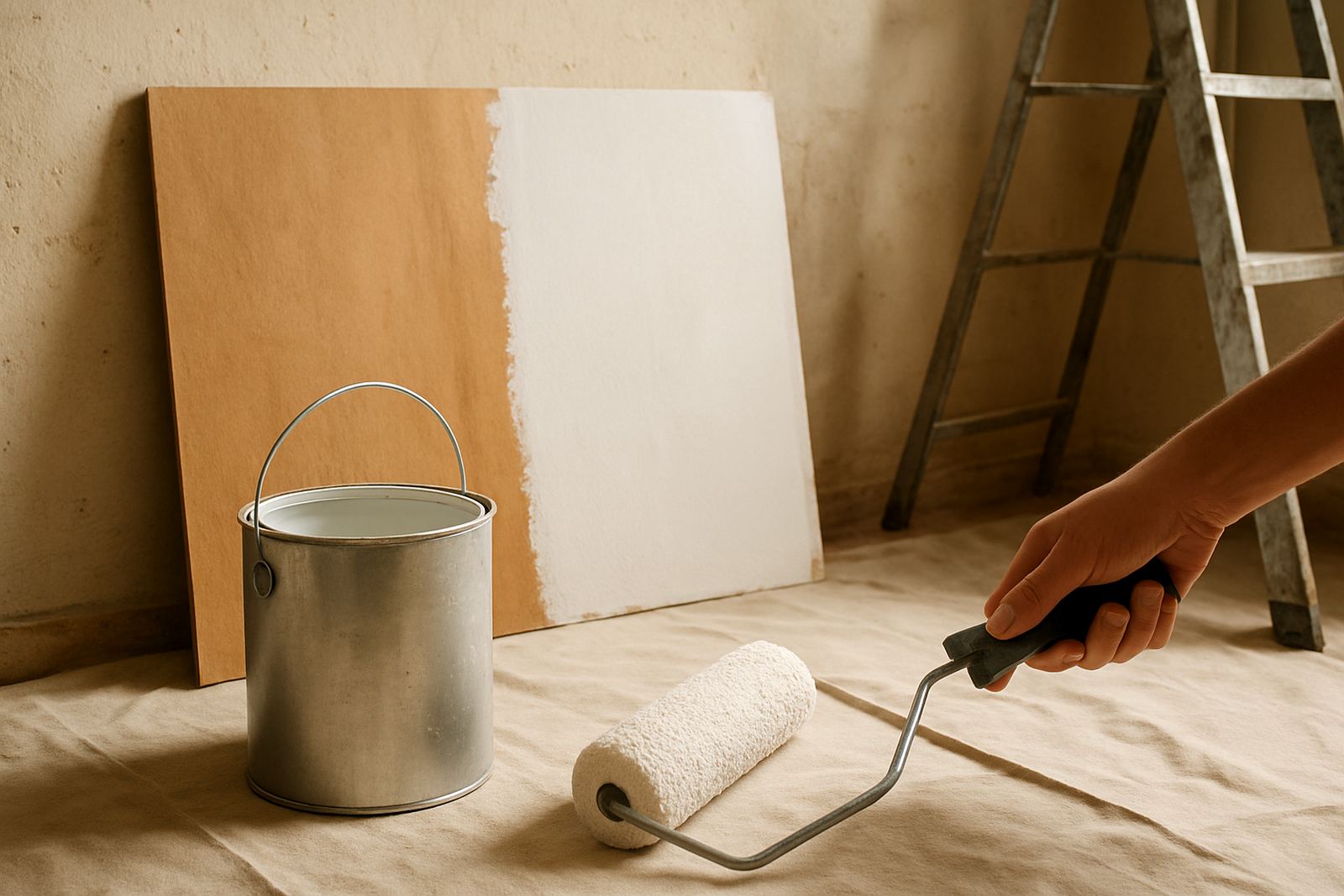
Coastal light can play tricks on colour. A soft grey that looks calm indoors may appear colder outside, while warm whites can show more cream or beige once the sun hits them. That is why a sample pot is worth the small cost. Test it on at least two walls, one in shade and one in full sun, then look at it in the morning and late afternoon.
Our Gqeberha colour matching team often sees the same thing happen on repaint jobs. A customer wants a close match to an older wall, but salt fading and age have changed the original finish. Matching by eye alone can be misleading, so it helps to compare against a clean section if one is available. If not, a careful sample mix can get much closer than guessing.
- Test colour on a prepared patch, not straight over dirty paint.
- Allow samples to dry fully, because wet paint often looks darker.
- Check the finish against nearby roof tiles, paving and trim.
- Order enough paint for the full wall group so there is less batch variation.
A Practical Repaint Plan for Gqeberha and Other Coastal Areas
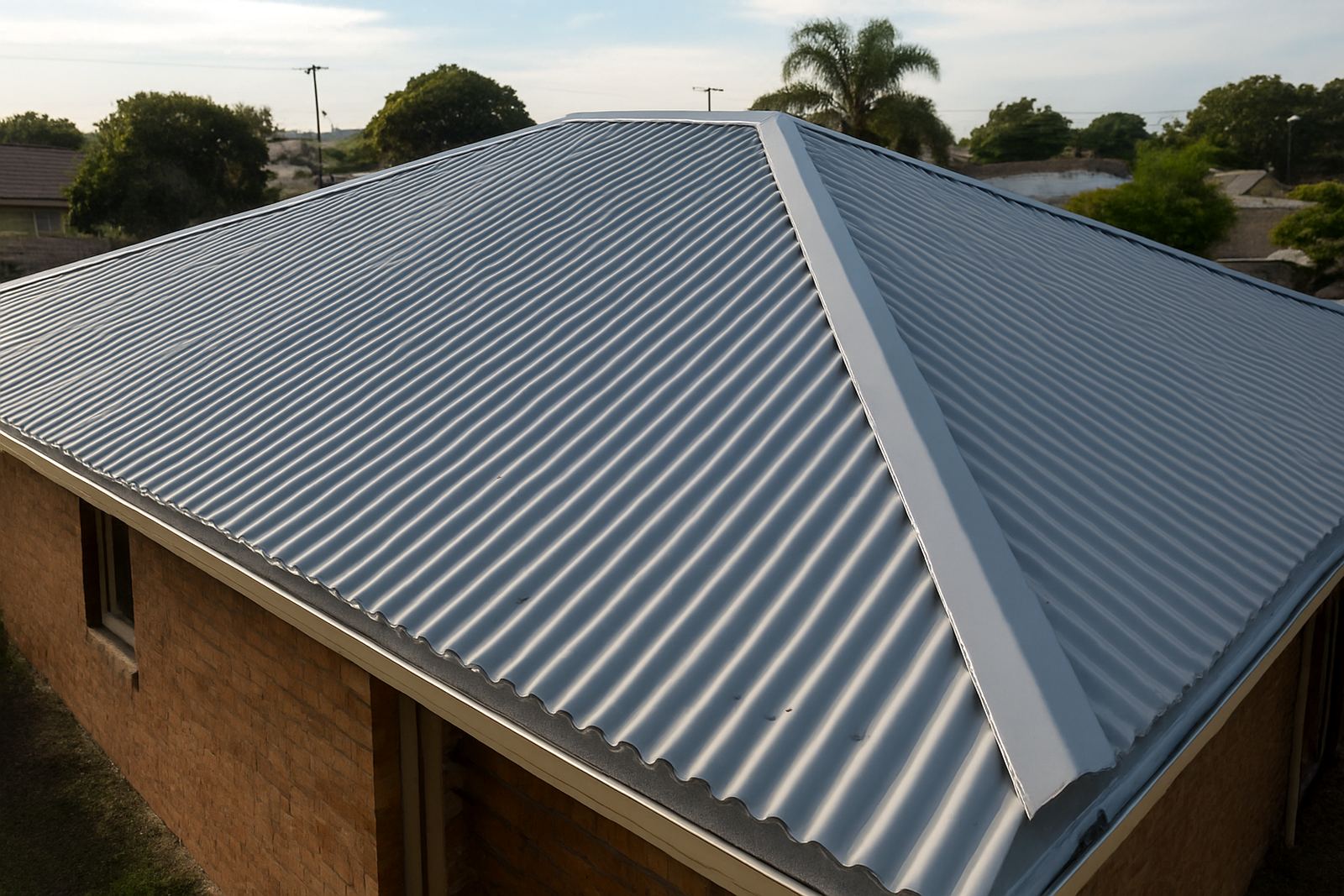
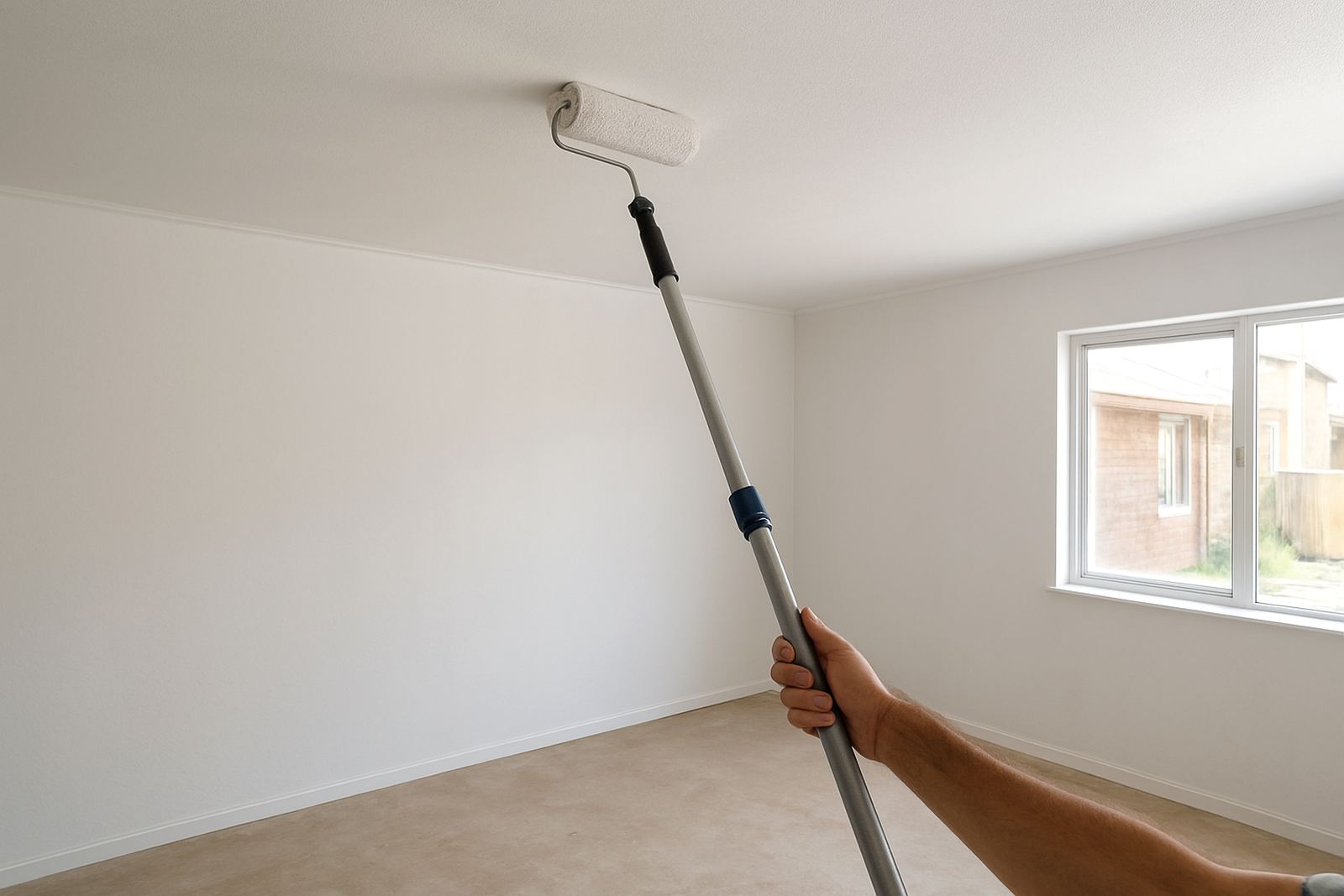
A repaint does not need to be rushed into in the middle of a wet spell. Pick a stretch of dry, mild weather and allow time for prep. In coastal areas, surface preparation is where the job is won or lost. That means cleaning, scraping loose paint, sanding rough edges, filling cracks and letting repairs dry properly before coating starts.
A useful order of work is: roof line and gutters first, then walls, then doors, frames and gates. This keeps drips off finished surfaces and helps you see what still needs attention. If you are managing a rental, body corporate block or contractor schedule, it also helps to plan around occupants, parking and municipal access. Small details save arguments later.
For houses near the beach, I would rather see a careful repaint with proper prep than a rushed one using too much paint. The extra day on preparation usually pays for itself in longer service life and fewer call backs.
When to Ask for Help Instead of Guessing
Some jobs are straightforward, but others need a second pair of eyes. If you are seeing repeated blistering, staining from damp, or colour that changes badly from room to room, it helps to get practical advice before you buy. The same goes for contractor work, bulk buying or planning around a tight budget. Getting the quantities wrong on a 40 litre order is costly.
ColouRight Paints helps with paint colour matching, custom tinting, sample pot mixing, surface prep advice, product recommendations, trade order support and repaint troubleshooting from Korsten, Walmer, Newton Park, Sandton, Randburg and Bellville. That kind of local support matters when the weather is rough and you need the right finish first time.
Coastal paint care is really routine care. Keep surfaces clean, fix small faults early and choose products that suit the exposure. Do that, and the house will hold up better against salt, wind and strong sun, even if the weather is a bit unkind.