
Paint finish changes colour, light and wear
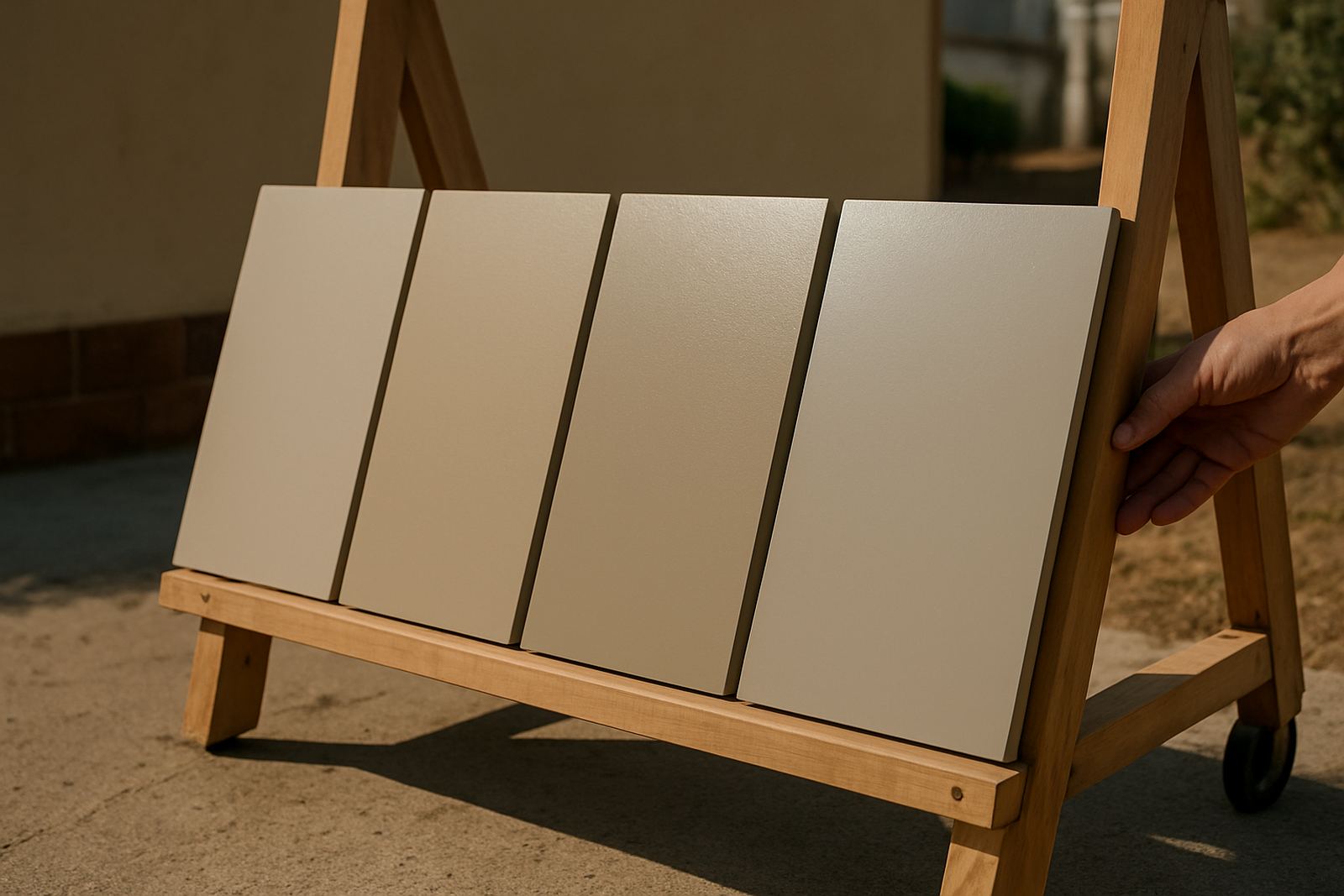
Two walls painted the same colour can look very different once the finish changes. A matt paint softens light and hides small surface marks, while a glossier finish reflects more light and can make imperfections stand out. That matters on older plaster, patched walls and any surface that has seen a few repaints.
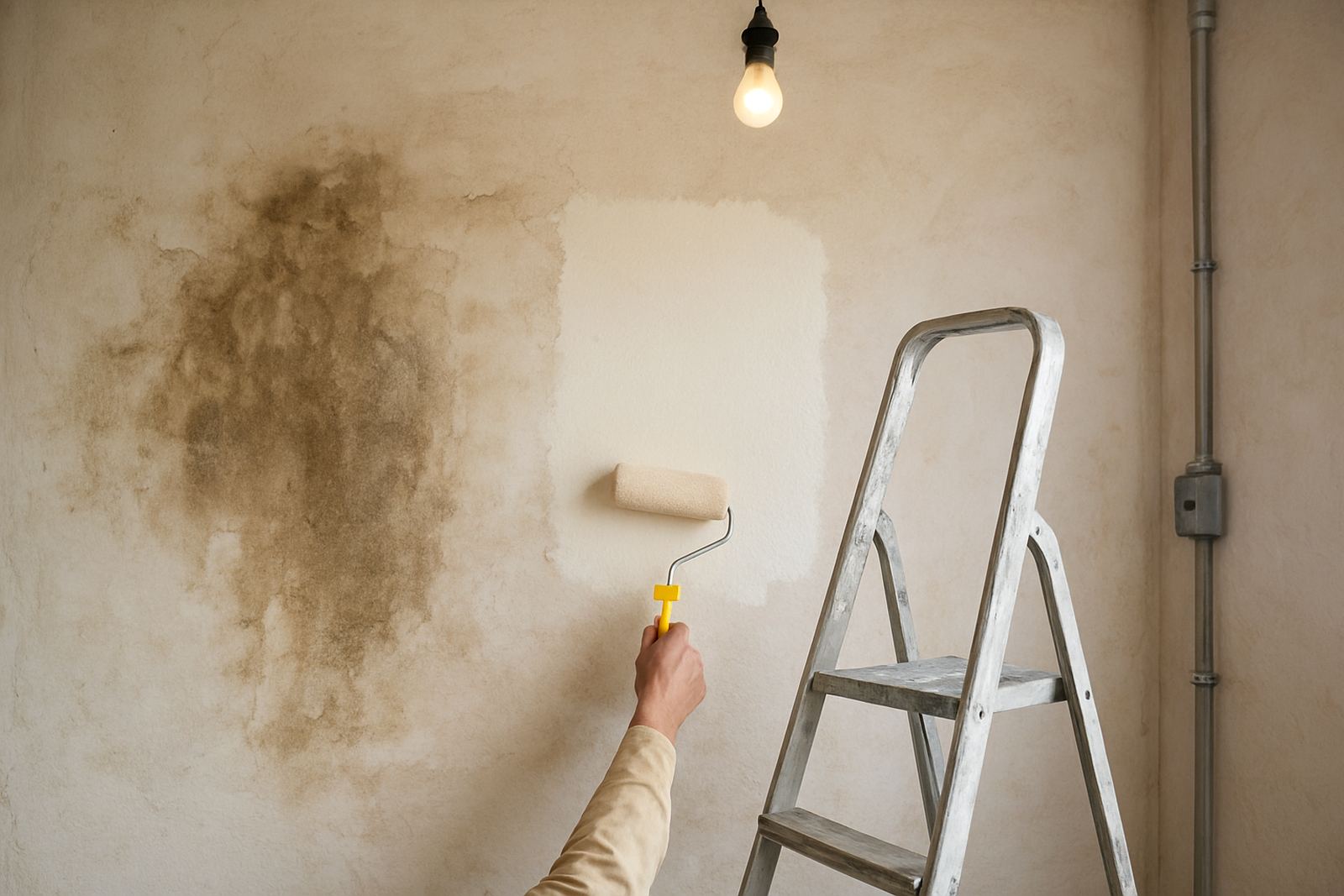
Before you settle on a shade, think about the room first. A colour that feels calm in matt might look sharper in low-sheen or bright in gloss. If you are repainting after repairs, it is worth checking the wall prep as well, because finish will not hide cracks, ridges or poor sanding. It can actually show them.
Matt finish for calmer rooms and older walls
Matt paint is a strong choice for bedrooms, lounges and ceilings. It gives a softer look and helps disguise minor plaster flaws, which is useful in homes with older walls or where daylight comes in from different angles. In Gqeberha, where many homes get strong sun and salt air, matt on interior walls can also help a room feel less harsh in bright light.
It is usually less wipeable than glossier options, so it suits areas where people are not brushing past the walls every day. If a wall gets marked often, like behind a passage corner or near a child’s room, you may need to touch up sooner.
- Best for bedrooms, ceilings and low-traffic living areas
- Hides small surface marks and patching better than glossy paints
- Gives a softer, less reflective appearance
- Needs a bit more care when cleaning
Low-sheen paint for busy family spaces
Low-sheen sits between matt and gloss. It gives a neater appearance than matt but does not shine as much as higher gloss paints. Many homeowners choose it for living rooms, hallways, dining rooms and family spaces because it handles everyday use better than a flat finish.
This is often the practical middle ground. If you want a wall colour that still looks clean after regular dusting, low-sheen is worth considering. It can also work well in coastal homes where humidity is part of daily life, because you want a finish that cleans up better without looking too shiny in natural light.
- Good for lounges, passages and family rooms
- Balances appearance with easier maintenance
- More forgiving than gloss on ordinary wall surfaces
- A sensible choice when you want a neat modern look without too much shine
Gloss and semi-gloss for trim, doors and hard-working areas
Gloss and semi-gloss finishes are usually chosen for trim, doors, windowsills and certain kitchen or bathroom surfaces. They reflect more light and are easier to wipe down, which makes them practical where people touch surfaces often or where splashes are common. On woodwork, they can give a crisp, clean edge to the room.
The trade-off is that surface preparation must be better. Every sanding mark, dent and join can show once the paint dries. That is why gloss is best used where the prep is already neat. If the surface is uneven, a lower sheen may give a better final result. It is tempting to go shiny, but the wall must earn it.
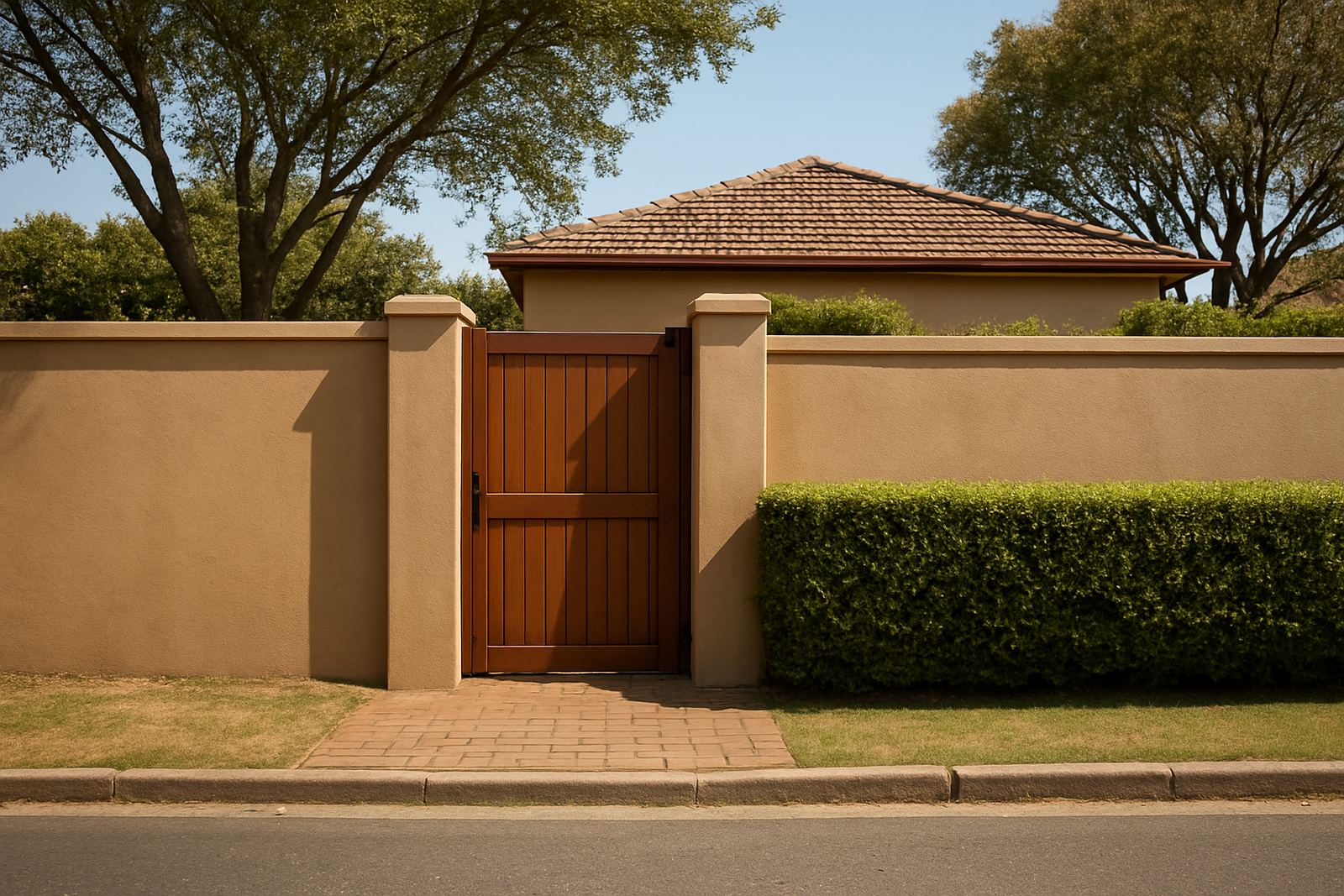
In coastal areas like Walmer or the Newton Park side of town, moisture and salt can be part of the picture, so the correct primer and prep are just as important as the finish itself.
Matching finish to room use and local conditions
The right finish is not only about style. It is about how the room is used, how often it gets cleaned and what the climate does to the surface. A rental flat in Sandton may need a different approach to a family home in Korsten or a shop in Bellville. Load-shedding can also affect repaint timing, since you may want enough daylight for drying and inspection before you pack up for the day.
Use this quick guide when deciding:
- Bedrooms: matt or low-sheen for a softer finish
- Passages and family rooms: low-sheen for easier upkeep
- Doors and trims: semi-gloss or gloss for cleaning and definition
- Bathrooms and kitchens: low-sheen to gloss depending on ventilation and cleaning needs
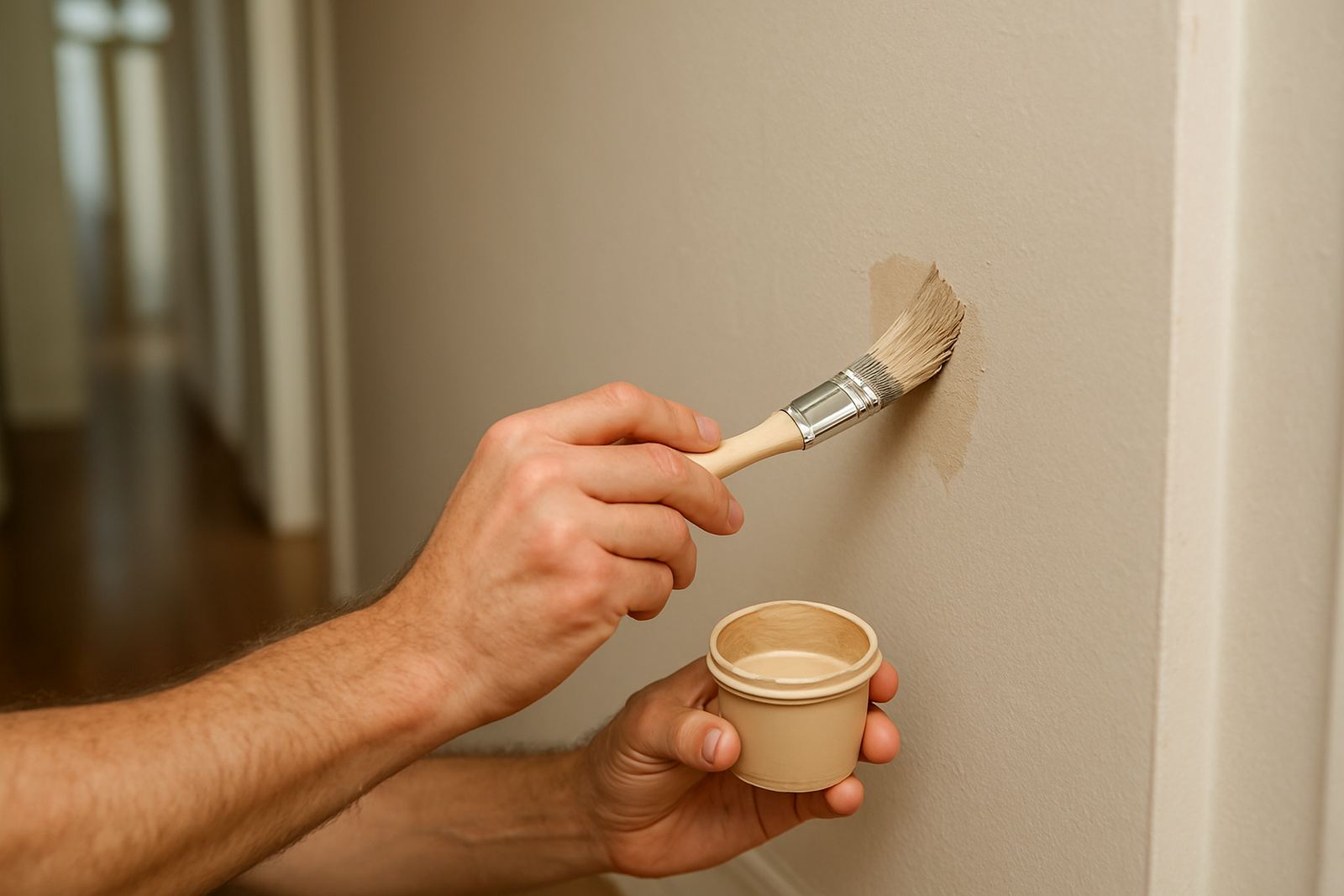
If the room gets strong sun, check how the colour shifts through the day. A pale grey may look warmer in morning light and cooler by afternoon, so a sample patch on the actual wall is a smart step.
A practical example from a Gqeberha repaint
A homeowner in Korsten may want to refresh a lounge, passage and main bedroom after years of wear. The lounge walls might suit low-sheen because children, guests and daily cleaning are part of life. The main bedroom could stay matt for a softer finish. Doors, skirtings and window frames might get a glossier product so they can be wiped clean after sea air and dust build up.
That kind of mix is common and it often gives the best result. You do not need one finish for the whole house. In fact, combining finishes can help the best parts of each room stand out. The key is to keep the choice practical and consistent with the condition of the surface.
What to ask before you buy paint
If you are unsure, ask about the room, the surface and the amount of traffic it gets. A good finish choice is easier when you know whether the wall is newly plastered, previously painted, damp-prone or badly patched. The right advice can save you from buying a paint that looks fine on the tin but is wrong for the job.
Before you leave with your paint, confirm these points:
- Is the surface interior or exterior?
- Will the area need frequent washing?
- Are there cracks, damp patches or old peeling paint?
- Do you want less shine or more light reflection?
- Will the same colour be used on walls and trim?
At ColouRight Paints, finish selection often goes hand in hand with colour matching, sample pot mixing and prep advice, because the final look depends on more than the colour alone. The right sheen can make a room feel settled and well finished, while the wrong one can show every flaw.