
Why high traffic areas need a different paint choice
Passages, stairwells, school halls, reception areas and family rooms all get frequent contact from hands, bags, chairs and shoes. In these spots, paint is not just about colour, it has to cope with scuffs, moisture from frequent cleaning and the odd bump from furniture or equipment.
A low cost interior paint may look fine on day one, but it can mark quickly in a narrow corridor or at a stair landing. For homes in Gqeberha, especially near the coast, you also need to think about humidity and salt in the air. That can affect drying times and how well a painted surface holds up over time.
Best finishes for passages, stairs and shared rooms
For high traffic walls, a washable low sheen or eggshell finish is often a practical choice. It gives enough body to hide minor wall imperfections while still allowing easier cleaning than a flat finish. In some commercial spaces, a tougher mid sheen product may be worth using on lower wall sections, especially where people brush past often.
- Low sheen: good for family passages and living areas, with a softer look.
- Eggshell: useful where you want easier wipe down cleaning and a neat finish.
- Mid sheen: better for busy stairwells, entrances and walls that get handled often.
- Flat matt: best avoided in very busy areas unless the wall is low contact and carefully maintained.
Ceilings usually need less wear resistance than walls, so you can often keep a flat ceiling finish above a tougher wall coating. That helps keep the overall job cost in check too.
Preparation matters more than the paint tin
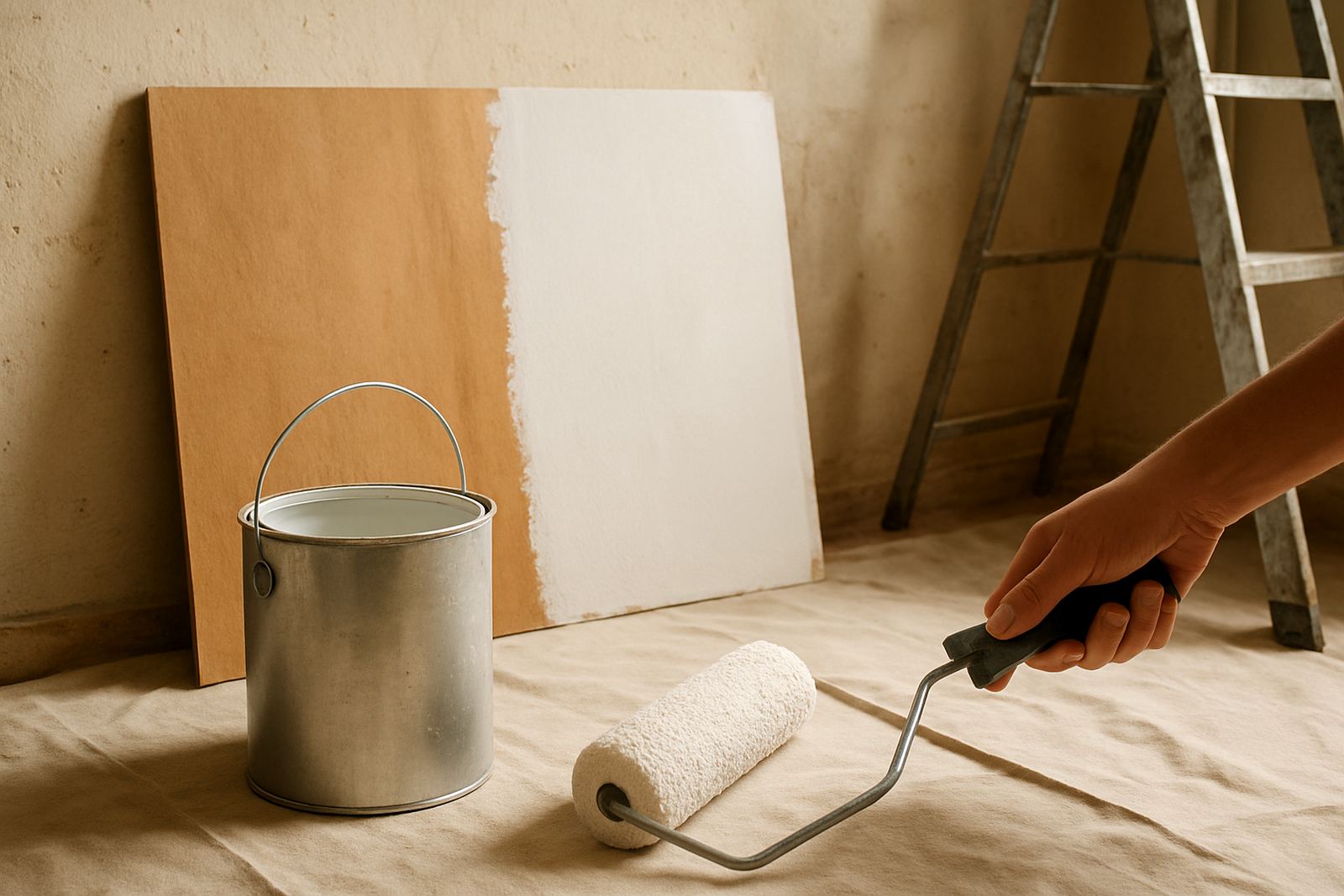
Even the best paint will not last if the surface underneath is dusty, glossy or cracked. High traffic areas need proper prep because any weak spot will show sooner. Clean walls, fill dents and sand rough patches before painting. If the old coating is shiny, it should be deglossed so the new paint can grip properly.
On older properties in areas like Korsten, Newton Park or Walmer, you may find patchy repairs, old water marks or hairline cracks from building movement. These should be sealed and repaired before colour goes on. If you rush this stage, the finish can look uneven and may start to peel at corners and around stair nosings. That is where call backs and extra costs start.
- Wash off dust, hand marks and nicotine residue where needed.
- Scrape loose paint and sand feathered edges smooth.
- Use the correct filler for cracks, chips and small holes.
- Prime repaired areas so patched spots do not flash through.
Colour choices that work in busy interiors
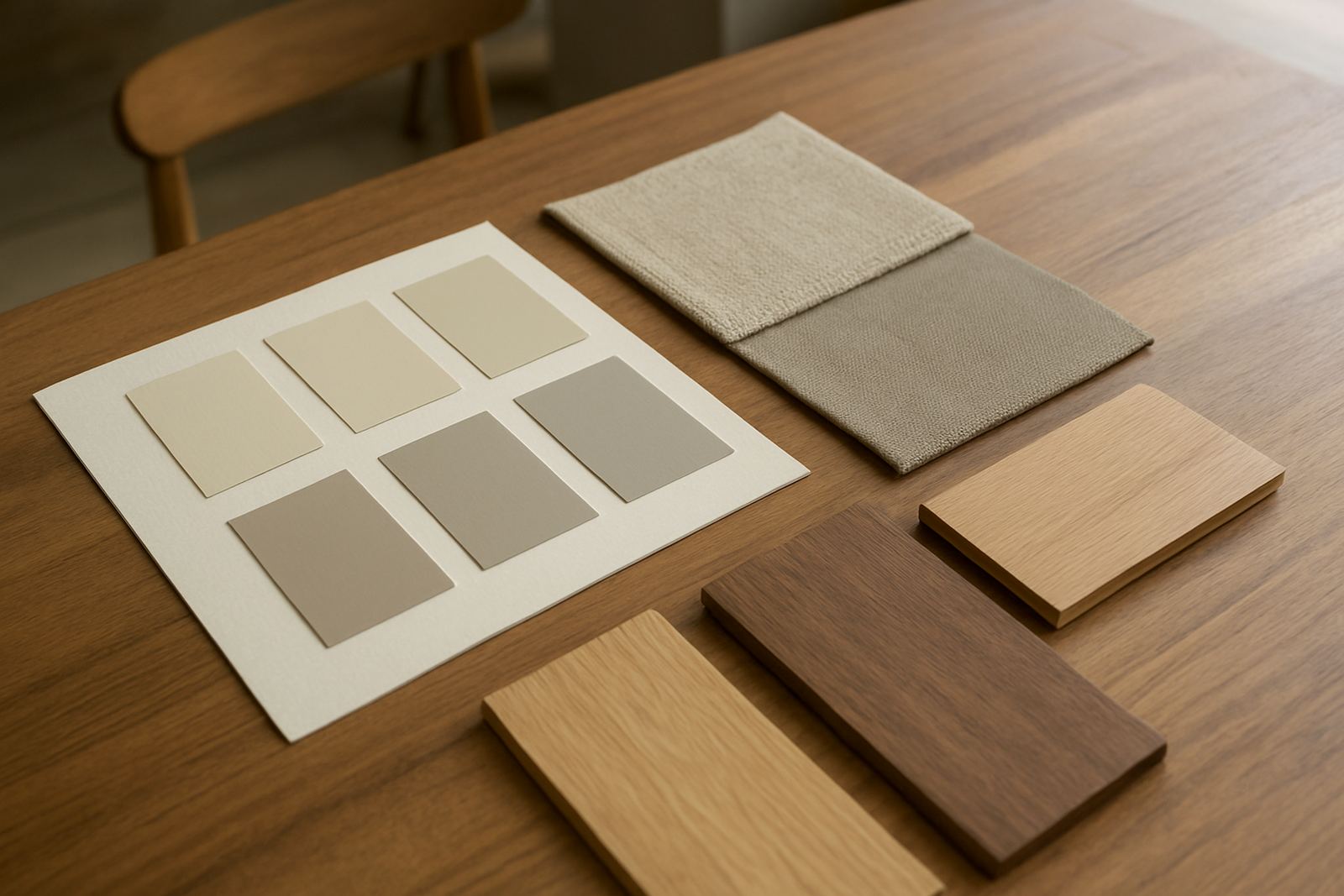
Darker colours can hide some marks, but they also show dust and touch up patches more clearly. Very pale shades are brighter, though they may show scuffs faster in a narrow passage. Soft mid tones, warm greys and muted off whites are often the safest option for a lived in space. They keep the area looking tidy without making every mark stand out.
If you are matching an existing room or trying to carry colour from one level to another, sample pots are worth using before the full order is mixed. A wall can look very different under north light in Gqeberha compared with a shaded stairwell or a Sandton office corridor. Test the sample on more than one wall and check it at different times of day.
Cleaning and maintenance without damaging the finish
High traffic paint should be cleaned gently and regularly rather than scrubbed hard once a year. Clean painted surfaces with a soft cloth or sponge, plus mild soap and water. Strong chemicals and rough pads can polish the surface, leave marks or break down the coating sooner than expected.
For business premises, set a simple maintenance plan so small scuffs are dealt with before they spread. A bit of touch up paint kept from the original tint can save a full repaint later. Make sure the touch up tin is labelled with the area, colour name and date. That small habit helps when a contractor returns months later and needs a clean match.
- Wipe hand marks near switches, railings and door frames every few weeks.
- Keep a small tin for quick touch ups in the same sheen and batch where possible.
- Avoid heavy water use on fresh paint for the first few weeks.
- Check stair edges and skirting boards more often than other wall areas.
A local example from a busy Gqeberha passage
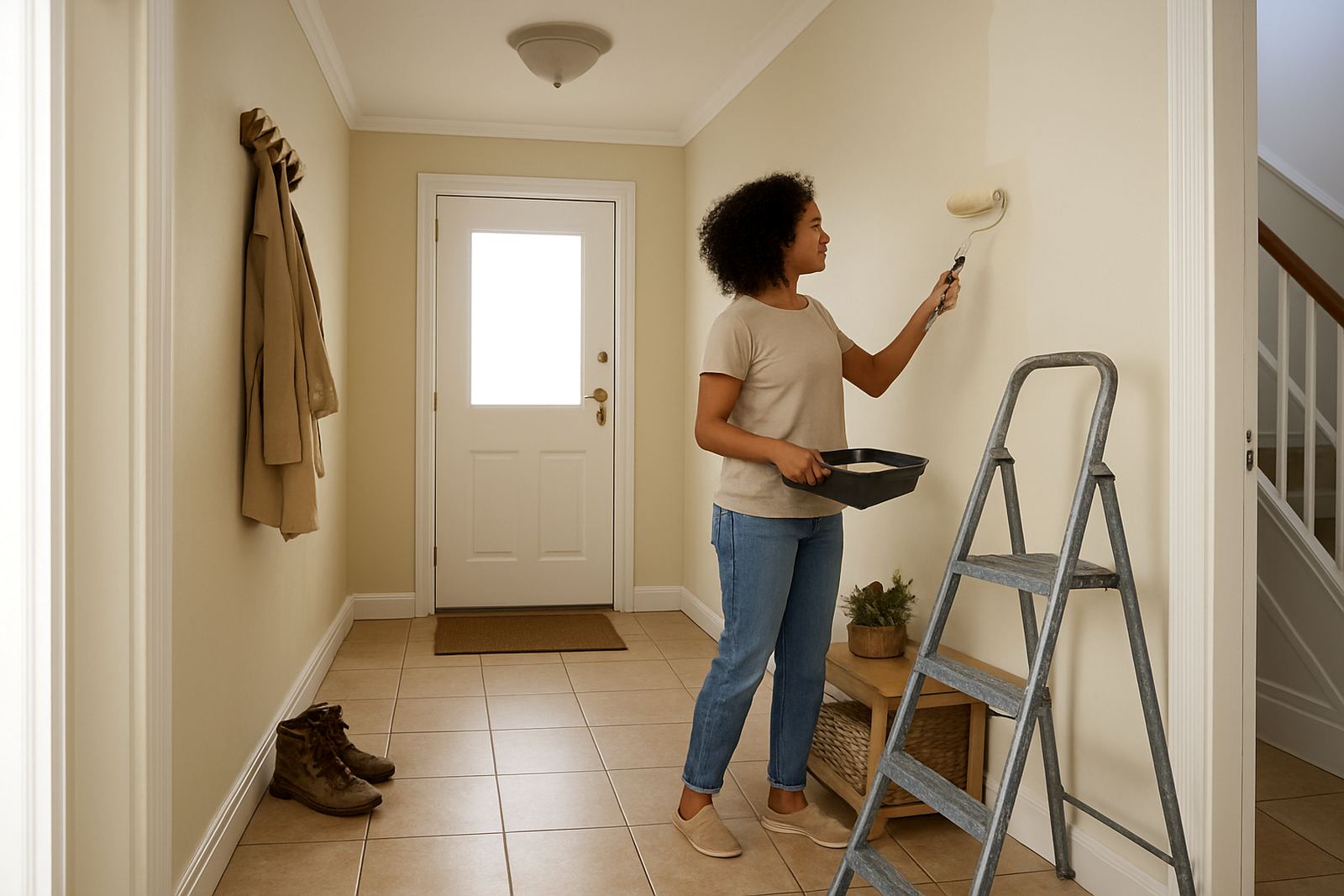
A family in a Korsten home wanted their passage repainted after years of foot traffic, school bags and regular cleaning. The walls had old patch repairs and one side received strong afternoon sun, while the stair area stayed shaded and slightly cooler. After colour matching the existing tone and advising on a washable low sheen finish, the space was repainted in stages so the household could still move through the home.
That kind of job is common across Gqeberha because many homes and small businesses use the same passage for daily movement, deliveries and visitors. In those spaces, a sensible paint system matters more than chasing the cheapest tin on the shelf. Good prep, proper tinting and the right finish can keep the area looking decent for much longer.
Getting the right support for repeat use spaces
For passages, stairs and shared rooms, it helps to plan the job before any paint is opened. Ask for colour matching, surface prep advice and product recommendations that suit the amount of traffic in the area. If you are working on a larger property, bulk quantity planning can also prevent mid project shortages, which is a headache when the same tint has to be repeated.
ColouRight Paints supports homeowners, contractors and business owners from Korsten in Gqeberha, with branch support in Joburg and Cape Town as well. Whether you need repaint troubleshooting, contractor account help or a custom tint mixed to an existing wall, the aim is to match the product to the space so it lasts properly. That is especially useful in shared areas where the finish gets tested every day.