
Start with the light you already have
Before choosing a colour, look at how the room gets light during the day. A north-facing room may hold sunlight for longer, while a south-facing room can stay cooler and need a warmer paint tone to stop it feeling flat. In coastal areas like Gqeberha and Walmer, bright daylight off pale paving or sea mist can change how a colour reads by mid-afternoon.
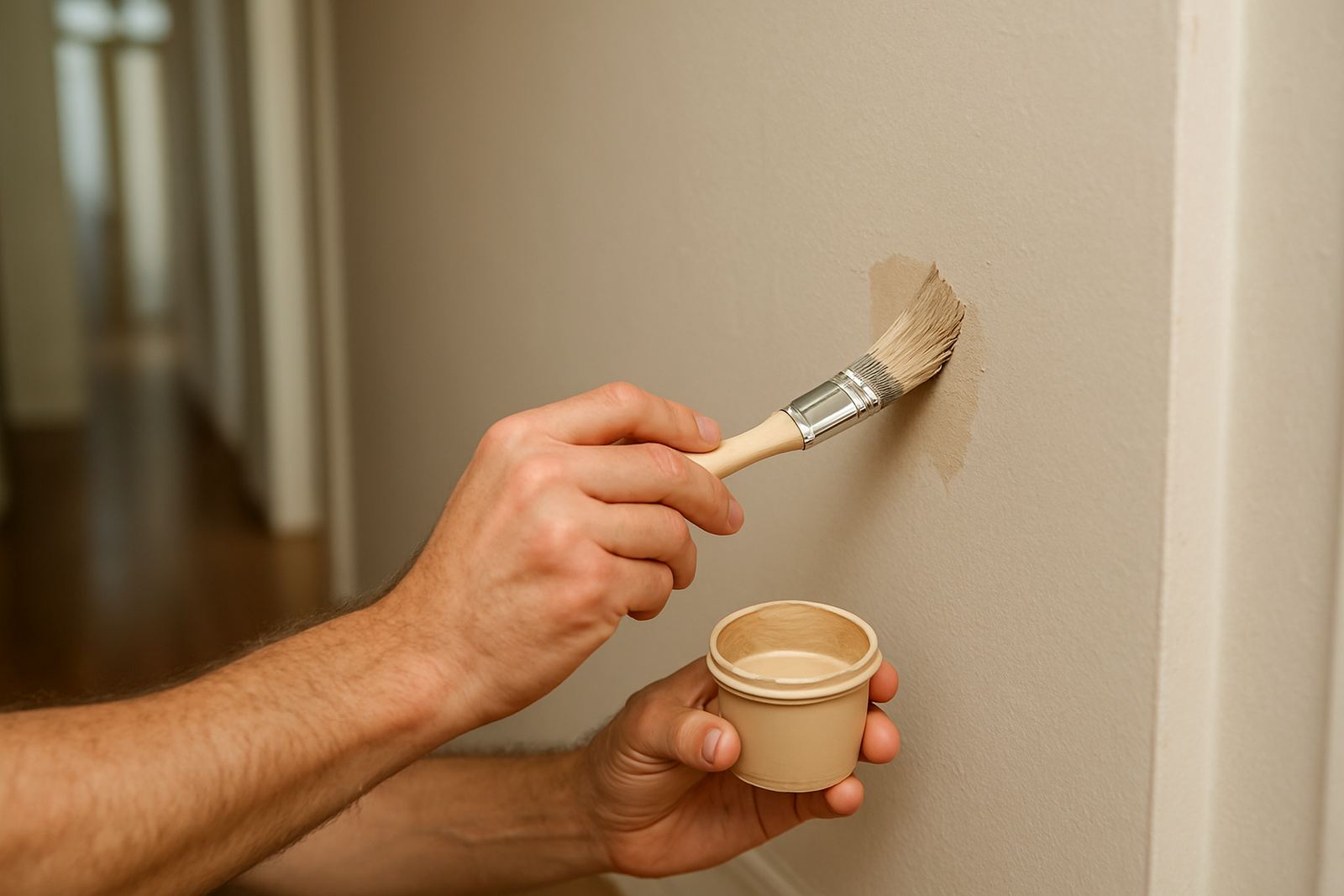
Test colours on at least two walls, not just one. Paint a small sample about 500 mm square and check it in morning light, at lunch and after dark with your normal lights on. This is especially useful in compact rooms where one wall may catch glare and the opposite side may sit in shadow.
Choose colours that open the room without washing it out
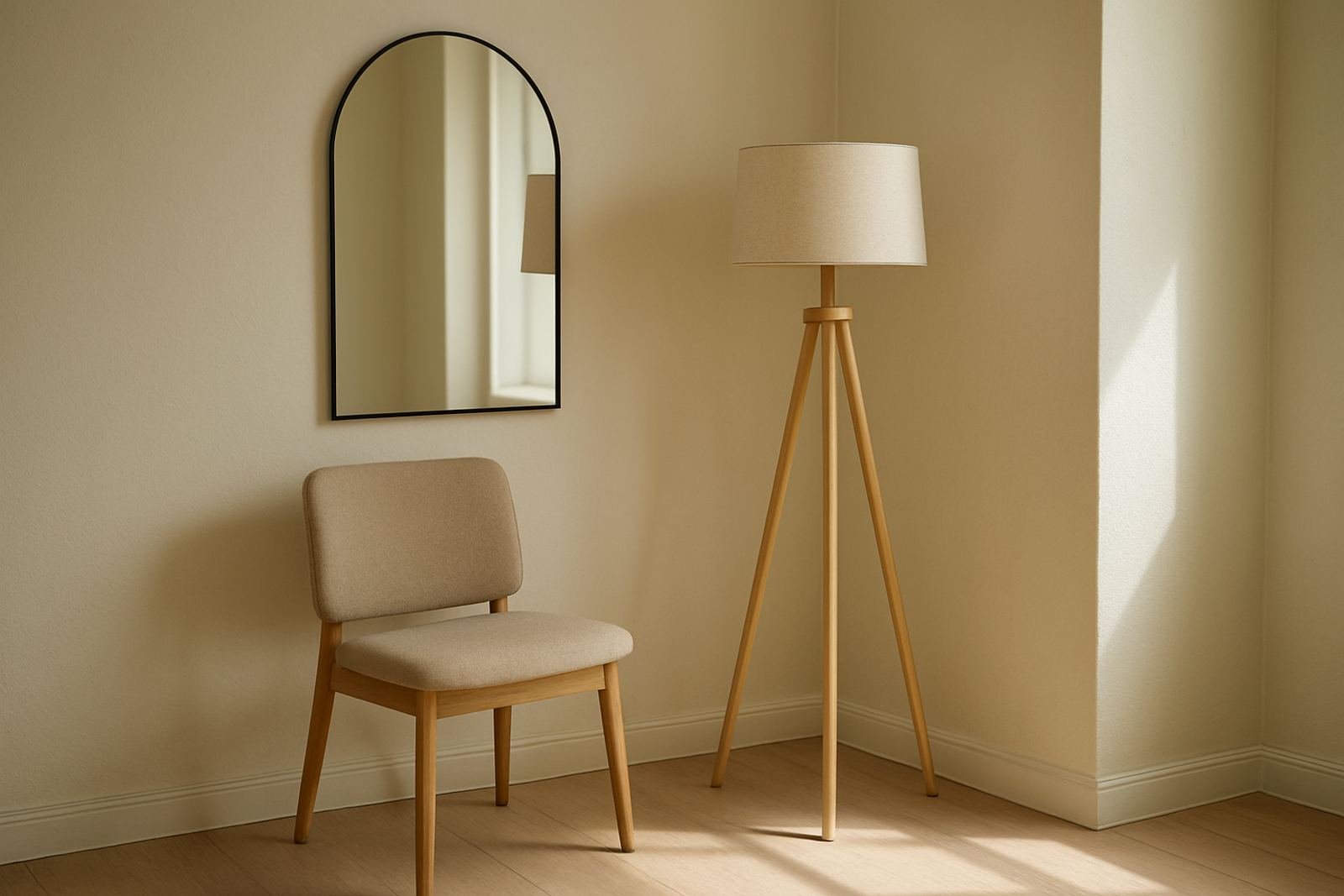
Pale neutrals are often the safest choice, but the exact shade matters. A soft white, warm grey, light greige or muted beige can make a room feel airier without looking cold. If the room has tiled floors, built-in cupboards or darker furniture, keep the wall colour light enough to balance the weight of those items.
Strong colour is not off limits in a small room, but use it carefully. A single feature wall behind a headboard, sofa or work area can add depth while keeping the rest of the room quiet. In many homes, one calm colour repeated across all walls gives a better result than trying to force contrast everywhere.
- Warm whites suit rooms with little natural light.
- Soft greys work well with aluminium frames and modern fittings.
- Light beige tones can take the edge off cool coastal light.
- Muted green or blue can feel restful in a bedroom or study.
Use finish to control glare and hide small flaws
In smaller rooms, finish matters just as much as colour. A matt or low-sheen finish helps reduce glare and can hide uneven patches better than a shiny paint. This is useful on older plaster, patched walls or ceilings with minor movement cracks. If the room gets wiped often, a washable low-sheen product gives you a practical balance.
For trims, doors and skirting, a slightly tougher finish can help with scuffs from vacuum cleaners, bags and shoes. Keep the contrast gentle though. A very bright white trim against a dark wall can make the room feel chopped up, while a softer trim colour keeps the eye moving around the space.
Paint the ceiling and trim to lift the room
A ceiling that is cleaner and lighter than the walls usually helps a compact room feel taller. In low rooms, a bright ceiling colour can make a real difference, especially if the room has bulkheads or a central light fitting. If the ceiling has marks or old water stains, sort those out first or they will show through and spoil the finish.
When the room is very small, keep the trim colour close to the wall colour. This reduces visual breaks and lets the room read as one space. If you want a little definition, use a difference of only one or two shades rather than a hard contrast.
- Paint the ceiling first, then walls, then trim.
- Use clean, sharp masking to keep lines neat.
- Apply two coats for even colour, sometimes three on darker changes.
- Let each coat dry fully before the next one goes on.
Prepare properly so the colour works harder
Small rooms show flaws quickly. That means sanding, filling and dust removal are not optional. Hairline cracks, old nail holes and flaking edges must be fixed before painting or the finished room will still look tired. If there has been damp or mould, deal with the cause first, especially in bathrooms, ground-floor rooms and homes close to the coast.
A good primer can help when changing from dark to light paint, or when covering patchy repairs. It also helps in rooms where the previous paint has a chalky surface. Proper preparation means the chosen colour behaves as expected, rather than looking blotchy or dull.
A Gqeberha example: a small room that needed calm
In Korsten, many homes and offices use compact rooms for sleeping, storage or admin work. A recent type of space we often see in Gqeberha is a narrow room with one window, pale tiles and heavy furniture. The fix is usually not a dramatic colour change but a measured one: a warm off-white on the walls, a cleaner white on the ceiling and a low-sheen finish that cuts glare from bright Port Elizabeth light.
For this kind of room, colour matching matters because two whites can look completely different once they are on the wall. One can turn yellow in the afternoon, while another may go grey under LED lighting. Matching the paint to the flooring, curtains and natural light saves time and prevents repainting later on. A small room done well often feels bigger because the colours stop fighting each other.
When to ask for help with colour matching and quantity
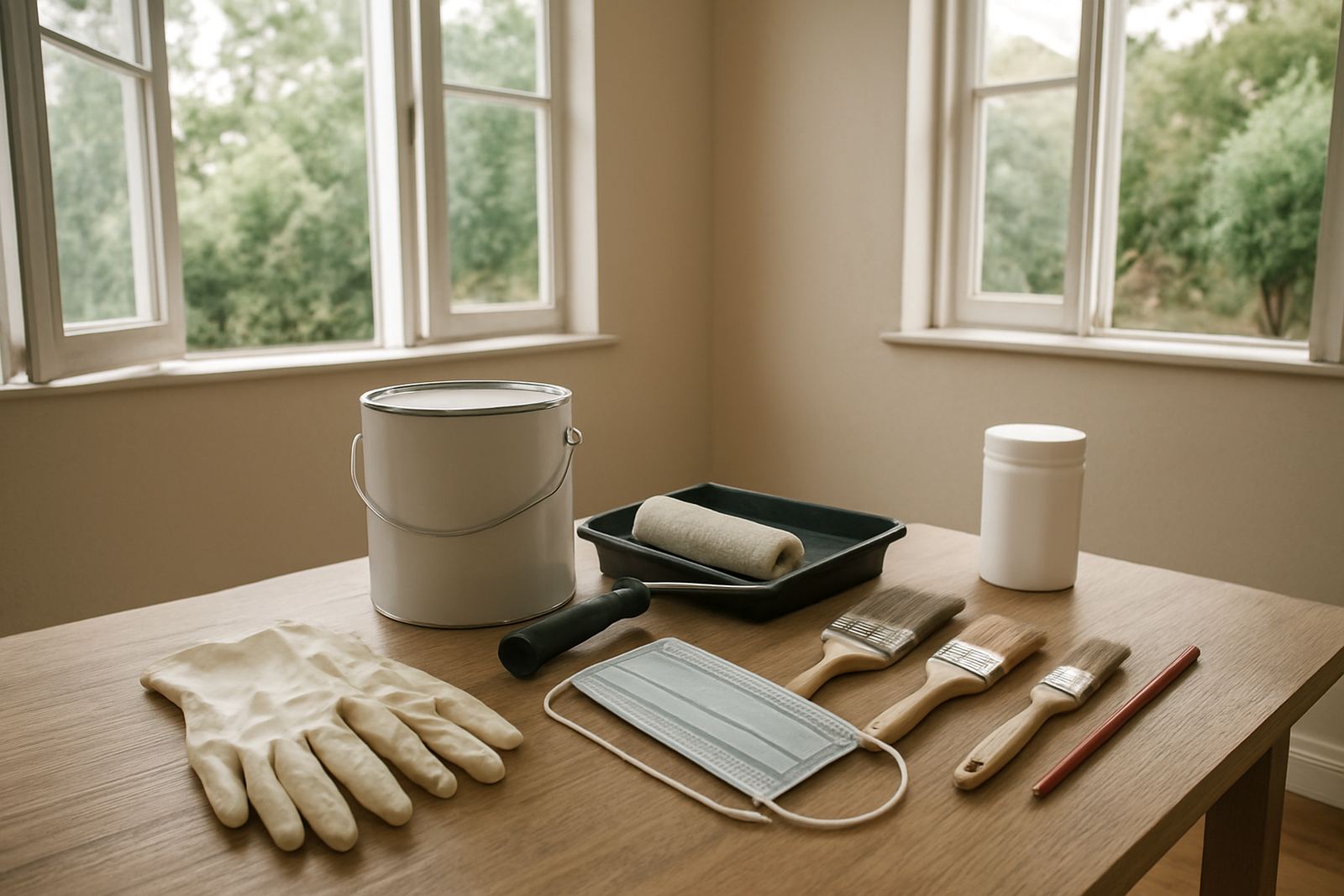
If you are repainting a bedroom, small lounge, consulting room or office nook, it helps to work out the coverage before buying. A compact room may seem easy, but darker walls, porous plaster and repeated colour changes can use more paint than expected. Measure the walls, subtract doors and windows, then plan for two coats and a little extra for touch-ups.
Colour matching is also useful when you want to keep part of a home consistent, such as matching a passage to a bedroom or a small office to a reception area. If you already have a colour you like on one wall, bring a sample and compare it against fresh paint under the same light. That makes it easier to get the result you want first time, instead of guessing and hoping.
- Bring a painted chip, lid or sample if you need a close match.
- Ask for advice on sample pots before buying full tins.
- Check quantities for a 1 room job plus one touch-up tin.
- Keep the same finish across similar rooms for a cleaner look.