
Where Renovation Jobs Usually Go Wrong First
Older homes in Korsten, Walmer and parts of Gqeberha often have tired plaster, patch repairs, hairline cracks and different layers of paint from previous jobs. In Joburg and Cape Town, the challenge is often slightly different, with dust, moisture changes, sun exposure and previous DIY work that was done quickly instead of properly. If the surface is not stable, even a good paint job can fail early.
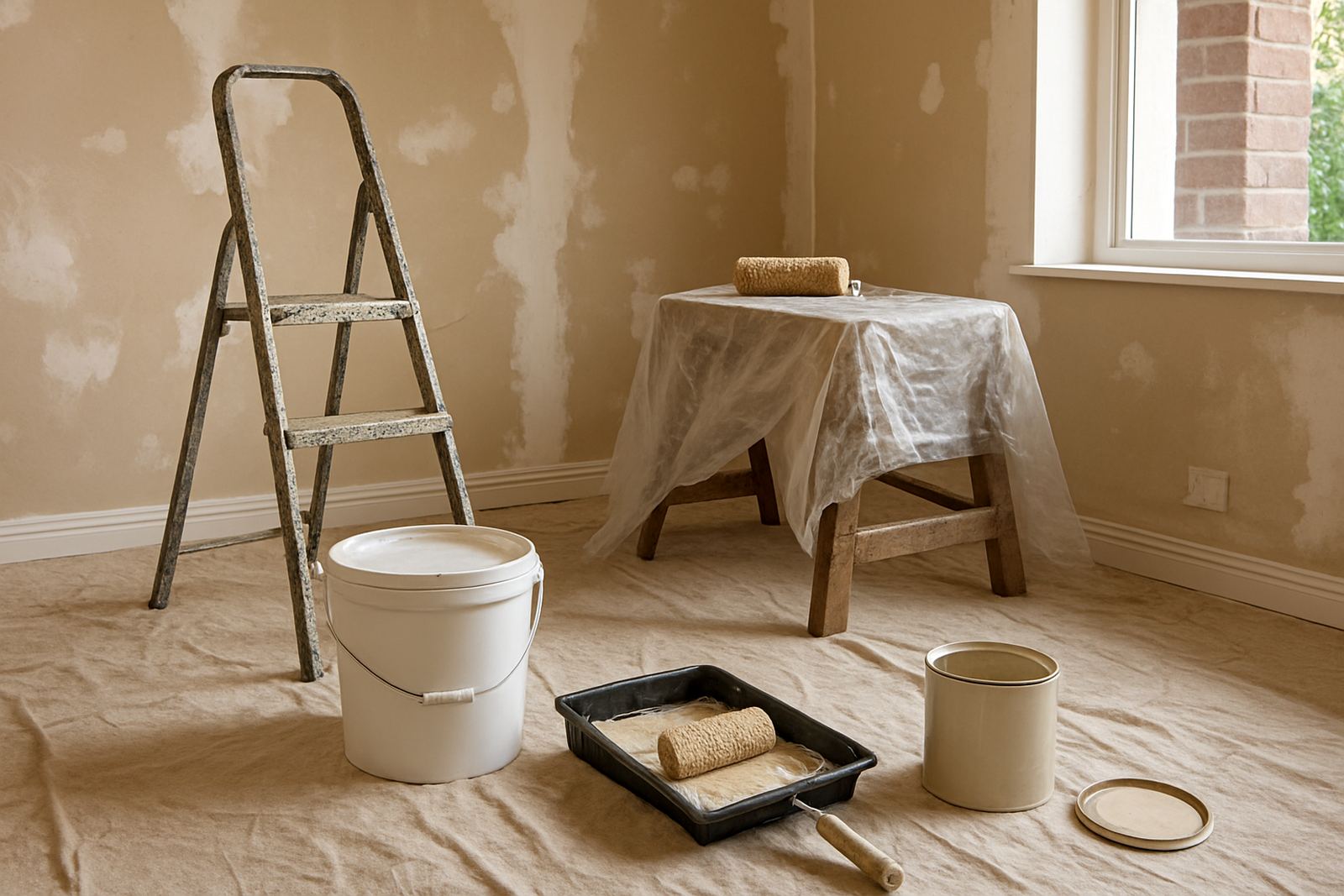
Before you buy paint, look closely at the wall or ceiling. Check for flaking paint, powdery surfaces, damp staining, oil residue around switches and uneven sheen where old repairs were left unprimed. If the house has been empty for a while or the room was used as a rental, you may also find nicotine staining, mould spots or patchy filler that needs sealing first.
- Flaking paint must be scraped back to a firm edge
- Fine cracks need flexible filler, not just paint over the top
- Damp areas must be dried and treated before repainting
- Glossy old coatings need proper sanding for grip
Choosing the Right Preparation Set for the Job
For most renovation projects, the equipment set is simple but it must be the right size for the space. A small flat in Newton Park does not need the same kit as a full repaint on a family home in Sandton or a townhouse block in Bellville. The basics usually include scrapers, sanding blocks, fillers, masking tape, drop sheets, rollers, extension poles, brushes and suitable primers.
If you are dealing with stained walls or mixed substrates, the primer choice matters. Masonry walls, previously painted plaster, timber trim and metal railings each need different products. In coastal areas like Gqeberha, it also helps to choose coatings that handle humidity and salt air better. For exterior work, allow for a scraper, wire brush, crack filler, sealant, primer and two finish coats at minimum.
- Interior repaints: scraper, filler, fine sandpaper, primer, 10 to 20 litre finish paint
- Exterior repaints: wire brush, masonry filler, weatherproof primer, larger rollers and 20 litre tins
- Detail work: angled brushes, masking tape and small sample pots for touch-ups
Colour Matching for Older Homes and Fresh Updates
Renovation projects often need more than just a new colour. Many clients want to match an existing shade in one room, carry a feature wall colour into another space, or update a dated cream to something cleaner without changing the entire feel of the home. That is where colour matching and sample pot mixing save time and money.
At ColouRight Paints in Korsten, the colour matching process helps when you only have a small offcut, a painted chip or a faded wall sample to work from. This is useful for touch-ups after plumbing repairs, kitchen upgrades or ceiling patching. We also help customers compare warm whites, greys, sand tones and soft greens so the new finish fits the light in the room. In bright coastal homes, colour can read differently by midday, so testing first is worth it.
For repainting older spaces, ask for sample pots and view them in morning and afternoon light. A colour that looks calm in a shop can look much cooler in a south-facing room or too yellow in warm sun.
Planning the Sequence Before You Open the First Tin
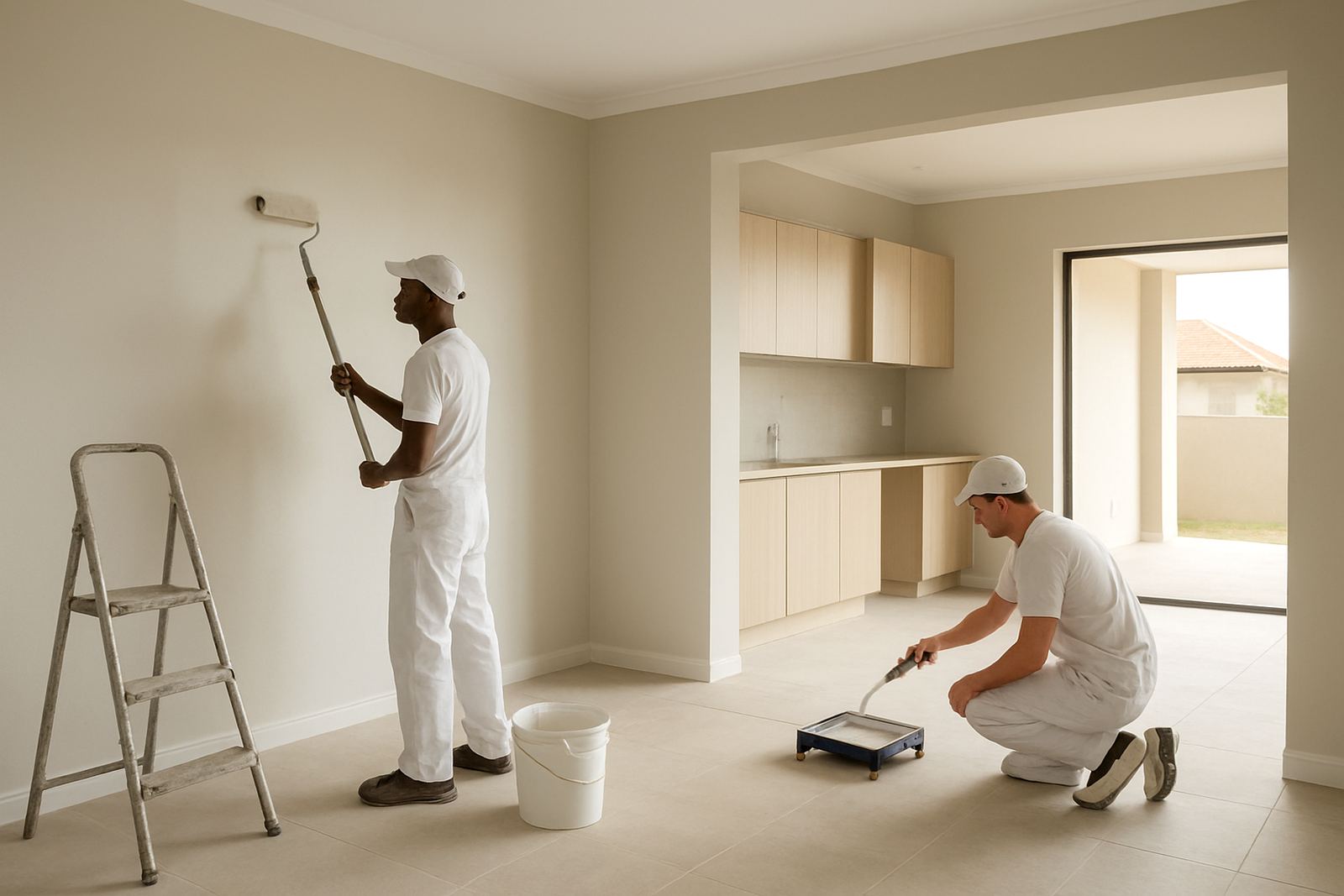
A clean sequence keeps the job moving and reduces wasted material. Start with ceilings, then walls, then trims, doors and metalwork. On larger renovations, it is better to finish one room completely before moving on to the next so the house stays usable and you do not end up mixing dust with wet paint. For landlord properties and busy family homes, that planning can make a big difference.
When you are working with trades, ask how many square metres each room covers and whether there are repairs hidden behind cupboards, blinds or built-in units. In many cases the biggest cost surprise is not the paint, but the extra labour for patching, sanding and drying time. Load shedding can also slow drying windows, especially with closed rooms, so plan your coats and ventilation accordingly.
- Measure room sizes and wall height before ordering paint
- Allow extra for touch-ups, cut-ins and future maintenance
- Keep one labelled sample pot per colour for later repairs
- Plan around drying time, humidity and power interruptions
Budget Ranges That Make Sense in Rand
Renovation paint budgets vary a lot depending on the condition of the surface, the number of colours and whether you are doing interiors, exteriors or both. A small refresh on a single room can start around R1 200 to R3 500 for materials if the walls are already in fair condition. A full interior repaint for a modest home can sit between R6 000 and R18 000 in materials, while larger homes or high-wear business spaces can go well beyond that once primer, fillers and speciality coatings are added.
If the project includes damp treatment, crack repair, ceiling work or exterior weatherproofing, budget a further R1 500 to R5 000 or more depending on the extent of repairs. Contractors buying in bulk often save money by planning the full order at once rather than topping up mid-job. That also reduces colour variation across batches, which is a common headache on repainting projects.
For trade support, bulk quantity planning and contractor account help, our team can advise on the likely quantities before you commit. It saves time and helps avoid buying too little, then paying extra for last-minute deliveries.
Practical Help From Korsten to Cape Town and Joburg
Whether you are fixing up a flat in Gqeberha, updating a family home in Randburg or refreshing a shopfront in Bellville, the main goal is the same: get the surface sound, choose the right paint system and keep the finish consistent. Renovation jobs do not need fancy language, they need the right products and a clear order of work.
ColouRight Paints supports renovation projects with surface prep advice, product recommendations, repaint troubleshooting and sample pot mixing. We also help with contractor account queries, trade order support and matching colours across old and new areas. If you are unsure whether a wall needs primer, sealer or a full repaint system, bring in the details and we will talk through it properly.
For projects in Korsten, Walmer, Newton Park, Sandton, Randburg and Bellville, it helps to have one supplier that understands local conditions, from salt air to shaded rooms and older plaster. A good finish starts long before the top coat goes on.