
When doors and trim need to look right first time
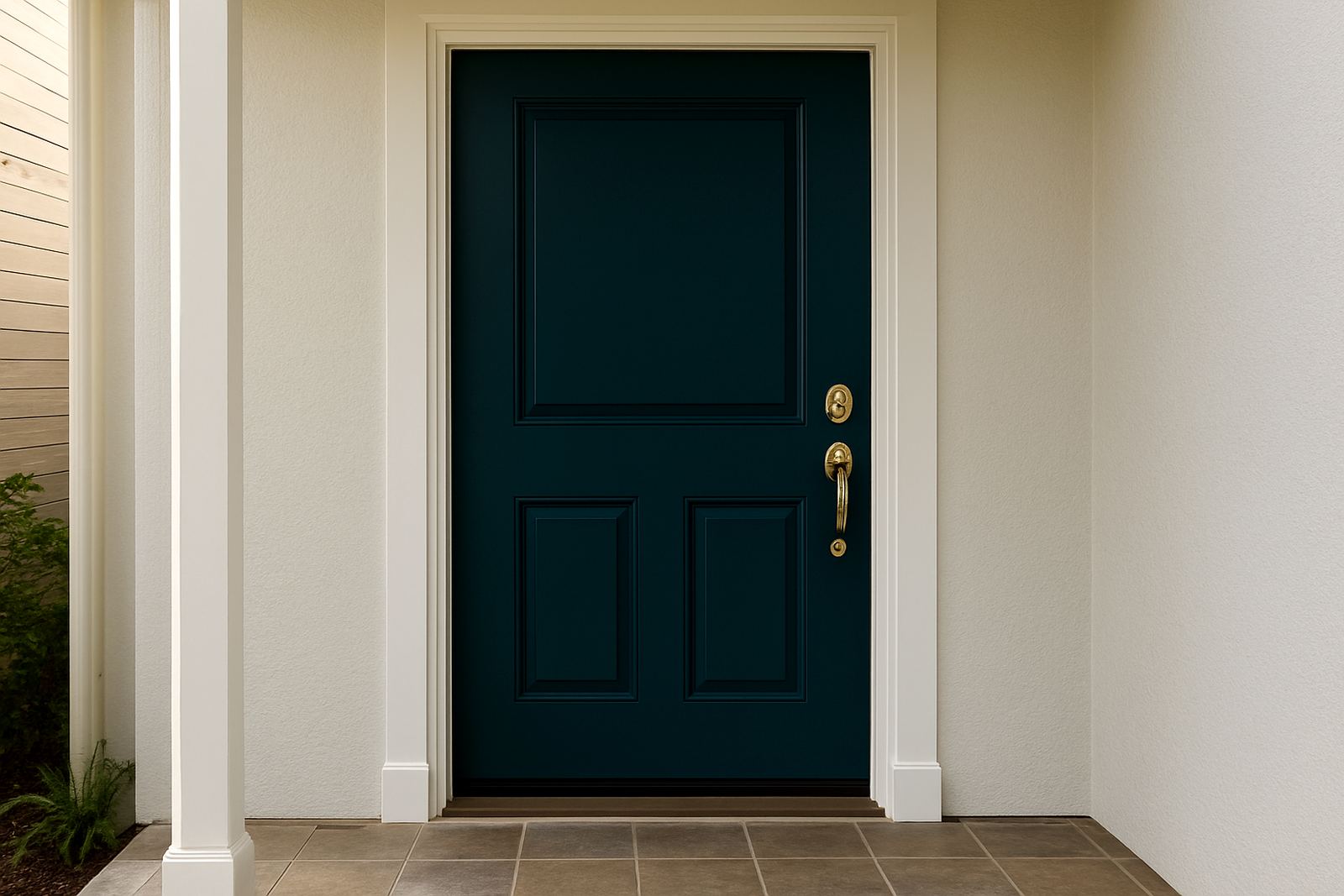
Doors and trim are where a paint job can look neat or unfinished, even if the walls are perfect. A front door takes weather, dust and handling. Interior doors, skirtings and frames get scuffed by shoes, vacuum cleaners and furniture. In coastal areas like Gqeberha and Cape Town, humidity and salt in the air can also affect how a finish dries and lasts, especially on timber and older steel frames.
This use case is common for homeowners, contractors, body corporates and shopfitters who want a clean line and a finish that suits the property. In newer homes, the goal is often a crisp low-sheen white or a deeper feature colour on doors. In older houses, the challenge is usually matching existing trim, covering patch repairs, or moving from an oil-based coating to a water-based system without peeling later.
At ColouRight Paints, the first step is usually to identify the surface and the condition of the existing coating. Bare timber, primed timber, enamelled MDF, plastered surrounds and metal frames all need different prep and product choices. A neat finish starts with the right sequence, not just the top coat.
Typical product set for doors, skirtings and frames
The exact system depends on whether the surface is interior or exterior, glossy or matt, old or new, but most doors and trim jobs use a short, practical product set. For repainting, the common needs are cleaner, filler, primer, top coat and the right rollers or brushes for trim work. For a full renovation, you may also need sanding pads, masking tape, dust sheets and a sealant for gaps around architraves.
- Surface cleaner for dust, grease and hand marks
- Wood filler or crack filler for dents and nail holes
- Primer for bare timber, patched areas or stained surfaces
- Top coat in water-based or solvent-based finish, depending on the substrate
- High-quality angled brush for edges and profiles
- Small foam roller or fine nap roller for smoother door panels
- Masking tape, sanding blocks and dust control items
For exterior doors and frames, product choice must also consider sun exposure, rain splash, sea air and daily traffic. In some cases a tougher finish makes sense for the door leaf while a simpler trim paint works on internal frames and skirtings. Colour matching helps when you need a repeatable colour across multiple rooms or units, and sample pot mixing is useful before committing to full buckets.
How to plan the layout before you open the tin
Good planning saves a lot of time on trim work because the surfaces are smaller but every flaw shows. Start by deciding the order of work: ceilings, walls, doors, then skirtings or the other way around depending on access and how much masking you want to do. If the property is occupied, think about which rooms can close off properly while paint cures. Load-shedding also matters, because drying times can change when there is less airflow from fans or aircon.
For multi-room projects, it helps to group doors by finish and traffic level. Bedrooms may need a simple washable finish, while passage doors and kitchen trim usually need a tougher coating. On a townhouse complex or rental block, consistency across units is often more important than a perfect custom colour that can’t be repeated later. That is where bulk quantity planning and trade order support save time and reduce waste.
- Measure every door, frame and skirting run before buying
- Check if surfaces are timber, hardboard, plaster or metal
- Confirm whether old paint is glossy, flaking or chalky
- Decide if the finish must match existing trim or a new colour scheme
- Allow extra for touch-ups, especially on rental turnover work
If you are in Korsten, Walmer, Newton Park, Sandton, Randburg or Bellville, it helps to bring a sample or a clear photo of the existing finish. Even a small difference in white can show next to a new skirting board or door frame, and colour consultation avoids that awkward off-white look.
Common mistakes that cause door paint to fail
Prep work is where most failures start, even on a small job. Painting over dust, silicone residue, hand grease or old loose paint usually means the top coat will not bond properly. Another common problem is skipping the right primer on patched timber or stain-marked doors. That can lead to bleed-through, patchiness or shiny areas after drying.
One of the biggest mistakes is using the wrong finish for the setting. A very soft matt product on a passage door may mark too quickly. A very high gloss product on poorly prepared trim can show every sanding mark. On exterior doors, people sometimes paint too late in the day, then moisture or cooling temperatures affect drying and the finish goes dull or tacky. In humid coastal areas this is even more noticeable.
Application matters too. Thick coats look tempting, but they can run on mouldings and trap brush marks on panel doors. It is better to use controlled coats and allow proper drying between layers. Recoating too soon is another problem, especially when a room feels dry on the surface but is still soft underneath. That is where paint matching and practical advice can save a lot of rework.
Budget ranges for small, medium and larger trim jobs
Budget for doors and trim can vary widely depending on the number of surfaces, the condition of the old coating, and whether you are refreshing one room or doing the whole property. A small interior touch-up on a couple of doors and skirtings might only need a few sample pots, filler and accessories. A full house repaint with doors, frames and all trim can quickly move into a much larger materials list.
As a rough guide, many small DIY trim jobs start around R450 to R1 200 in materials, especially if the surfaces are already in good condition. A medium project covering several rooms, with primer, top coat and prep materials, often falls between R1 500 and R4 500. Larger homes, rental blocks or trade projects can run from R5 000 upward, depending on surface area, product specification and whether bulk quantities are needed.
Contractors often budget separately for prep consumables, paint, and touch-up stock. That makes sense because doors and trim tend to use more time than paint volume. If you are quoting for a client in Gqeberha, Joburg or Cape Town, it is wise to include a little extra for repairs and site conditions, because old frames and previous coatings rarely behave exactly as expected.
Why local matching support helps on repeat work
When you need the same colour across skirtings, doors and frames, repeatability matters. A matched colour that looks correct in one room but shifts under different light can cause problems on the next batch. Natural daylight, warm LED light and north-facing rooms all change how whites and neutrals appear. That is why sample pots and test areas are worth the effort before ordering the full quantity.
ColouRight Paints supports homeowners, decorators and contractors with paint colour matching, custom tinting, surface prep advice, product recommendations and contractor account help. If a door has been repainted badly before, we can also help with repaint troubleshooting so you know whether to sand back, prime again or switch coating type. For trade teams, bulk quantity planning and trade order support make it easier to keep the same finish across several units without running short mid-job.
From our base in Korsten, Gqeberha, and branches in Joburg and Cape Town, we help customers choose finishes that suit local conditions and the way the property is used. Send a photo, a sample or a list of surfaces and we can narrow it down quickly, no fuss.