

When a ceiling needs more than a quick coat
Ceilings show problems fast. Stains from roof leaks, smoke, damp bathrooms, patch repairs and poor previous paint all stand out in daylight, especially in open-plan homes and offices. In Gqeberha, the coastal air can leave ceilings dull or marked, while in older Joburg and Cape Town properties you often see hairline cracks, old patches and uneven sheen after years of repainting.
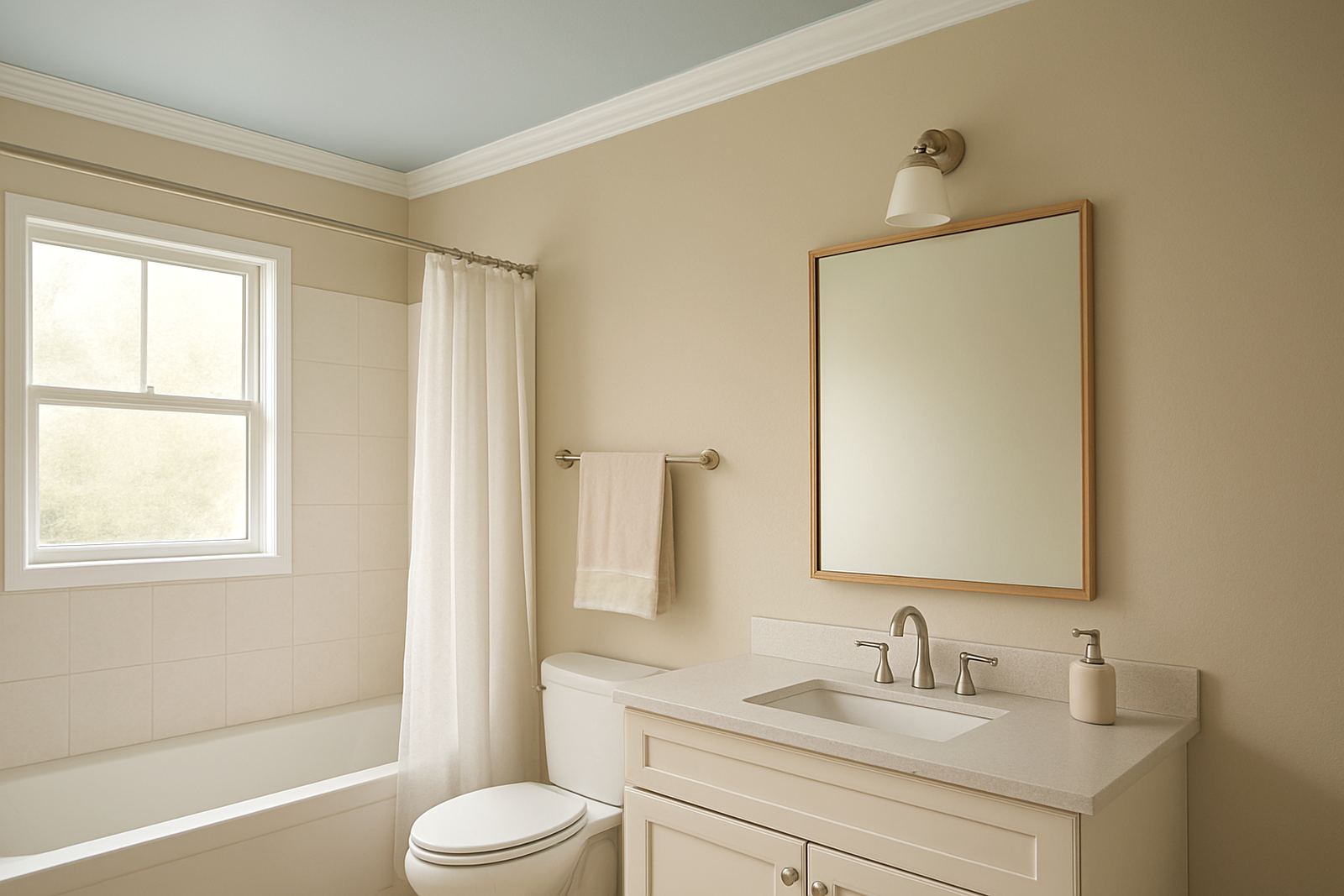
The right approach depends on the surface and the room use. A lounge ceiling usually needs a clean, bright matt finish. A kitchen or bathroom ceiling may need better moisture resistance. For offices and rentals, a low-odour product and quick dry time are often important so the space can be used again without long delays.
ColouRight Paints assists with paint colour matching, sample pot mixing and product recommendations so the ceiling tone sits well with wall colour, lighting and trim. If you are working in Korsten, Walmer, Newton Park, Sandton, Randburg or Bellville, the branch team can advise on local stock and what works best for the job.
The usual ceiling kit for a clean finish
Most ceiling work does not need expensive equipment, but it does need the right basics. A poor roller sleeve or a tired brush can leave lint, streaks and lap marks that show up every time the sun moves across the room. For a normal home or office ceiling, the usual kit is simple and practical.
- Interior ceiling paint in the correct sheen, usually matt
- Roller frame and medium to long nap roller sleeve for even coverage
- Extension pole for safer reach on high ceilings
- Cutting-in brush for edges, bulkheads and corners
- Dust sheet, masking tape and a scraper
- Filler for cracks, small holes and joint marks
- Sandpaper or sanding sponge for patch smoothing
- Primer or sealer where stains, repairs or bare plaster are present
For bigger jobs, trade customers often plan for extra roller sleeves, a paint tray liner and more masking than expected. In humid coastal areas, drying times can shift a bit, so it helps to keep airflow moving and avoid closing up the room too early.
Planning the room before you start painting overhead
Ceilings are easiest when the room is planned before the first tin is opened. Start by checking for leaks, flaking paint, mould spots and any movement cracks. If the ceiling has water staining, the cause must be fixed first or the mark may come back through the new coat. A proper surface prep step saves money later and avoids a patchy finish.
For most houses, painting the ceiling before the walls is cleaner. In offices or shops, schedule the work around opening hours and ventilation. Remove loose fittings where safe, cover furniture and think about access. A step ladder may be enough for a standard room, but stairwells, double-volume areas and passage ceilings can need longer poles or a more careful setup.
When matching white ceilings, remember that not every white is the same. Bright whites can work well with cool LED lighting, while softer whites suit warm fittings and older plaster. ColouRight Paints can help with colour consultation and sample pot mixing so the final tone looks right in the room, not just on the card.
Common mistakes that spoil ceiling work
A lot of ceiling problems come from rushing the prep or using the wrong paint. One common mistake is trying to cover stains with a single thin coat. Another is painting over dust, cobwebs or chalky old paint, which causes poor grip. If the previous finish is glossy or patched badly, it should be cleaned and keyed properly before repainting.
- Using wall paint instead of a product suited to ceilings
- Skipping stain blocking on smoke or water marks
- Rolling too dry and leaving visible joins
- Working in harsh light without checking coverage from different angles
- Ignoring cracks at cornices, joints and around downlights
- Choosing the wrong sheen for bathrooms, kitchens or commercial spaces
Another error is underestimating how much paint is needed. A small bedroom may be straightforward, but a large lounge, open-plan office or whole house repaint can use far more than expected once roller absorbency and touch-up allowance are included.
Budget ranges for ceiling projects in Rand
Ceiling budgets vary by room size, height, surface condition and whether you are painting one room or a full property. For a standard home room, a DIY ceiling repaint can start from around R450 to R1 200 for paint and basic sundries if the surface is in fair condition. Add more if you need filler, primer, stain blocker or extra tools.
For a medium-sized house with several rooms, the spend often sits around R2 500 to R7 500 depending on the quality of paint and how much prep is needed. Larger homes, offices and renovation projects can move above that, especially where ceilings are high, damaged or require access equipment. Trade customers usually plan by square metres so the order stays accurate and stock is ready for the full job.
ColouRight Paints also helps with bulk quantity planning and trade order support, which is useful when a contractor needs to keep the project moving without running short halfway through. That matters in Gqeberha, Joburg and Cape Town where labour timing and weather windows can be tight.
Matching ceiling colour to the space
Ceilings are not always just plain white. In some homes, a slightly softer white can make low ceilings feel less stark. In offices, a clean neutral ceiling helps light spread evenly and keeps the room looking neat. In renovation work, matching a repaired section to the rest of the ceiling can be tricky because old paint may have aged or changed tone over time.
Colour matching becomes especially useful when only part of a ceiling is being repaired. A sample pot can help test the repaired area before the full coat goes on. That way the finish blends better around cornices, patch lines and old repair marks. If you are also repainting walls, the ceiling choice should work with the wall colour so the room feels balanced under daylight and artificial light.
For contractor account help, repaint troubleshooting and product recommendations, the team at ColouRight Paints can talk through the job and point you to the right materials for the surface and budget.