
What Wood Varnish Does For Timber
Wood varnish is a protective coating made for timber surfaces that need more than a painted finish. It forms a hard wearing layer over the wood while still showing the natural grain, so doors, counters, built-ins and furniture keep their character but take better daily use.
In South African homes, varnish is often chosen for front doors, stair rails, bar tops, shelving and fitted cupboards. It helps slow down moisture uptake, light scuffing and general wear from handling. In coastal areas like Gqeberha and Cape Town, the right product choice matters because humidity and salt air can affect timber movement and the way a finish ages.
You can buy clear varnish for a natural timber look or tinted varnish if you want to deepen the colour slightly while still seeing the grain. For darker timbers or older wood with repair marks, a tinted finish can give a more even result without hiding the wood completely.
Sizes, Sheens And Finish Options
Wood varnish is usually supplied in practical sizes for both small touch ups and full jobs. Common pack sizes include 250 ml, 500 ml, 1 litre, 2.5 litres and 5 litres, depending on the product line and the way you plan to use it. Smaller packs suit one door or a furniture repair, while larger tins are better for counters, fitted units and trade work.
Sheen choice affects how the timber looks and how easy it is to keep clean. A gloss finish gives a stronger shine and is often used on decorative pieces, while satin or semi gloss is more forgiving on everyday surfaces. Low sheen finishes are popular for furniture because they hide fingerprints a bit better and feel less shiny under bright indoor light.
- Clear finish for natural wood colour
- Tinted finish for a deeper warmer tone
- Gloss, satin or low sheen options
- Small tins for repairs and sample testing
- Bulk packs for contractors and repeat jobs
Best Uses Around The Home And Site
Wood varnish suits timber that sees regular use and occasional cleaning. It is well suited to interior doors, skirtings, counters, tables, cupboards, bedroom furniture and display shelves. On some exterior timber, a suitable exterior grade varnish can be used on protected areas such as covered doors, pergolas and entrance features, but full weather exposure needs careful product selection and regular upkeep.
For business premises, varnish is a good option for reception counters, shelving, restaurant furniture, retail fittings and joinery where appearance matters as much as durability. In rental units and office spaces, it gives a neat finish that can be wiped down without too much fuss.
- Doors and frames
- Counters and tabletops
- Furniture and built-in units
- Shop fittings and office joinery
- Decorative timber features
If the timber is already painted, badly weathered or carrying old wax, sanding and prep become even more important. A poor base coat or trapped moisture can lead to peeling, cloudy patches or a rough feel under the hand.
How It Is Applied And What You Need
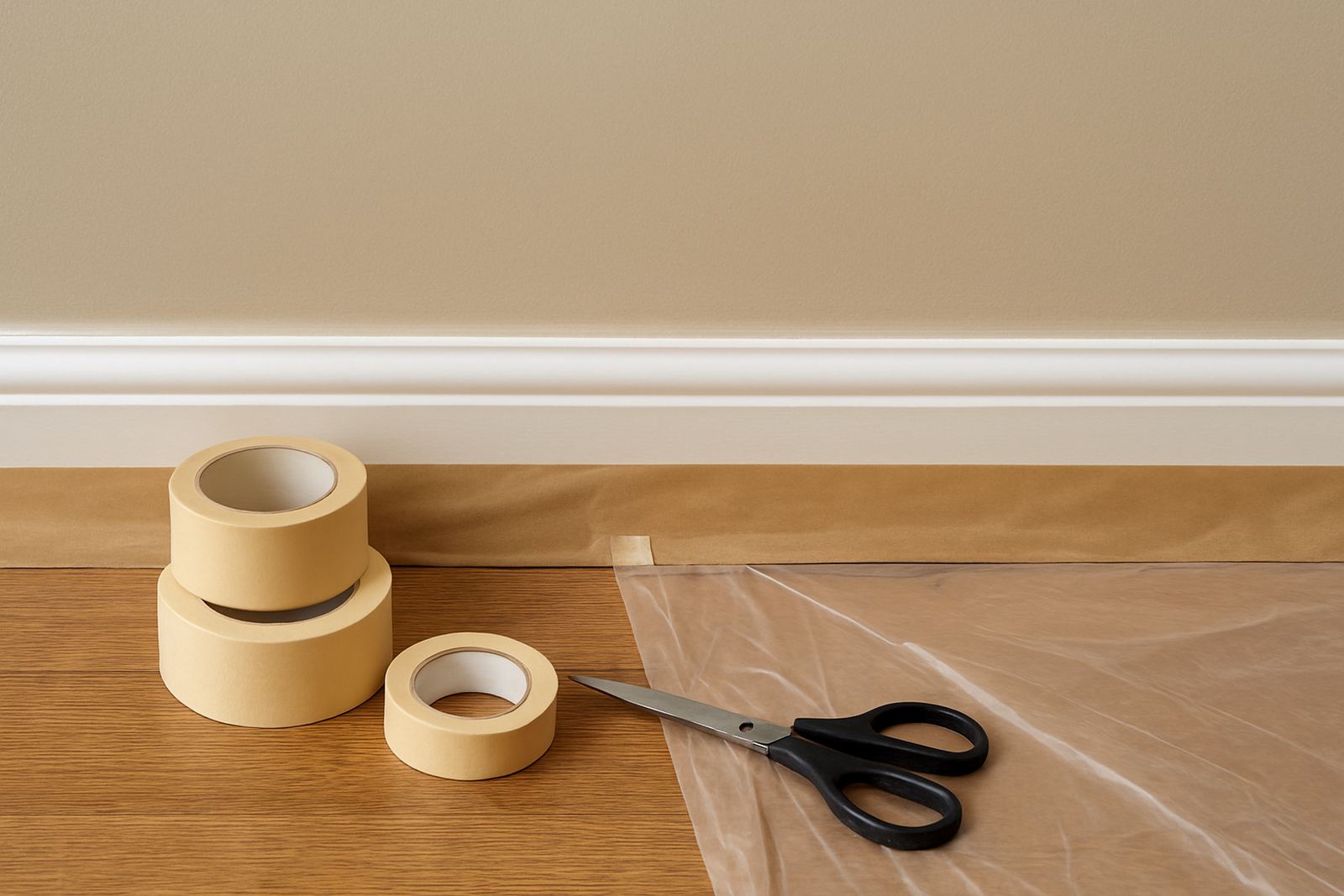
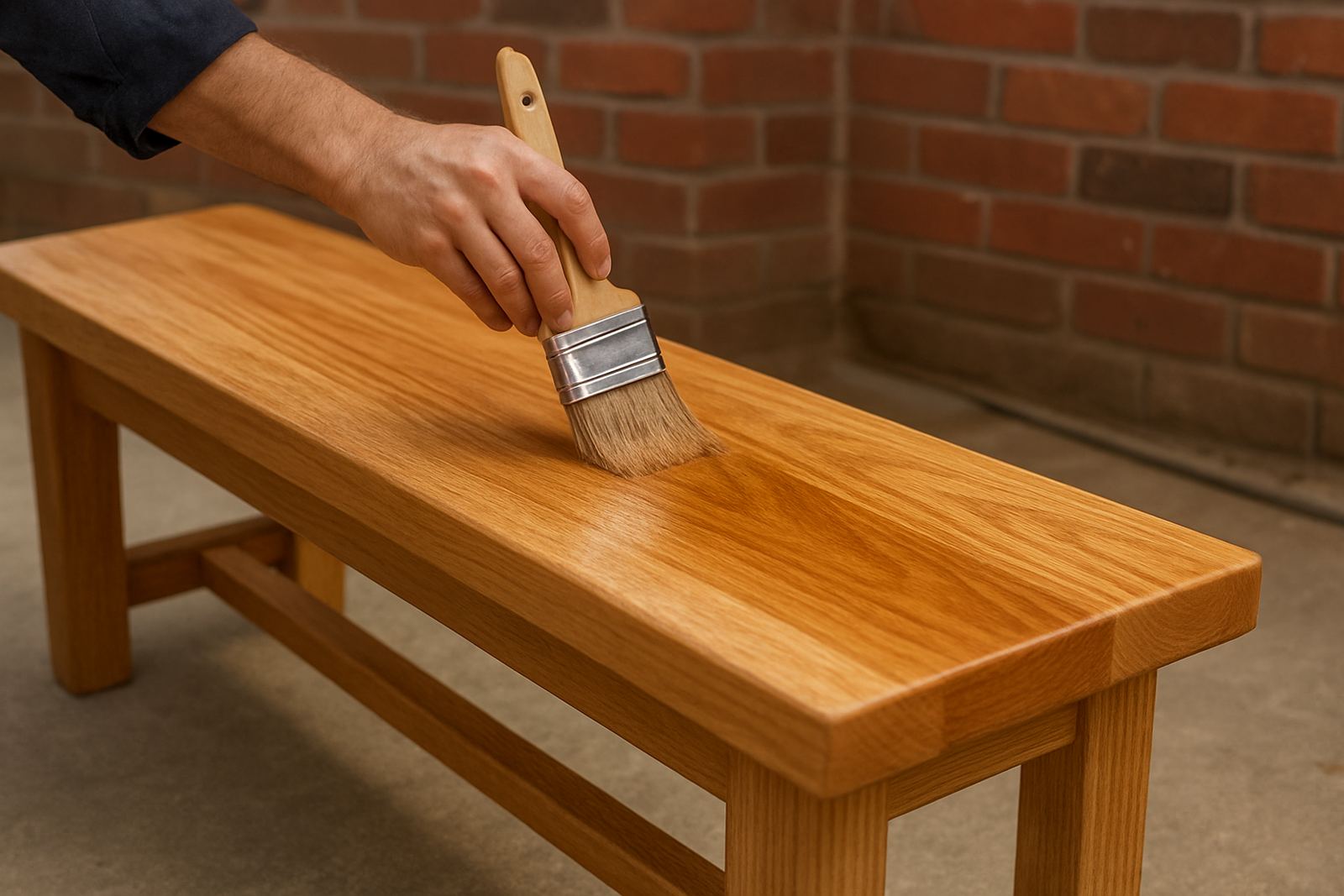
Most wood varnish jobs do not need power or gas. Application is usually by brush, foam pad, roller for some flat surfaces, or spray on larger commercial jobs. The main things you need are sandpaper, clean rags, a stirring stick, masking tape, and the right brush for the finish you want.
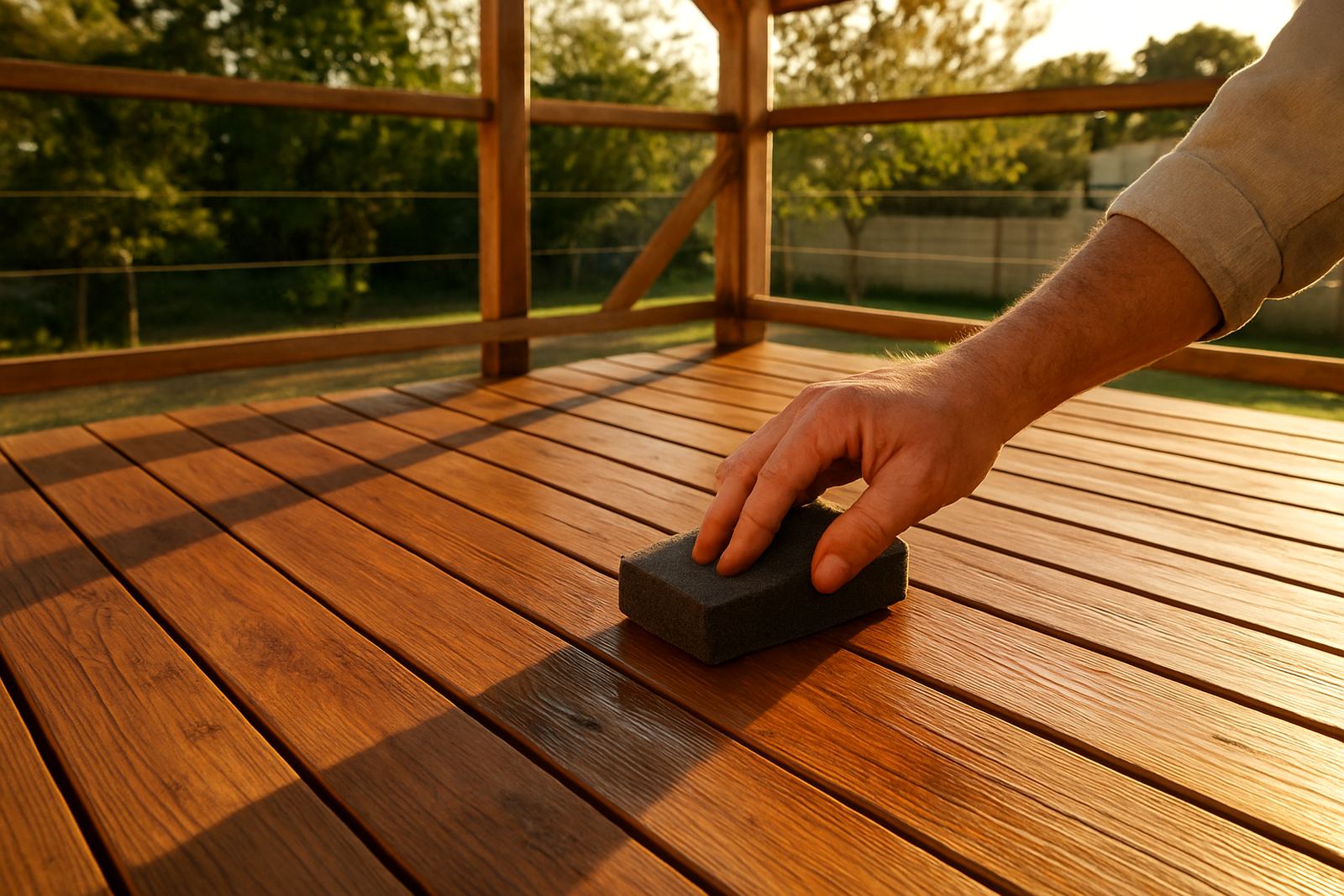
Good prep makes the biggest difference. Timber should be dry, dust free and properly sanded before the first coat goes on. On bare wood, a sealer or sanding sealer may be needed depending on the product system. Between coats, light sanding helps the next coat bond and gives a smoother finish. In humid weather, especially near the coast, allow enough drying time because rushing the coats can leave the surface tacky.
- Apply only on clean, dry timber
- Sand between coats for a smoother result
- Use good ventilation indoors
- Allow extra drying time in humid conditions
- Keep dust off the wet coat until fully dry
Care, Cleaning And Recoating
Once cured, varnished timber should be cleaned with a soft cloth and mild cleaner. Harsh scourers, strong solvents and very wet mopping can damage the surface over time. For counters and tables, use coasters and hot trays where possible, because heat marks are much easier to prevent than remove.
Recoating depends on traffic and exposure. A protected interior door may only need attention after several years, while a busy counter or sun-facing timber surface may need earlier maintenance. Look out for dull patches, fine cracking, edge wear and water spots. If the finish is still sound, a light sand and fresh coat can extend the life without stripping back to bare wood.
In coastal or high sun areas, timber movement can show up sooner. If you see lifting at edges or small splits, address them early. That usually saves more work later and keeps the wood from taking on moisture.
What To Check Before You Order
Before ordering wood varnish, check whether the timber is interior or exterior, bare or previously coated, and whether you want a clear or tinted result. Also think about the size of the surface, the level of shine and whether the job needs quick turnaround for trade or contractor work.
It also helps to bring a timber offcut, existing sample or a clear photo under natural light if you need help with matching. Colour can shift once varnish goes on, especially on pine, meranti and darker hardwoods. If you are matching existing joinery in a home or business, a sample pot or test panel is worth the effort.
- Interior or exterior use
- Clear or tinted finish needed
- Desired sheen level
- Approximate square metres to cover
- Previous coating type on the timber
- Drying time required for the space
ColouRight Paints in Korsten supports customers across Gqeberha, Walmer and Newton Park, with trade help also available for Joburg and Cape Town branches. If you need advice on colour, prep or quantity, our team can help you work out the right pack size and finish before you start.
Key facts
| Product type | Clear or tinted wood varnish for timber protection and grain enhancement |
|---|---|
| Finish options | Gloss, satin or low sheen depending on product |
| Pack sizes | 250 ml, 500 ml, 1 litre, 2.5 litres and 5 litres |
| Typical coverage | About 8 to 14 m² per litre per coat, depending on timber and application |
| Application methods | Brush, foam pad, roller on flat areas, or spray |
| Drying factors | Drying time varies with temperature, humidity and airflow; allow extra time in coastal areas |