

What Ceiling Paint Does In A Room
Ceiling paint is a low-sheen interior coating designed for overhead areas where strong light can expose roller lines, patching and small marks. It is usually formulated for good hiding power, easy application and a flatter finish than wall paint, so the ceiling looks calmer and less busy from below. In homes around Gqeberha, Durban side humidity or the drier inland areas, a proper ceiling coating also helps the room feel cleaner for longer.
This product suits new ceilings, repainted ceilings and maintenance work where smoke staining, cobweb marks or old water marks need to be covered after the source has been sorted. It is a practical choice for lounges, passageways, kitchens, offices and retail spaces where the overhead surface gets seen every day.
Sizes, Finish Options And Typical Coverage
Ceiling paint is commonly supplied in 1 litre, 5 litre and 20 litre containers, with larger trade quantities available for contractors and body corporates. The exact cover depends on the condition of the ceiling and the substrate, but a fair working guide is 8 to 12 square metres per litre per coat on a sound, sealed surface. Porous plasterboard or old chalky paint will use more.
- 1 litre for touch-ups and small rooms
- 5 litre for a standard bedroom, passage or flat ceiling job
- 20 litre for full houses, offices and repeat trade work
- Flat to low-sheen finish to reduce overhead reflections
- White as standard, with tinting available where a softer off-white is preferred
If you are covering old yellowing or stain marks, allow for an undercoat or stain-sealing step first. That extra stage can save you from painting the same area twice.
Where Ceiling Paint Suits Best
This paint is suitable for plaster ceilings, skimmed surfaces, ceiling board, primed gypsum and previously painted interior ceilings. It works well in houses, flats, schools, churches, medical rooms and small commercial spaces where you want the overhead finish to disappear rather than stand out. In coastal towns like Gqeberha, it is worth checking for condensation or roof leaks before painting, because recurring damp will keep pushing stains back through.
It is also a sensible option for rental units and contractor handovers where speed matters. A good ceiling coating helps brighten darker rooms with limited natural light and can make a low ceiling feel less heavy, especially in older homes with narrow passages.
For bathrooms, kitchens and laundry rooms, ask for the right moisture level and surface prep advice. Ceiling paint is only part of the job if steam, grease or old nicotine stains are present.
Surface Prep And How To Apply It
The best ceiling finish starts with proper prep. Remove dust, loose paint and any flaky filler, then repair cracks with a suitable filler and sand smooth. Where stains are present, seal them first so they do not bleed through. If the ceiling is new or very porous, a primer or sealer may be needed before the first coat.
- Use a medium pile roller for better reach and even build
- Cut in around cornices, lights and corners before rolling
- Work in sections to keep a wet edge and avoid lap marks
- Ventilate the room well while painting and drying
- Use a step ladder and have someone steady it where possible
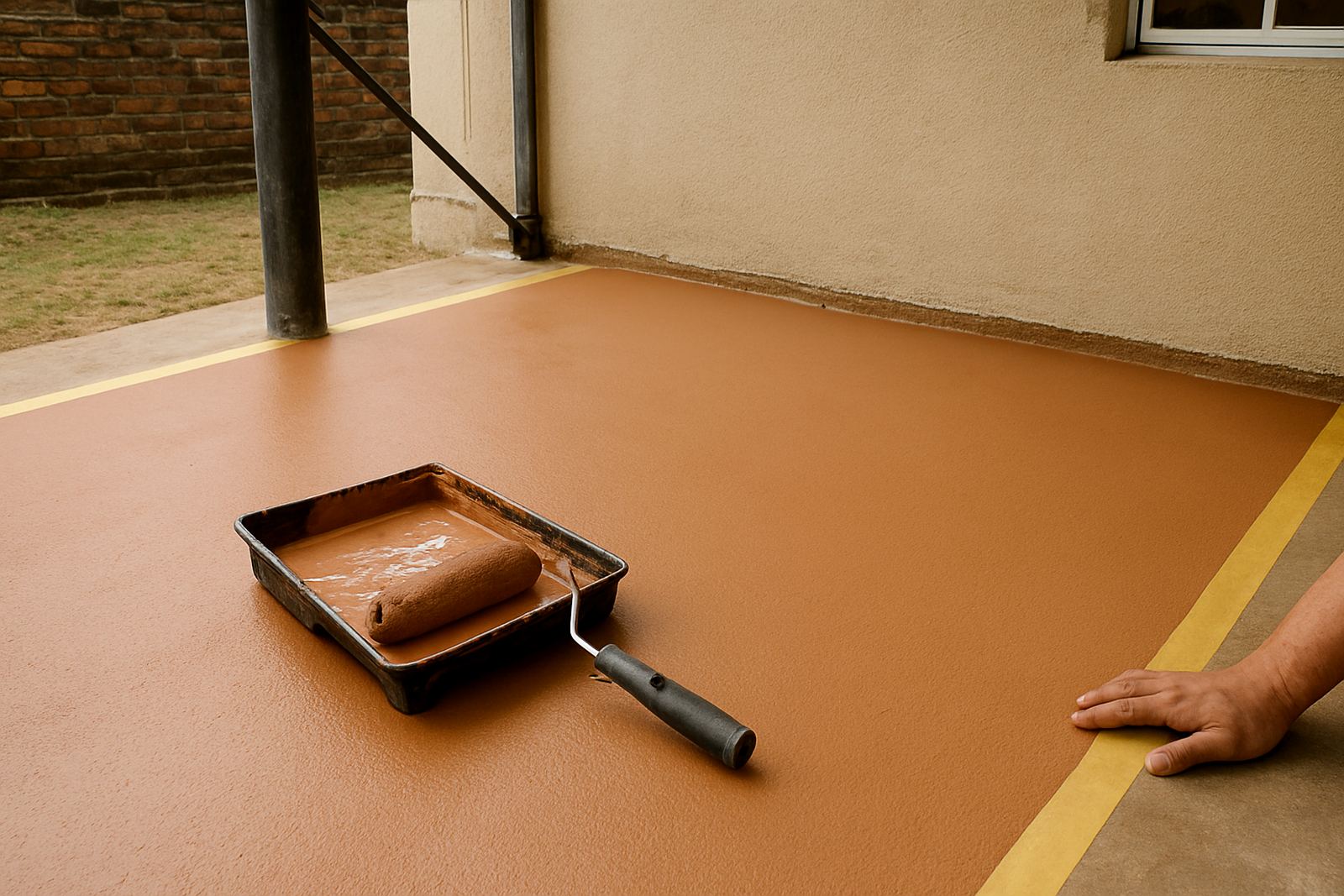
Most ceiling jobs are done by brush and roller, so no special power or gas setup is needed. If you are working in a site with scheduled load-shedding, plan your prep and first coat so you are not left halfway through with lights off and no drying time managed properly.
Care, Cleaning And Repaint Timing
Once cured, a ceiling finish should be left alone as much as possible. Light dusting with a dry soft broom or microfibre mop is usually enough. If a mark needs cleaning, use a barely damp cloth and gentle pressure. Avoid scrubbing hard, because that can polish the flat finish or leave a shiny patch.
Repaint timing depends on the room use. A well-kept interior ceiling may only need attention every 5 to 8 years, while kitchens, smoky spaces or busy commercial rooms may need earlier maintenance. If you see repeated brown stains, cracking or bubbling, fix the cause first or the new coat will not hold.
What To Check Before You Order
Before placing an order, measure the ceiling area in square metres and add a little extra for waste, touch-up and absorbtion on porous surfaces. Check whether you are painting over a clean white ceiling, stained surface or a colour change from dark to light. That tells you whether you need one coat, two coats or a sealer first.
- Ceiling area in m² and number of rooms
- Surface type, for example board, plaster or previously painted masonry
- Any stains, damp patches or old water marks
- Whether you need white only or a soft tinted ceiling colour
- Desired pack size for DIY or trade work
- Whether you need sample pot mixing or colour consultation
For bulk jobs, trade orders and contractor account help, ColouRight Paints can assist with product recommendations and quantity planning so you do not run short on site. If you are working between branches in Korsten, Walmer, Sandton, Randburg or Bellville, keep your measurements ready and we can match the supply to the job.
Key facts
| Product type | Interior ceiling paint |
|---|---|
| Finish | Flat to low-sheen |
| Typical coverage | 8 to 12 m² per litre per coat |
| Pack sizes | 1 litre, 5 litre, 20 litre and trade quantities |
| Best suited surfaces | Plastered ceilings, ceiling board, primed gypsum, previously painted interiors |
| Application method | Brush and roller, with primer or stain sealer if needed |