
What paving paint does on concrete and brick pavers
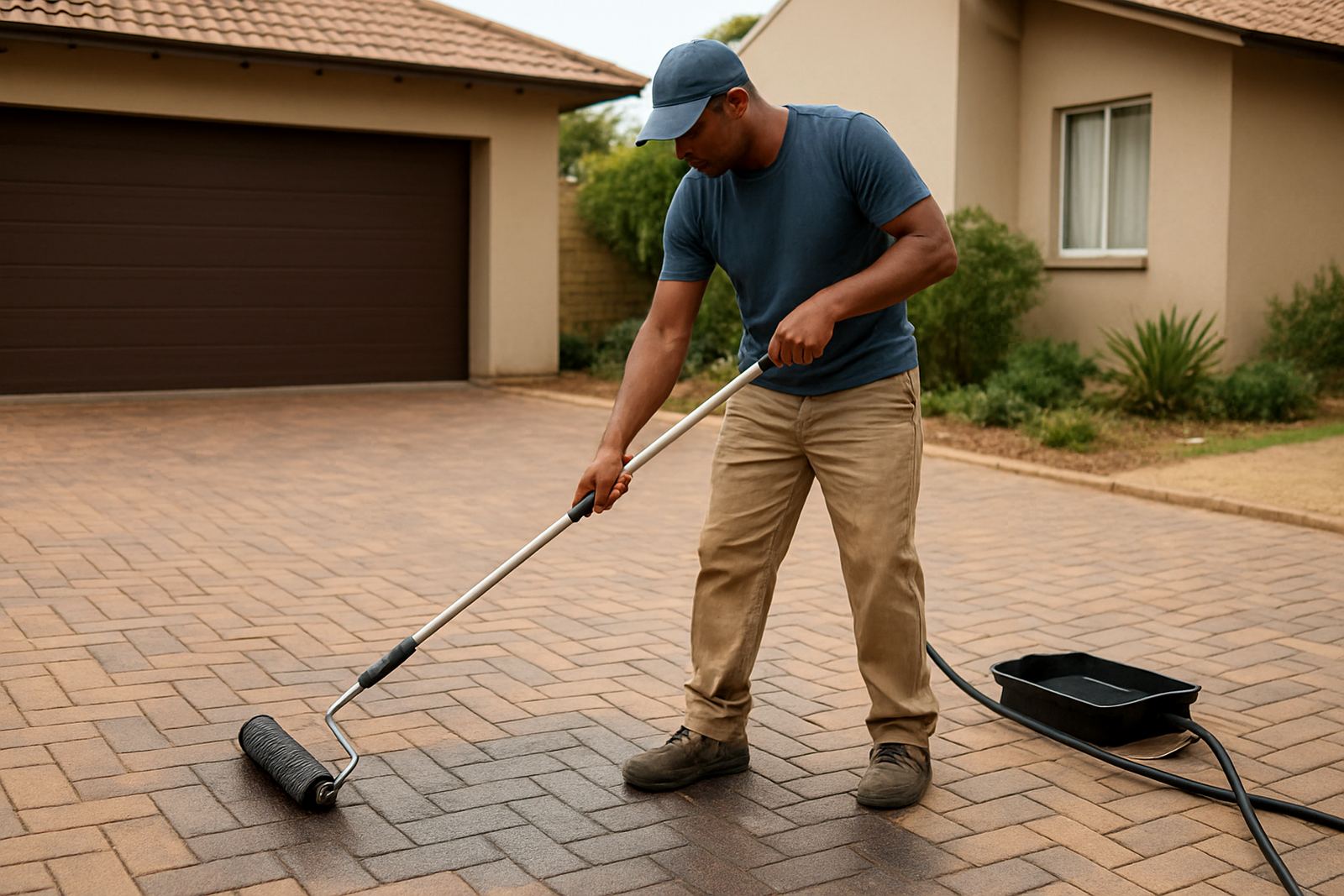
Paving Paint is made for hard landscaped surfaces that need a colour refresh without replacing the paving. It gives a decorative finish on concrete pavers, clay pavers and some masonry paving where the surface is stable, dry and free of movement. On the right substrate it helps cover fading, patchy repairs and old marking from tyres or general foot traffic.
It is not a fix for loose blocks, rising damp, active cracks or badly worn joints. Those issues need repair first, otherwise the finish will only show the same problems again. In coastal areas such as Gqeberha or Bellville, where salt air and moisture can shorten service life, preparation matters just as much as the coating itself.
- For decorative colour refresh on sound paving
- Suitable for driveways, paths, patios and courtyards
- Works best on dry, clean, well bonded surfaces
Available sizes, colour options and finish choices
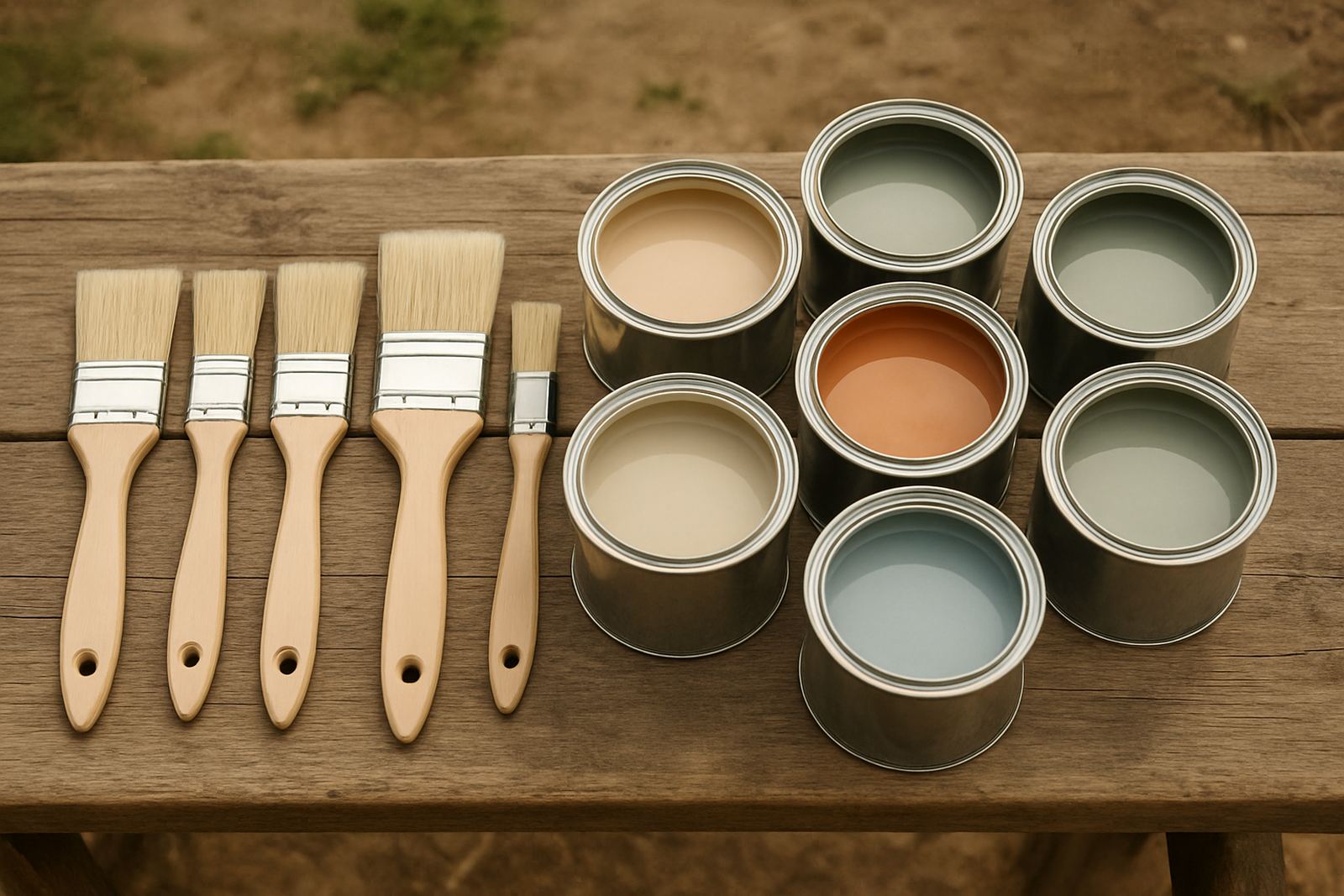
ColouRight Paints can assist with colour matching and tinting so the paving finish ties in with the surrounding walls, trims or boundary features. Depending on the job, paving paint may be supplied in small trial quantities for sample checks or in trade sizes for larger areas. The correct pack size should be based on coverage, number of coats and how open the pavers are.
Finish choices are usually practical rather than glossy. Most clients want a matt or low-sheen look that hides minor surface marks and keeps the area from looking overdone. If you are matching an existing colour, bring a clean sample, a loose paver or a clear photo in daylight. Tinting for hot northern sites in Sandton or full sun areas in Walmer may need a slightly deeper tone than you expect, as strong light can make pale shades read lighter outside.
- Sample pots for colour testing before full application
- Trade packs for contractors and bulk projects
- Matched colours for repair blends or whole-area repainting
Where paving paint suits best
This product suits places where the paving already has good structure and the goal is a cleaner decorative look. It is commonly used on residential driveways, apartment courtyards, townhouse paths, pool surrounds and light duty business forecourts. In Korsten and Newton Park, many customers use it for practical refresh work where the surface must look smarter without a full relaunch of the area.
It also works well for matching changed sections after maintenance or where a small paved area no longer matches the rest of the property. For high traffic industrial yards, steep ramps or areas with frequent turning vehicles, it is best to check whether the surface load and expected wear are suitable first.
- Homes with paved entrances or garden paths
- Body corporate common areas and walkways
- Small retail or office forecourts with moderate foot traffic
Surface prep and application notes before the first coat
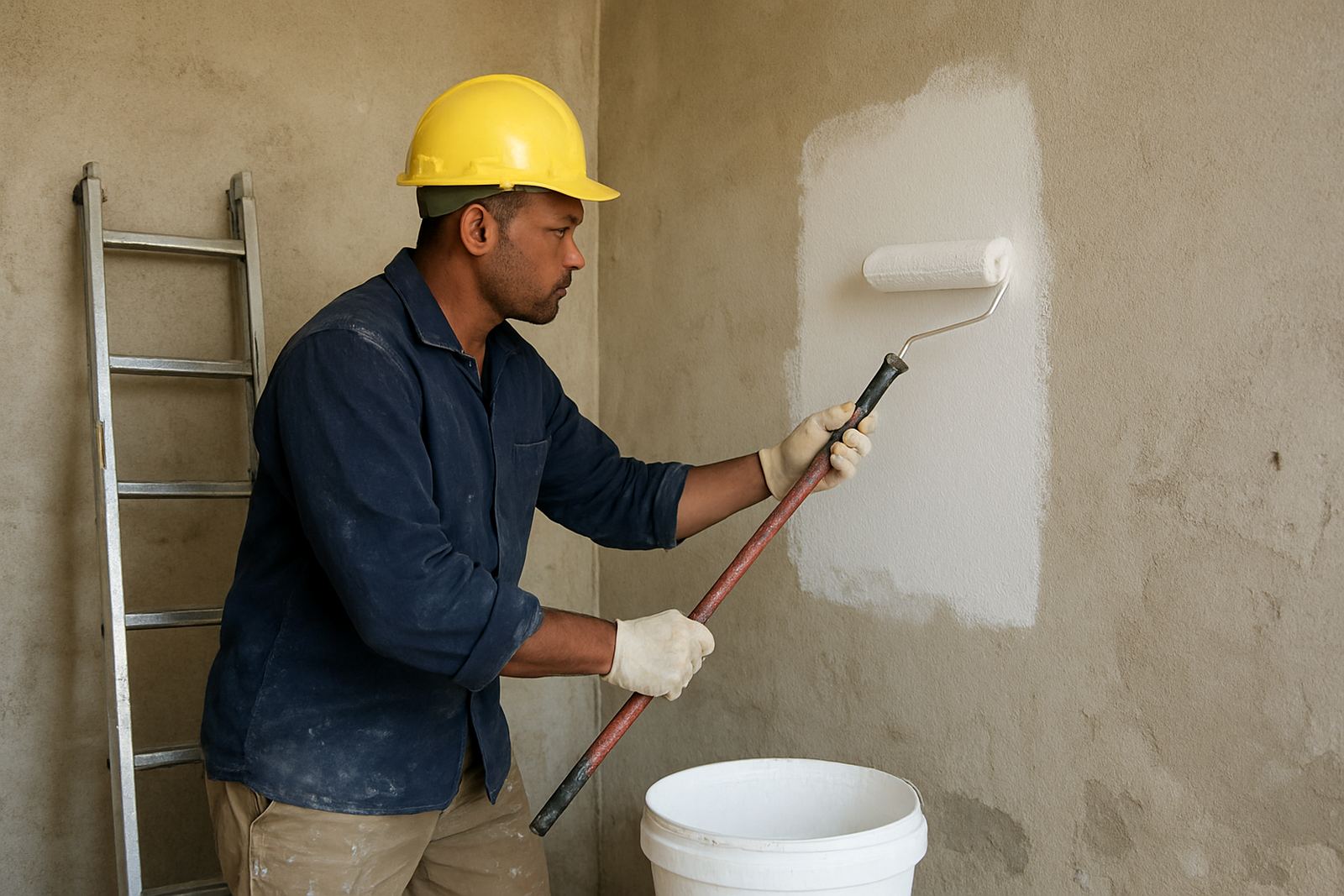
Good preparation is the difference between a finish that lasts and one that peels early. The paving should be cleaned thoroughly to remove dust, oil, loose sand, efflorescence and any old sealer that may prevent adhesion. If joints are crumbling or blocks are rocking, fix those problems before painting. On older surfaces, a test area is a smart step so you can see how the colour, absorption and coverage behave.
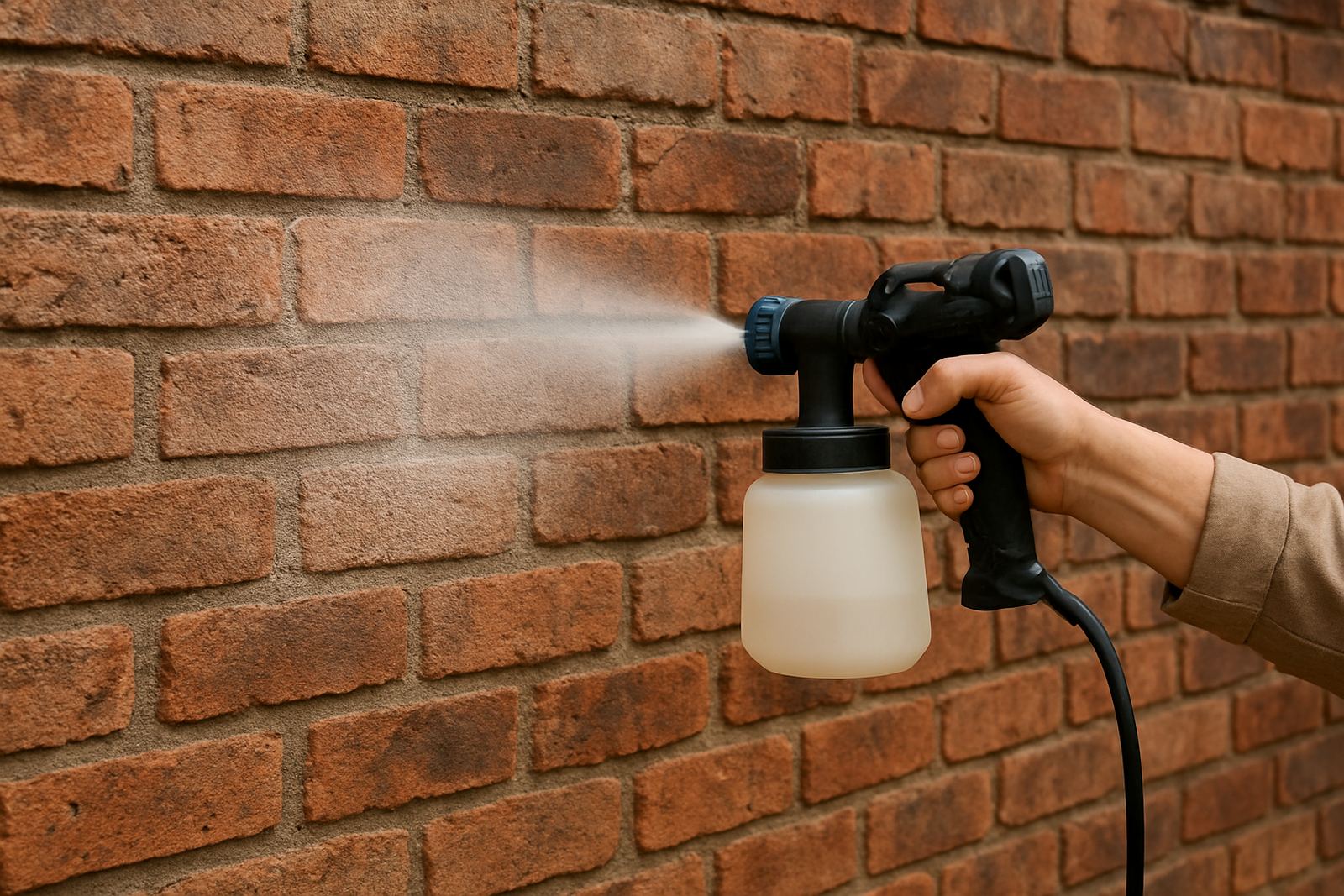
Application is usually by brush, roller or spray depending on the area and the finish required. No special power or gas is needed for the paint itself, though you may need cleaning equipment, pressure washing or mixing tools at the prep stage. Allow proper drying between coats and keep traffic off the surface until the coating has cured. In humid weather along the coast, drying can take longer than expected, so plan for extra time.
- Check that the paving is dry enough to coat
- Use the right cleaning method for old stains and sealers
- Allow curing time before vehicles or heavy foot traffic return
Care, cleaning and when to book touch ups
Once installed, paving paint needs sensible care rather than harsh treatment. Sweep regularly to stop grit from abrading the finish and wash with a mild cleaner when needed. Avoid strong acids, harsh solvents and metal scrapers, especially on coloured areas. In shaded damp spots, watch for algae or moss build up and deal with it early so it does not mark the surface.
Touch ups are usually simpler if extra paint is kept from the original batch. This helps with edge repairs, patched areas and small scuffs from bins, braai stands or car tyres. In high sun areas the colour may shift slowly over time, so for later repairs it helps to compare the existing finish with a fresh sample before ordering more.
What to check when ordering paving paint
Before you order, measure the area in square metres and note whether you are coating one side only or several connected sections. Check what the paving is made from, whether it has been sealed before, and whether there are oil marks, cracks or movement joints that need attention. If you are working across more than one branch area, keep the same colour reference and order all the paint for one site together where possible.
ColouRight Paints can help with colour matching, sample pot mixing, bulk quantity planning and product recommendations for the surface conditions you have. For trade accounts and contractor support, it helps to have site photos, approximate square metreage and the expected number of coats ready before you place the order.
- Surface type and whether it has been sealed before
- Total area in square metres and expected number of coats
- Exposure to sun, sea air, traffic and standing water
Key facts
| Product type | Decorative coating for selected paved areas |
|---|---|
| Suitable surfaces | Sound concrete pavers, clay pavers and similar hard paving |
| Typical pack options | Sample pots, retail sizes and trade quantities |
| Application methods | Brush, roller or spray depending on area and finish |
| Coverage | Depends on paving porosity, texture and coat count |
| Cure considerations | Allow full drying and keep off traffic until cured |