
What Paint Brushes Are Used For
Paint brushes are used where rollers cannot reach, where corners need a clean edge, or where a smoother hand finish is needed on smaller areas. They are the go to tool for cutting in around ceilings, windows, skirting, frames and corner joints, and they also suit touch ups after repairs or patching. On site, a good brush saves time because you spend less time fixing drips and missed spots later.
For South African homes and businesses, brushes need to work with water based wall paint, exterior coatings, primers, enamels and varnish type finishes. That is why brush shape, fibre type and ferrule quality matter. A cheap brush can leave loose hairs in the paint, while a proper one holds coating well and releases it evenly.
Brush Sizes And Filament Options
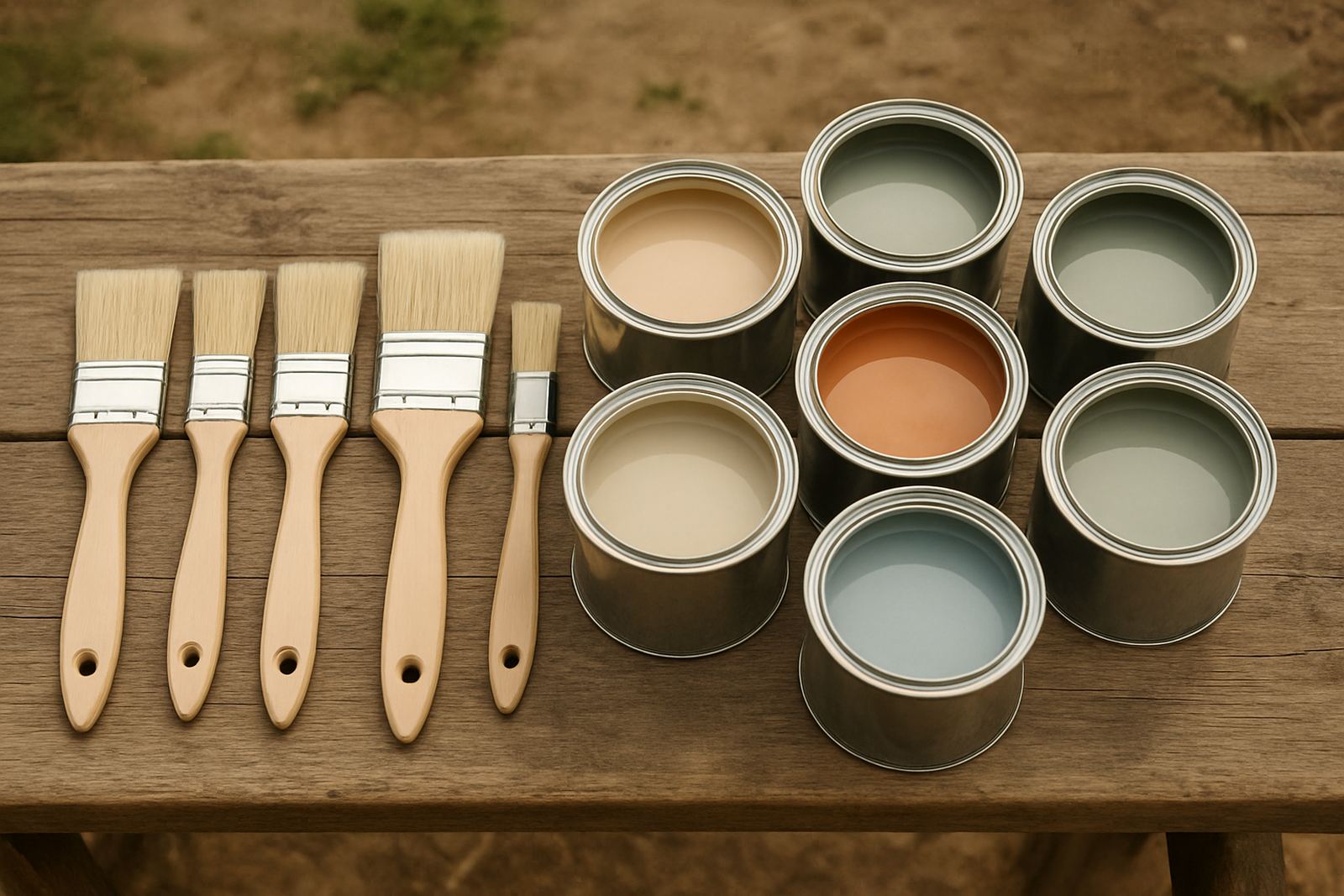
We supply brushes in practical sizes for different tasks, from narrow 25 mm trim brushes to wider 50 mm, 75 mm and 100 mm brushes for larger areas. Smaller brushes are better for detail work, while wider brushes help with doors, fascias, gates and broad edging. The handle shape also matters, especially if you are painting for long periods and need a firm grip.
- 25 mm to 32 mm: fine detail, trim, sash work and corners
- 38 mm to 50 mm: cutting in walls, doors and general household use
- 63 mm to 75 mm: broader coverage on trim, fascias and gates
- 100 mm and above: large flat sections and rougher outdoor surfaces
Filament options are usually synthetic, natural bristle or blended. Synthetic filaments suit many water based paints and are a common choice for acrylic wall coatings. Natural bristle is often preferred for solvent based products and some smoother finishes. A blended brush can give good control if you want one brush for mixed work. Ask for advice if you are not sure, because the wrong filament can drag or leave marks in the paint.
Where These Brushes Suit Best
Paint brushes are useful on plastered walls, gypsum ceilings, timber, metal, fibre cement and prepared masonry. In Gqeberha, where coastal humidity can be high, the brush must help you apply coating evenly without overworking the surface. That is especially important on outdoor trims, steel gates and balcony details where moisture and salt air can affect drying.
For interior work, brushes are ideal for skirting, cornices, edges around downlights and small repair areas. Trade teams in Sandton, Bellville and Walmer often use a mix of sizes on the same job, one brush for cut lines and another for doors or fittings. A decent brush also helps on textured walls where a roller may miss the dips and edges.
- Interior walls and ceilings
- Doors, frames and skirting
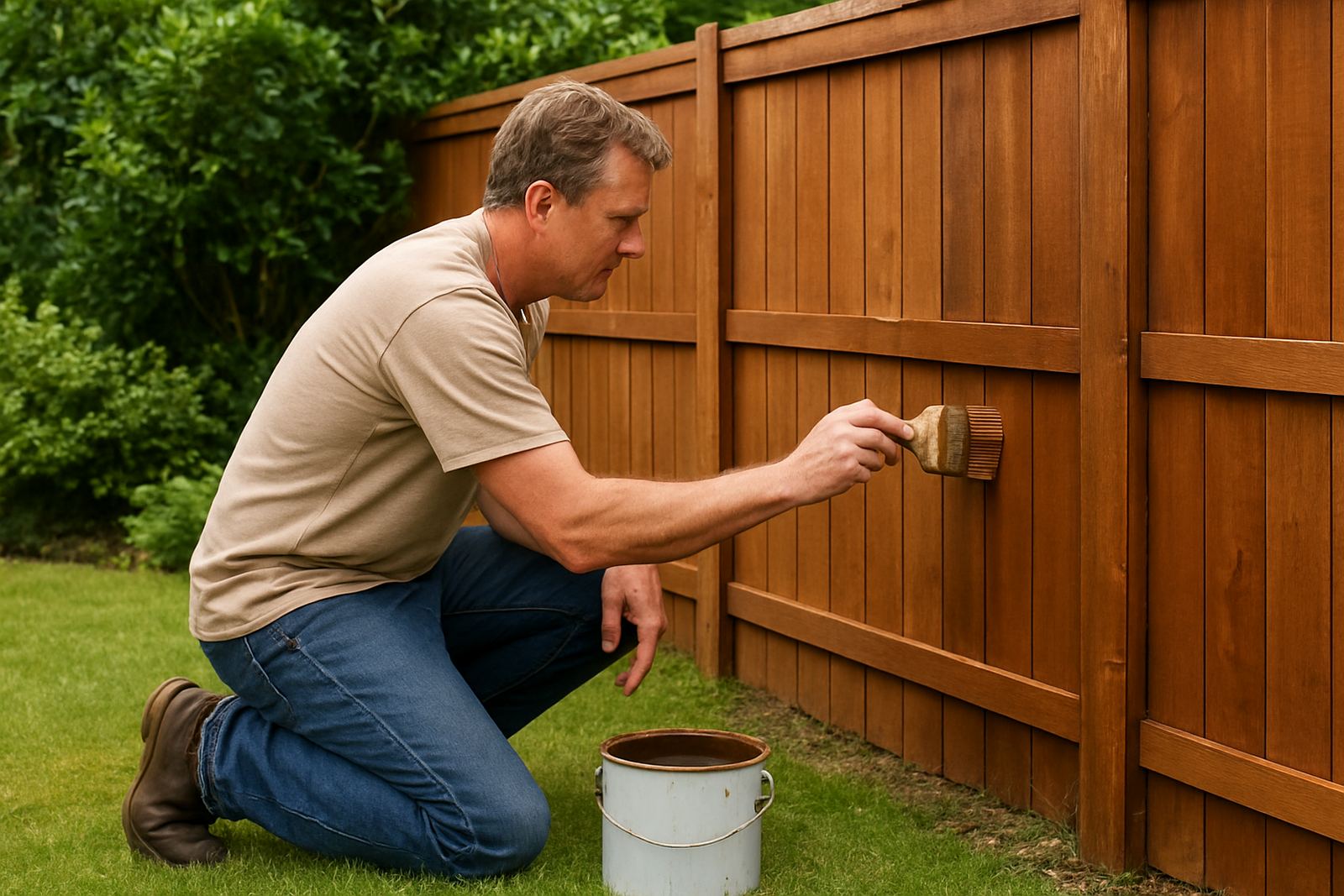
- Metal railings, gates and fences
- Touch ups after sanding or filling
Installation, Power And Site Setup
Paint brushes do not need power or gas, which makes them handy during load-shedding and on sites with limited access to electricity. You only need a clean tray, the correct paint, masking tape if needed and a steady surface to rest the brush between coats. For larger jobs, a brush is often used alongside rollers, ladders and extension poles, though the brush itself stays the finishing tool.
Before you start, check that the surface is dry, dust free and fully prepped. If you are painting over glossy enamel or repaired patches, a light sanding and a proper primer can improve grip. On exterior work, avoid painting when rain is expected or when the wall is still holding moisture, because the brush can only do so much if the surface is not ready. A well loaded brush should glide, not scrape.
How To Care For Brushes So They Last
Good brushes can be used again and again if they are cleaned properly after each job. Water based paints should be washed out with clean water and a little mild soap, then rinsed until the water runs clear. Solvent based products need the correct thinner or cleaner recommended for that coating. Do not leave a brush standing in paint overnight unless you want a hard edge and bent bristles in the morning.
After cleaning, shake out the water, reshape the tip and hang the brush or lay it flat to dry. Store brushes away from dust and direct sun. If the ferrule loosens, the bristles splay or the tip stays misshapen, it is better to replace the brush than fight with it on a finished wall. That small step can save a full repaint later, which is worth it.
- Rinse immediately after use
- Use the correct cleaner for the coating type
- Reshape the tip before drying
- Store in a dry place away from dust
What To Check When Ordering Brushes
When ordering paint brushes, check the coating type, the surface you are painting, the brush width and whether you need a stiff or softer filament. A brush for water based wall paint is not always the best choice for enamel or varnish, and a brush that suits smooth indoor walls may not hold up on rough exterior surfaces. You should also think about whether you need a single brush for general use or a small set for different parts of the job.
For trade orders, ask about bulk quantity planning and contractor account help if you are supplying a crew. For DIY use, it helps to bring a sample or describe the finish you want, because the right brush can change from one coating to the next. If you are repainting over an old surface that has brush marks, roller texture or flaking spots, our team can point you to the brush style that will give a neater result. It saves time and reduce waste too.
- Paint type: water based, solvent based or primer
- Surface: smooth, textured, timber or metal
- Size: detail, trim or broad coverage
- Filament: synthetic, natural or blended
- Handle and balance: for comfort on longer jobs
Key facts
| Product type | Paint brushes for interior and exterior painting |
|---|---|
| Sizes | 25 mm, 32 mm, 38 mm, 50 mm, 75 mm, 100 mm and larger on request |
| Filament options | Synthetic, natural bristle and blended |
| Best for | Cutting in, detail work, trim, doors, gates and touch ups |
| Suitable coatings | Water based wall paint, primers, enamels and selected solvent based finishes |
| Care | Wash after use, reshape tip and store dry |