
Fence Paint For South African Boundary Work
Fence paint is an exterior coating made for surfaces that sit outside all day and take a beating from UV, dust, moisture and regular cleaning. It is commonly used on timber palisades, garden fencing, boundary walls, gate pillars and decorative perimeter features around homes, complexes and business premises. In places like Gqeberha, Walmer and Bellville, the finish also needs to cope with wind-driven dirt and, near the coast, salty air.
For most jobs, the aim is simple: protect the surface, keep colour consistent and make the fence easier to maintain. A good system starts with the right prep, then primer where needed, then a proper exterior topcoat. If the fence is already weathered or patched, we can advise on what needs filling, sealing or sanding before you paint. That saves time and helps the coat last longer.
- Suitable for timber, plastered walls, cement fibre and many primed metal surfaces
- Available in practical exterior shades, from dark boundary colours to lighter reflective tones
- Can be matched to existing wall colours or a new property scheme
Sizes, Finishes And Tinting Options
Fence paint is typically supplied in 1 L sample pots, 5 L tins and 20 L drums for larger runs. Sample pots are useful when you want to test a colour on a shaded section or compare it against paving, roofing and boundary walls. For contractor work or multiple properties, bulk ordering helps keep colour batches aligned and reduces repeat mixing.
Finish choice matters as well. A matt finish can hide minor texture differences on walls and older timber, while a low-sheen or satin look makes washing off dust and splashes a bit easier. If the fence is in full sun, a lighter colour will often hold surface temperatures down more than a very dark shade. Our colour matching team in Korsten can mix to an existing sample, a chipped off piece, or a reference colour if you need consistency across phases of work.
- Sample pot mixing for small test areas and approval panels
- Custom tinting for matching old fences, walls or gates
- Bulk quantity planning for contractors, estates and body corporates
Where Fence Paint Suits Best
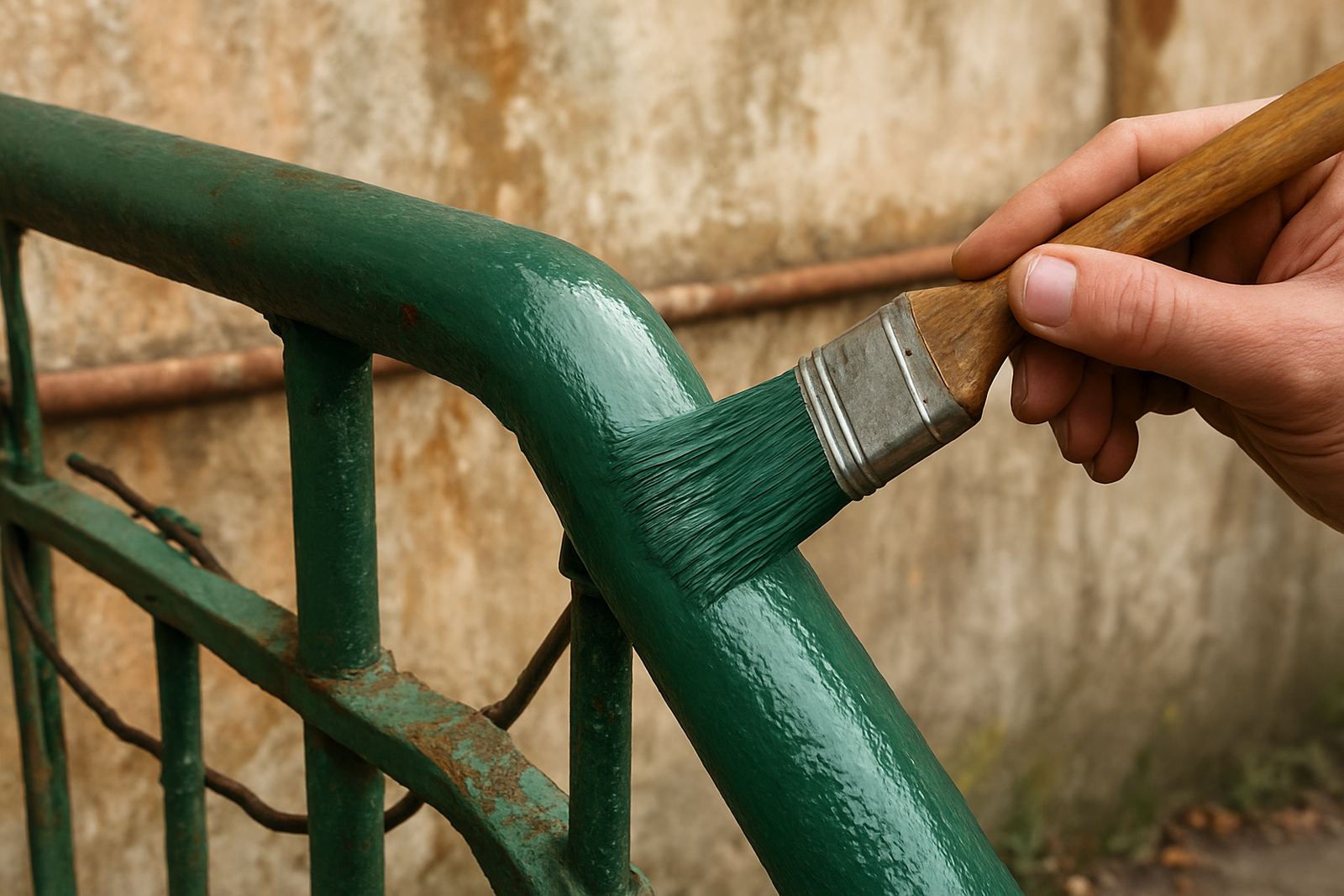
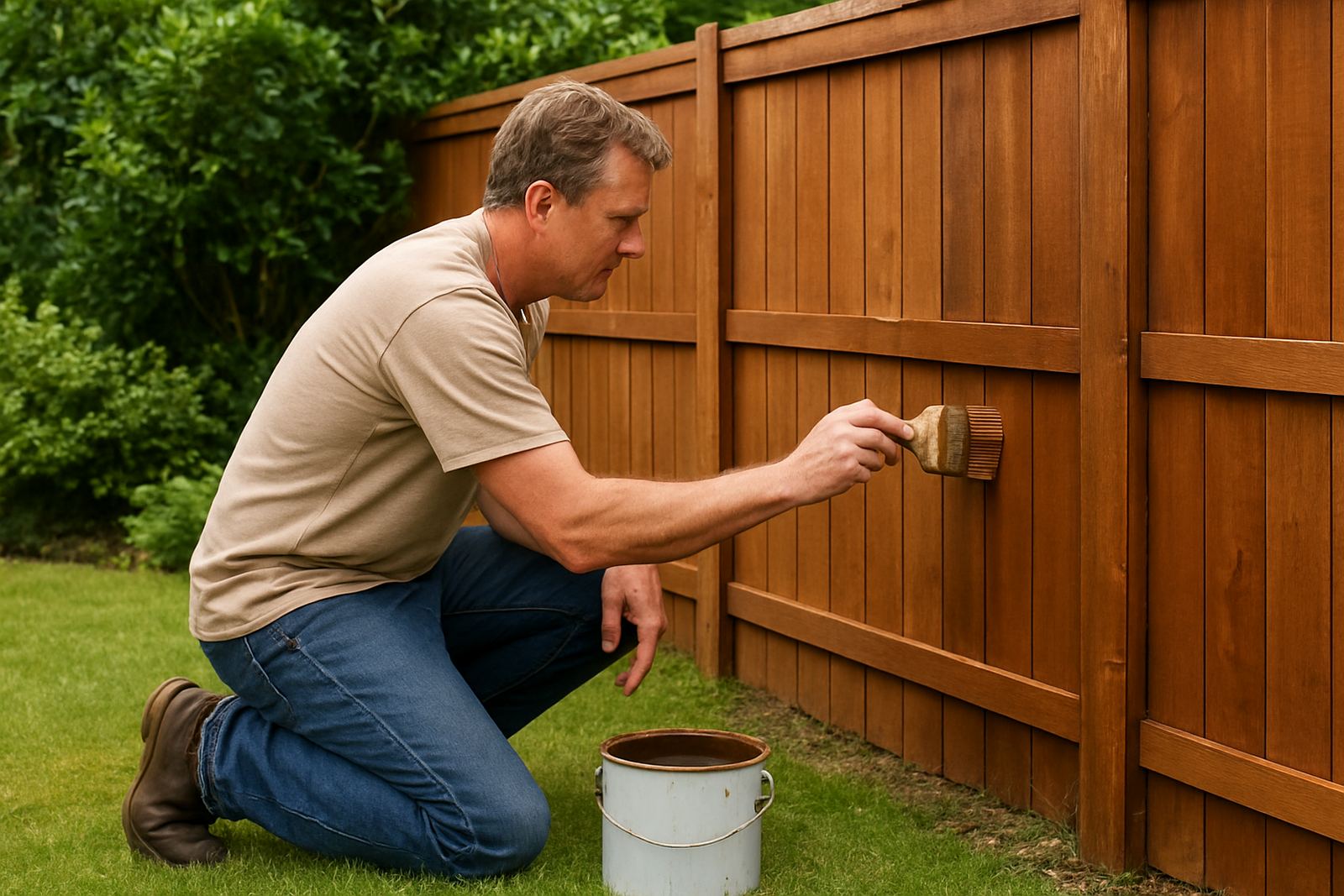
This product suits exterior areas that need regular weather protection and a neat finish. It is a good option for homes, schools, body corporate common areas, churches, shopfront boundaries and workshop perimeters. On timber fencing, it helps reduce moisture uptake and weathering. On masonry walls, it gives a cleaner finish after patching and sealing. On properly prepared metal sections, it can support a tidy perimeter look without heavy upkeep.
In coastal zones like Gqeberha and certain parts of Cape Town, the main challenge is not only rain but damp air that lingers after weather changes. In hotter inland spots like Sandton or Randburg, the bigger issue is UV and chalking over time. The right product and prep method can vary by site, so we often ask where the fence is located, how old it is and whether it has already been painted before. That little bit of detail makes a big diffrence.
Surface Prep, Tools And Power Needs
Fence painting does not usually need gas or special power equipment, but a well planned site makes the job easier. Most work can be done with brushes, rollers and a low-pressure spray setup where suitable. For prep, you may need sanding blocks, scrapers, filler, masking tape and cleaning brushes. If the fence is high or runs along a long boundary, access equipment and a steady washing method can save a lot of effort.
Before painting, the surface should be clean, dry and sound. Loose paint must come off, rust should be treated, and timber should not be left damp from overnight rain or early morning condensation. On fresh plaster or new masonry, allow curing time before coating. If load-shedding is affecting power tools or site lighting, plan the work in daylight and keep drying times in mind so you are not trying to paint a cold surface late in the day.
- Brush, roller or spray application depending on surface and access
- No gas requirement for standard hand-applied fence painting
- Allow for drying time between coats and before heavy rain
How To Care For A Painted Fence
Once the fence is painted, a little care goes a long way. Regular washing with clean water and a soft brush removes dust, bird droppings and garden residue before they can stain. Check the fence after strong winds, heavy rain or trimming work. Timber ends, repaired cracks and screw holes are the places most likely to show wear first. If you catch small defects early, touch ups are quicker and cheaper.
For business premises and shared properties, it helps to keep a record of the colour used and the mix code if one was supplied. That makes future repairs easier when only a section needs repainting. If you are dealing with repeated peeling, blistering or patchy colour, we can help troubleshoot whether the issue is poor prep, trapped moisture, old coating failure or a product mismatch.
- Wash gently every few months in dusty or coastal areas
- Inspect after storms and garden maintenance
- Keep the colour reference for future touch-ups and extensions
What To Check Before You Order
When ordering fence paint, start with the surface type, total length and whether the job is a first coat or a repaint. Measure the area as accurately as you can, including posts and any wall sections that are part of the same run. If you are matching an existing fence, bring a painted sample or a clear photo in good light. If the surface is badly weathered, you may need more product than a neat new fence because rough timber and porous walls soak up extra paint.
It also helps to know what finish you want, how many coats are planned and whether you need primer, filler or prep products at the same time. Contractors should also confirm opening times, account requirements and delivery timing for site work. Our branches in Korsten, Sandton, Randburg, Walmer, Newton Park and Bellville can help with product recommendations, repaint troubleshooting and bulk order planning.
- Surface type: timber, masonry, primed metal or mixed materials
- Area size: length, height and number of coats required
- Colour match, finish, and whether primer or prep products are needed
Need Help Matching Fence Colour?
If your boundary wall, timber fence or garden edging needs a fresh coat, we can help you choose a colour that suits the property and the local conditions. From sample pot mixing to trade order support, ColouRight Paints works with DIY customers and contractors across Gqeberha, Joburg and Cape Town. We keep the advice practical so you order the right amount and avoid repainting the same section twice.
For direct help, use our contact form and tell us the surface, size and location. If you have an old colour chip or a flaking sample, send that along too. It makes matching easier and speeds up the order.
Key facts
| Product type | Exterior fence and boundary coating |
|---|---|
| Typical sizes | 1 L sample pot, 5 L, 20 L |
| Best surfaces | Timber fencing, boundary walls, primed metal, garden perimeter features |
| Finish options | Matt, low-sheen and satin depending on stock and use |
| Application | Brush, roller or suitable spray setup |
| Coverage | Approx. 8 to 12 m² per litre per coat, surface dependent |