
What paint rollers do on a real job
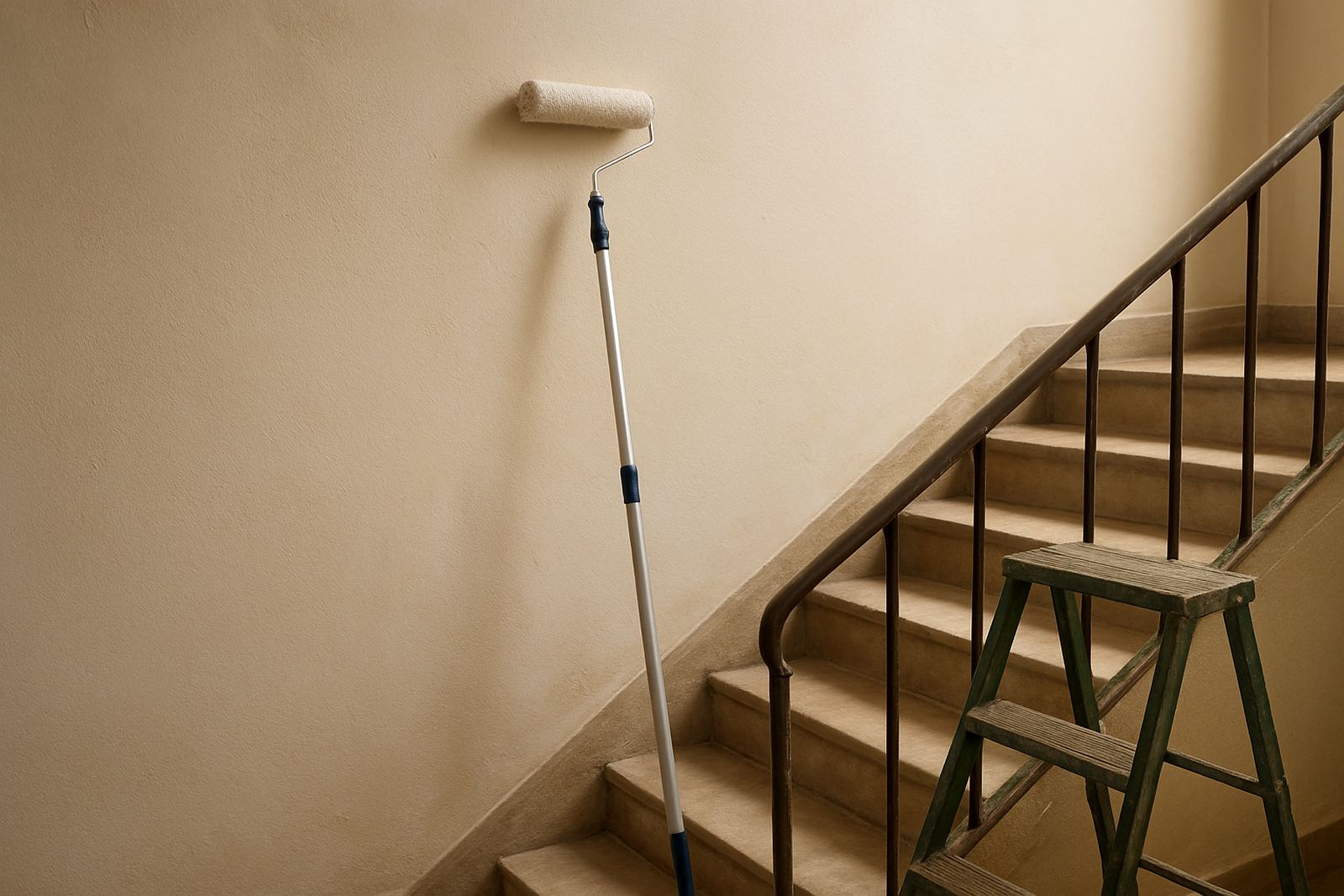
Paint rollers are used for covering broad surfaces faster than a brush, with less streaking on large walls and ceilings. A good roller set gives even paint distribution, better coverage over plaster and drywall, and far less fatigue when you are doing more than one room. For Gqeberha homes, coastal humidity and older wall surfaces can affect how paint lays down, so sleeve choice matters just as much as the paint itself.
A basic roller setup includes the frame, sleeve and extension pole if needed. The frame holds the sleeve, while the sleeve material and nap length decide how much paint the roller carries and how it handles smooth or rough surfaces. If you are doing a small flat in Walmer or a full office repaint in Sandton, the right roller saves time and keeps the finish more even.
Sizes, naps and sleeve options
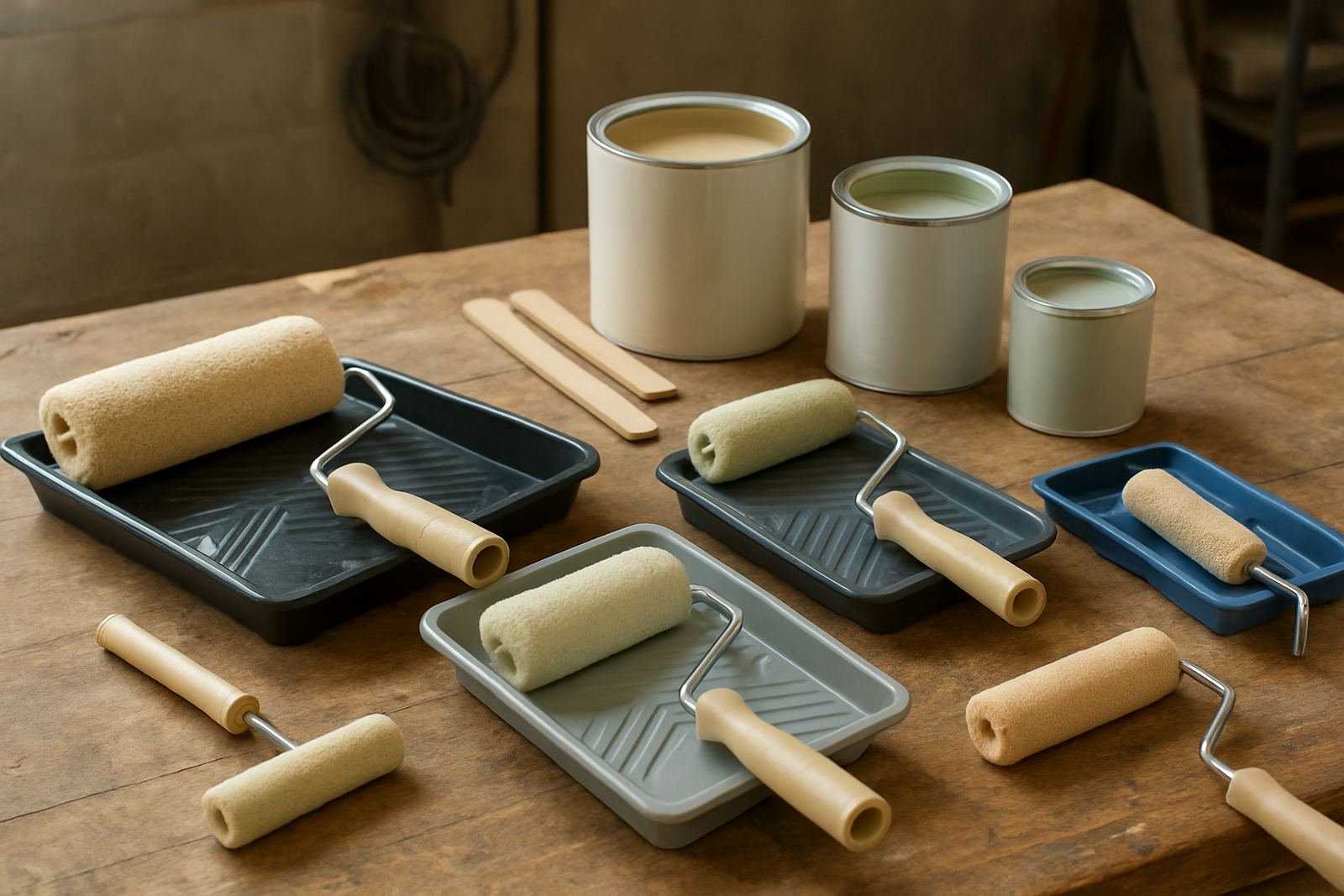
Rollers are usually chosen by width and nap length. Smaller sleeves are useful for tight areas and quick touch ups, while wider sleeves suit larger wall areas and open spaces. Nap length is the pile height of the sleeve and should match the surface texture. Short nap sleeves suit smooth walls, medium nap works for lightly textured plaster, and longer nap helps with rough cast or uneven blockwork.
- 100 mm to 150 mm rollers for trims, narrow panels and smaller patch work
- 230 mm rollers for standard wall painting and ceiling work
- Longer nap sleeves for rough plaster, masonry and exterior walls
- Microfibre and woven sleeves for smooth finishes with reduced lint
- Foam sleeves for very smooth surfaces and certain enamel type coatings
If you are unsure, bring a sample of the surface or a photo and we can point you to the right sleeve. A wrong nap often means more stippling, more back-rolling and more paint use than expected.
Where rollers suit best in homes and trade work
Paint rollers are suitable for interior walls, ceilings, boundary walls, garages, rental units, retail stores and workshop spaces. They work especially well where speed matters and where the surface area is large enough to justify a roller over a brush. On exterior work, a heavier nap can help when covering rough render, cement plaster or brick walls that have weathered over time.
For contractors doing repeat work, roller choice can also affect labour time and finish consistency across several units. In areas like Korsten and Newton Park, where repaint jobs often include older plaster and mixed repair patches, using the right roller makes a visible difference to patch blending and final appearance.
- Interior living rooms, passage walls and ceilings
- Office partitions and retail back areas
- Boundary walls and exterior plastered walls
- Garage floors only where the coating is made for that surface
- Prep coats, primers and general repainting jobs
How to fit and use a roller properly
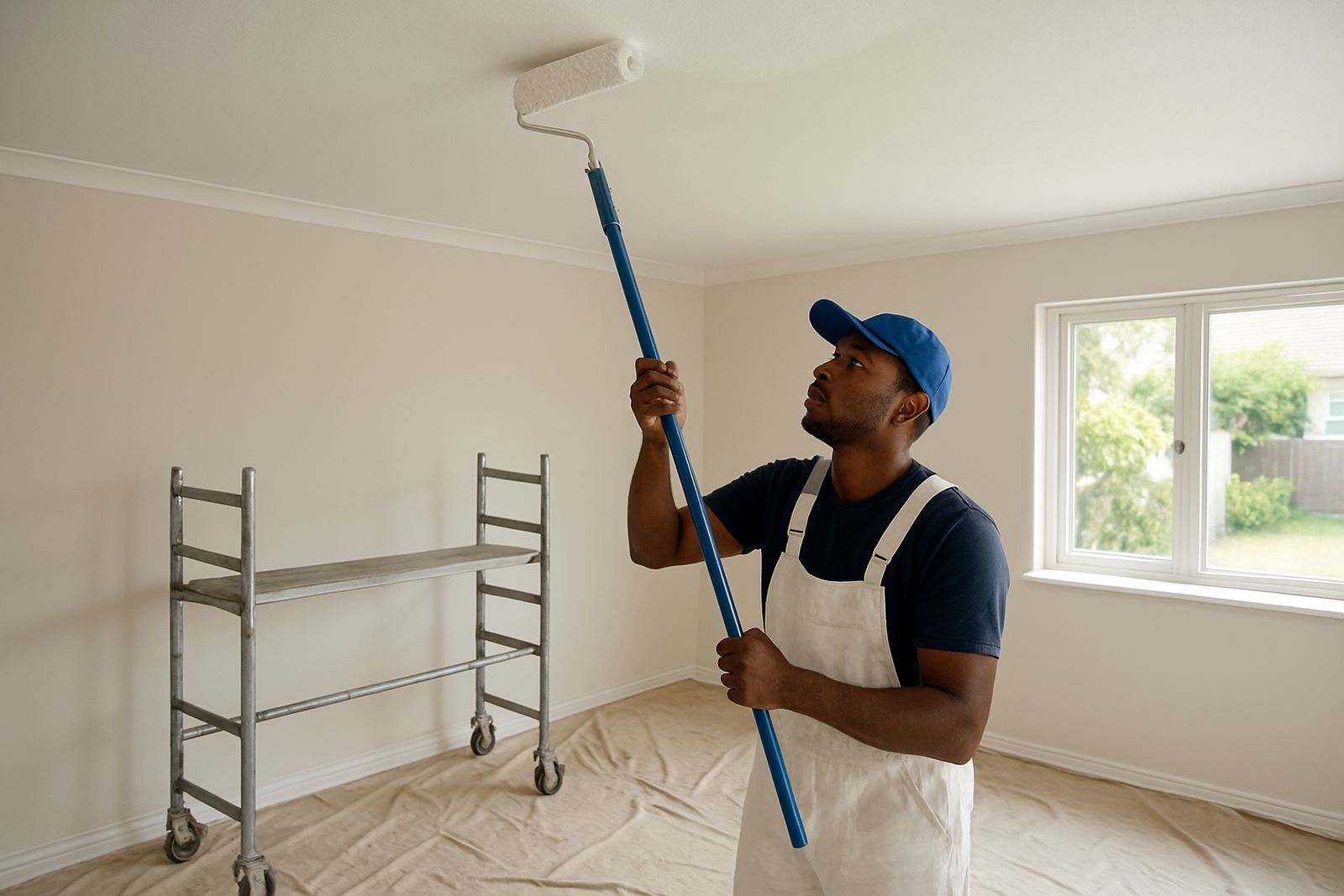
Rollers do not need power or gas. They are hand tools, so setup is simple, but the sleeve must sit firmly on the frame and turn freely. If you are using an extension pole, check that the thread or clip connection matches the frame. For ceiling work, a pole reduces strain and helps keep pressure even across the surface.
Before loading paint, lightly dampen a new sleeve if the coating system allows it, then remove excess water. Roll off excess paint on a tray or grid so the sleeve is coated but not dripping. Working in a W or M pattern helps spread paint more evenly. Do not overwork the wall once the paint starts to tack, especially in warm weather or where the wind picks up in open rooms and verandas.
Care, cleaning and when to replace sleeves
After use, clean the sleeve and frame straight away. Water-based paint should be washed out with clean water and mild soap, while solvent-based products may need the correct thinner or cleaner as advised by the coating manufacturer. Spin out as much liquid as possible and allow the sleeve to dry in a dust-free place. A sleeve stored wet for too long can go hard, smell bad or shed fibres on the next job.
Replace the sleeve when it starts to lose pile, shed lint, leave lines, or hold paint unevenly. A roller frame can last a long time if the bearings or cage stay straight and rust free. On coastal jobs, wipe metal parts dry after cleaning so they dont corrode as fast. If you are running a contractor account, it is worth keeping separate rollers for primers, undercoats and topcoats to avoid contamination.
What to check before you order
Before placing an order, check the coating type, surface texture, room size and whether you need a standard wall roller or a speciality sleeve. Also check the width of the tray or grid you already have, because not all rollers fit every accessory neatly. If you are buying for a repaint team, it helps to match sleeve type across jobs so your finish stays consistent.
- Surface type: smooth, lightly textured or rough
- Paint type: water-based, solvent-based, primer or enamel
- Width needed: 100 mm, 150 mm or 230 mm
- Nap length required for the surface
- Whether you need a pole, tray or replacement sleeves
- How many rooms, units or litres you are covering
For trade orders, bulk planning can reduce downtime and make sure the team has enough sleeves for prep coats and final coats. If you are repainting after damp, salt air or old chalking paint, ask for product recommendations together with the roller setup so the system suits the job from start to finish.
Key facts
| Product type | Paint roller frames, sleeves and accessories |
|---|---|
| Common widths | 100 mm, 150 mm, 230 mm |
| Nap options | Short, medium and long nap |
| Suitable coatings | Wall paint, primer, undercoat and selected speciality coatings |
| Surface fit | Smooth plaster, textured walls, masonry and ceilings |
| Power or gas need | None, hand operated only |