
What masking tape does on a paint job
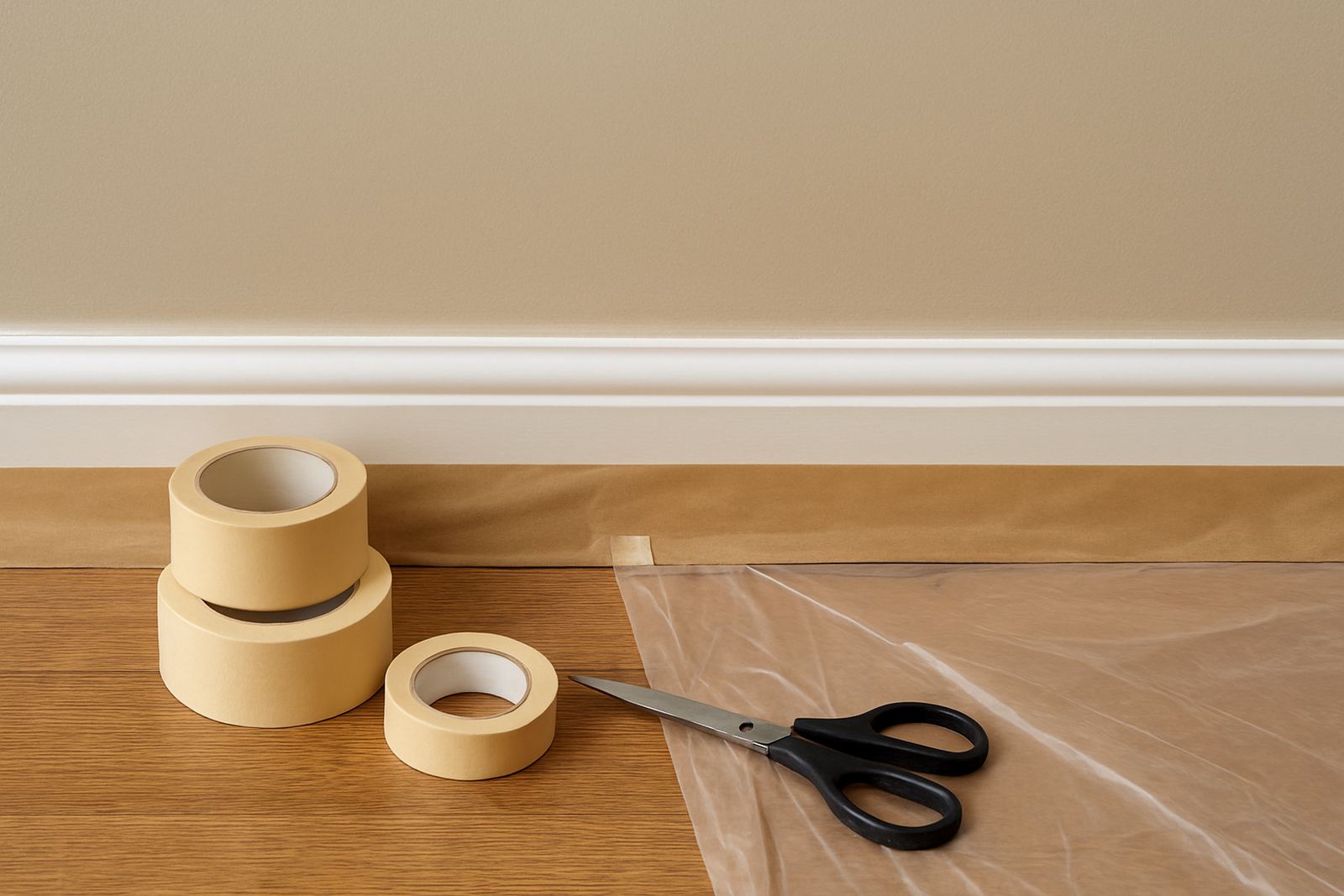
Masking tape is a pressure-sensitive paper tape used to protect edges while painting. It helps you cut in with cleaner lines on skirting, architraves, ceiling edges and around fittings where a brush alone can leave wobbly edges. For interior work it also saves time on touch-ups, especially on feature walls, two-tone rooms and detailed trim work.
At ColouRight Paints in Korsten, Gqeberha, we often recommend masking tape for DIY jobs and trade work where speed matters but the finish still has to look tidy. It is also useful in coastal homes where humidity can slow drying, because a good tape can stay in place while the coating sets. The main job is simple: stick well, hold paint back, then come off cleanly.
Sizes, grip levels and where each one suits
Masking tape is not all the same. Width, adhesive strength and paper thickness all matter depending on whether you are working on painted plaster, glass, timber or metal. A lighter tack suits freshly painted or delicate surfaces, while a stronger grip helps on rougher or dusty areas. The width you choose should match the edge you are protecting and how much overlap you need.
- 12 mm and 18 mm for fine edges, switch plates and detail work
- 24 mm and 48 mm for skirting, window frames and general wall masking
- 50 mm plus for wider protection on bulkier trim or short repair areas
- Low-tack options for fresh paint, wallpaper edges and delicate finishes
- General-purpose tape for standard interior repainting and decorating jobs
If you are painting a home in Walmer or a shop in Sandton, the right width can save a lot of clean-up later. Wider tape is handy, but on small fittings it can be clumsy, and if the tape is too sticky it may lift paint or leave a mark when removed. A quick test on a hidden spot is worth the time.
Best places to use it around homes and businesses
Masking tape suits any project where a straight, neat edge is important. It is commonly used on interior walls, around windows, along cornices, on painted doors and where feature colours meet each other. Trade painters also use it for quick protection on hardware, light switches and fittings during a repaint or maintenance callout.
- Bedrooms, lounges and passageways with clean wall-to-ceiling lines
- Kitchens and bathrooms where tiles, frames or fittings need protection
- Retail counters, office walls and reception areas during after-hours work
- Exterior trim, provided the surface is dry and free from dust
- Repaint patching where you need to isolate a repair area neatly
On exterior work in Cape Town or Gqeberha, make sure the surface is dry and the tape is rated for the conditions. Wind and dust can spoil the bond, and on hot walls tape can grip harder than expected. In coastal air, quick removal after the paint has skinned helps prevent edge bleed and sticky residue.
How to apply it for a cleaner edge
Good results start before the tape goes on. Wipe the surface clean, allow it to dry, then press the tape down firmly with a finger or plastic applicator. If you are working over dust or chalky paint, the tape may lift at the edges and paint can creep underneath. That gives you the fuzzy line nobody wants.
- Use short runs rather than one long, awkward strip on corners
- Overlap corners slightly so the edge stays sealed
- Press down the edge nearest the paint line first
- Paint away from the tape rather than flooding the edge
- Remove at the right time, usually before the paint fully hardens
For fresh interior paint, a slow steady pull at about a 45 degree angle usually works best. If the coating is still soft, pull too early and you may smudge it; leave it too long and the tape can tear or stick more firmly than expected. It pays to test one small section first, especially on older surfaces or unknown coatings.
What to check before you order tape
When ordering masking tape, think beyond price per roll. Check the surface type, the finish you are protecting, the length of each run and how many rooms or units you are covering. A contractor buying for a repaint in Randburg will often need a different mix of widths than a homeowner doing a single feature wall in Newton Park.
- Width required for trims, switches, windows or broad protection
- Adhesive strength for delicate, standard or rough surfaces
- Indoor or outdoor use, and exposure to sun or moisture
- Roll length, especially for large jobs or multiple rooms
- Whether the tape must resist bleed-through from thin coatings
Also check whether you need companion products such as drop sheets, scraper blades, sanding pads or surface filler. Good masking tape works best when the prep is done properly, and a clean substrate gives a much better result than trying to fix a dusty wall with stronger tape.
Care, storage and trade support from Korsten
Masking tape stores best in a cool dry place away from direct sun and damp. Heat can dry out the adhesive, while moisture can affect the roll and make unwinding messy. Keep the rolls sealed until needed and avoid leaving them in a bakkie cab or on a windowsill for long periods. It is a small product, but poor storage can waste more time than people think.
For contractors, decorators and homeowners around Korsten, Walmer, Bellville, Sandton and Randburg, ColouRight Paints can help with tape selection alongside paint matching, tinting and product recommendations. If you are planning a repaint, our team can help you choose the right widths for the job and estimate quantities so you do not run short halfway through. Khathu Mahlaba and the team are used to practical questions from busy jobsites, schools, shops and homes alike, and they know where a small detail can save a lot of rework.
Product specs at a glance
This masking tape range is suited to general decorating, clean-edge paint work and light protection during prep. Exact availability can vary by branch and order size, so check stock before collection or delivery.
- Product type: Paper masking tape for paint and decorating use
- Common widths: 12 mm, 18 mm, 24 mm, 48 mm and 50 mm
- Length per roll: Typically 20 m to 50 m depending on option
- Adhesive: Pressure-sensitive, available in standard and low-tack options
- Use area: Interior and selected exterior applications
- Removal: Clean removal from sound surfaces when used within the recommended time
For best results, match the tape to the coating, the surface and the job timing. If you are unsure, bring a sample or describe the substrate and paint type when you place your order, then we can point you to the right roll for the finish you need.
Key facts
| Product type | Paper masking tape for paint and decorating work |
|---|---|
| Common widths | 12 mm, 18 mm, 24 mm, 48 mm, 50 mm |
| Roll lengths | Typically 20 m to 50 m |
| Adhesive options | Standard tack and low-tack |
| Best use | Clean edges on trims, switches, cornices and windows |
| Typical use areas | Interior work and selected exterior repainting |