
What Paint Thinner Does on Site
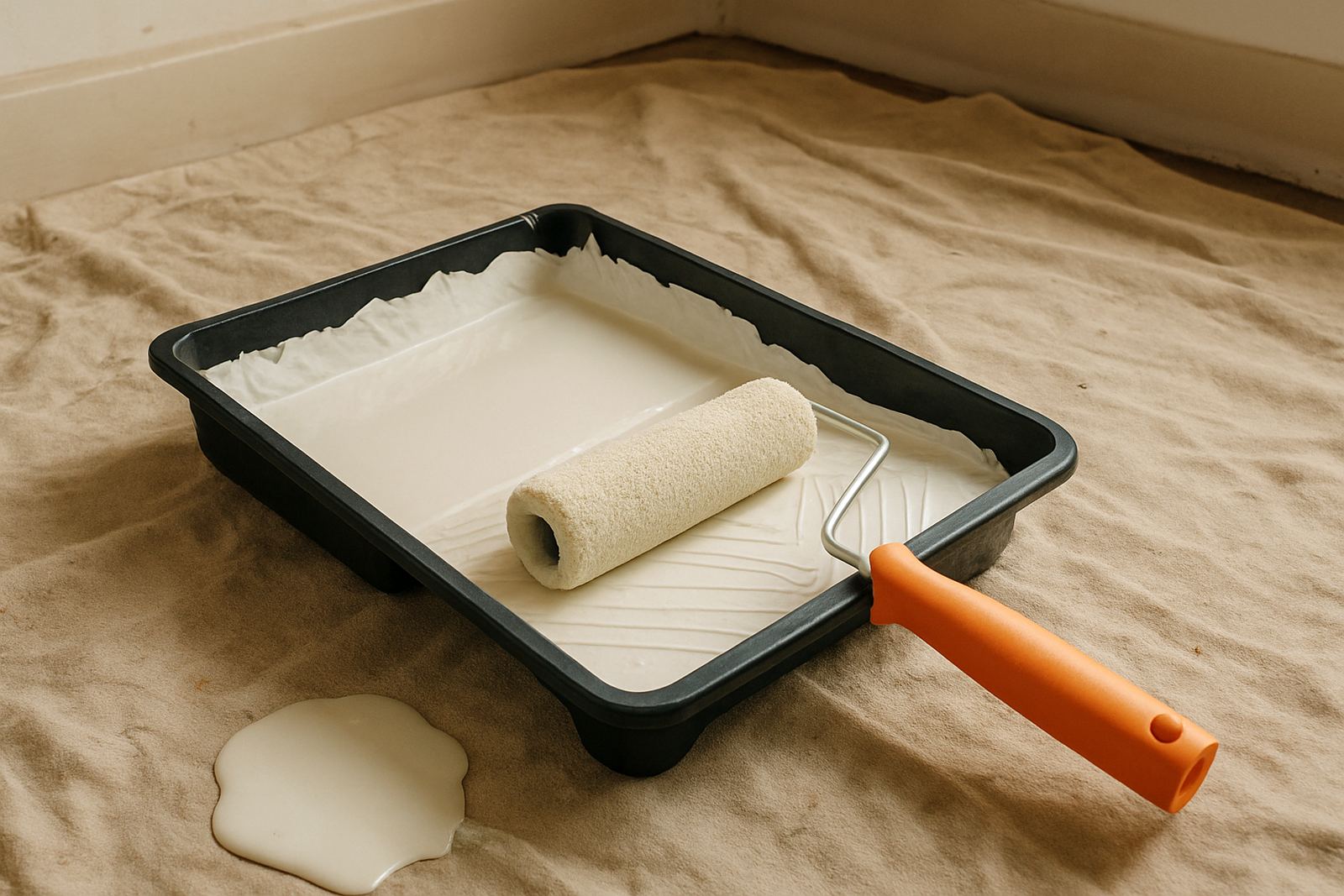
Paint thinner is a solvent used with specific coatings to help them spread more evenly, improve brush marks and make cleaning up after the job much easier. It is not for every paint type, so the first step is always checking that the coating you are using can be thinned with solvent and not water. In practical terms, thinner helps when the paint feels too heavy in the pot, when the day is hot and the coating starts to drag, or when you need to flush out tools before the product hardens.
For painters in Gqeberha, Walmer, Newton Park and the wider Eastern Cape, thinner also helps when you are working around coastal humidity. That moisture can slow drying and leave a job looking patchy if the product is not applied correctly. A measured amount of thinner can make application smoother, though too much will weaken coverage and affect sheen. That is why we always advise using the manufacturer instructions first, then adding only what is needed for the task.
Paint thinner is also useful for wiping splashes off metal fittings, prepping a clean surface before spot repairs and removing residue from hand tools. It is a small product, but on a busy site it saves time and keeps equipment in better shape.
Sizes and Options for Home and Trade Use
We supply thinner in sizes that suit small maintenance jobs as well as regular contractor use. If you are doing one room, a feature wall, or a few touch-ups after plaster repairs, a smaller container is usually enough. For painters handling multiple units, boundary walls or commercial interiors, larger quantities work out better and reduce stop-start buying.
- Small packs for touch-ups, brush cleaning and sample work
- Medium packs for household repainting and weekend projects
- Trade packs for contractors, maintenance teams and bulk cleaning
- Options suitable for compatible solvent-based coatings only
We can also help with bulk quantity planning if you are pricing a job in Sandton, Randburg, Bellville or the Newton Park area. If you are unsure how much to order, bring your paint type, square metre estimate and the number of applicators you are using. That lets us guide you on practical quantities instead of guessing and overbuying.
Where Paint Thinner Suits Best
Paint thinner suits jobs where the coating supplier allows solvent adjustment or solvent cleaning. It is common on metalwork, trim, gates, frames, maintenance repainting and certain decorative finishes. It is also used for cleaning spray guns, metal trays and brushes after working with compatible coatings. If you are working on a rental unit, a shop fit-out or a site with tight handover times, the ability to clean tools properly at the end of the day matters a lot.
For exterior work, thinner is handy when temperatures rise and the paint starts to lose flow. In coastal areas like Gqeberha, you also want to avoid over-thinning because the extra solvent can make the finish too soft and increase drying issues. On inland jobs around Joburg, especially in hot dry afternoons, a controlled amount can help the coating level better without leaving drag marks. The trick is always balance, not more product.
- Interior and exterior maintenance painting
- Metal gates, railings and frames
- Brush, roller and spray equipment cleaning
- Touch-up work before handover
How to Use It Correctly Before You Start
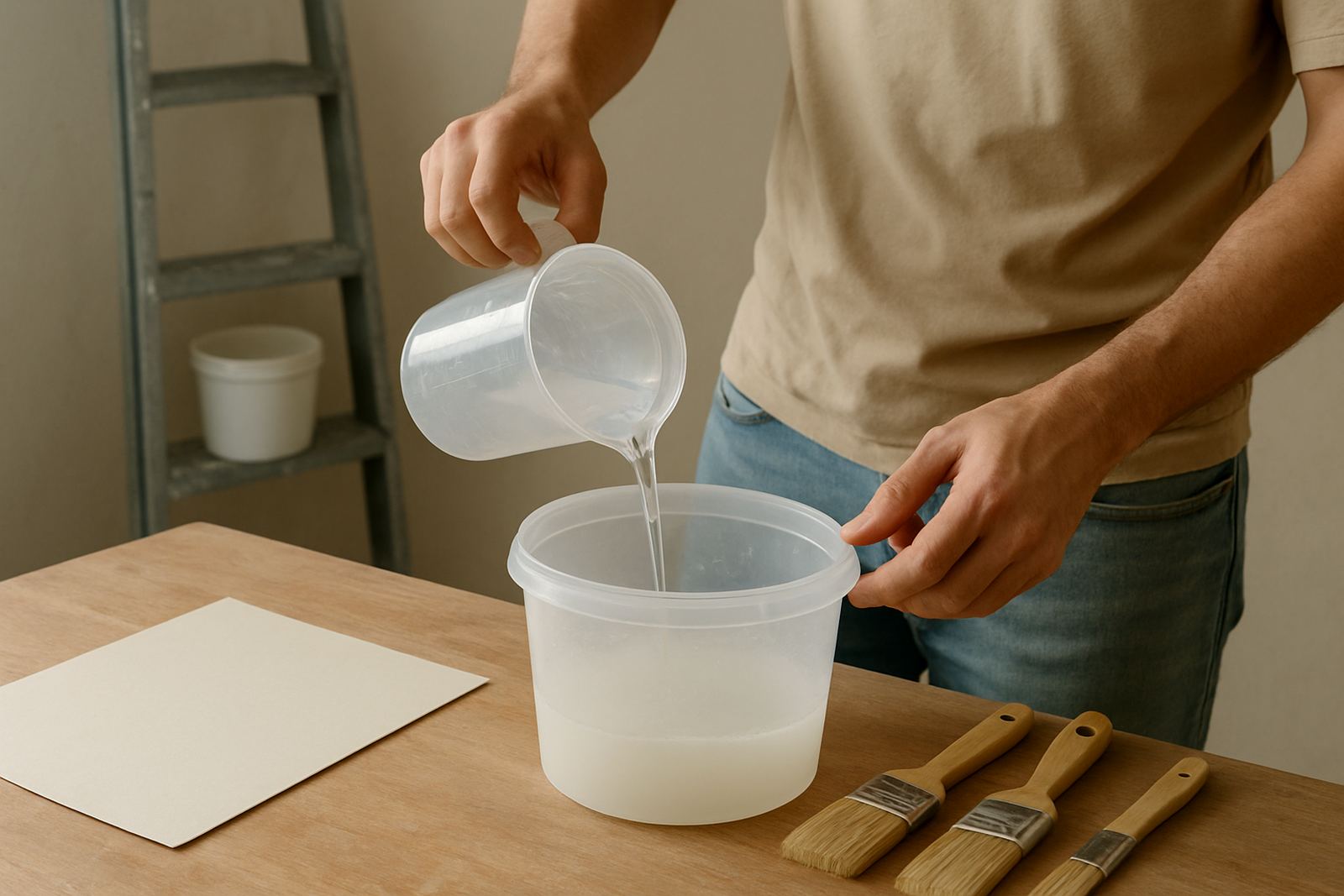
Paint thinner does not need power or gas, and there is no installation in the usual sense. What matters is safe handling, the right mixing ratio and a clean working area. Use a measuring cup or marked container, not a random guess from the tin. Add small amounts at a time and stir properly. If the paint is supposed to be sprayed, the target flow is different from brush application, so the amount added should match the method being used.
Keep lids closed when not in use and work in a ventilated area. On hot days or in enclosed workshops, fumes build up quickly and the product evaporates faster. Always keep thinner away from open flames, grinding sparks and electric heaters. A bit of care here prevents costly mistakes and keeps the site safer for everyone on the crew.
If you are mixing on a job in Korsten or Bellville, keep the container on a stable surface and use clean tools only. Dirty stirrers, water in the bucket, or old paint crust can ruin the mix and affect the finish.
Care, Storage and Safe Handling
Paint thinner should be stored upright in its original container with the lid closed tightly. Keep it in a cool, dry place out of direct sun. Do not decant it into drinks bottles or unmarked containers. That creates a serious risk on site and makes it hard to identify later. If a container is left open, the contents can thicken slightly and the vapour loss can make the product less effective.
For ongoing care, wipe the outside of the tin after use and check that the seal is still sound. If you buy for regular trade work, rotate stock so older containers are used first. On humid coastal sites, it is also worth checking for rust around storage shelves and replacing damaged lids early. A simple check before you leave the yard can prevent leaks in the bakkie.
- Store away from heat and ignition sources
- Keep containers sealed after each use
- Use clean, dry measuring tools
- Dispose of rags safely and do not leave soaked cloths in a pile
What to Check When Ordering Thinner
When ordering paint thinner, the main question is compatibility. Check the type of coating you are using, whether it needs solvent thinning or only solvent cleaning, and what the product label recommends. If you are unsure, ask before you buy. Getting the wrong thinner can damage the finish or make the paint act unpredictably. You should also confirm whether you need a small pack for a one-off job or a trade quantity for repeated use.
It helps to know the surface, the size of the area and the application method. A contractor cleaning spray equipment will need a different setup to a homeowner doing door frames and skirtings. If you are managing a repaint job and need help with product recommendations or repaint troubleshooting, bring the old coating details if you have them. The more information you share, the better the match.
- Coating type and intended use
- Required quantity for the job
- Whether the product is for mixing or cleaning
- Storage space and handling conditions on site
Our team in Korsten, Gqeberha can assist through our contact form, and we also support customers through our Joburg and Cape Town branches. If your job is in Sandton, Randburg, Walmer or Newton Park, we can help plan the order so you do not run short halfway through the work.
Key facts
| Product type | Paint thinner for compatible coatings |
|---|---|
| Primary use | Flow adjustment and tool cleaning |
| Suitable coatings | Solvent-based products only, subject to label instructions |
| Application methods | Brush, roller and spray use where permitted |
| Storage | Cool, dry place, sealed container, away from flames |
| Order support | Trade quantity planning, product matching and advice |