
What Paint Trays Do On Site
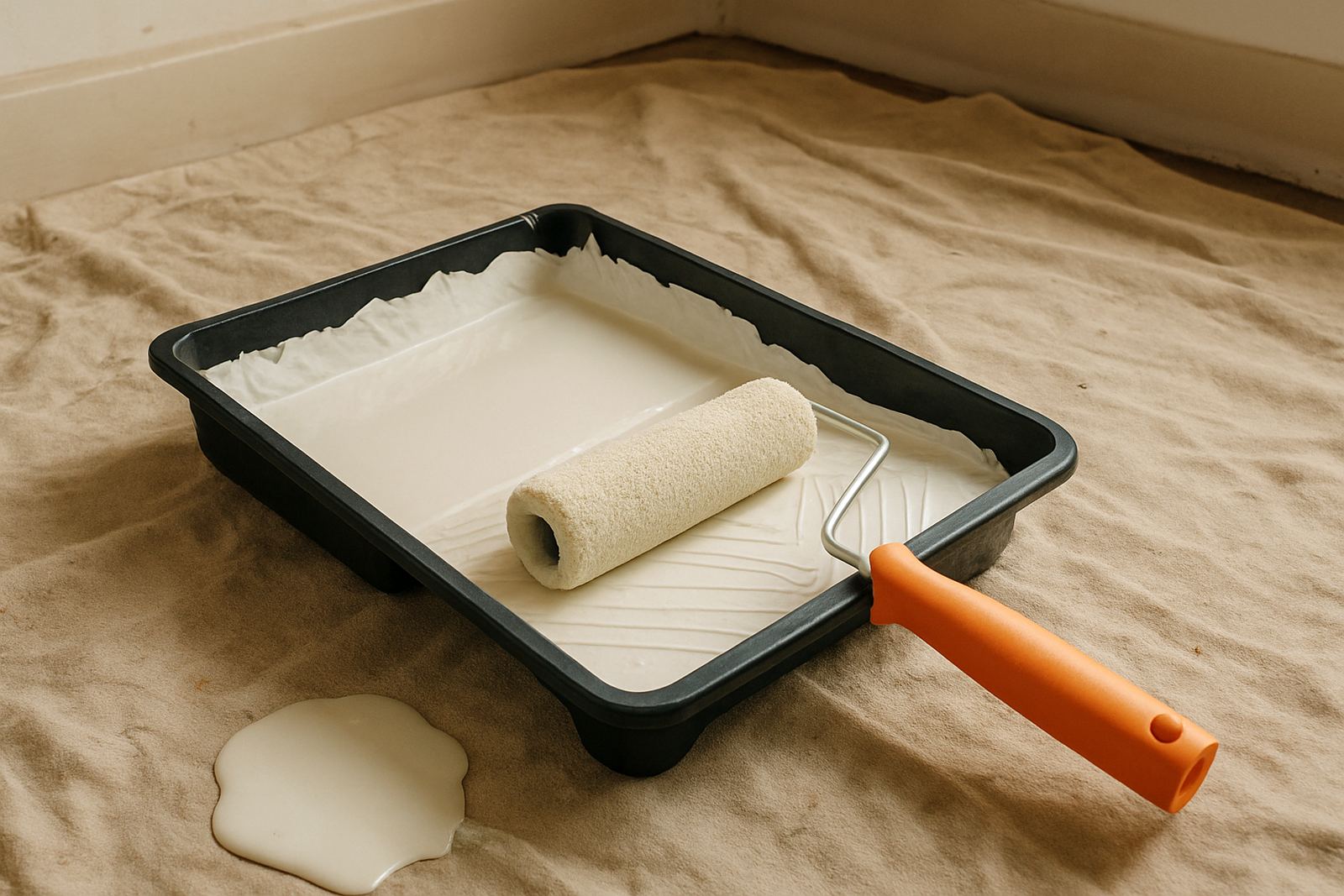
A paint tray gives you a shallow loading area for rollers and larger brushes so the paint sits evenly and the excess can be worked off before it hits the wall. That means better control on skirting, ceilings, boundary walls, touch ups and first coats, with less dripping on floors and paving.
Our paint trays are suited to general water-based and solvent-based decorating jobs, provided the lining or tray material is matched to the product being used. In humid coastal conditions like Gqeberha and Cape Town, a tray with a good liner is useful because it reduces dried skin on the tray and helps keep the work moving when the weather changes through the day.
- Cleaner roller loading for walls, ceilings and fascias
- Less wastage from spills and overloading
- Useful for both DIY work and contractor jobs
- Easy to carry between rooms, stoops and external areas
Sizes And Tray Options Available
Paint trays are usually chosen by roller width and job size. Smaller trays suit 100 mm rollers for trims and tight areas, while wider trays are better for standard wall rollers. Many painters keep more than one tray on hand, especially where primer, undercoat and topcoat are used on the same site.
Trays are commonly supplied as rigid reusable units or with disposable liners to save cleaning time. Liners are useful for repeat colour changes and for work in busy contractor teams where fast turnover matters. If you are covering large areas in one day, a deeper tray can help hold more paint and reduce refilling.
- Small tray options for 100 mm rollers and detail work
- Standard tray options for 230 mm rollers
- Deep tray styles for larger coverage jobs
- Reusable trays and disposable liners available
Where Paint Trays Suit Best
Paint trays are used anywhere neat loading matters. That includes interior repainting in homes, passageways in offices, shop fit outs, rental unit refreshes and maintenance work at schools, body corporates and light industrial premises. For contractors doing several rooms in one day, a tray system can keep the site tidier and the pace steadier.
They also suit exterior work where ladders, steps and limited access make open buckets awkward. On plastered boundary walls, gates and soffits, a tray helps keep the coating even and reduces overloading at the start of each pass. If you are working near municipal walkways or shared access areas, less spill on paving is always a plus.
- Homes, flats and rental units
- Shops, offices and reception areas
- Boundary walls, gates and exterior trim
- Contractor repainting and maintenance teams
Set Up, Use And Power Requirements
Paint trays need no power, gas or special installation. Place the tray on a stable surface, pour in only the amount of paint needed for that section and roll the roller across the ribbed slope to distribute the coating evenly. For site work, a tray stand or flat board can help on uneven floors, but it is not essential.
For best results, choose a tray size that matches your roller width. A roller that is too wide for the tray will drag paint over the sides, while a tray that is too deep for a small roller can make loading messy. If you are coating textured plaster or a porous wall, you may need to load slightly more paint first and then adjust after the first few passes.
- No electricity or gas required
- Works with standard hand rollers and brush sets
- Use on stable flooring, trestles or temporary work tables
- Keep a second tray for different colours or products
Cleaning, Care And Tray Life
Reusable trays last longer when cleaned soon after use. Water-based paint should be rinsed before it dries, then wiped dry so the next coat does not pick up grit or flakes. For solvent-based products, follow the correct cleaning method and keep the area well ventilated. Do not leave liquid paint sitting in the tray overnight if you can avoid it, especially in warm rooms or coastal humidity.
Disposable liners cut down on clean-up and are practical for trade jobs, but the tray underneath still needs a quick wipe now and then. Check for warping, cracked corners or hardened ridges that can affect roller loading. If a tray becomes badly scored, it can leave lumps in the paint and slow the job down.
- Rinse or wipe after each use
- Store flat so the tray does not twist
- Keep liners out of direct sun when not in use
- Replace cracked or badly scored trays
What To Check Before You Order
Before ordering paint trays, check the roller width you use most often, whether you prefer reusable trays or liners, and how many colours or products will be on site at once. Contractors often order extras for undercoat, topcoat and touch up work so teams do not have to keep washing out the same tray during a busy day.
It also helps to think about the surfaces you are covering. A small interior room may only need one standard tray, while a repaint in Sandton offices or Bellville retail space may call for multiple trays for different zones and finishes. If you are unsure, ColouRight Paints can advise on the best match with your paint system and the size of the crew.
- Match tray size to roller width
- Decide between reusable trays and liners
- Allow extras for different colours or coatings
- Check if you need deeper trays for larger jobs
Key facts
| Product type | Paint tray and liner range for brush and roller loading |
|---|---|
| Common sizes | 100 mm, 230 mm and larger contractor trays |
| Material options | Rigid reusable tray and disposable liner options |
| Typical use | Interior and exterior painting, touch ups, primers and topcoats |
| Power or gas needed | None |
| Best suited areas | Homes, offices, shops, rental units and contractor sites |