
What crack filler does on a proper paint job
Crack filler is a repair compound made for fine cracks, hairline movement marks and small defects in plaster, skimmed walls and masonry. It is not the same as a heavy gap sealer or structural repair product. Its job is to restore a smooth surface so sanding and painting can happen without every line showing through the finish.
On South African jobs, especially in older homes in Gqeberha or rental units where walls have taken a knock, crack filler helps tidy up around window reveals, corners, ceilings and door frames. It works well before interior repainting, and it can also be used on selected exterior areas where the crack is shallow and the wall is sound.
Sizes and pack options for different jobs
We supply crack filler in practical pack sizes to suit small repairs and larger touch-up work. For a quick household repair, a smaller tub is usually enough. For repainting a full room or handling ongoing maintenance at a business premises, a larger pack gives better value and less waste.
- Small pack for touch-ups, likely around 250 g to 500 g
- Medium pack for a few rooms or patching after repairs, around 1 kg
- Large trade pack for ongoing maintenance and contractor work, around 2 kg to 5 kg
- Some products come as ready-mixed paste, while others are powder-based and mixed with water
If you are doing multiple units in Walmer or a block of rental flats in Newton Park, it is worth planning the total quantity before starting. That avoids running short halfway through prep.
Where crack filler suits best
This product suits fine repairs on interior plaster walls, cornices, ceilings and small masonry cracks that are not moving. It is also handy for repairing screw holes, dents and chipped edges before priming. For exterior work, use it only where the surface is dry, stable and protected from constant water exposure.
It is commonly used on:
- Interior walls in homes, offices and shops
- Ceilings with small settlement cracks
- Around window and door trims
- Pre-paint repairs in rental properties and commercial units
- Minor defects before skim coat or primer
On coastal jobs in Gqeberha, take note of humidity. If the wall is damp, salt affected or soft, the crack filler will not hold properly. The surface must be sound first.
How to apply it and what power is needed
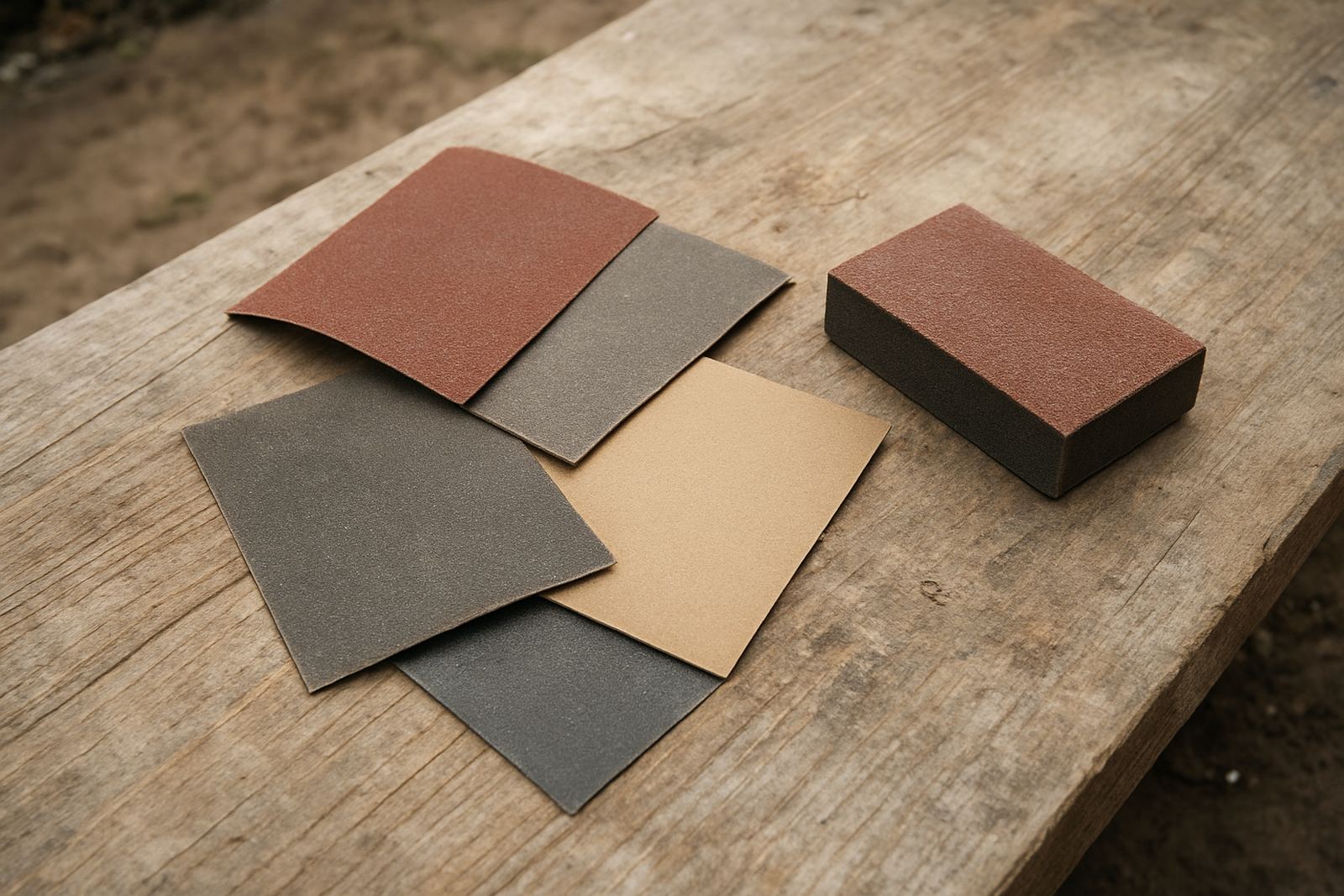
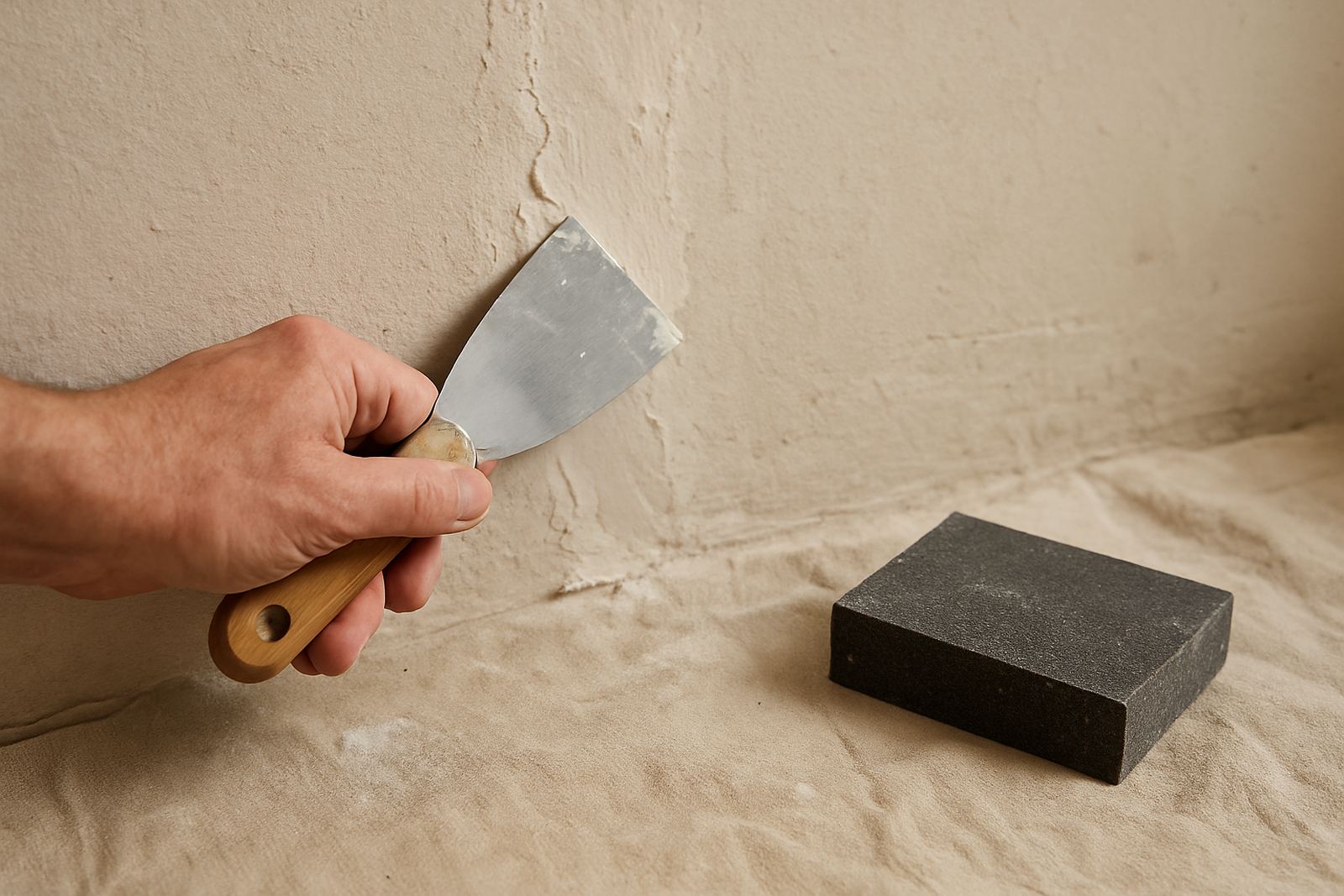
Most crack filler is applied by hand with a filling knife or putty blade. Crack filler itself does not need power or gas to apply. The only equipment you normally need is a scraper, sanding block or sander, cleaning cloth and a clean mixing container if the filler is not ready-mixed.
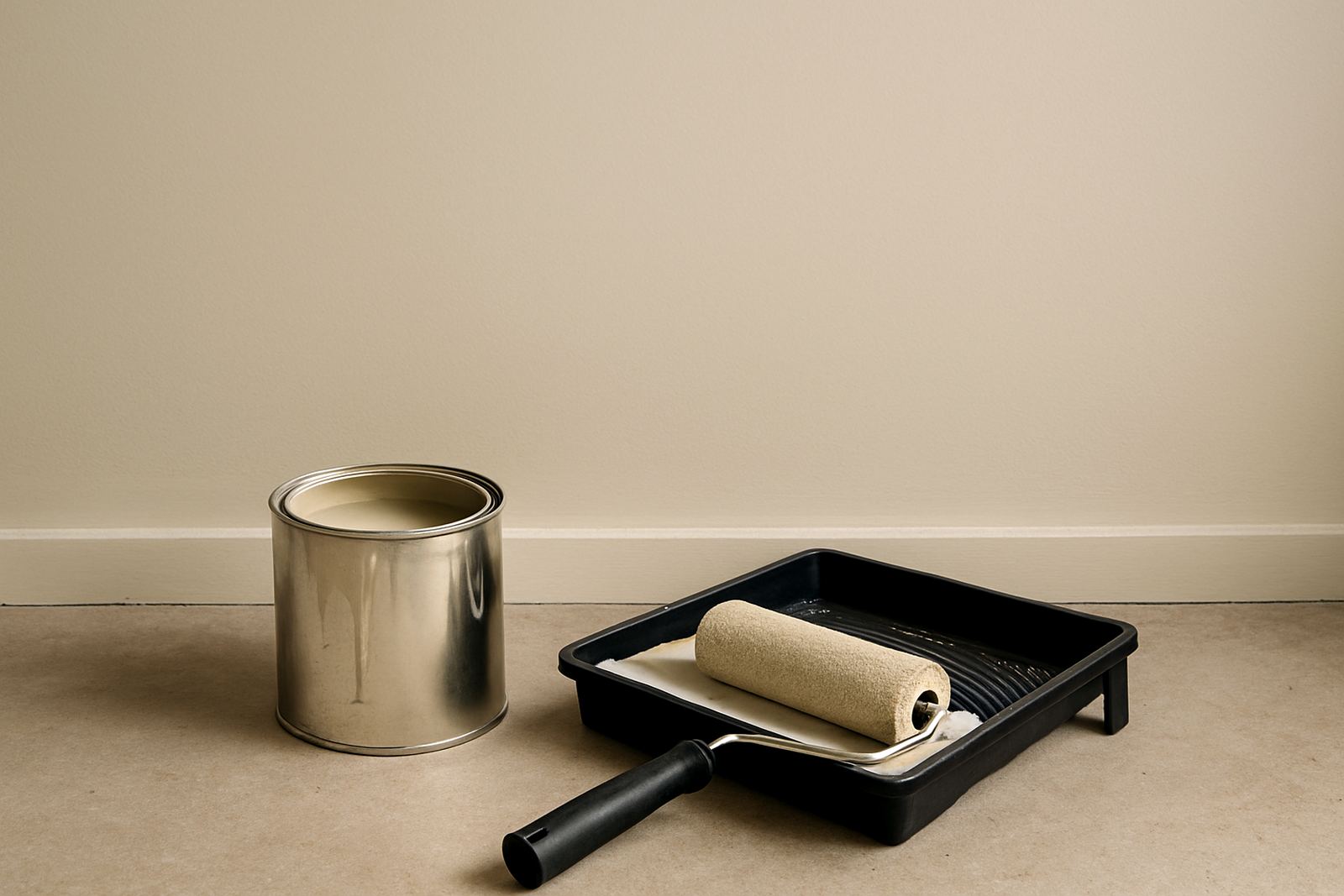
Basic application steps are simple. Open the crack a little if needed, remove loose dust, press the filler in firmly and level it off. Once dry, sand it smooth, then prime and paint. If the crack is wider than a few millimetres, or if it keeps returning, you may need mesh tape or a more flexible repair system.
- Always check if the product is paintable after drying
- Allow proper drying time before sanding in humid weather
- Use a primer where the repaired area could show through the finish
- Keep the room ventilated, especially in colder months when drying is slower
What to do before and after repair
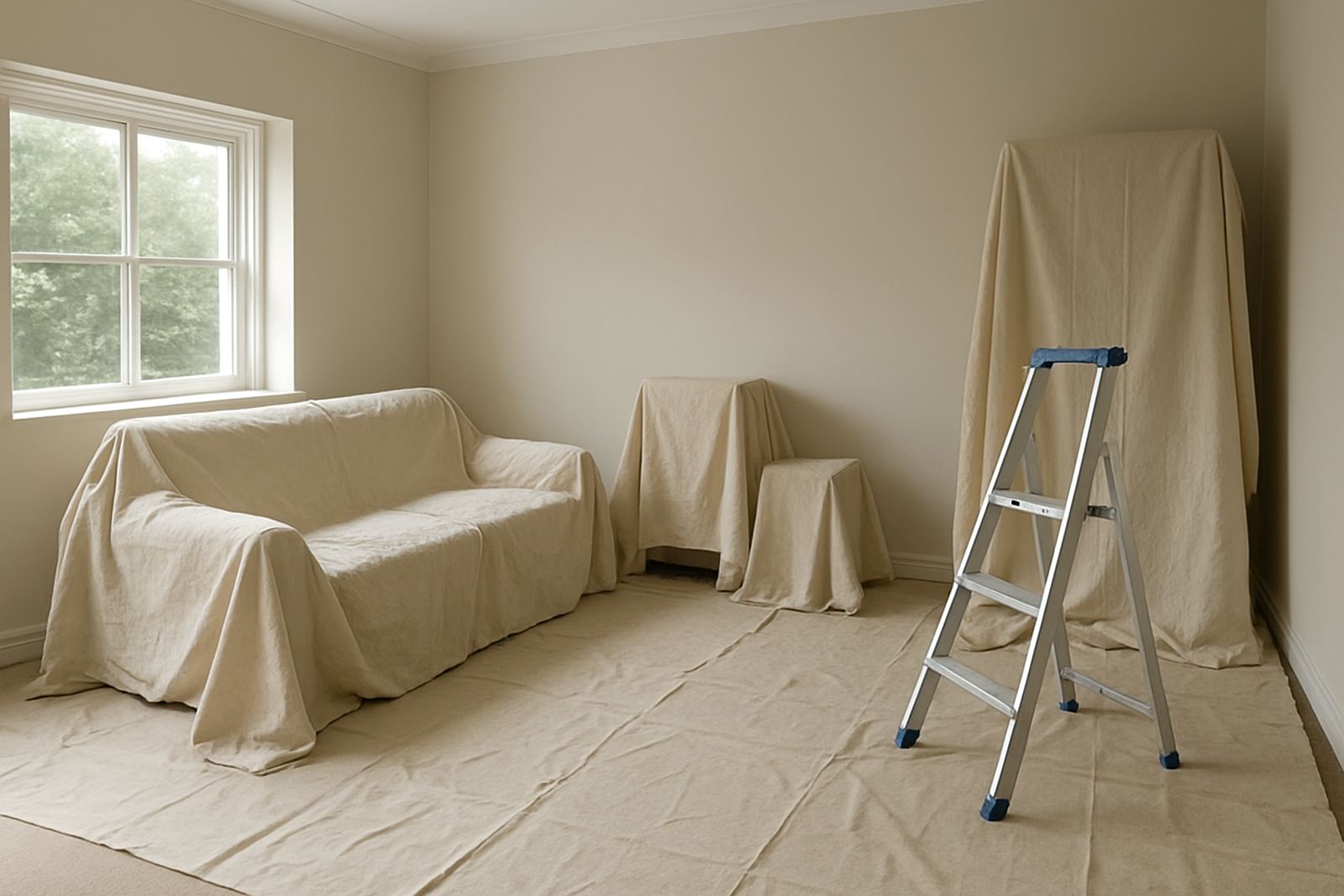
Good prep makes the difference between a repair that disappears and one that shows up after the first coat. Remove loose plaster, dust and any flaky paint before filling. If the wall has damp, treat the cause first. Filling over damp patches is a short cut that usually comes back to bite you.
After the filler has cured, sand lightly until the repair blends with the surrounding surface. Wipe away dust before priming. If the area is on a ceiling or in strong side light, stand back and check the repair from a few angles because marks are easier to spot once the light hits the wall.
Ordering the right crack filler for your site
When you place an order, check the crack size, substrate type and the size of the area to be repaired. A small interior repair in Sandton is very different from ongoing maintenance on a commercial building in Bellville. Tell us whether you are working on plaster, masonry or a painted surface so we can suggest the best option.
- Confirm if you need ready-mixed paste or a powder product
- Check whether the filler is for interior use, exterior use, or both
- Ask about drying time if you are on a tight repaint schedule
- Let us know if you need matching repair materials for a contractor account
- Order enough to cover waste, sanding and second passes on deeper spots
If you are not sure what caused the crack, we can help with repaint troubleshooting and product recommendations before you buy. That saves time and helps avoid repeat repairs.
Key facts
| Product type | Repair compound for minor cracks, holes and surface defects |
|---|---|
| Typical use | Pre-paint surface preparation on plaster, masonry and skimmed walls |
| Finish | Sands smooth for priming and painting |
| Application method | Hand applied with filling knife or putty blade |
| Power or gas needed | None required for application |
| Common pack sizes | 250 g, 500 g, 1 kg, 2 kg and larger trade packs where available |