
What Interior Wall Paint Is Used For
Interior wall paint is a low-sheen coating for plaster, previously painted walls, ceilings in some cases, and other common indoor surfaces that need a neat, washable finish. It is a good choice for homes, flats, rental units, guest rooms, schools, offices and reception areas where you want a clean look without a harsh shine. The low sheen helps hide minor wall marks better than a glossy finish, which is useful in busy passages and family rooms.
For most South African homes, this type of paint is chosen for comfort and practicality. It works well in rooms with mixed light, including north-facing spaces that get strong sun and cooler rooms that stay shaded. If you are repainting after cracks, patching, or damp repairs, the right product and prep make a big difference. A clean wall and proper sealer often matter as much as the paint itself.
Sizes, Tinting Options And Coverage Planning
We can supply interior wall paint in common trade and household pack sizes, usually 1 litre, 5 litres and 20 litres, with colour tinting matched to your chosen shade. Sample pots are useful if you want to test a colour on a small wall before you commit. For larger jobs, it is worth buying all the paint at once so the colour stays consistent across the whole room.
A 20 litre drum is often used for full house repaints or multi-room projects, while 5 litres is handy for a single bedroom, passage or touch-up work. Coverage depends on the wall condition, colour change and application method, but a smooth wall in good condition generally gives better spread than a porous or patched surface. If you are changing from a dark colour to a light one, plan on extra coats, maybe even a primer or undercoat.
- 1 litre for small repairs, trims or testing a colour
- 5 litres for one medium room or feature wall work
- 20 litres for full home repaints and trade use
- Sample pots for colour checks in daylight and evening light
Where This Paint Suits Best
This low-sheen interior wall paint suits living rooms, bedrooms, passages, dining rooms and general home refresh projects where you want a tidy finish that is not too reflective. It is also practical for rental properties and contractor jobs where quick turnaround matters. In coastal areas like Gqeberha, a good interior coating can help keep walls looking fresh when windows are open and humidity changes through the day.
For homes in Joburg and Cape Town, it is a sensible choice for everyday indoor spaces that need regular wiping down without looking overly shiny. It is not the first pick for wet zones like showers, and it is not a substitute for a proper bathroom coating where steam is constant. For kitchens or family rooms with hand marks, ask about a more wipeable option or a stronger finish if needed.
- Bedrooms and family rooms
- Passages, stairwells and entrances
- Offices, boardrooms and reception areas
- Rental units and repaint projects
Preparation, Application And Drying Conditions
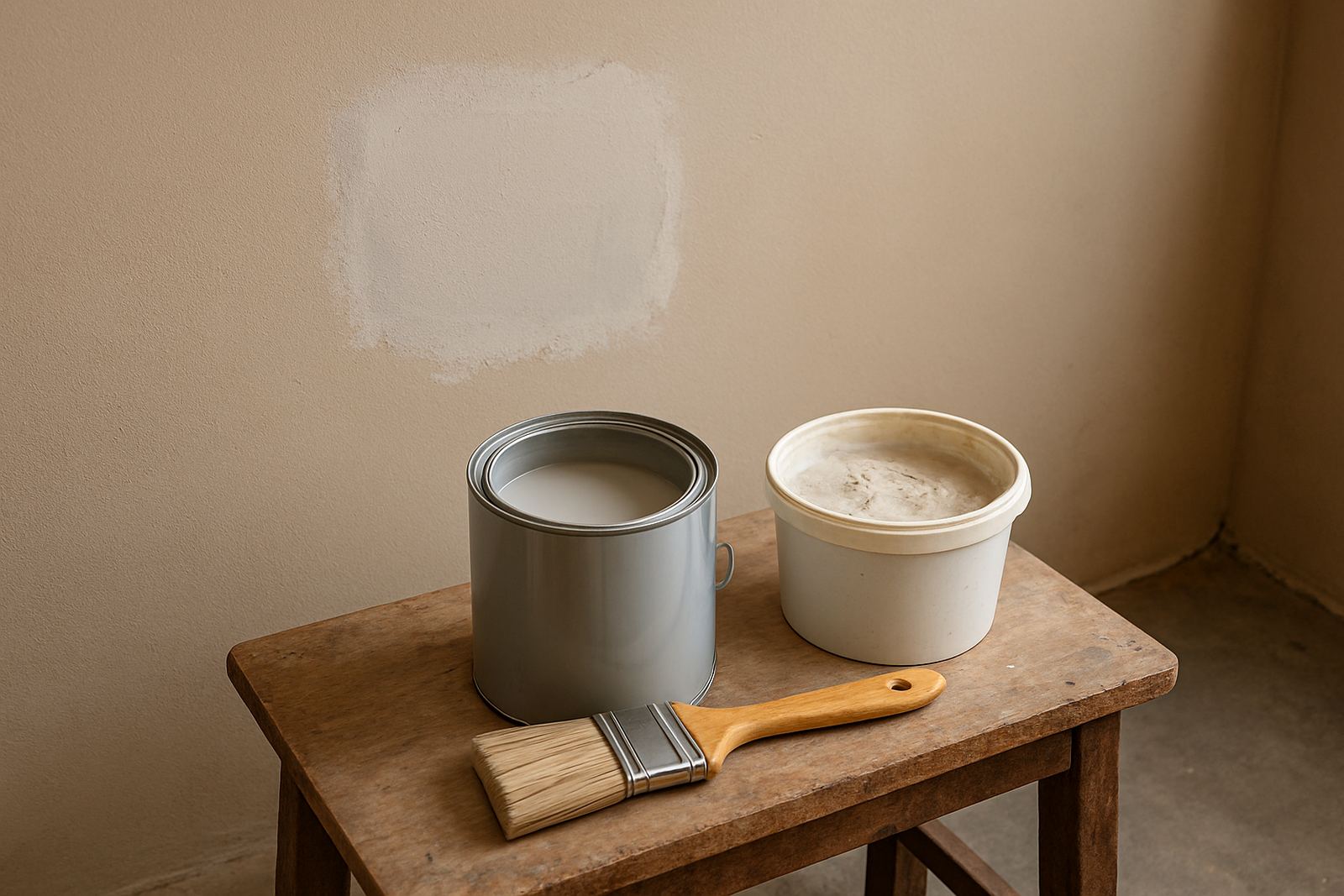
Good prep is the part most people rush, but it is where the result starts. Walls should be clean, dry and sound, with loose paint scraped off and cracks filled before painting. Dust, chalking and old damp stains must be treated first or the new coat will not hold properly. If the wall was recently plastered or repaired, allow it to cure fully before you start. That waiting period can save a lot of trouble later on.
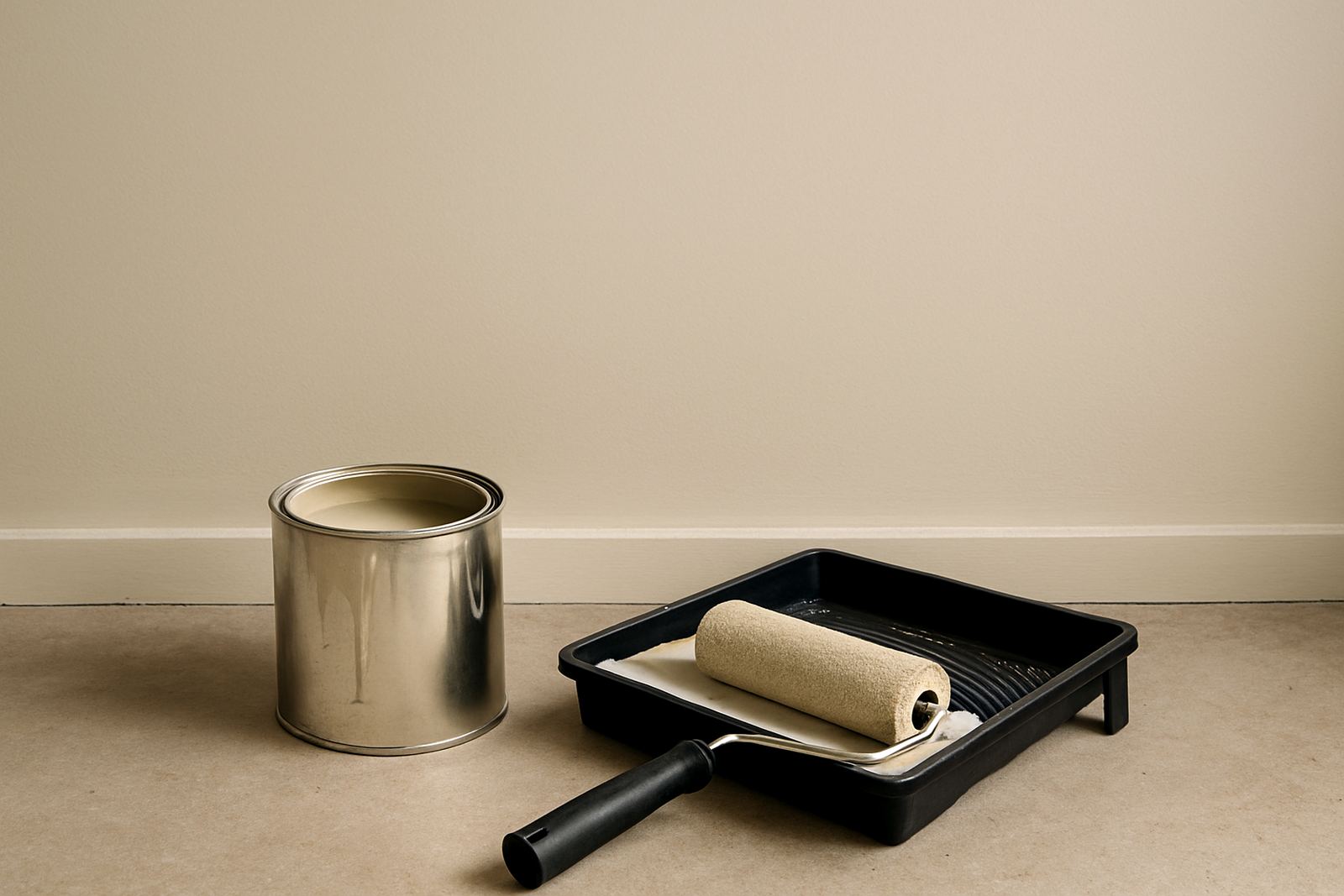
Interior wall paint is usually applied by brush, roller or spray, depending on the room and the finish you want. A medium-pile roller suits most smooth or lightly textured walls. If load shedding is affecting your job, plan the day so you can work in sections and keep wet edges consistent. No gas or special power setup is needed for the paint itself, though some contractors use a sprayer with a generator or inverter for larger jobs. Always follow the label for drying times between coats, because cool weather and poor airflow can slow things down.
- Patch and sand first for a flatter finish
- Use a primer or sealer on porous or repaired walls
- Paint in decent ventilation, especially in closed rooms
- Avoid painting when walls are damp or very cold
Care, Cleaning And Touch-Up Advice
Low-sheen interior paint is designed for normal household cleaning, so light marks can often be wiped off with a soft cloth and mild soap solution. Do not use strong scouring pads or harsh cleaners, as they can polish the surface and leave shiny patches. If a wall gets damaged by furniture, pet scratches or moving boxes, keep a small amount of the original tinted paint for touch-ups.
For the best touch-up result, stir the paint well and use the same roller nap or brush type that was used originally. If the wall has aged for a few years, a small repair may stand out slightly in strong light, so sometimes it is better to repaint from corner to corner on that wall. In coastal homes, a quick once-over every so often helps spot moisture marks before they become bigger problems. A little maintenance goes a long way, really.
What To Check Before You Order
Before you place an order, measure the wall area in square metres and note how many coats you expect to need. Check whether the walls are new plaster, previously painted, patched or affected by damp, because that changes what else you may need besides the paint. It also helps to know the exact colour, finish and sheen level you want, especially if you are matching an existing wall or working across more than one room.
ColouRight Paints can assist with colour matching, custom tinting, sample pot mixing, surface prep advice and product recommendations from our Korsten base in Gqeberha, with support for branches and service areas in Sandton, Randburg and Bellville as well. If you are buying for a contractor job, ask about bulk quantity planning and contractor account help. That can make ordering and repeat supply much easier, and helps avoid short counts halfway through a job.
- Measure wall area before buying
- Confirm surface type and condition
- Ask for a sample pot if the colour is not final
- Check whether you need sealer, filler or undercoat too
Key facts
| Product type | Low-sheen interior wall paint |
|---|---|
| Typical pack sizes | 1 litre, 5 litres, 20 litres |
| Finish | Low sheen for interior walls |
| Best use | Living rooms, bedrooms, passages, offices |
| Application methods | Brush, roller or spray |
| Support offered | Colour matching, tinting, sample pots, trade order support |