
What Primer and Sealer Does on a Job
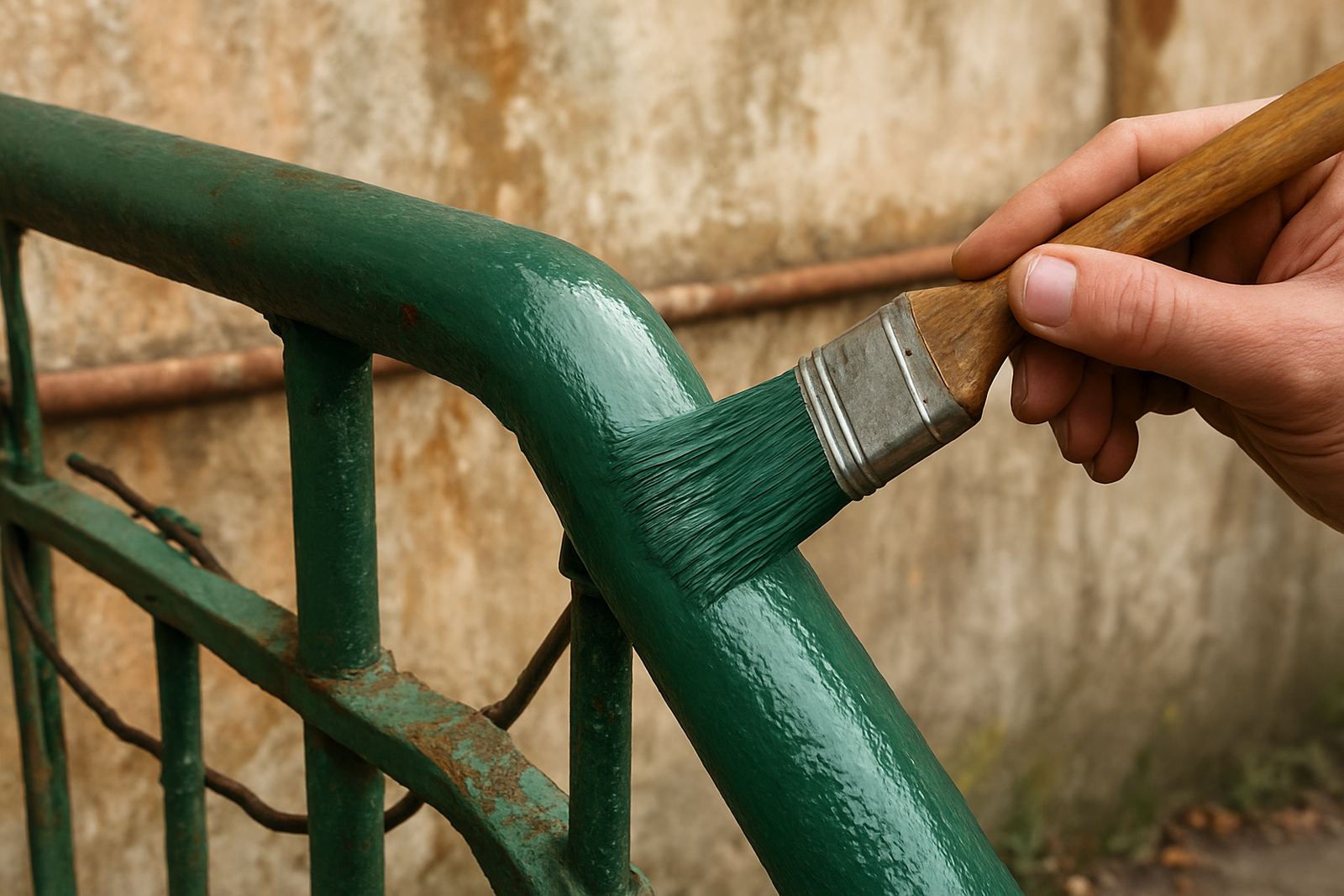
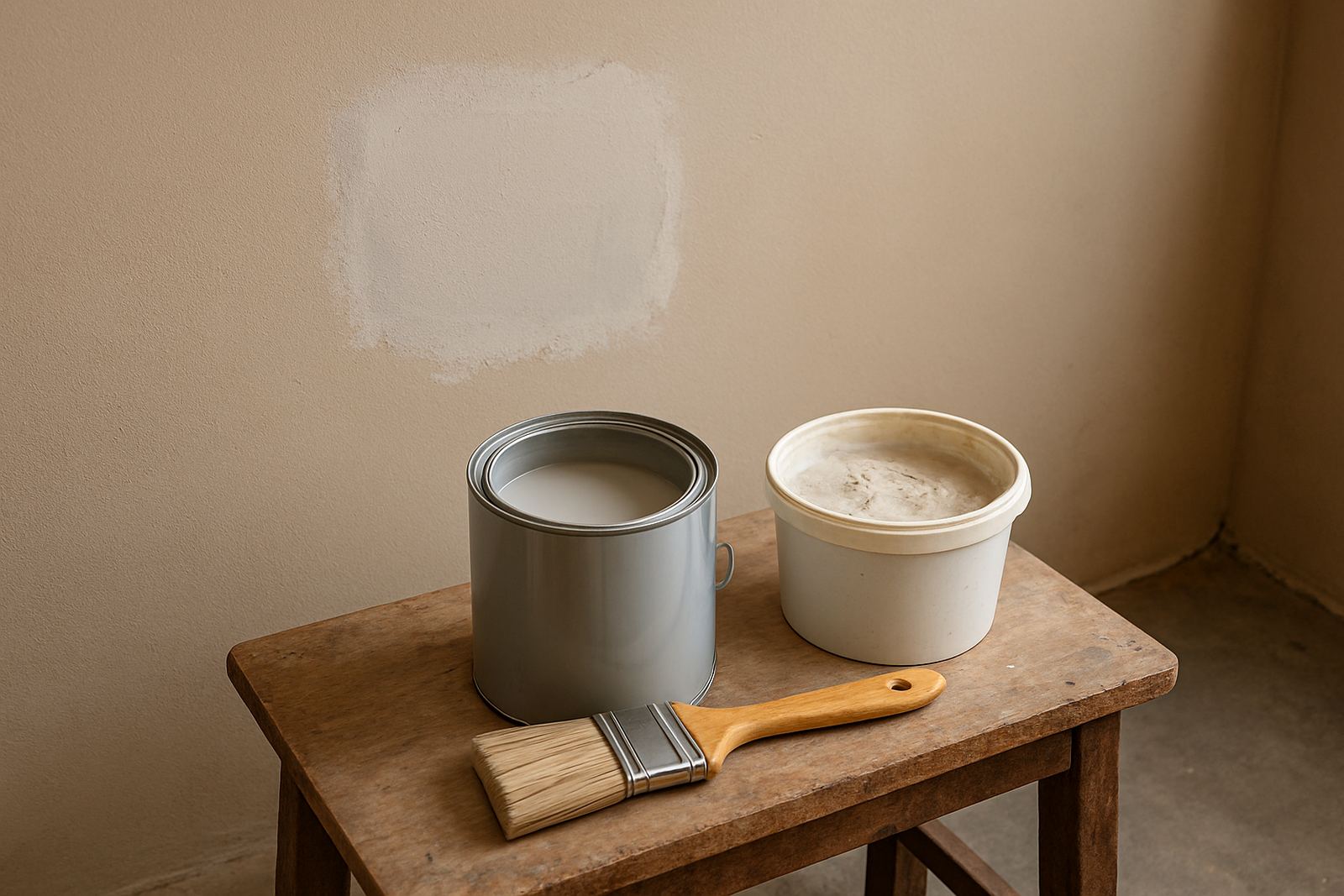
Primer and sealer creates a better base before the finish coat goes on. It helps paint grip to new plaster, patched walls, fibre cement, bare wood, masonry and other tricky surfaces, while also helping to even out porosity so the final colour does not flash or soak in patchily. On fresh repairs, it can also help lock down dust and old surface issues that would otherwise show through the topcoat.
For South African homes this matters on both sides of the weather scale. In coastal areas like Gqeberha and Cape Town, a well chosen primer can help with moisture exposed walls, while inland in places like Sandton and Randburg, it is useful on high traffic rooms, offices and unit turnovers where finish quality has to look consistent from one wall to the next. Its not a decorative coat, it is the part that makes the rest of the system work properly.
- Improves adhesion on difficult surfaces
- Helps seal porous or repaired areas
- Supports even topcoat coverage and colour depth
- Reduces patchiness, suction and uneven sheen
Size Options and Typical Coverage
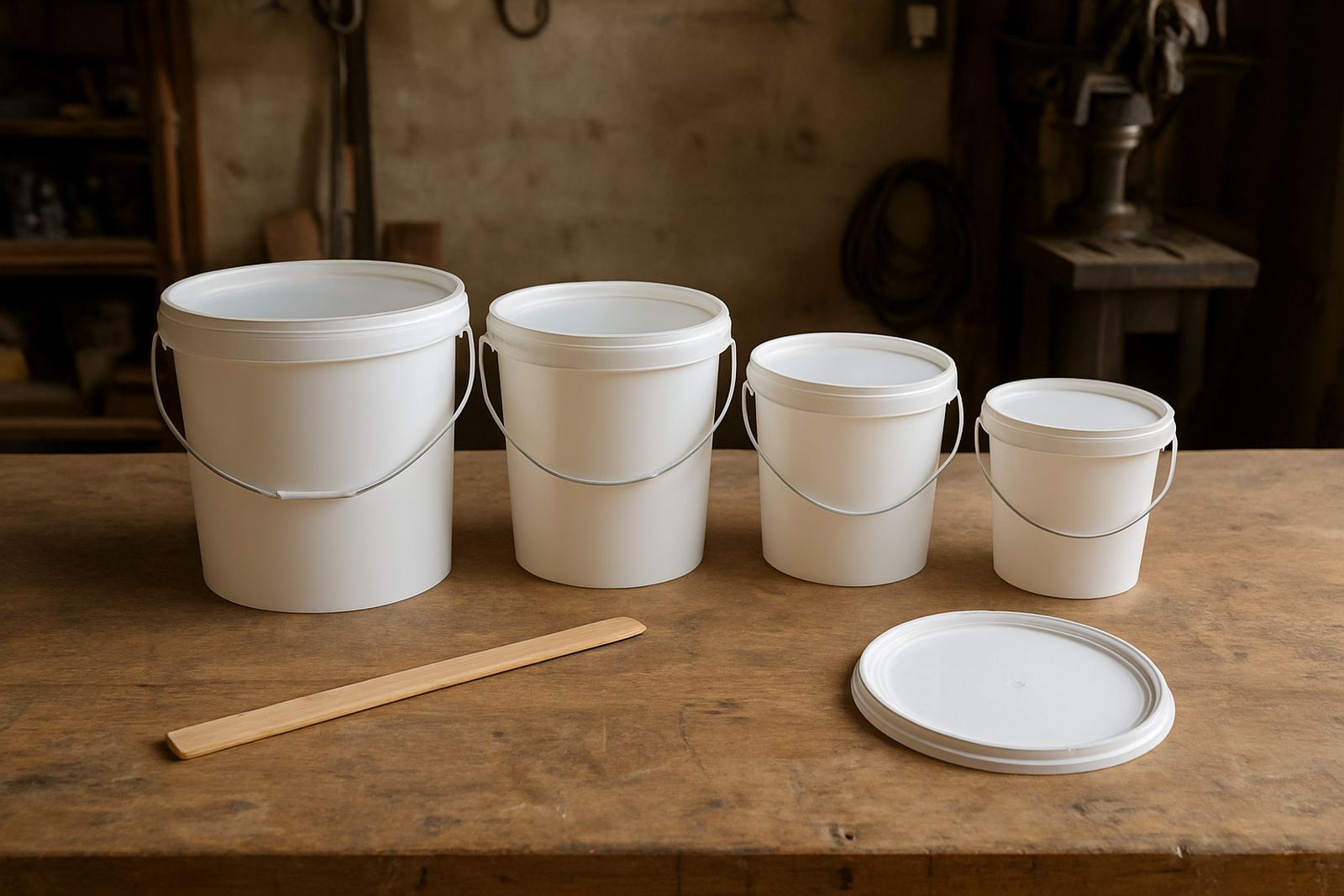
We supply primer and sealer in sizes that suit small repairs through to trade work. Common pack sizes include 1 litre, 5 litre and 20 litre options, with availability depending on the coating type and project requirement. Smaller packs are handy for patch priming, sample test areas and touch up work, while larger pails are better for full room repaints or contractor jobs.
Coverage depends on surface condition, porosity and application method, but a typical spread rate is around 8 to 12 square metres per litre on sound, prepared surfaces. Very porous plaster, repaired skim, raw brick or blockwork may need more product. If the wall drinks the coating fast on the first pass, plan for a second coat or allow for extra quantity. We can help you estimate the litres needed before you place the order.
- 1 litre for small repairs and test areas
- 5 litre for single rooms or spot priming
- 20 litre for larger homes, shops and trade orders
- Coverage varies with porosity and surface condition
Where It Suits Best
Primer and sealer is used where the surface needs better grip, better sealing, or more uniform finish performance. It works well on new plaster, patched drywall, repaired ceilings, bare timber, masonry, fibre cement and previously painted surfaces that have been sanded or spot repaired. It is also useful before changing from a dark colour to a much lighter one, because it can reduce the number of topcoats needed.
For exterior work, it helps prepare walls before the topcoat is exposed to sun, rain and coastal air. For interior work, it is especially useful on kitchens, passageways, rental units, retail interiors and offices where the same standard has to be repeated across many rooms. When there are peeling areas, chalky patches or uneven repairs, priming first keeps the finish looking more even and cuts down on the chance of early failure.
- New plaster and repaired walls
- Bare timber, masonry and fibre cement
- Interior walls, ceilings and high traffic areas
- Exterior surfaces before the finish coat
Application, Tools and Power Needs
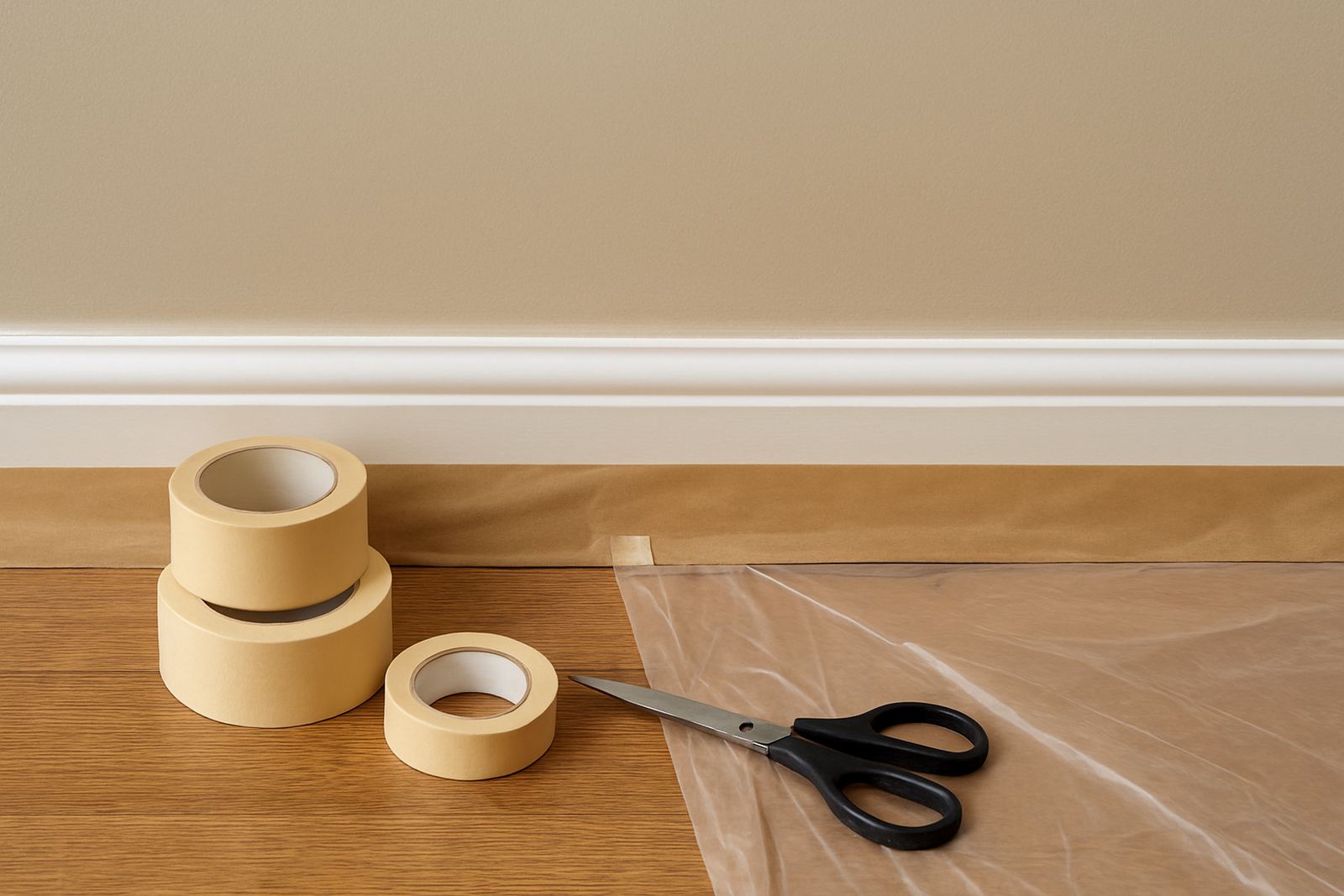
Most primer and sealer products are applied with a brush, roller or spray unit, depending on the surface and the size of the job. A 9 mm to 12 mm roller sleeve is common for smooth to lightly textured walls, while brushes are useful for edges, corners and cut in work. On larger commercial jobs, spray application may be more efficient, but surface protection and masking have to be done properly first.
The primer sealer itself needs no gas or power to apply. If you are using a spray machine, you may need a suitable power supply or generator on site, which is worth planning around load-shedding and breaker capacity. Always check that the surface is dry, clean and free from loose dust before coating. If the wall is still damp, the primer can trap moisture and the finish may struggle later on.
- Brush, roller or spray application
- No gas required
- No power required for manual application
- Allow for drying time before topcoating
How to Care for the Surface After Priming
After priming, keep the surface clean and avoid heavy handling before the topcoat goes on. Dust, finger marks and wet weather can all interfere with the next coat. In humid areas, give the coating enough drying time and dont rush the overcoat just because the surface feels dry at a glance. A primer that is properly cured will give the finish coat a better base and a neater result.
If there is a delay before painting, inspect the primed surface for dust build up, damage or missed spots. Light sanding may be needed on raised fibres or small nibs, especially on timber and patched plaster. For exterior jobs, watch for rain and strong wind that can bring dirt onto freshly prepared walls. If the primer gets marked or contaminated, it is better to clean or touch up before moving ahead.
What to Check Before You Order
When ordering primer and sealer, check the surface type, the area size, the finish coat you plan to use and whether the job is interior or exterior. If you are dealing with repairs, take note of cracked patches, chalking, old water marks or areas that have already been sanded back. Clear details about the surface help us pick the right prep product.
Also confirm whether you need standard sealing, stain blocking support, or a product for difficult adhesion. Contractors often order by project phase, so it helps to plan both the primer quantity and the topcoat quantity together. If you are in Korsten, Walmer, Newton Park, Sandton, Randburg or Bellville, we can assist with product recommendations, trade order support and bulk quantity planning over the counter or through our contact form.
- Surface type and condition
- Interior or exterior use
- Required pack size and coverage
- Topcoat type and planned colour