
What mixing buckets are used for on paint jobs
Mixing buckets are plain, purpose-made containers used to blend tint into base paint, decant smaller working amounts, and move product around without making a mess. On repaint jobs they are handy for keeping one batch consistent, which matters when you are covering feature walls, shopfronts, ceilings or multiple rooms at once. They are also useful when you need to split one drum of paint into smaller portions for different teams or touch-up work.
For decorators in Gqeberha, Sandton or Bellville, the main benefit is control. A proper mixing bucket lets you stir thoroughly, check the shade before application, and avoid wasting product by tipping from the original tin too often. On humid coastal jobs in places like Korsten, Walmer and Cape Town, that controlled handling also helps you keep lids on and reduce skinning while you work.
- Blend tint evenly before application
- Decant paint for rollers, brushes and spray work
- Keep mixed batches separate on multi-room projects
- Reduce spills when moving paint between work areas
Available sizes and practical options
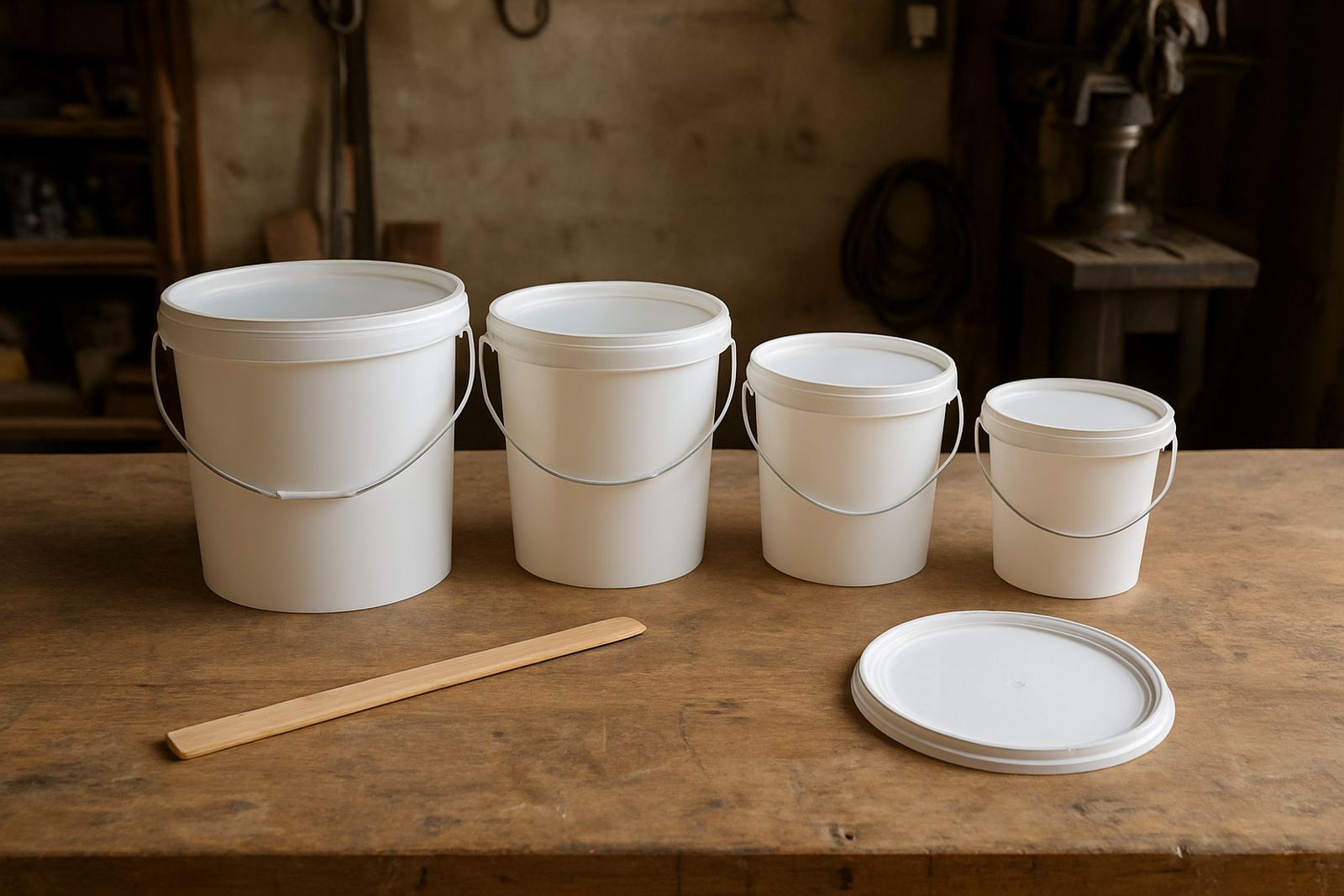
Mixing buckets are available in a range of sizes so you can choose what suits the job. Smaller buckets are useful for sample pot mixing, colour checks and small repairs, while larger buckets handle wall paint, ceiling coats and trade quantities. The right size depends on the amount of paint you are working with and how often you need to pour from it.
Most jobs only need a simple bucket with a wide mouth, sturdy handle and a lid if you want to store mixed paint for a short period. Some users prefer marked buckets for estimating volume more accurately, while others choose plain buckets for general tint blending and cleaning out between colours. If you are managing contractor work or bulk quantity planning, it helps to keep a few sizes on hand so the batch size matches the project instead of overfilling one container.
- Small buckets for sample pots and touch-ups
- Mid-size buckets for room-by-room painting
- Larger buckets for trade batches and full repaint work
- Options with lids for short-term storage between coats
Where mixing buckets suit best
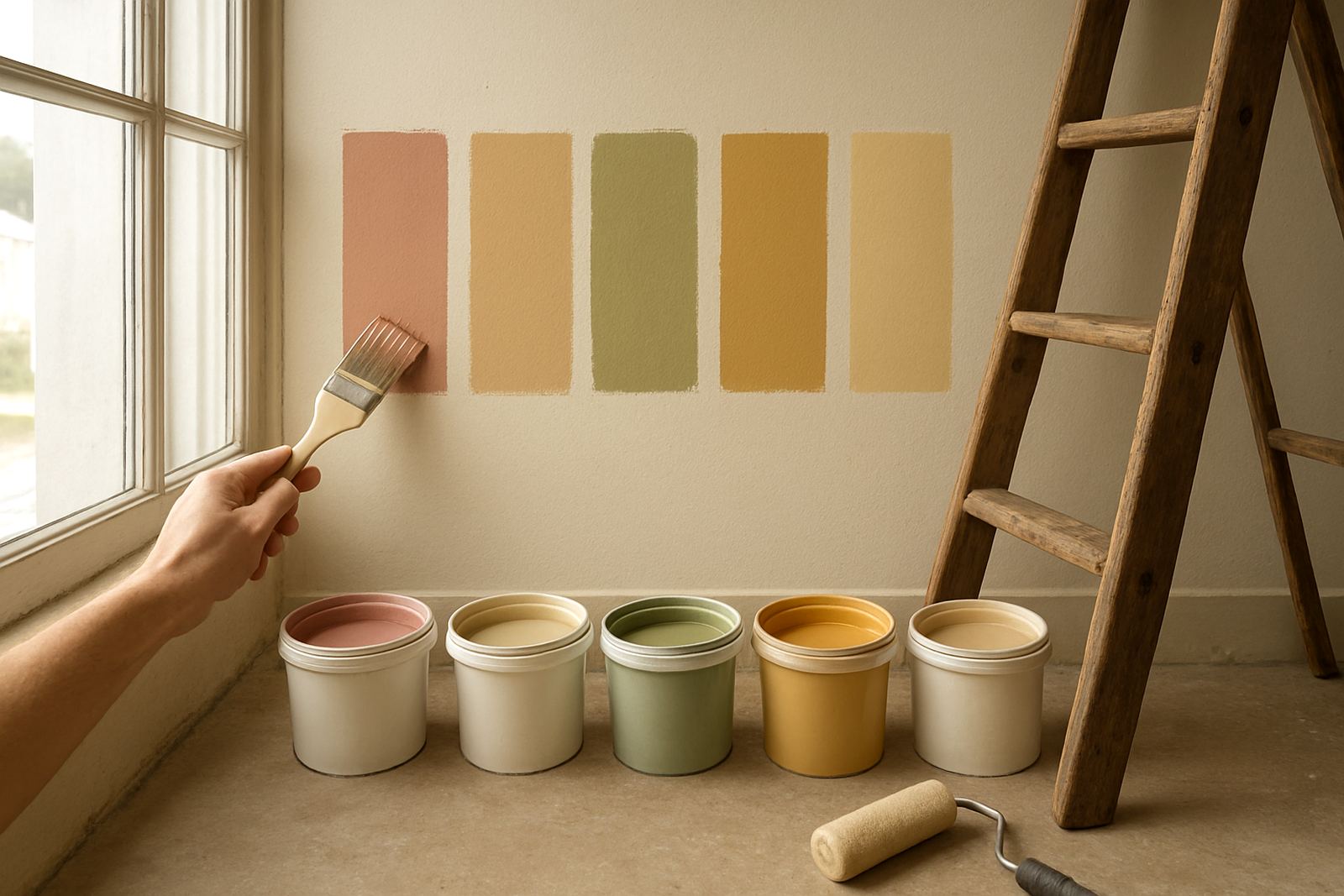
These buckets suit DIY users, professional decorators and contractors who want cleaner handling during prep and application. They are useful in homes, offices, schools, shops and rental units where repainting needs to happen quickly and tidily. If you are doing colour consultation work or repaint troubleshooting, a mixing bucket makes it easier to test a shade, inspect the finish and adjust before you commit to the full surface.
They are also practical for exterior work where wind, dust and changeable weather can complicate the job. In coastal areas, covering and decanting paint in controlled amounts helps limit contamination from sand or airborne grit. For trade teams around Joburg and Cape Town, buckets also make it easier to divide product between floors, teams and cutting-in tasks without repeatedly lifting the main tin.
- Interior repainting and feature walls
- Exterior touch-ups and boundary walls
- Contractor and maintenance work
- Sample making and colour approval
No power or gas needed for use
Mixing buckets do not need electricity, gas or special installation. They are ready to use as soon as you receive them, which makes them practical for site work, quick call-outs and jobs in areas where power interruptions can slow other parts of the project. You simply choose the correct size, pour in the paint, add tint if needed and mix with the right tool until the colour is consistent.
Because there are no power requirements, they are easy to keep in the van, in the storeroom or near the prep area. That makes them useful for trade order support where jobs are split across different sites in Korsten, Randburg or Bellville and you need a simple container that can move with the team. They are lightweight enough for regular handling but should still be carried carefully when full, because one slip can waste a lot of material.
How to care for buckets so they last longer
Good care keeps mixing buckets usable and clean from one job to the next. Rinse them soon after use before paint starts to set, and remove any dried skin around the rim so lids fit properly. If you are switching between colours, do a full cleanout rather than trying to wipe the same bucket between batches, because even small traces can shift a light tint.
For regular trade use, inspect the handle points, base and rim for cracks or warping. A bucket that has been dropped or exposed to very hot conditions may not seal as well. Store them out of direct sun where possible, and keep lids flat so they do not bend. On busy jobs it helps to label buckets clearly so the wrong batch does not end up in the wrong room, which happens more often than people expect.
- Rinse immediately after use
- Check handle and base before reuse
- Keep lids clean and properly seated
- Store in shade and away from sharp edges
What to check before you order mixing buckets
When ordering, check the volume you need, whether lids are required, and if the bucket needs to suit tint blending or general decanting. If you are buying for a contractor account, it helps to estimate how many painters will use them at the same time and how often batches need to be mixed on site. For larger projects, one or two extra buckets can save time when different colours are being prepared at once.
You should also think about the type of paint being handled. Thick products, primer and full batches for exterior walls may need a stronger bucket with a firm handle, while sample work can use smaller pots or buckets that are easier to pour from. If you are unsure, ask for product recommendations together with surface prep advice and bulk quantity planning so the bucket choice matches the rest of the job. That way you avoid underbuying or ending up with containers that are too small for the work.
- Required capacity in litres
- Need for lids or open-top use
- Compatibility with tint blending and decanting
- Quantity needed per site or per crew
Mixing buckets from a local paint counter
For customers in Gqeberha, Joburg and Cape Town, mixing buckets are part of the practical paint setup that keeps a job moving. They fit naturally alongside colour matching, custom tinting and sample pot mixing, especially when the work needs careful shade control. If you are collecting from Korsten or arranging stock for Walmer, Newton Park, Sandton, Randburg or Bellville, it is worth choosing buckets that match the scale of the job rather than guessing at the last minute.
The right bucket helps with less waste, cleaner handling and more accurate colour work. That saves time for the decorator and avoids avoidable rework on site, which is usually the costly part.
Key facts
| Product type | Plastic mixing buckets for tint blending, decanting and paint handling |
|---|---|
| Common capacities | 2 L, 5 L, 10 L, 20 L and larger trade sizes |
| Typical features | Wide mouth, carry handle, optional lid, smooth inner wall |
| Use cases | Sample pot mixing, repaint work, trade batching, colour checks |
| Installation / power | No installation required, no electricity or gas needed |
| Care | Rinse after use, keep lids clean, store out of direct sun |