
Practical ladder add-ons for paintwork and repairs
Ladder accessories are the small fittings and attachments that improve how a ladder performs during painting and decorating jobs. They can add stability on tiled floors, brick paving or uneven concrete, and they can also make it easier to hold tools, tins and rollers while you work. For painters in Gqeberha, Walmer or Newton Park, that matters on homes with high eaves, stairwells and boundary walls.
Most accessories are not power-driven or gas-operated. They are manual fittings that clamp, hook, strap or slot onto the ladder frame. That makes them straightforward to use on site, with no electrical connection required and no fuel to manage. If you work around load-shedding or on properties with limited outdoor power points, that simplicity is a real plus.
- Stabilising feet for smoother grip on hard floors
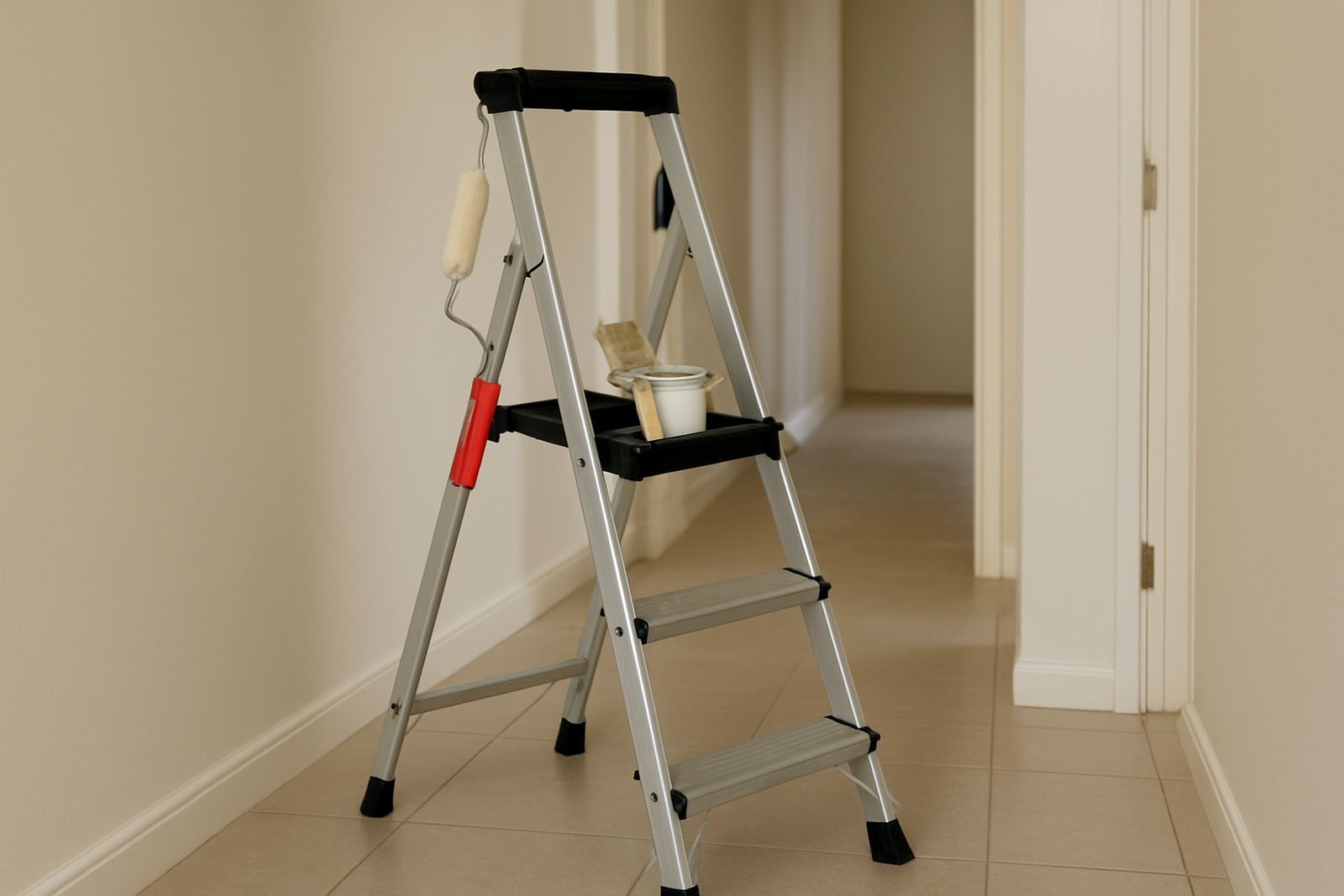
- Ladder hooks and trays for paint tins and tools
- Level adjusters for uneven surfaces
- Stand-off arms for working near gutters or walls
Sizes, fitting styles and common options
Accessories are usually selected to suit the ladder type and frame width. Some fit compact step ladders, while others are made for longer extension ladders used by contractors and maintenance teams. The main thing is to match the accessory to the ladder duty rating and the shape of the side rails, otherwise the fit can be loose or unsafe.
Common options include anti-slip ladder feet, replacement rubber shoes, platform tops, stabiliser bars, paint tray holders and stand-off brackets. In practice, most decorators want accessories that are light enough to carry but strong enough for repeated use. If you are ordering for a trade team, it helps to note the ladder height, rail width and whether the ladder is aluminium or fibreglass.
- Ladder foot sizes: typically matched to the rail profile, often 25 mm to 60 mm sections
- Stand-off widths: usually about 400 mm to 600 mm from wall contact
- Tool trays: compact handheld trays or wider hook-on platforms
- Stabilisers: foldable or fixed, depending on storage space
Where these accessories work best
These products suit domestic repainting, retail maintenance, light commercial work and contractor jobs where access matters more than speed alone. In coastal areas like Gqeberha, corrosion resistance is worth checking because salt air can shorten the life of low-grade fittings. In Joburg and Sandton, you may need accessories that give extra grip on smooth interior floors, especially when moving between rooms and double-volume areas.
They are also useful on sites where you do not want to scuff walls or dislodge fresh finish coats. A stand-off arm can keep the ladder clear of gutters and painted fascia boards, while a tray or hook lets you keep brushes and small rollers close at hand. That means fewer trips up and down, and less chance of knocking wet paint onto the floor.
- Interior work: ceilings, stairwells, high feature walls
- Exterior work: fascia boards, boundary walls, eaves and gutters
- Trade sites: quick move-around jobs and repaint snags
- DIY use: safer access for one-off home maintenance
Installation, setup and power requirements
Most ladder accessories are fitted by hand with basic fasteners, pins or clamps. Some arrive ready to use, while others need simple assembly before the first job. Always check that the accessory sits flush, locks properly and does not interfere with ladder opening, hinges or locking braces. If anything feels loose, stop and recheck the fit before climbing.
No electrical supply is needed for standard ladder accessories and there is no gas requirement either. That keeps setup simple on building sites, in garages or on properties where power supply is limited. For larger trade teams, it is still worth keeping a small spanner set, a screwdriver and spare rubber feet in the van so minor adjustments can be made on the spot.
- Check rail compatibility before fitting
- Lock all hinges and braces before use
- Test stability on level ground first
- Do not overload trays with heavy paint drums
Care, servicing and safety checks
Like any worksite item, ladder accessories need regular checks. Wipe off paint splashes, dust and plaster residue after each job so moving parts do not bind. On coastal properties, rinse off salt build-up now and then and dry the parts before storage. If a rubber foot becomes cracked or hard, replace it rather than trying to stretch its life another season.
Look for bent hooks, worn straps, loose bolts and damaged plastic caps. A small fault can turn into a bigger one if the ladder gets used on a wet driveway or rough paving. Trade users should inspect accessories before every job, especially when the same ladder is shared between crews or moved between branches in Gqeberha, Bellville and Randburg. It sounds basic but it saves trouble.
- Clean after use with mild soap and water
- Dry fully before packing away
- Store out of direct sun where possible
- Replace worn feet, straps and caps early
What to check before you order
Before placing an order, measure the ladder rail width, note the ladder type and think about the job you do most often. A contractor doing exterior repainting may need a stand-off and tray, while a homeowner might only need replacement feet and a stabiliser for one or two weekends of work. If you are buying for multiple sites, it is smarter to standardise the fittings where possible so parts are easier to swap.
It also helps to think about the surface you are working on. Smooth tiles, polished concrete and wet paving each need a different level of grip. For repainting work in older homes or business premises, you may need advice on how the accessory will affect reach, balance and safe ladder angle. If you are unsure, ask for product recommendations before you order, it avoids a lot of back-and-forth.
- Ladder type and rail width
- Job height and working surface
- Indoor or exterior use
- Need for tray, stand-off, feet or stabiliser
Key facts
| Product type | Ladder accessories for painting and maintenance |
|---|---|
| Typical use | Safer access, tool support and ladder stability |
| Material options | Aluminium, steel and reinforced plastic parts |
| Fitment | Clamp-on, hook-on, strap-on or replacement foot styles |
| Power or gas | None required |
| Suitability | DIY users, painters, decorators and trade crews |