
What a garage floor coating does on concrete
A garage floor coating is applied over a properly prepared concrete slab to give it a tougher, cleaner surface. It helps reduce dusting, makes oil marks easier to wipe up, and gives the floor a more finished appearance for homes, body corporate garages and small trade areas. In places like Gqeberha where coastal moisture can work into surfaces, the right coating also helps protect the floor from everyday wear.
Most garage coatings are supplied as a two-part product, usually a resin and a hardener mixed before use. Once cured, it forms a firm film over the concrete. It is not the same as ordinary wall paint, so it needs correct mixing, surface prep and a dry substrate. If the slab is still damp or has old contamination from oil, the coating may not bond properly and can lift later.
ColouRight Paints can help with paint colour matching and product recommendations if you want a specific grey, beige or darker workshop look. We also advise on sample pot mixing for smaller test areas before you commit to the full floor. A little test patch can save a lot of regret later, especially if the garage gets plenty of sun at the entrance.
Sizes, coverage and finish options to ask for
Garage floor coating is usually sold as a kit or in separate components for mixing. The right size depends on the floor area, the porosity of the concrete and how many coats you plan to apply. As a guide, a single garage of about 18 to 22 square metres may need a smaller kit, while a double garage or large work bay may need a larger pack and possibly extra material for touch ups.
- Small kit: suited to one single garage or a test area
- Medium kit: suited to a standard double garage or a medium workshop bay
- Large kit: suited to bigger floor areas, contractor jobs or multiple bays
- Finish choices: gloss, satin or low-sheen depending on slip preference and look
- Colour choices: light grey, mid grey, sand tones or custom tinted options
Ask for the expected coverage in square metres per litre or per kit, because concrete quality changes the usage a fair bit. Rough or absorbent slabs can use more product than smooth power-floated floors. If you need to coat a garage in Sandton, Randburg, Walmer or Bellville, we can help you plan the quantity before you buy so you are not left short halfway through the job.
Where this coating suits best
This product suits home garages, storage rooms, hobby spaces, security guard rooms and light duty work areas where there is regular foot traffic and tyre movement. It is practical for Durbanville-style family garages, townhouse parking bays, backyard workshops and trade prep areas where spills happen now and then. It is not the best choice for floors with ongoing water seepage or heavy chemical exposure unless the substrate has been properly dealt with first.
For homes near the coast, keep in mind that salt air and damp can slow drying if ventilation is poor. In hotter inland areas like Joburg, the surface can cure faster at the top than the bottom if the coating is laid too thick. That means you want a steady, even application, not one heavy pass. If the area is used for motorbikes, bakkies or tool trolleys, a harder coating with good abrasion resistance is worth asking for.
- Good for car tyres, foot traffic and wheeled storage
- Useful in garages with dust control problems
- Suitable for small commercial work areas with light loads
- Best on sound concrete with no rising damp
How installation works and what power or gas is needed
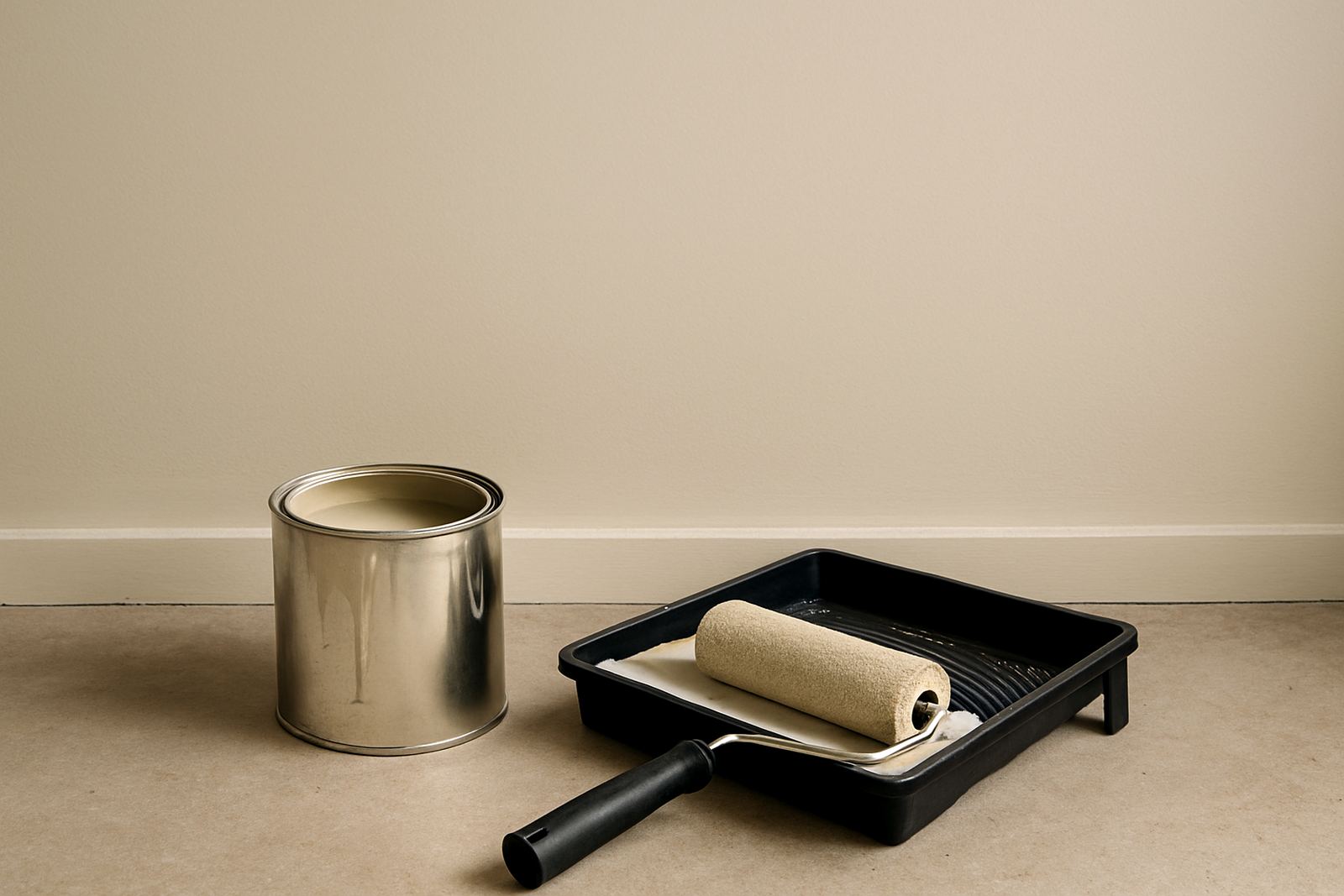
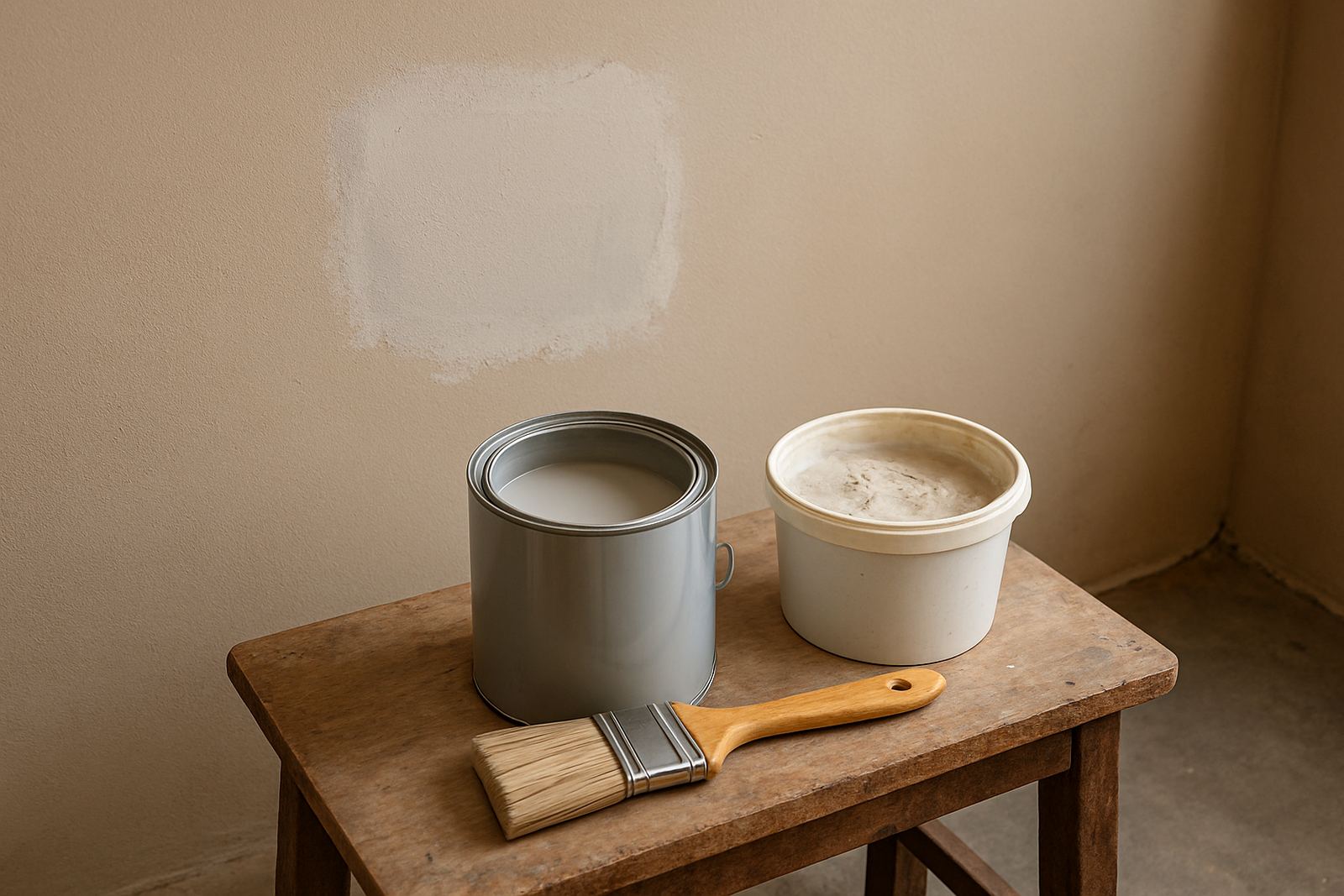
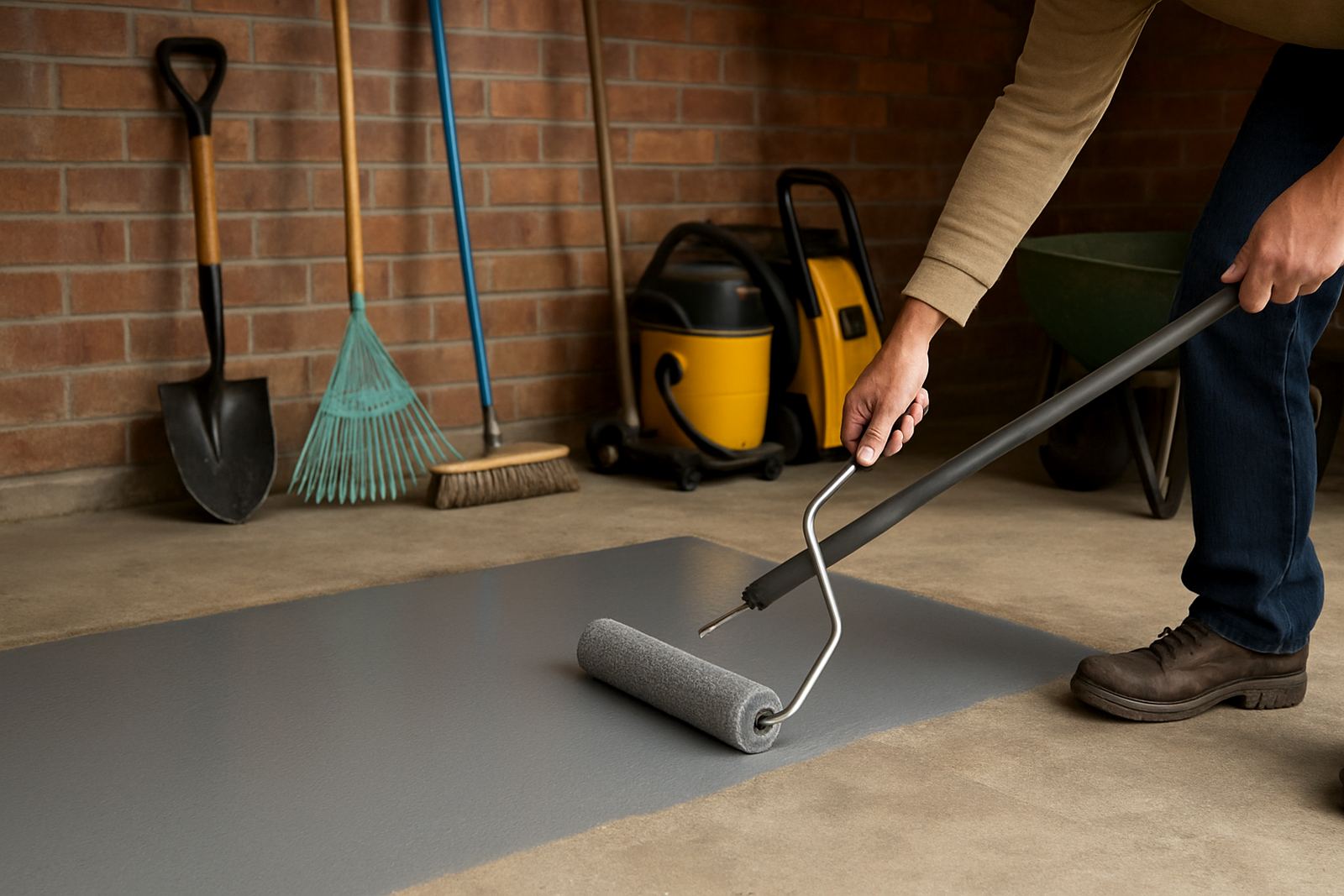
Most garage floor coatings are applied with rollers, brushes and sometimes a squeegee depending on the product thickness. You will usually need the slab to be clean, dry and mechanically prepared first. That can include sweeping, degreasing, patch filling and light grinding or acid etching, depending on the surface condition. The coating itself does not need any power or gas to cure, but surface prep tools may require electricity, and some contractors use grinders or vacuum extractors on site.
For a neat finish, plan the job when the garage can be left out of use for the cure time. In many cases that means keeping foot traffic off the floor for several hours and vehicle traffic off for longer, sometimes up to 48 hours or more depending on temperature and the exact product. If there is load-shedding during application or curing, make sure there is enough light and ventilation to work safely, because once the mix starts to set you cannot really pause and start again.
If you are a contractor or doing a larger property, ask about bulk quantity planning and trade order support. We can also help with contractor account help for repeat purchases and matching the same shade across multiple bays. It saves time when you need one floor in Korsten, another in Walmer and a third in Newton Park all to look the same.
Care, cleaning and servicing after application
Once cured, the floor is easy to maintain with regular sweeping and a mild cleaner. Avoid harsh scraping with metal blades, strong solvents unless the product sheet allows it, and dragging sharp equipment across the surface. A coated garage still needs normal care, because grit from tyres can act like sandpaper if it is left there for weeks.
For spill control, wipe oil, fuel or coolant as soon as possible. The sooner you clean a stain, the better the result, and that applies even on darker floors. If the coating starts to dull in high-traffic lanes, it may need a maintenance coat after a few years. That depends on use, sun exposure and how often you park vehicles on the same line.
- Sweep regularly to remove grit and fine dust
- Use a soft mop with a mild floor cleaner
- Clean spills early to avoid staining
- Check high-wear lanes for scuffing and recoat when needed
What to confirm before ordering deck sealant
Before ordering, measure the floor length and width in metres and note any steps, drains, expansion joints or repair patches. You should also check whether the concrete is new or old, whether it has been sealed before, and whether there are damp spots after rain. These details affect product choice more than people think. A floor that looks fine on the surface can still reject coating if moisture is trapped underneath.
It helps to confirm the colour you want, the sheen level and whether you need a non-slip additive for extra grip. If the garage is used by older people or as a work area where water may spill, that extra texture may be worth it. Make sure you have enough masking tape, mixing containers and rollers on hand too, because running out mid-job is a headache.
If you are unsure, send the measurements and a few photos through our contact form and we can help with the next step. Our team in Gqeberha, plus branch support in Joburg and Cape Town, can advise on the right pack size, colour matching and product recommendations for your space.
Key facts
| Product type | Two-part garage floor coating for concrete |
|---|---|
| Typical use | Home garages, light workshop floors and storage areas |
| Coverage | Depends on slab condition, usually measured per kit in square metres |
| Finish options | Gloss, satin or low-sheen depending on product selection |
| Application tools | Roller, brush, squeegee and mixing container |
| Cure time | Varies by product and temperature, with longer cure before vehicle traffic |