
What Anti Rust Coating does on metal
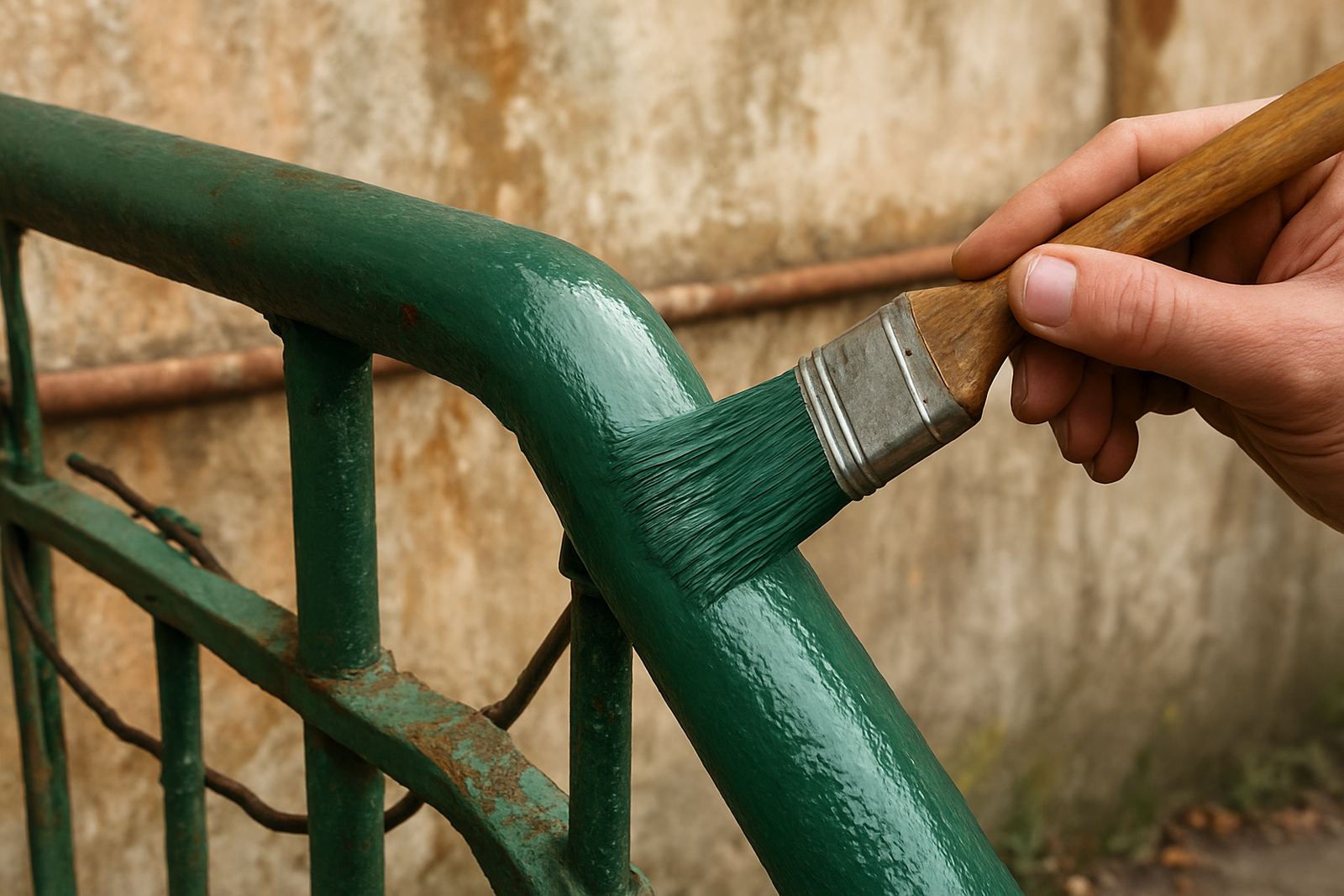
This coating is made for steel and other ferrous metal surfaces that need help resisting corrosion. It forms a protective layer over properly prepared metal, slowing down the effect of rain, coastal humidity, condensation and general exposure. In areas like Gqeberha, Cape Town and other windy coastal spots, that extra protection matters a lot. Inland too, metal can rust quickly where it gets wet often or where morning dew stays on for hours.
It suits both maintenance jobs and new work. If you are repainting a gate, touch-fixing a staircase, or protecting a mild steel frame before the topcoat goes on, this product gives a useful first line of defence. It is not a magic fix for badly pitted metal, but when the surface is cleaned and prepped properly it helps extend the life of the finish.
- For steel, iron and most ferrous metal surfaces
- Helps reduce moisture contact and early rust formation
- Can be used under compatible topcoats for a neater finish
- Useful on both domestic and light commercial projects
Where it suits best in homes and business premises
Anti Rust Coating is commonly used on metal work that sits outside or in areas with changing temperatures. That includes boundary gates, burglar bars, carports, warehouse doors, shopfront frames, stair rails and brackets. It also helps on items that get handled often, like security gates and folding frames, where chipped paint can expose bare metal.
For homes near the sea, the salt in the air can make untreated metal fail faster. In industrial areas, dust and damp can sit on surfaces and speed up corrosion. This coating is a good fit for those conditions, but the key is still preparation. Loose scale, grease, old flaking paint and rust need to be removed before application or the coating will not hold well.
It is also useful when planning repainting work during load-shedding. If the project involves sanding, cleaning and staged recoating, you can split the job into manageable sections and keep the metal protected between coats. That makes it practical for contractors and DIY users alike.
- Gates, railings and security bars
- Roof steel, flashings and support members
- Warehouse and workshop fittings
- Handrails, frames and outdoor fixtures
Sizes and product options to ask for
Anti Rust Coating is usually supplied in practical trade sizes so you can match the job to the area. Smaller packs are better for repairs, sample testing and touch-ups. Larger packs are more economical for bigger gates, multiple frames or contractor work. If you are coating a full boundary fence or a set of steel balustrades, it is worth planning the quantity properly so you do not run short halfway through a section.
When ordering, check whether you need a direct-to-metal primer, a rust-inhibiting undercoat or a specialised coating that can be overcoated later. Some jobs need a fast drying product for same-day recoats, while others can allow a longer curing time for heavier protection. If the surface is already painted, you may need compatibility advice before applying anything new.
- 250 ml for touch-ups and repairs
- 500 ml and 1 litre for small domestic projects
- 5 litre options for trade and larger surfaces
- Colour and finish advice available where the coating is part of a full repaint system
Application basics and what equipment you need
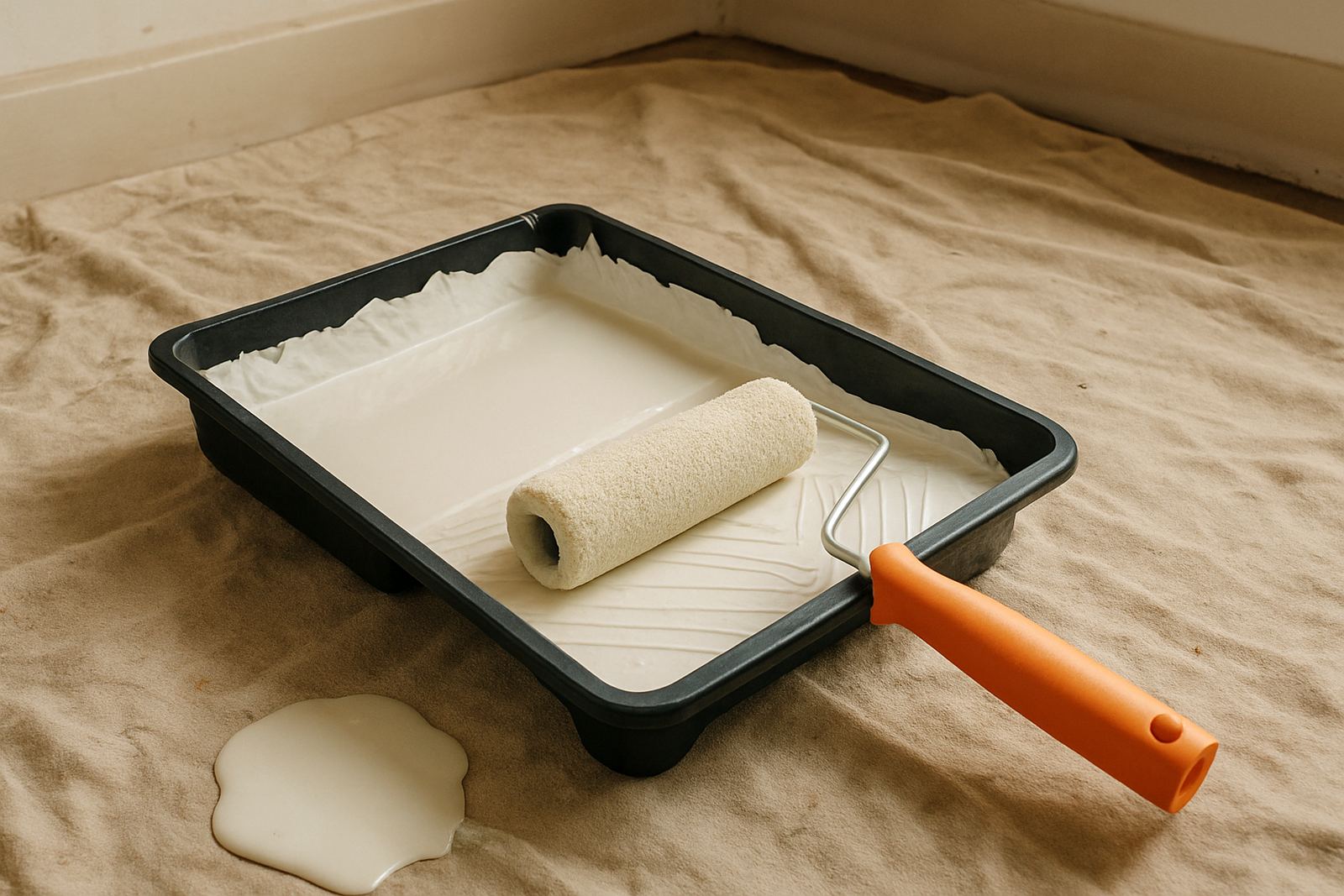
Most anti rust coatings can be applied by brush, roller or spray, depending on the product form and the size of the job. For small fittings and detailed metalwork, a brush gives more control. For rails and flat steel sections, a small mohair roller or spray setup may be quicker. Always follow the product instructions for thinning, recoating and drying times, because those details can change from one coating type to another.
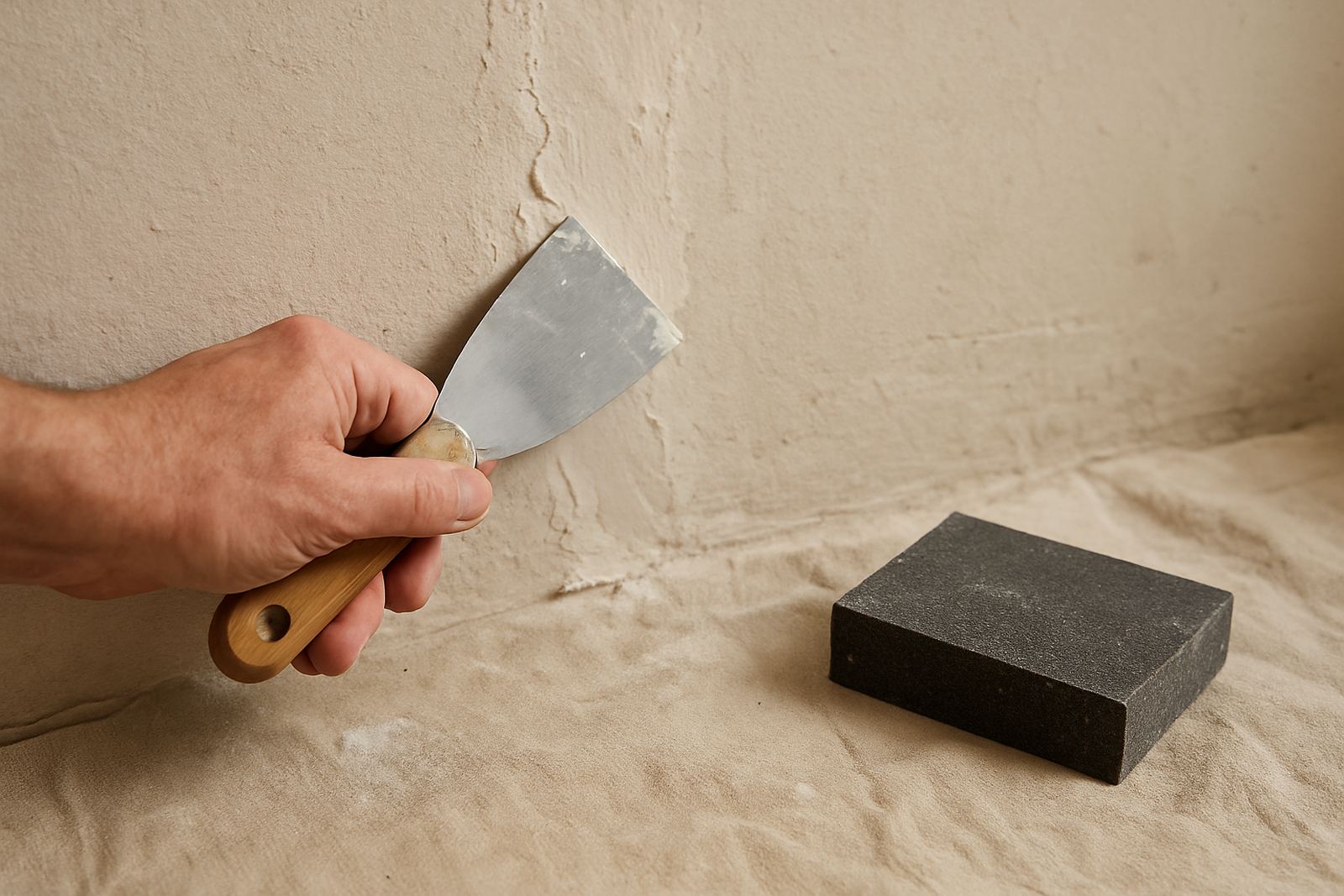
There is no gas requirement for the coating itself. For spray application, you may need compressed air equipment or a suitable handheld spray unit. For prep work, a grinder, wire brush, scraper or sanding discs can be useful, and on heavier corrosion a proper rust removal stage is needed before coating. Good ventilation matters, especially indoors or in enclosed workshops. If you are working in a garage or under cover, keep doors open and avoid sparks near solvent based materials.
- Brush, roller or spray application depending on the job
- Clean, dry metal surface before coating
- Ventilation needed in enclosed spaces
- No special gas connection required for standard use
Care, servicing and repaint timing
Once applied, the coating should be checked from time to time, especially on edges, welds and places where water sits after rain. These are the first spots to show wear. If the finish gets scratched, it is better to repair that section early before rust spreads under the surrounding paint. On coastal properties, a seasonal check before winter is a sensible habit. Inland, look over the coating after summer heat and after the first heavy rains.
Cleaning is simple. Wash off dirt, dust and road grime with mild soap and water, then let the surface dry fully. Do not use harsh abrasives unless you are preparing for repainting. If the metal is in regular service, like a security gate or business entrance railing, plan for touch-ups where hands, hinges and moving parts wear the coating fastest. A little maintenance now saves a bigger repaint later, and that is usually the cheaper route.
If the coating is part of a repaint system, keep records of the product used, batch if available, and date of application. That makes future matching and servicing easier, especially for contractor accounts and repeat commercial work.
What to confirm before ordering anti-rust coating
To get the right Anti Rust Coating, start with the surface condition and the size of the area. Measure the steel properly and note whether it is bare metal, lightly rusted, previously painted, or already primed. The more detail you can give, the easier it is to recommend the right option and quantity. If the job is outdoors in a windy area or near the coast, mention that too because exposure changes the product choice.
You should also confirm whether the coating will be used as a primer, a maintenance coat or part of a full finishing system. Ask about dry time, recoat time and compatibility with the topcoat you plan to use. For contractor orders, it helps to know whether you need bulk quantity planning, trade pricing support or staggered delivery for different sites. If you are matching an existing colour on the final finish, have a sample ready where possible so the topcoat can be aligned properly.
- Surface type: bare, rusted, painted or primed metal
- Area size and number of coats needed
- Exposure level: coastal, industrial or sheltered
- Recoat timing and compatibility with topcoat
Key facts
| Product type | Anti rust protective coating for ferrous metal |
|---|---|
| Suitable surfaces | Steel, iron, gates, rails, frames, roofs and fittings |
| Pack sizes | 250 ml, 500 ml, 1 litre and 5 litre options |
| Application methods | Brush, roller or spray depending on product and project |
| Key use areas | Coastal homes, workshops, warehouses, fences and exterior metalwork |
| Typical prep | Degrease, remove loose rust, sand or wire brush, then apply to clean dry metal |