
What deck sealant does for outdoor timber
Deck sealant is made for timber boards, rails and other outdoor wooden surfaces that take direct weather exposure. It forms a protective finish that helps slow moisture uptake, reduces surface cracking, and limits the bleaching effect that comes from strong UV. For Gqeberha, Walmer and other coastal areas, that extra protection matters because salt air and wind can wear timber down faster than many owners expect.
It is suited to decks that need protection without heavy film build-up. The finish is usually easier to maintain than a thick coating, so if the surface gets scuffed by chairs, shoes or braai traffic it can often be cleaned and recoated without a full strip back. That makes it a sensible option for homes, guesthouses, restaurants and light commercial outdoor areas.
Sizes, finish options and order quantities
Deck sealant is commonly supplied in sizes that suit small touch-ups as well as full deck jobs. At branch level, customers usually ask for sample pots, 1 litre tins and larger trade containers for bigger areas. If you are coating long board runs or multiple outdoor areas, planning the quantity upfront saves time and reduces colour variation between batches.
- Sample pot or small test quantity for colour checking on your actual timber
- 1 litre for railings, steps and small patios
- 5 litre for standard domestic decks
- Trade pack options for contractors and bulk repaint work
- Clear and tinted options depending on timber type and desired look
Colour matching is useful if you want to keep a natural wood tone, warm up an existing deck colour, or match a nearby fascia, pergola or balustrade. We can also help with custom tinting so the final finish sits well with the rest of the property. A quick test patch is always a good idea because different woods take stain differently, especially older timber.
Where deck sealant suits best
This product suits outdoor timber in places that see direct sun, occasional rain and regular foot traffic. Think private decks, pool surrounds, stoep areas, apartment balconies, restaurant seating areas and contractor installs where the timber must keep looking tidy between maintenance cycles. In coastal towns like Gqeberha and Cape Town, it helps to choose a product rated for UV exposure and regular cleaning.
It also works well on timber that has already been prepared and is sound, but not on rotten, soft or untreated boards that are failing underneath. If the deck is near irrigation, sea spray or standing water, make sure the drainage is sorted first. Sealant can protect the surface, but it will not fix a water problem under the boards.
- Outdoor decks and entertainment areas
- Pool surrounds and covered stoep areas
- Balustrades, stairs and handrails
- Guest lodges, cafés and trading spaces with timber flooring
- Coastal homes where timber needs extra weather defence
How to apply it and what power or gas you need
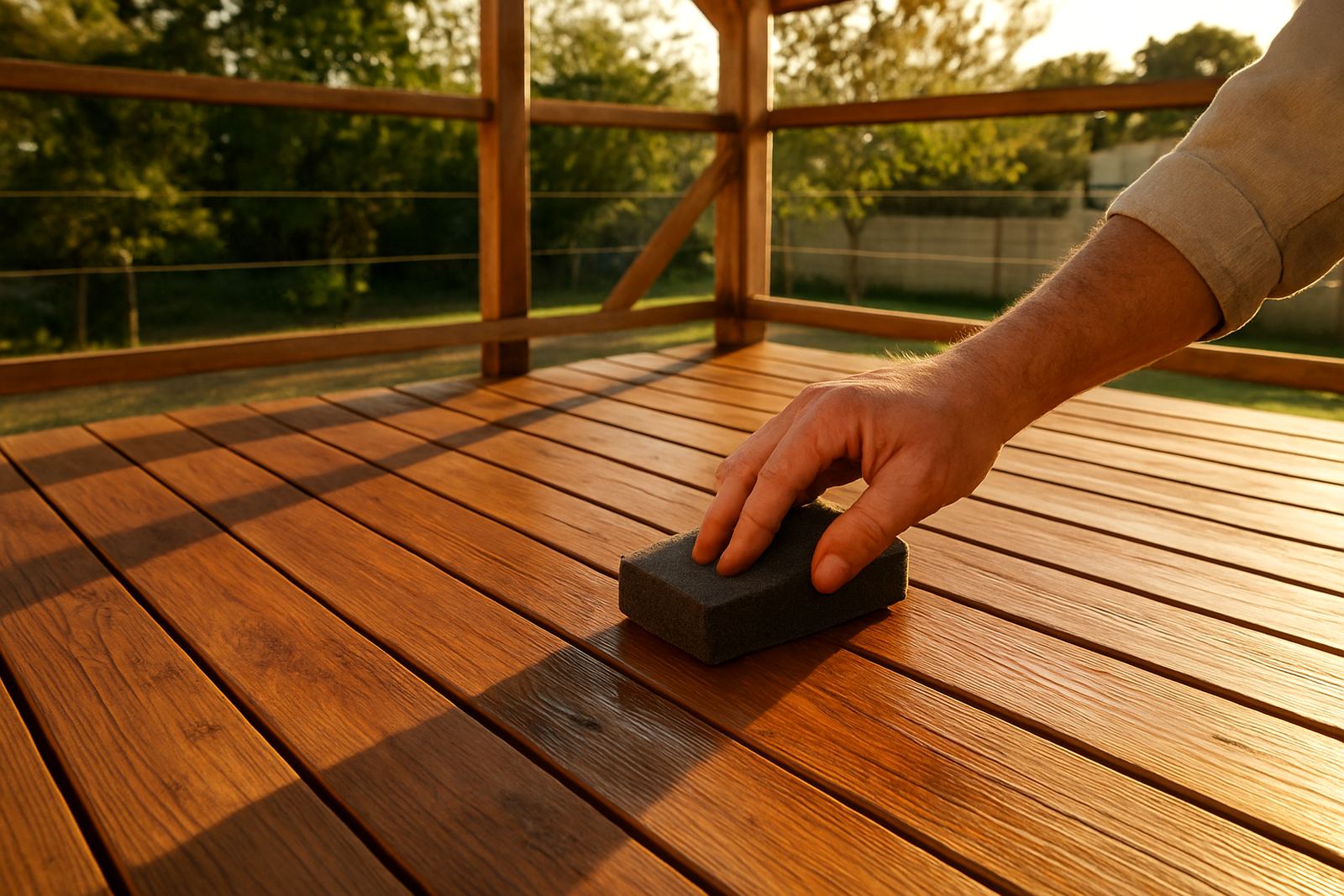
Most deck sealant jobs are applied by brush, roller or pad, with a small sprayer only where the product instructions allow it. No gas is needed. For power, you may only need basic preparation tools like a sander or wet and dry vacuum, depending on the condition of the deck. On larger sites, especially if there is old coating to remove, a suitable sander can save a lot of labour.
Surface prep is the part that matters most. The timber must be dry, clean and free of loose fibres, dust, grease and old flaking product. New timber should be allowed to settle and dry properly before coating, while weathered decks may need cleaning, sanding and a repaint style patch test before the full job begins. If you are working in summer heat or during load-shedding, plan the job early in the day so drying and cure times are not affected by damp evening air. A rushed coat gives poor results, no matter how good the product is.
Care, cleaning and how often to recoat
Deck sealant needs routine care to keep doing its job. Sweep off sand and grit, wash away dirt with a mild cleaner, and avoid harsh scrubbing pads that can dull the finish. In coastal areas, a light rinse from time to time helps reduce salt build-up. If the deck carries heavy furniture or sees constant foot traffic, check the high-wear sections first because those areas often show signs of dulling before the rest.
Recoat timing depends on sun, rain and usage. South African decks in strong sun may need attention sooner than covered areas. Signs that it is time to recoat include patchy colour, dry-looking timber, loss of water beading and visible wear on walking paths. Rather do a maintenance coat early than wait for the timber to start opening up. That is cheaper and less work in the long run.
- Clean regularly with a soft broom and mild wash
- Check steps, edges and board joins for early wear
- Recoat when the surface starts looking dry or patchy
- Keep furniture feet and plant pots from trapping moisture
What to confirm before ordering deck sealant
Before ordering, measure the deck area in square metres and confirm whether you are coating one side only or also rails, posts and steps. It helps to know if the timber is new, previously sealed or showing weather damage, because that affects prep and product quantity. If you are unsure, bring a clear photo or a small timber offcut to the branch and we can help with colour matching and product selection.
Also check whether you need a clear look, a tinted finish or a full colour change, because that will influence the product choice and the number of coats. For trade jobs, having the contractor account details ready speeds up bulk order support and stock planning. If the deck is in a commercial space, make sure any municipal or landlord rules on low odour work times, access hours and safe drying periods are taken into account. A little planning saves call-backs and unhappy clients.
Key facts
| Product type | Outdoor timber deck sealant |
|---|---|
| Main use | UV, weather and foot traffic protection |
| Application | Brush, roller or pad, some spray systems if allowed |
| Finish options | Clear and tinted |
| Typical pack sizes | Sample pot, 1 litre, 5 litre and trade packs |
| Suitable surfaces | Prepared timber decks, stairs, rails and balustrades |