
What textured coating is and where it works
Textured coating is a thicker decorative finish designed to create a patterned or lightly raised surface on plaster, brickwork, cured cement plaster and correctly prepared drywall. It is often used where a plain coat of paint would show every little repair. For homes in Gqeberha, especially in windy or coastal spots, the added body can help make older walls look neater without a full re-plaster.
It is not a filler for deep cracks or loose plaster, so the surface still needs proper preparation. But on sound walls with minor imperfections, it can reduce the need for extensive skim work. Many customers use it on one feature wall in a lounge, passage or office reception because it gives character without needing a lot of extra decoration.
- Helps soften the look of minor surface flaws
- Available in a range of texture styles and tint options
- Suitable for interior feature walls and selected sheltered exterior areas
- Can be matched to the rest of the colour scheme with sample pot mixing
Sizes, finishes and ordering options
Textured coating is usually supplied in buckets or pails for brush, roller or trowel application, depending on the finish you want. Common pack sizes are 5 L, 10 L and 20 L, with bulk supply available for contractors and repainting projects. Coverage depends on the texture profile and the condition of the wall, but the thicker the finish the more product you will need.
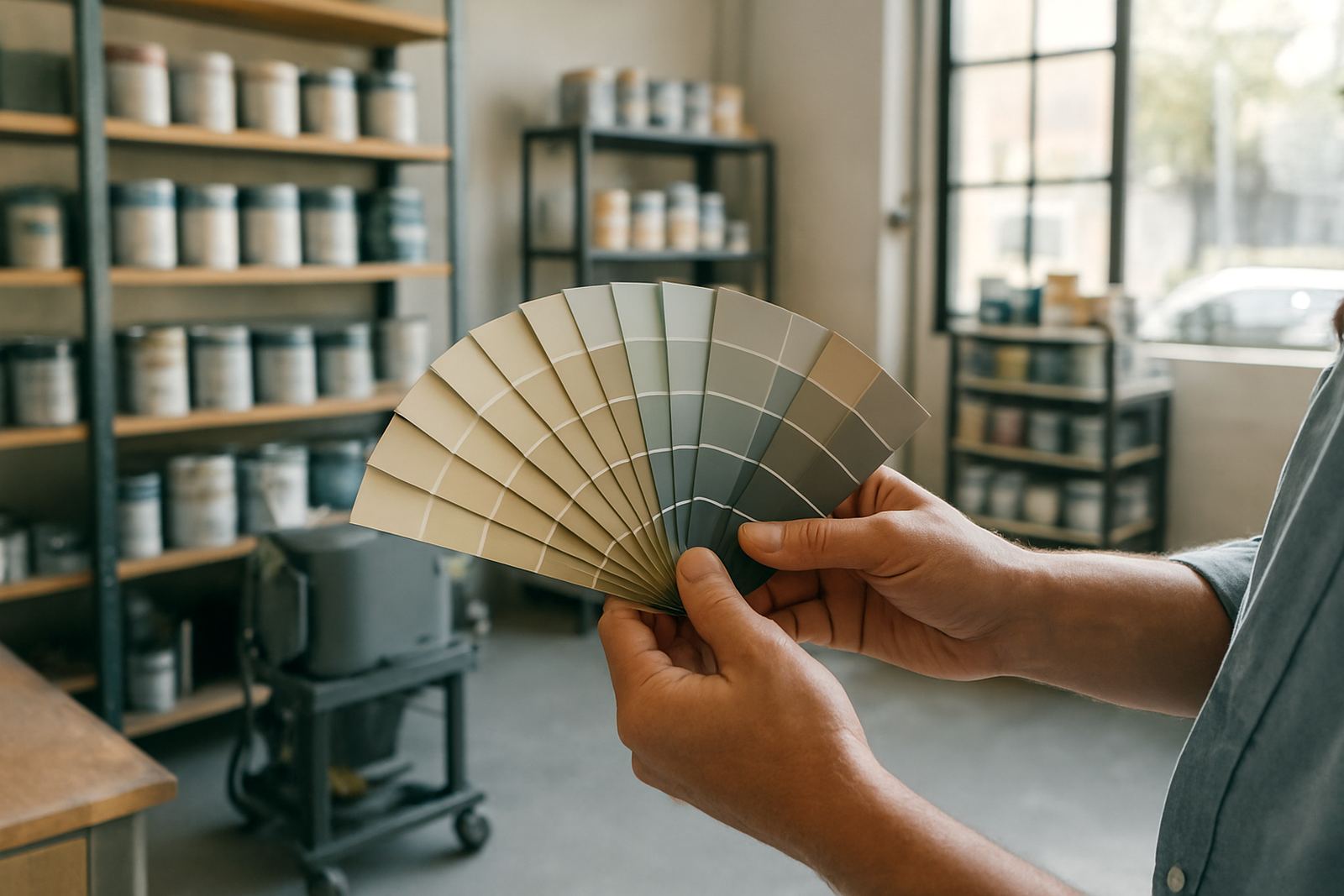
At ColouRight Paints, you can check colour-matching options, tinting availability and the best quantity for your wall area before you buy. If you are doing a small room in Walmer or a larger trade job in Sandton, it pays to measure properly because textured products are harder to stretch if the wall is very rough. A little extra on the order is better than running short halfway through.
- 5 L for small feature walls and test areas
- 10 L for one medium room or several accent sections
- 20 L for larger homes, shops and contractor work
- Bulk planning available for multi-unit repainting and trade orders
Best places to use textured coating
This product works well where you want visual interest and a practical finish. Inside, it suits feature walls, entertainment rooms, entrance walls, passageways and shop interiors that need a bit more body. In offices and reception areas, it can hide the marks that come from daily traffic and furniture movement. Outside, it is best used in sheltered positions rather than exposed coastal facades unless the specification allows for that use.
In humidity-prone areas such as coastal Gqeberha, the surface must be fully dry and free of moisture before application. If the wall has damp, salts or powdery plaster, those issues must be sorted first or the finish will struggle. For older homes in Korsten or Newton Park, we often suggest checking for loose paint, fine cracking and old repairs before placing the order.
- Feature walls in living rooms, bedrooms and passages
- Retail and office interiors with heavier foot traffic
- Sheltered exterior walls and small facade sections
- Problem walls with minor visual defects, not active structural movement
Surface prep and application basics
Good preparation matters more with textured coating than with plain wall paint. The surface should be clean, dry and sound, with dust, grease and loose material removed. Patch cracks and holes first, then sand down ridges and prime where needed. If the wall has existing sheen or old glossy paint, keying the surface is important so the texture grips properly.
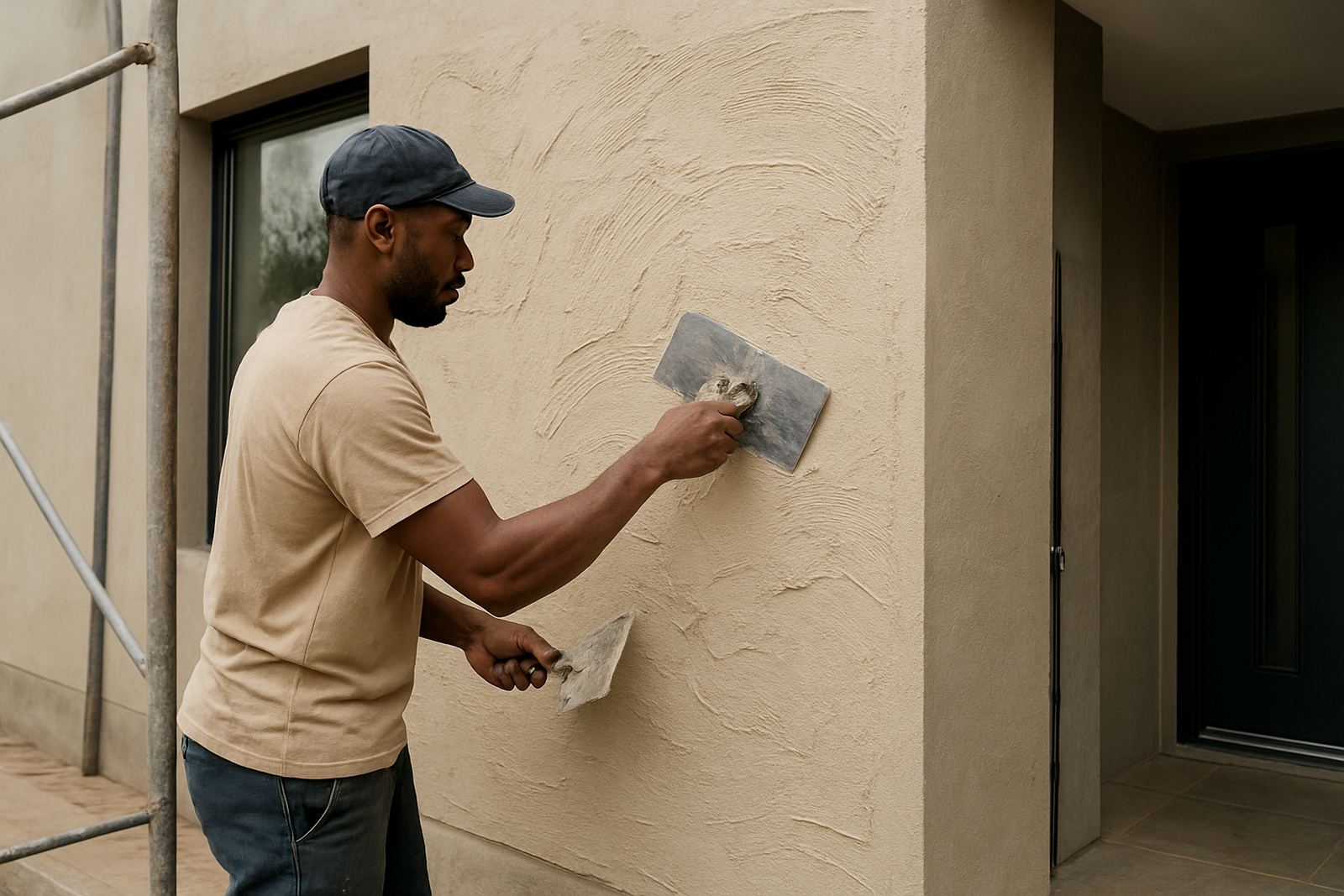
Application can be by trowel, textured roller or other specified method depending on the product and finish. You do not need power or gas to apply most textured coatings, although some contractors use powered mixers for larger batches and consistent tinting. Manual mixing is still fine for smaller jobs, but the mix must be even or the texture can look patchy. Let each coat cure properly before touching up, because pressing it too early can flatten the pattern.
- Clean, dry and sound surface before coating
- Prime as advised for porous or repaired walls
- No special gas requirement for normal application
- Powered mixing can help on larger trade jobs
Care, touch-ups and long-term maintenance
Once cured, textured coating is fairly easy to maintain. Dust can be removed with a soft brush attachment or a dry microfibre cloth, and small scuff marks can often be touched up with a matching mix if you kept the batch details. For better colour consistency, record the tint formula and keep a little product aside for later repairs. That helps avoid visible patching after furniture moves or a tenant vacates.
On high-touch areas, occasional spot cleaning is possible, but avoid aggressive scrubbing because it can flatten the texture. In kitchen-adjacent or busy family spaces, ask for product recommendations suited to easier cleaning. If the wall is exposed to moisture or regular condensation, check the source first, as coating over damp will usually lead to failure sooner or later.
- Use soft cleaning methods to protect the raised finish
- Keep batch and tint details for future touch-ups
- Do not scrub hard across the pattern
- Deal with moisture before repairing or recoating
What to confirm before ordering anti-rust coating
Before ordering textured coating, measure the wall area in square metres and note the surface condition. Tell us whether the wall is interior or exterior, painted or bare, and whether you want a fine, medium or heavier texture. That helps with product choice, quantity and the right prep advice. If the room gets a lot of sun or sea air, mention that as well, because those conditions affect the final selection.
If you are matching an existing finish, bring a sample or clear photo and we will help as far as possible with colour consultation and product recommendations. For trade customers, contractor account help and bulk quantity planning can make the job easier across multiple rooms or sites. If you are in Walmer, Randburg or Bellville, the same checks apply and they save time on reorders. Use our contact form with your measurements and we can work out the practical details.
- Measure total wall area in square metres
- Confirm interior or exterior use
- Choose the texture level you want
- Check for damp, old paint and repaired areas before ordering
Key facts
| Product type | Decorative textured wall coating |
|---|---|
| Typical pack sizes | 5 L, 10 L, 20 L |
| Finish options | Fine, medium and heavier texture profiles |
| Best surfaces | Sound plaster, cured cement, brickwork and prepared drywall |
| Use areas | Interior feature walls and sheltered exterior sections |
| Support available | Colour matching, tinting, sample pot mixing, trade order support |