
What Metal Primer Does on Steel and Iron
Metal primer is the first coat applied to prepared metal before the final colour. Its main job is adhesion and corrosion resistance. On exposed steel, especially in coastal areas like Gqeberha, humidity and salty air can work into bare spots quickly, so the primer gives the topcoat a better base and helps the finish last longer.
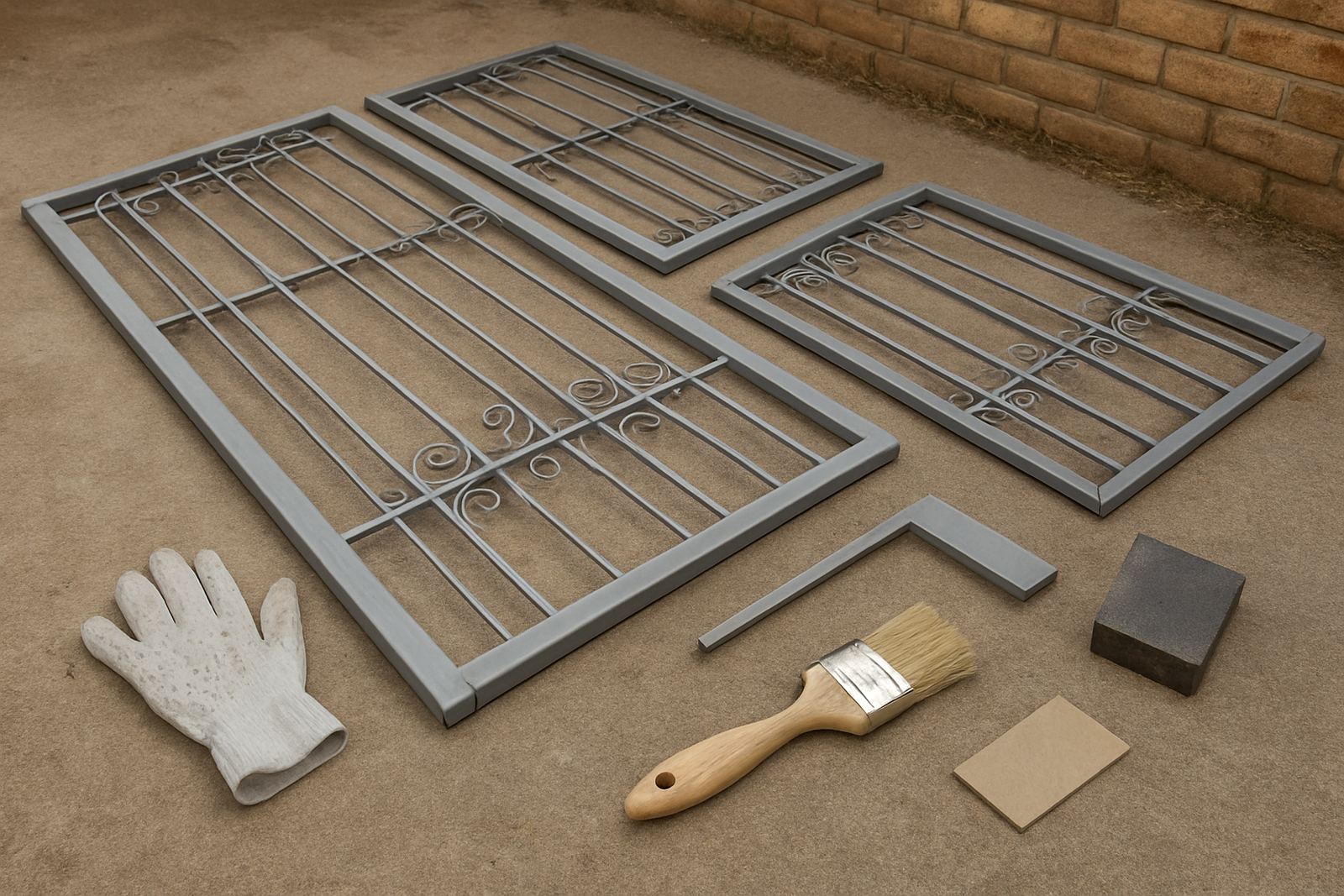
This product suits mild steel, wrought iron, galvanised surfaces that have been properly prepared, and similar metal items around homes, factories and commercial sites. It is commonly used on gates, palisades, stair rails, safety bars, fence panels, support frames and light structural steel. If the metal is already rusted, loose scale must be removed first otherwise the primer can only do so much.
- Designed for prepared bare metal and sound previously coated surfaces
- Helps reduce under film rusting on exposed steelwork
- Creates a better key for enamel, epoxy or other finish coats
- Useful for domestic, trade and maintenance work
Sizes, Pack Options and Coverage Checks
Metal primer is usually supplied in tins and drums for different job sizes. Small packs are handy for gates, one-off repairs and colour test sections, while larger trade sizes suit painters doing multiple homes, estates or workshop steel. ColouRight Paints can help you work out how many litres you need by checking the surface area, the condition of the steel and how many coats are planned.
Coverage depends on surface texture and prep. Smooth clean steel uses less product than pitted rusted metal. As a guide, many primers cover around 8 to 12 m² per litre per coat on sound steel, though rough surfaces can cut that down. Always allow extra for edges, welds and missed spots, because those areas tend to rust first.
- Common pack sizes: 1 litre, 5 litre and 20 litre
- Typical coverage: 8 to 12 m² per litre per coat
- Allow more product for welded joints, corners and textured steel
- Trade quantities available for bulk planning and repeat orders
Best Uses in Homes, Shops and Workshops
This primer works well where metal is exposed to weather, handling or regular cleaning. In Gqeberha and surrounding areas, we often see it used on boundary gates, carport steel, balustrades, security doors and workshop frames. In Joburg and Cape Town branches, it is also requested for factory maintenance, retail fit-outs and contractor recoat work.
For coastal use, ask about systems suited to damp conditions and salt exposure. For indoor steel, such as storage racks or office partitions, a standard primer may be enough if the surface is dry and well prepped. If the metal will face heavy wear, regular washing or a harsher industrial environment, it helps to choose a primer that matches the finish coat and the exposure level. A quick chat before you buy can save a repaint later.
- Suitable for gates, railings, burglar bars and fence work
- Useful for workshops, factories, shops and body corporate maintenance
- Can be used on interior or exterior steel depending on exposure
- Ask for advice if the job is close to the sea or in high humidity
How to Apply It Properly
Good prep makes the biggest difference. The steel must be clean, dry and free of oil, dust, loose rust and flaking paint. Wire brushing, sanding, scraping or mechanical cleaning may be needed before priming. On galvanised metal, the surface should be properly de-glossed and washed as needed so the primer can bond. If moisture is trapped under the coat, you can get bubbling or early failure.
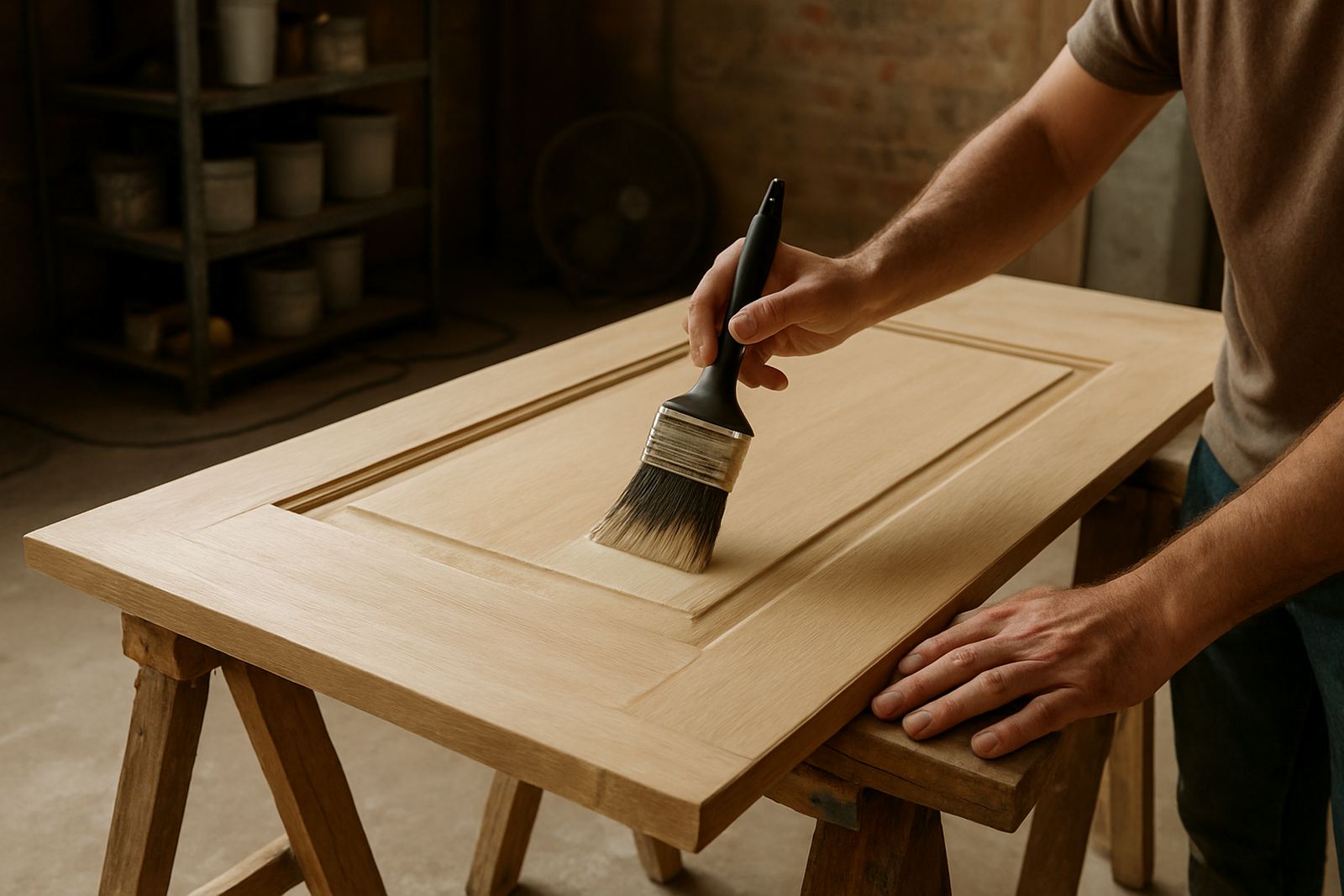
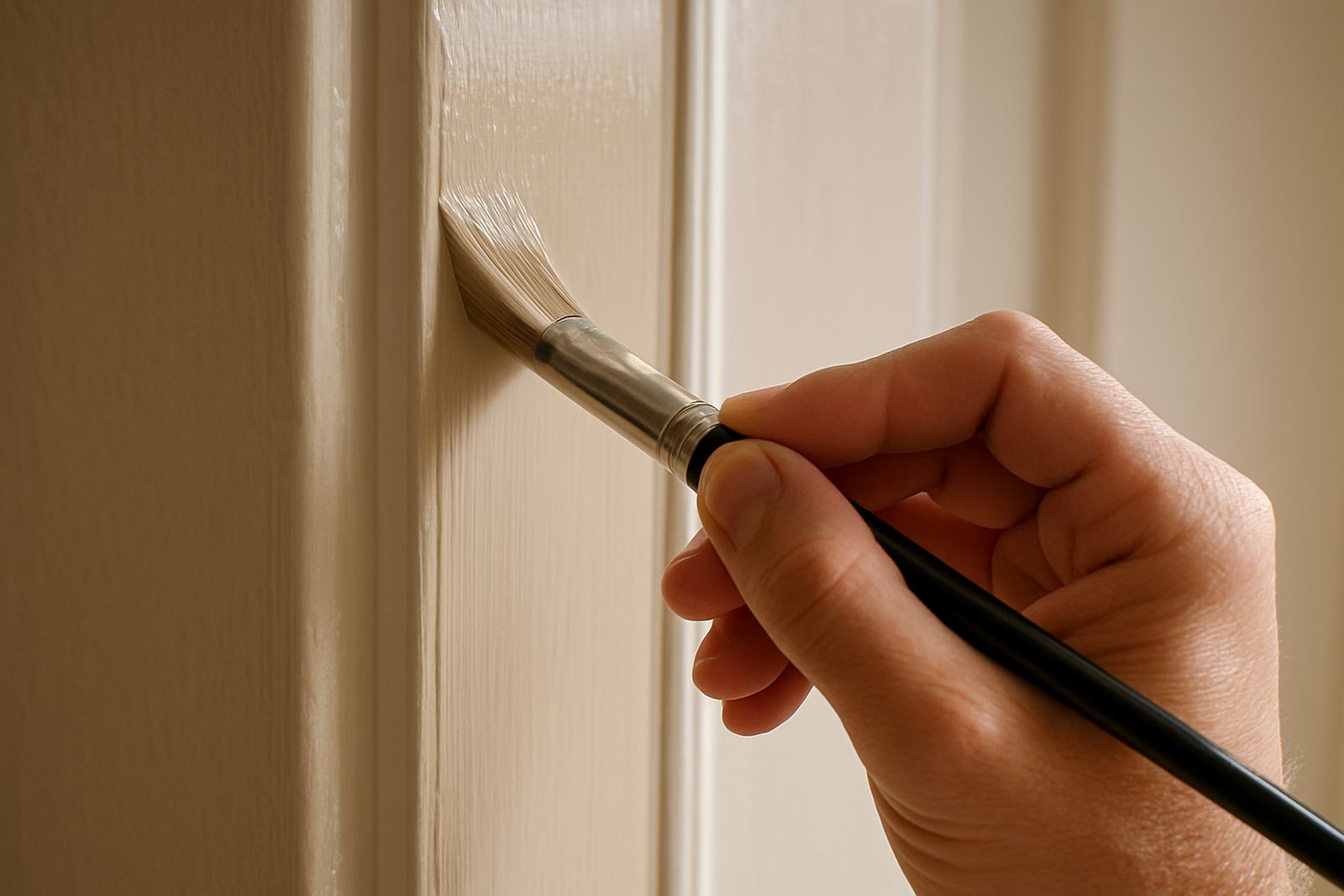
Application can be done with a brush, roller or spray gun depending on the product type and the size of the job. For spray work, you will need a compressor and proper ventilation. No gas is needed for the primer itself, but any spray application should be done in a well-aired space, away from flames and sparks. Follow dry times before applying the next coat, and dont rush the overcoat stage if the weather is cool or damp.
- Clean and degrease before priming
- Remove loose rust and old paint that is lifting
- Apply by brush, roller or spray depending on the finish required
- Allow the correct drying time before topcoating
Care, Touch-Ups and Recoat Timing
Once primed and topcoated, the steel should be checked from time to time for chips, scratches and worn edges. Gates and railings usually take the hardest knocks at hinges, corners and latch points, so those areas may need spot repairs first. If the primer is left exposed too long before the finish coat, dust and moisture can get into the surface and reduce adhesion.
For servicing, clean the surface with a mild detergent and water, then rinse and dry it well. Avoid harsh scouring pads that can scratch the coating. If rust breaks through, sand back to sound material, reprime the bare spot and repaint the area before the problem spreads. In salty or windy areas, this simple maintenance can add years to the life of the steelwork.
- Inspect chips and scratches every few months on exterior steel
- Spot repair edges, welds and moving parts first
- Wash dirt and salt off with mild soap and water
- Reprime any bare metal as soon as it shows
What to Check When You Order from ColouRight Paints
When ordering metal primer, it helps to know the metal type, the condition of the surface, the finish coat you plan to use and how much area needs covering. If you are not sure whether the job needs one coat or two, bring through a photo or measurements and we can work it out with you. That is especially useful for contractor work where timing and quantity need to be right first time.
We also help with colour matching, sample pot mixing and product recommendations if the primer forms part of a full repaint system. For bulk orders, it is worth planning around the site schedule so you do not run short halfway through. If you are collecting from Korsten or placing an order for Walmer, Newton Park, Sandton, Randburg or Bellville, check opening times and delivery options before the job starts.
- Know the metal type and whether it is bare, rusted or previously coated
- Measure the area so we can estimate litres properly
- Match the primer to the topcoat system you will use
- Ask about contractor account support for repeat trade jobs
Key facts
| Product type | Metal primer for steel and iron surfaces |
|---|---|
| Typical use | Gates, railings, burglar bars, fence panels and steelwork |
| Coverage | About 8 to 12 m² per litre per coat on sound steel |
| Pack sizes | 1 litre, 5 litre and 20 litre options |
| Application methods | Brush, roller or spray gun |
| Suitability | Interior and exterior use depending on surface prep and exposure |