
A Hard-Wearing Finish For Daily Use
Enamel trim paint is chosen where a smooth, tougher film is needed on detail areas. It is commonly used on interior doors, skirtings, architraves, window surrounds and handrails, plus selected exterior trim where weather exposure is moderate. The finish is tighter than standard wall paint, so dust, fingerprints and scuff marks are easier to wipe off. For busy family homes in Gqeberha, rental units in Sandton, or office units in Bellville, that makes a real difference.
ColouRight Paints can help you match the right colour and sheen to the room, whether you want a crisp white trim, a soft off-white or a darker feature edge. If the surface is in good condition and properly prepared, enamel trim paint gives a neater final line and better service life. On older properties, it also helps hide the uneven look that can show up on worn frames and skirtings.
Where Enamel Trim Paint Works Best
This product suits detail areas that are handled often and need regular wiping. It works well on primed timber, hardboard, fibre-cement trim, and correctly primed metal surfaces. In coastal areas like Korsten, Walmer and much of Gqeberha, you should pay attention to salt air and moisture levels because those conditions can shorten the life of poorly prepared trim. In Gauteng, load-shedding and inconsistent indoor dust control can also mean surfaces need cleaning more often.
- Doors, frames and skirtings in homes and flats
- Shop fronts, counters and public-facing interior trim
- Office interiors with heavy foot traffic
- Bedrooms and passageways where wiping is needed
- Prepared exterior timber trim under cover or limited weather exposure
If the area gets direct sun, standing moisture or rough treatment, we may recommend a different system depending on the substrate and exposure. For that reason it helps to describe the location and use before you order.
Sizes, Tinting And Ordering Options
ColouRight Paints supplies enamel trim paint in common trade and retail pack sizes to suit small touch-up jobs and full property repaints. Depending on the line selected, typical options include sample pots for testing, 1 litre packs for small rooms, and larger trade packs for bigger jobs. Bulk order support is available for contractors and body corporate work, and we can help you estimate quantity before collection or delivery.
Colour matching is a key part of trim work. A small shift in white can change the whole feel of a room, especially next to wall colour or floor finish. Luvo and the colour team can tint to a matched sample, existing trim, or a reference shade brought in from site. If you are doing a repaint, bring a clean piece of the old surface if possible. That gives us a better match and fewer surprises once the paint dries, which saves time later.
- Sample pot mixing for colour checks before full purchase
- Custom tinting for matched trim colours
- Bulk quantity planning for contractors and refurb jobs
- Trade order support for repeated site work
Surface Prep That Makes The Difference
Good enamel work starts before the first coat. Surfaces must be clean, dry and free from loose paint, oil and dust. Old gloss should be keyed properly so the new coat can grip, and damaged timber should be filled, sanded and spot primed where needed. On metal trim, rust must be removed first and the bare surface primed with the right undercoat. If this step is skipped, the finish may peel or show brush marks more easily, especially on high-touch edges.
For best results, ask for surface prep advice when you place the order. Our team can talk you through what to do on previously painted timber, bare wood, fibre-cement or metal. If the old finish is flaking, soft or stained, it may need extra attention before topcoating. This is often where repaints go wrong, not the paint itself. A few extra minutes with sanding, filling and wiping down can save a complete redo.
Application, Drying And Power Needs
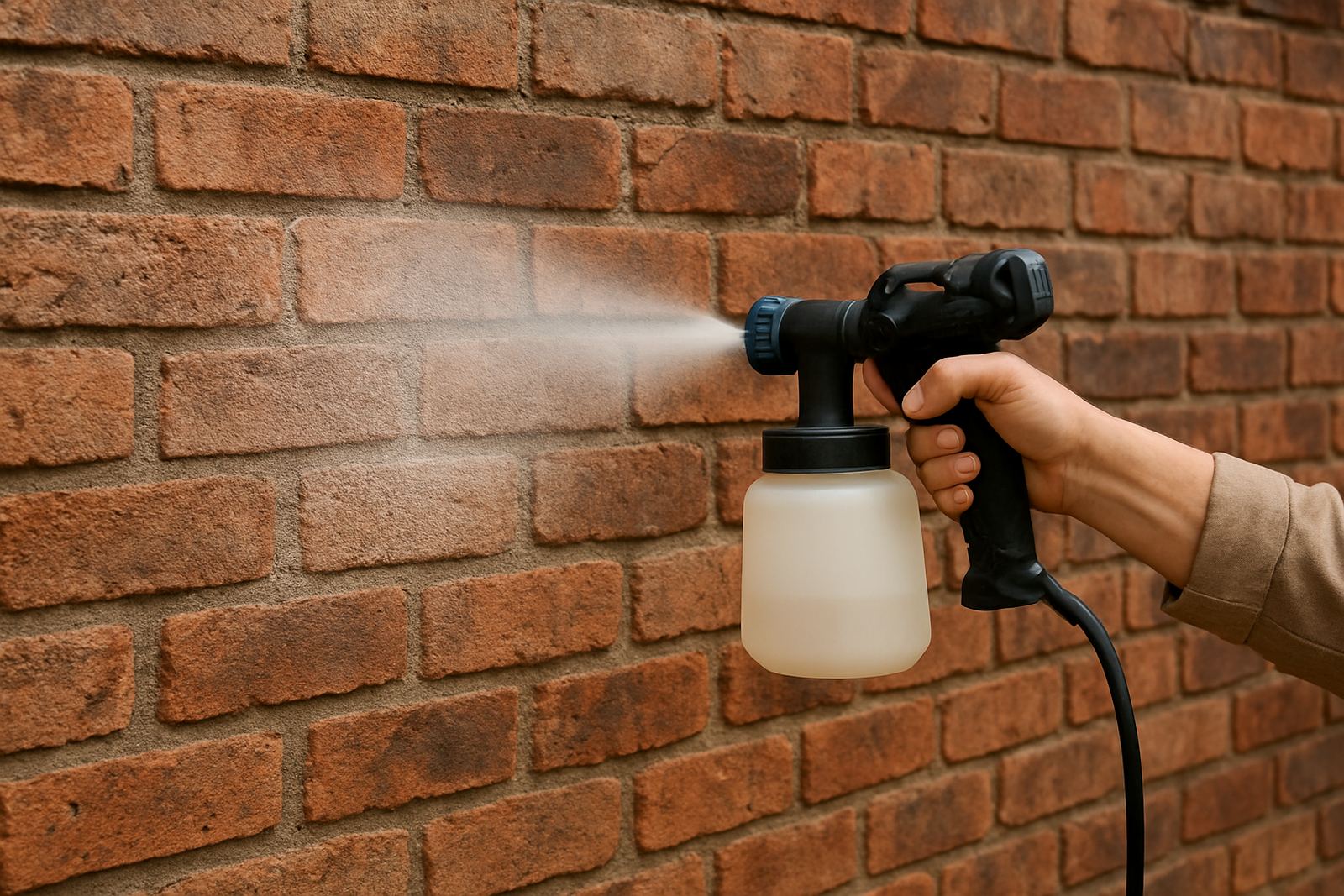
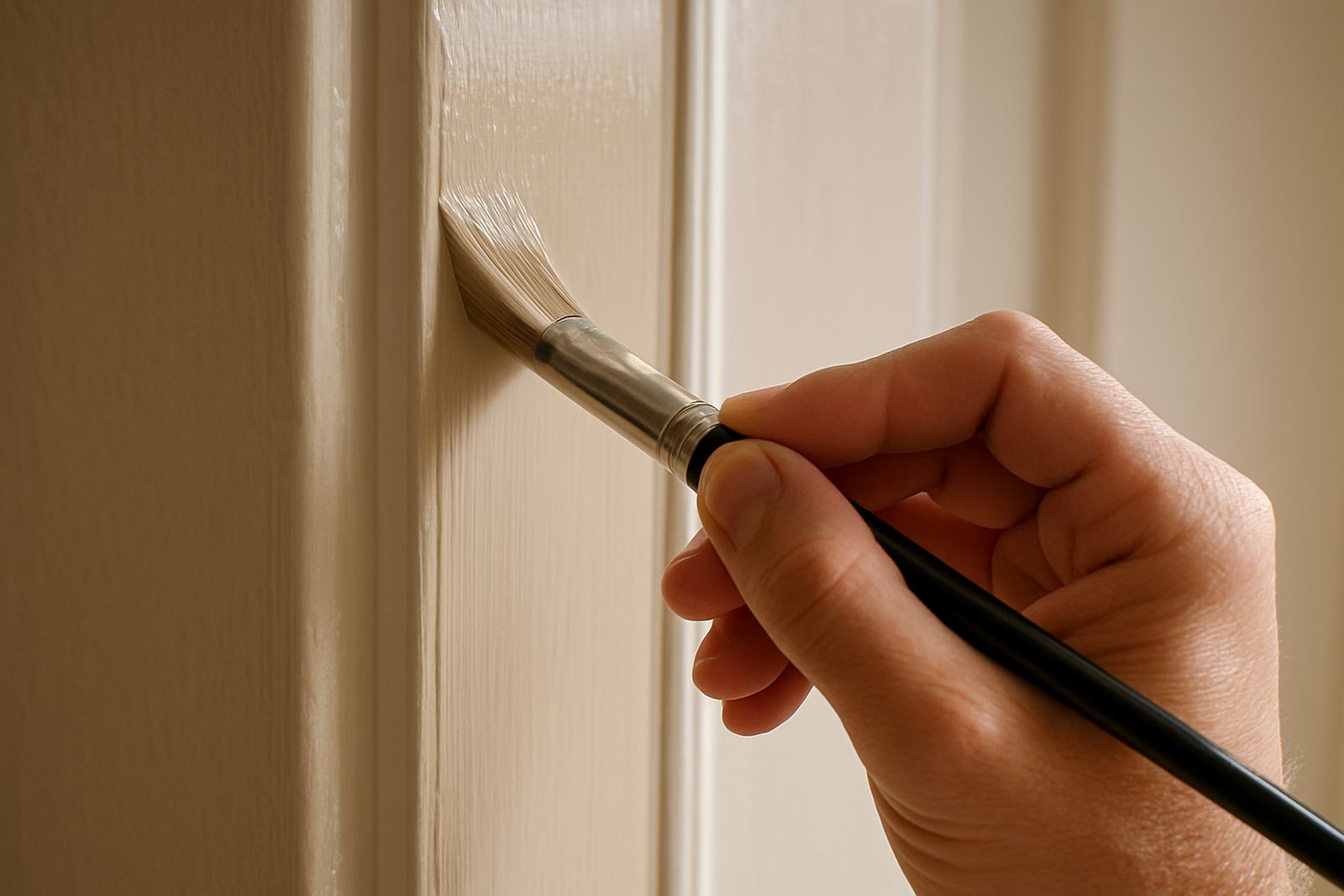
Enamel trim paint is usually applied by brush, small roller or spray depending on the surface and the level of finish required. Brushes are best for detailed mouldings and narrow profiles, while a fine roller can help on larger flat doors. If spray application is used, make sure nearby floors and walls are masked properly. In a shop or occupied home, plan for ventilation and dust control so the area can be used again safely once dry.
Most jobs do not need special power or gas equipment to apply by brush or roller. If spray equipment is used, you may need mains power for the sprayer or compressor, and a stable work area with air movement. Because enamel dries more slowly than standard wall paint, keep doors or windows open where possible and avoid closing freshly painted surfaces against seals or frames. In humid coastal weather, drying can take longer, so leave extra time before rehanging fittings or using the room. A bit of patience here helps the finish settle properly.
- Allow longer drying time in humid or cold conditions
- Do not trap wet paint against weather strips or door stops
- Use separate clean tools for enamel and wall paint
- Plan access for safe ventilation during application
Care, Cleaning And Ongoing Servicing
Once cured, enamel trim paint is easier to wipe than many softer finishes, but it still needs care. Use a soft cloth with mild soap and water for normal cleaning. Avoid harsh abrasives, scouring pads and strong solvents unless the product instructions allow them. On busy skirtings and door edges, a light clean every few weeks is usually enough to keep the area looking presentable.
If the surface chips or gets marked, touch-up is best done early. Small chips around handles, hinges and corners can be repaired before moisture or dirt works into the surface. For rental property and commercial sites, keep a little labelled touch-up paint from the same batch. That makes future repairs easier and the colour stays closer. Our customer support team can help if you are not sure what was originally supplied or if you need a repainted area assessed for the next coat.
What To Confirm Before Ordering Enamel Trim Paint
Before ordering, check the substrate, the size of the area, and whether you need a gloss, satin or lower-sheen finish. Also confirm whether the paint is for interior use only or for a protected exterior trim job. If you are matching an existing colour, bring a clean sample or clear photo with good natural light. If the job is for a contractor account, make sure quantities, delivery point and timing are all confirmed before collection.
- Surface type: timber, metal, fibre-cement or previously painted trim
- Condition: sound, chalky, flaking, stained or freshly prepared
- Finish level: gloss, satin or another specified sheen
- Coverage area in square metres and number of coats needed
- Colour match requirement and sample availability
- Collection or delivery details for your branch area
For customers in Korsten, Walmer and Newton Park, we can assist from the Gqeberha base. We also support orders for Sandton, Randburg and Bellville through the relevant branch areas, so it is easier to keep a project moving even if the site changes mid-job.
Key facts
| Product type | Enamel trim paint for interior and selected protected exterior trim |
|---|---|
| Common uses | Doors, skirtings, frames, architraves and detailed mouldings |
| Finish options | Typically gloss or satin depending on the selected line |
| Application methods | Brush, small roller or spray |
| Pack sizes | Sample pot, 1 litre and larger trade packs, subject to line |
| Support available | Colour matching, custom tinting, surface prep advice and bulk order planning |