
What masonry sealer does on porous walls
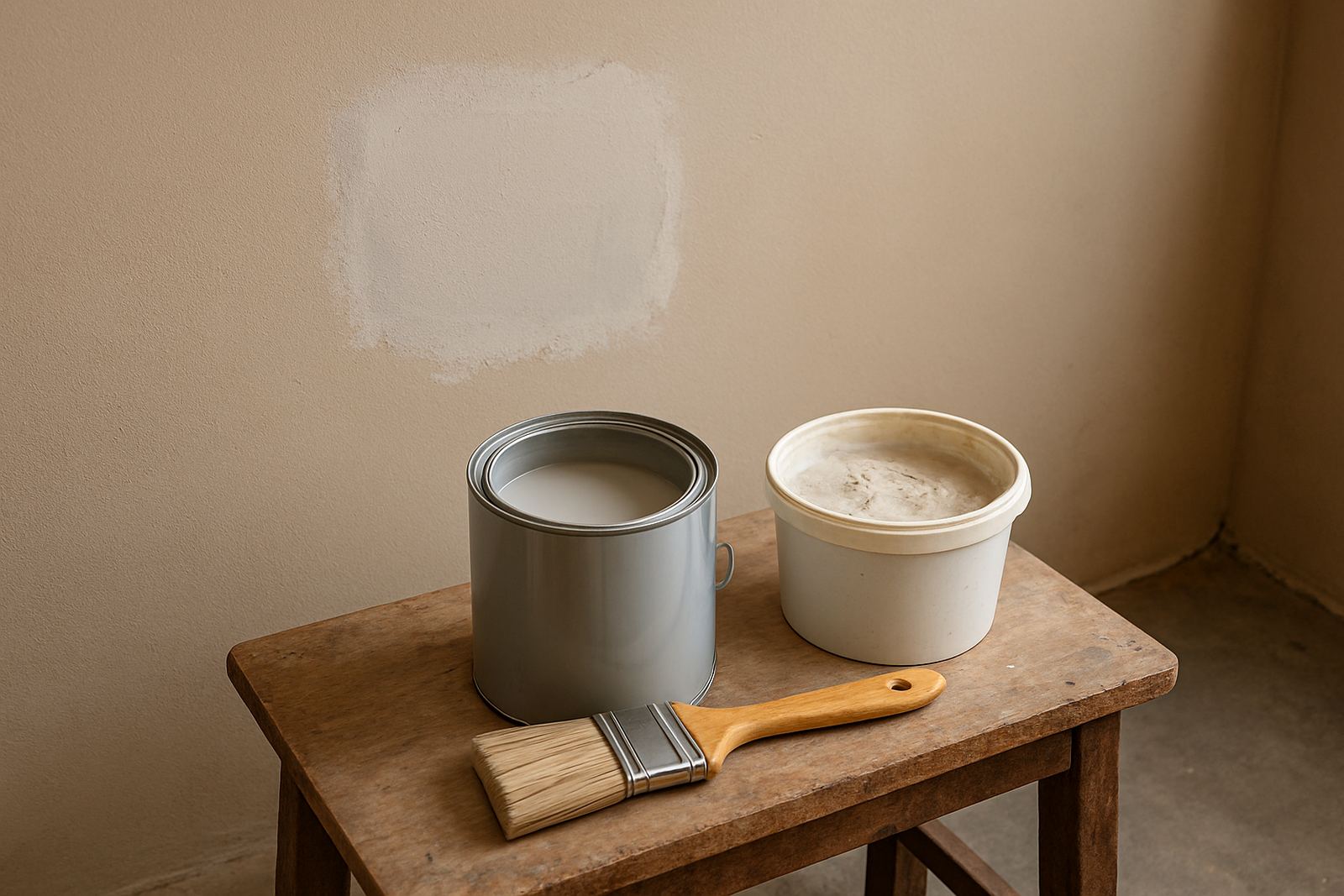
Masonry sealer is a preparatory coating for mineral surfaces that absorb moisture unevenly. On fresh plaster, old cement render, fibre cement, face brick and repaired masonry, one area can pull in paint far faster than another. That causes flashing, roller marks and a blotchy finish. A proper sealer reduces that difference so the finish coat can sit more consistently across the whole surface.
It is not the same as a thick topcoat and it is not there to hide defects. Its job is to stabilise the surface before final painting, especially where dusting, chalking or suction is a problem. On Gqeberha homes close to the coast, or in Joburg and Cape Town properties where walls have been patched a few times, this step can make a real difference to coverage and touch-up results.
Where this sealer suits best
Use it on masonry that is sound but still porous. It suits internal and external work where the substrate needs to be sealed before a finish coat. It is commonly used on boundary walls, garages, parapet walls, store rooms, rental units, office blocks and shopfront masonry. It also helps when a contractor is repainting a building with mixed old and new plaster sections.
- New plaster that has cured and is ready for paint
- Old cement render with patch repairs
- Concrete block walls and retaining walls
- Porous brickwork and rendered façades
- Areas that show powdery or uneven absorption
- Repaint jobs where the previous coating has been stripped back
It is especially useful where the final colour is light, because uneven suction can make a pale colour look patchy. For darker tones, the sealer still helps with uniformity and can reduce the amount of finish paint needed on the first coat.
Sizes, options and typical coverage
Available sizes normally cover both small domestic jobs and bigger trade work. When ordering, ask for sample pot, 1 litre, 5 litre and larger trade pack options where available. Small packs are useful for test areas or repairs, while larger containers suit full walls, rental turnarounds and contractor accounts with repeat use. If you are matching a colour on top of the sealer, sample pot mixing can help confirm the final look before you commit to full quantities.
- 1 litre for small repairs, sample sections and test application
- 5 litre for single rooms, feature walls or garage areas
- 20 litre for full exterior sections and trade runs
- Coverage: roughly 6 to 10 m² per litre, depending on porosity
- Finish: clear or low-build sealing coat for masonry prep
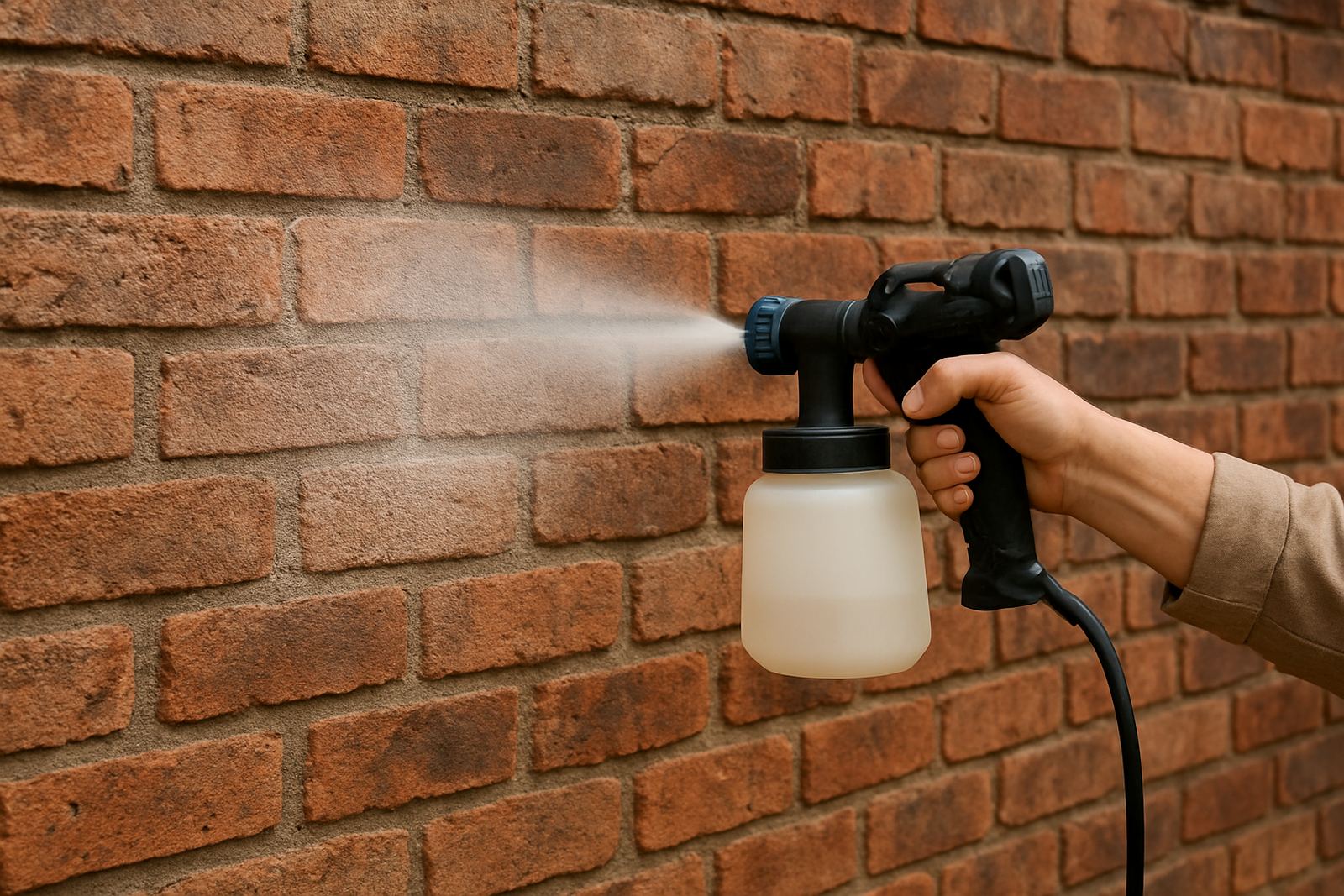
- Application: brush, roller or spray where suitable
Very porous surfaces may use more product than expected. If a wall is highly absorbent, a second sealer pass can be needed. That is not unusual on older plaster in coastal towns or on sun-baked boundary walls that have been left unpainted for years.
How to apply it and what power or gas is needed
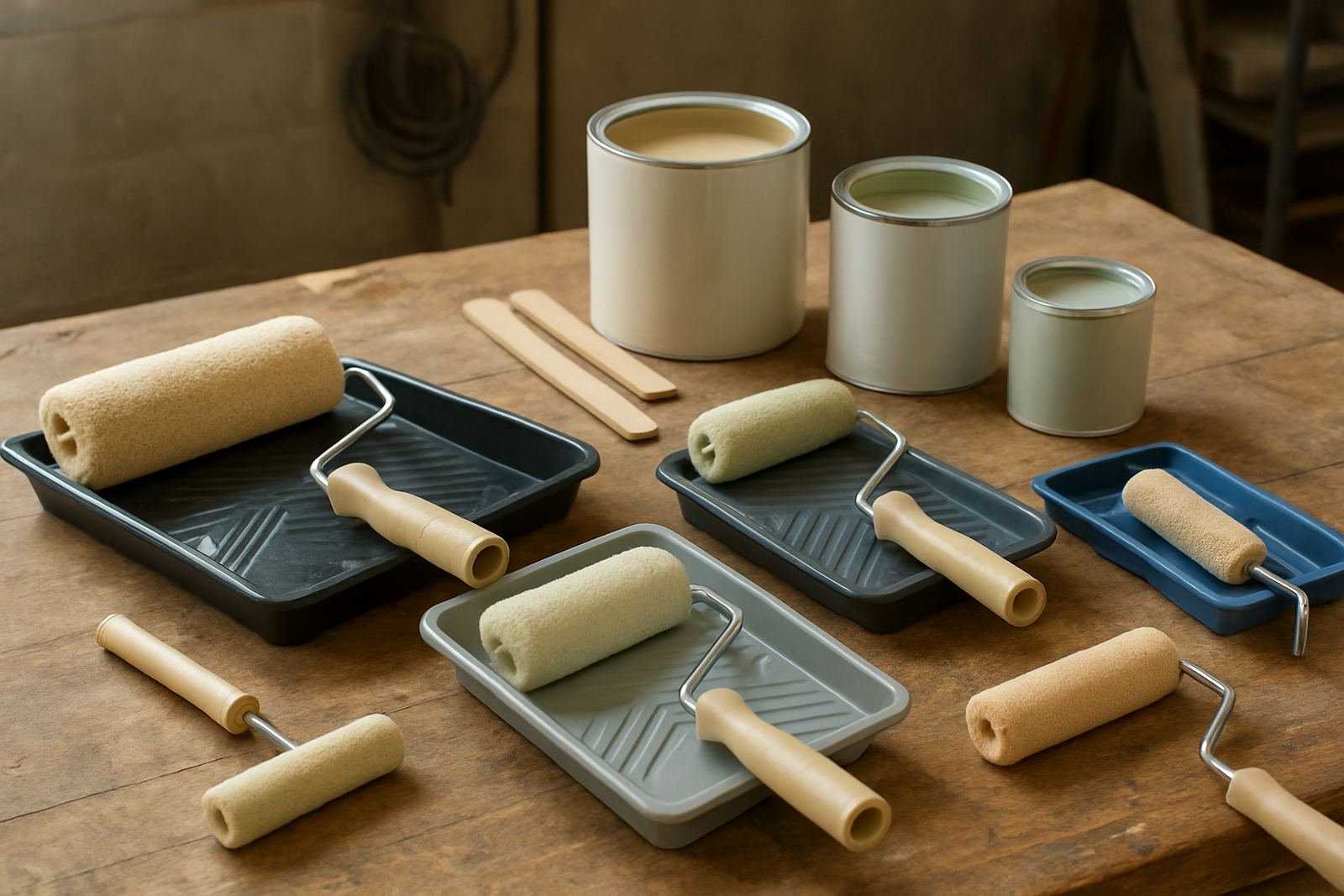
Most masonry sealer jobs are straightforward and do not need power or gas to apply by hand. A brush and medium pile roller are enough for many homes and small sites. On larger projects, a low-pressure spray setup can speed up coverage, but it should still be followed with back-rolling so the sealer reaches the pores properly. If you are working in a block of flats, workshop or retail premises, keep ventilation in mind and follow the label instructions for recoat times.
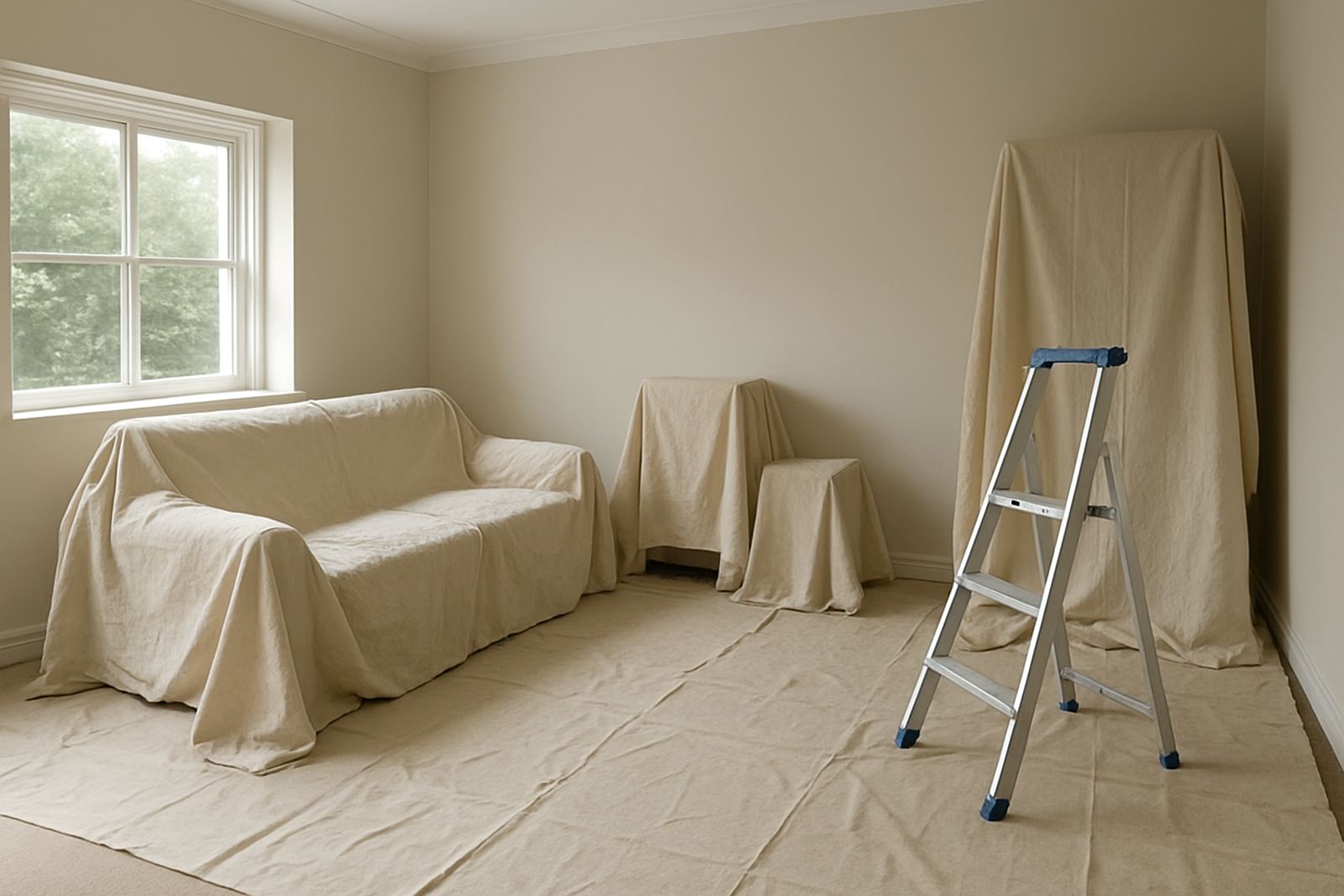
Before application, the surface must be clean, dry and free of loose dust, efflorescence, oil or flaking paint. Any cracks, failed filler or crumbling plaster should be repaired first. In humid coastal areas like Korsten and Walmer, allow extra drying time after rain or washing down the wall. Don’t seal over damp masonry because that can trap moisture and lead to future paint failure.
- Stir well before use and during longer jobs
- Apply evenly, avoiding puddles and heavy overlap
- Allow full drying before the finish coat
- Test a small area first on very absorbent or dusty surfaces
- Keep tools clean with the recommended cleaning method on the pack
Care, servicing and storage on site
Masonry sealer does not need special servicing, but it does need sensible storage and handling. Keep the lid closed when not in use, store in a cool dry place and protect it from direct sun and freezing conditions. If a tin has been opened on site, reseal it properly after use so skinning does not form. On contractor jobs, mark partially used containers clearly to avoid mix-ups between primer, sealer and finish coat.
If the product has stood for a long time, mix it thoroughly before use. Check for lumps, separation or contamination before pouring into a tray. If you are applying across multiple areas over several days, keep the same batch aside for touch-ups where possible so colour and sheen stay consistent. That matters on visible walls, entrance areas and municipal boundary walls where repairs must match the existing work.
What to confirm before ordering deck sealant
When ordering masonry sealer, the most important detail is the surface condition. Tell us whether the wall is fresh plaster, old render, brick, block or a previously painted area with chalking. Also note the size of the job, the expected spread rate and whether the site is coastal, shaded or exposed to strong sun. These details help with product recommendation and bulk quantity planning, especially for contractors handling several units at once.
- Surface type and whether it is new or existing masonry
- Extent of porosity, dusting or chalking
- Indoor or outdoor use
- Area in square metres so the right volume can be calculated
- Whether you need a clear sealer or a product matched to a specific system
- Any repaint trouble such as patching, blistering or poor adhesion
If you are not sure which pack size to choose, our trade sales team can help with quantity planning for one room, a full house or a contractor run. We also support contractor account help, repaint troubleshooting and surface prep advice for sites in Korsten, Newton Park, Walmer, Sandton, Randburg and Bellville.
Key facts
| Product type | Masonry sealer for porous mineral surfaces |
|---|---|
| Typical uses | New plaster, brick, block, render, patch repairs, external walls |
| Pack sizes | 1 litre, 5 litre, 20 litre and trade packs where available |
| Coverage | Approx. 6 to 10 m² per litre depending on surface absorbency |
| Application methods | Brush, roller or suitable spray application |
| Drying note | Allow full drying before the final coat; extra time may be needed in humid or cool conditions |