
What Drop Sheets Do On Site
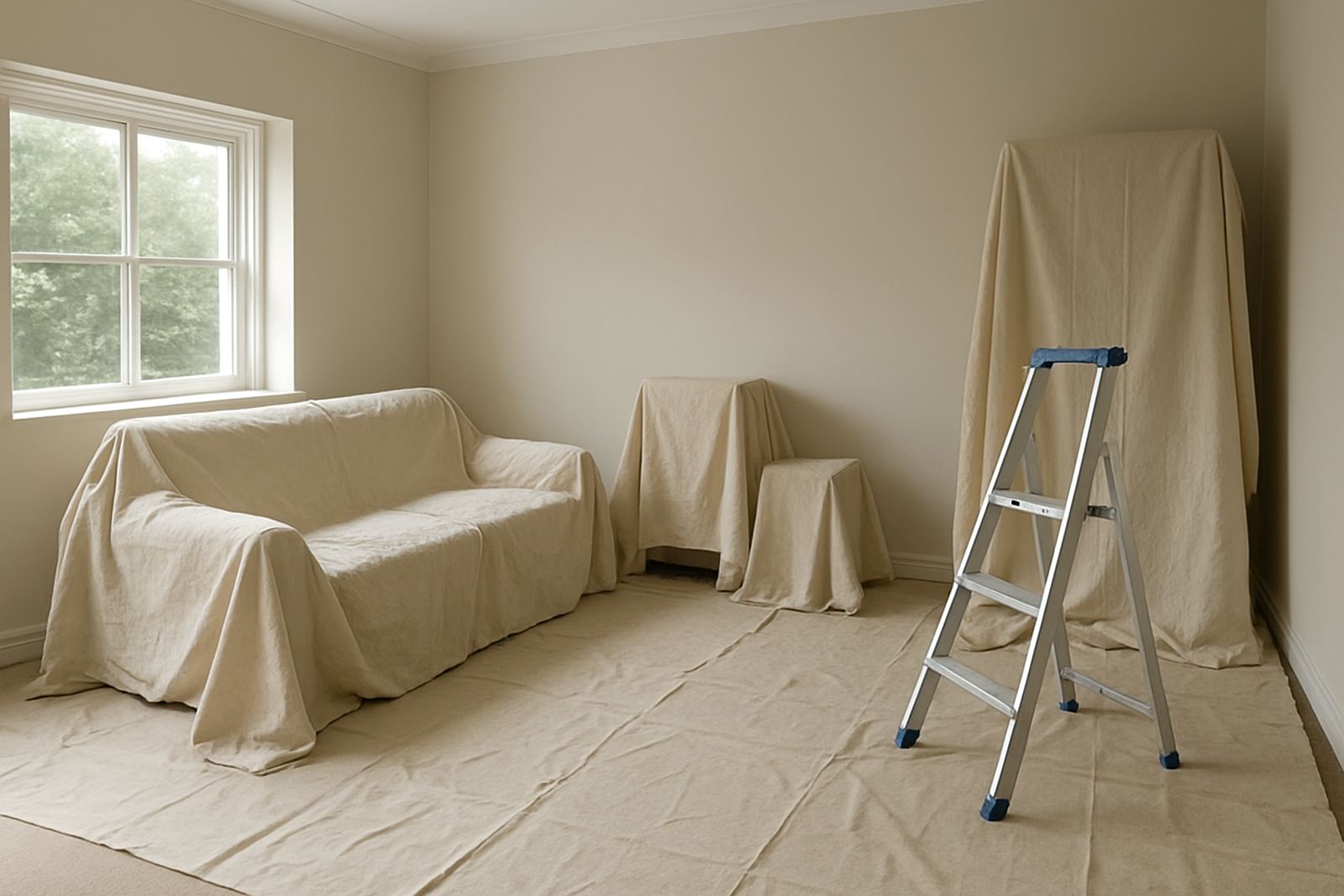
Drop sheets are protective coverings used to catch paint splatter, sanding dust and general job-site mess. They are used under step ladders, along skirting, over couches, tables, cupboards and built-in units when you need to work cleanly and keep cleanup time down.
For most painting jobs, a proper drop sheet is better than thin plastic alone because it stays in place more easily and gives better floor protection. In older homes, on polished tiles, or where there is coastal humidity in places like Gqeberha and Cape Town, a good sheet helps prevent minor scuffing and keeps grit from being tracked through the house.
They suit interior repainting, exterior touch-ups, sanding before primer, ceiling work and contractor punch-list jobs. They are also handy for rental units where you need to protect surfaces while meeting move-out standards and municipal cleanliness rules.
Sizes, Materials And Thickness Options
Drop sheets come in a few common styles. Cotton canvas is the usual choice for general painting because it absorbs splashes and does not slide around as much. Woven plastic or poly sheeting is useful for dust control, light-duty protection and quick cover-ups, though it can shift on tiled floors if not taped properly.
Typical sheet sizes include 2 m x 3 m for small rooms, 3 m x 4 m for bedrooms and passage areas, and 4 m x 5 m or larger for lounges, offices and commercial spaces. Heavier sheets are better for repeated use, while lighter sheets are useful for one-off jobs and fast clean-downs.
- Canvas sheets for painting and sanding
- Light plastic sheets for dust and overspray control
- Heavy-duty options for trade work and repeated use
- Oversized sheets for furniture, carpets and reception areas
When ordering, check the weight, weave and edge finish. A stitched hem, reinforced corners or eyelets can help on windy exterior sites, especially near open windows or stoep areas.
Where Drop Sheets Work Best
These sheets are used wherever there is a risk of spillage or dust. In homes, that usually means lounges, bedrooms, kitchens, stairways and garage floors. In businesses, they are useful for offices, retail shops, medical rooms, schools and hospitality spaces where you need to finish work with minimal disruption.
They are especially practical for contractors doing repainting between tenants, maintenance teams dealing with small repair jobs, and DIY users tackling a single room over a weekend. If you are sanding plaster, touching up high walls, or cutting in around cornices, a drop sheet helps keep the work area tidy and safe.
On coastal properties, moisture can make floors slippery and paint drips more difficult to clean once they dry. In hotter inland areas like Joburg and Sandton, dust is often the bigger issue. A proper sheet helps with both problems.
- Indoor repainting and touch-ups
- Sanding, filling and patch preparation
- Furniture protection during renovations
- Office and shop maintenance after hours
How To Lay Them Out Properly
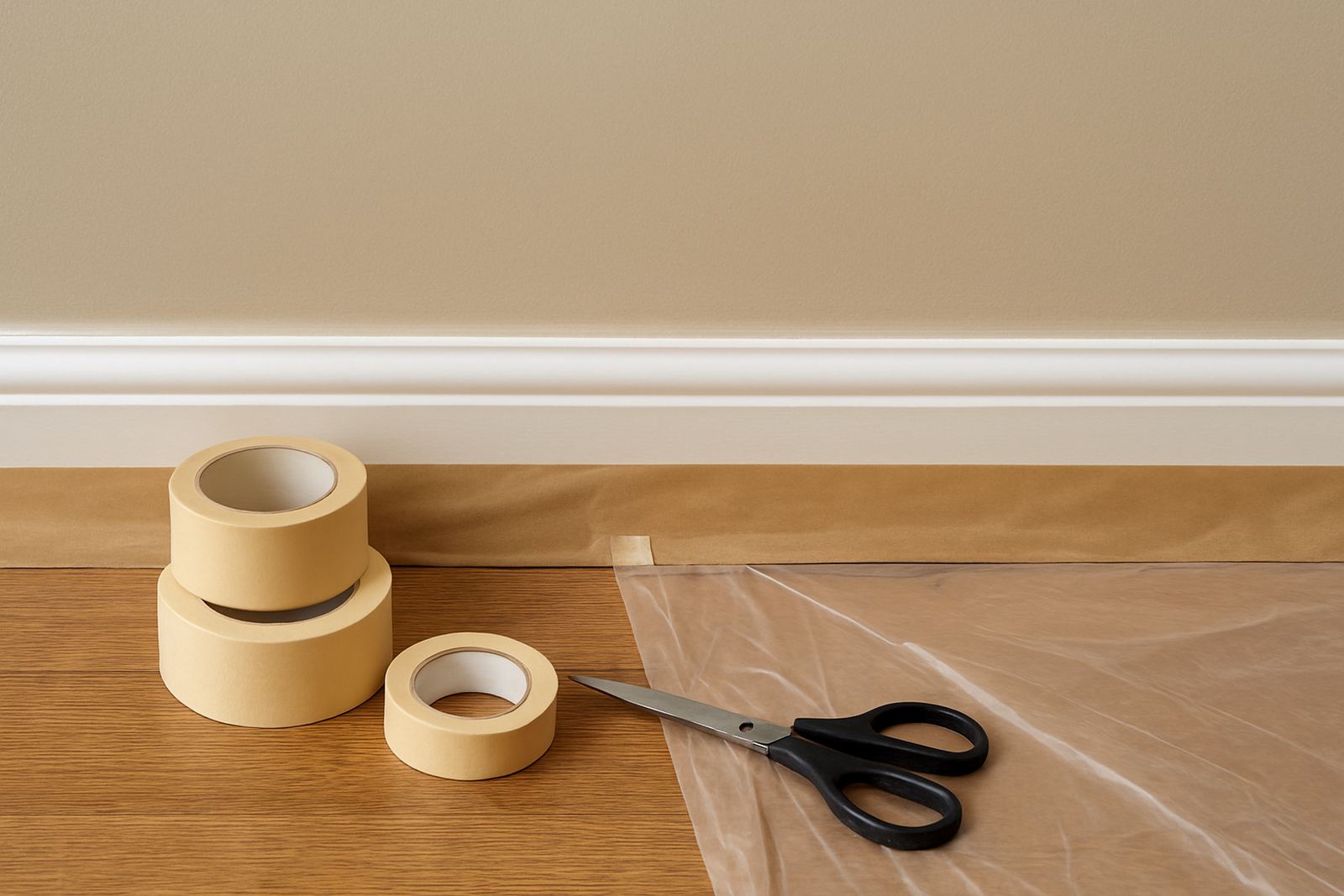
Installation is straightforward and does not need power or gas. You simply unfold the sheet, lay it flat over the work area and secure the edges with low-tack tape where needed. On smooth tile or polished concrete, use tape only on the sheet edge so you do not leave residue on the floor.
For furniture, drape the sheet fully over the item and tuck the edges underneath where possible. If you are covering more than one item, keep a clear walkway so you do not trip while carrying tins, rollers or sanding blocks. In tight rooms, overlap two sheets rather than stretching one sheet too far, because thin coverage leaves gaps.
If you are doing spraying or heavy sanding, combine the drop sheet with masking film and proper ventilation. Open windows where the weather allows, and use fans only if they do not blow dust into the paint area. No special service connections are needed, which makes these sheets a simple choice for load-shedding periods and jobs in areas with limited access.
Care, Cleaning And Reuse
Canvas drop sheets can often be reused many times if they are shaken out, dried and stored properly. Let paint spots dry fully, then brush off loose dust before folding the sheet. For small water-based splashes, a warm wash and air drying is usually enough. Oil-based residue is harder to remove, so keep a separate sheet for that kind of work if you can.
Plastic sheets are usually treated as light-duty items and may be discarded after use, depending on how messy the job was. If the sheet is still clean enough to fold, store it in a dry place away from direct sun. Too much heat can make thin plastic brittle and it tears easier next time.
Check the sheet before each new job for pinholes, worn seams and sticky paint patches. A small tear near the middle can turn into a larger opening once a ladder or chair leg moves across it.
What To Check Before You Order
Before buying, measure the room and think about what needs protection. A single accent wall needs a different setup from a full interior repaint. If you are covering furniture, note the tallest item and allow enough overhang to tuck the sheet in safely. For trade jobs, it helps to count rooms and work out whether you need one sheet per room or several for overlapping areas.
Check these points before ordering:
- Sheet size in metres
- Material type, canvas or plastic
- Reusability and thickness
- Whether corners or edges are reinforced
- How much floor grip you need on tiles or timber
- Whether the sheet will cover furniture, floors or both
If you are planning a large repaint in Gqeberha, Walmer, Newton Park, Randburg or Bellville, ask for bulk quantity planning so you do not run short halfway through the job. Contractors often keep a mix of small and large sheets in the truck for quick turnarounds and repaint troubleshooting.
Key facts
| Product type | Protective drop sheet for painting, sanding and touch-up work |
|---|---|
| Common materials | Canvas, woven plastic and light-duty poly sheeting |
| Typical sizes | 2 m x 3 m, 3 m x 4 m, 4 m x 5 m and larger |
| Use areas | Floors, furniture, stairs, counters, built-in cupboards and work zones |
| Power or gas needed | None |
| Best for | Home painting, contractor jobs, office maintenance and dust control |