
What Skimming Compound Does on a Wall
Skimming compound is made for the final surface correction stage before painting. It fills shallow hollows, hairline cracks, trowel marks and patch edges so the wall takes paint more evenly. On older plaster, fibre cement boards or previously repaired areas, it helps reduce the patchy look that often shows up after the first coat.
It is not the same as a thick base plaster. This product is finer in texture and is applied in thin coats, usually over a sound surface. That makes it useful for interior walls that need a cleaner finish in lounges, passage walls, bedrooms and office spaces. In homes near the coast, where humidity can make imperfections stand out more, a proper skim can make a real difference to the final result.
- Fills light surface defects and sanding marks
- Improves paint coverage and uniformity
- Suitable for small repairs and full wall skimming
- Can be sanded smooth once dry
Where It Suits Best in South African Properties
This compound suits interior work where a smooth paint finish is important. It is commonly used in Gqeberha homes, Sandton apartments, Bellville family houses and light commercial spaces like reception areas, treatment rooms and small retail units. It is also handy for rental make-ready jobs where time is short and the wall surface needs to be brought back to standard quickly.
It works well on rendered walls, plasterboard, repaired crack areas and general patching before repainting. For exterior surfaces, use it only where the manufacturer instructions allow and where the area is sheltered. South African weather can be tough on wall coatings, so the substrate must be dry, sound and free from loose paint. If there is rising damp, salt damage or crumbling plaster, those issues should be dealt with first.
- Best for interior walls and ceilings
- Useful in homes, flats, shops and offices
- Suitable for patch repairs and full skim jobs
- Not a fix for damp, moving cracks or failing plaster
Sizes, Forms and Ordering Options
Skimming compound is usually supplied in powder form for site mixing, though some projects may use ready-mixed variants depending on the job size and finish needed. For smaller repair work, a compact pack is easier to handle and reduces waste. For larger repainting work, trade packs are more cost effective and keep colour and finish preparation consistent across the project.
When ordering, check whether you need a fine finish compound for final smoothing or a broader fill product for deeper defects. Some jobs need both. If you are working on a busy site, it helps to plan the quantity properly so you do not stop halfway through a wall. In practice, under-ordering wastes time and can leave slight shade changes if touch-ups are mixed separately.
- Small packs for spot repairs and sample areas
- Trade packs for larger walls and multiple rooms
- Powder format for on-site mixing
- Optional sample quantities for test patches before full application
Application Notes, Tools and Site Conditions
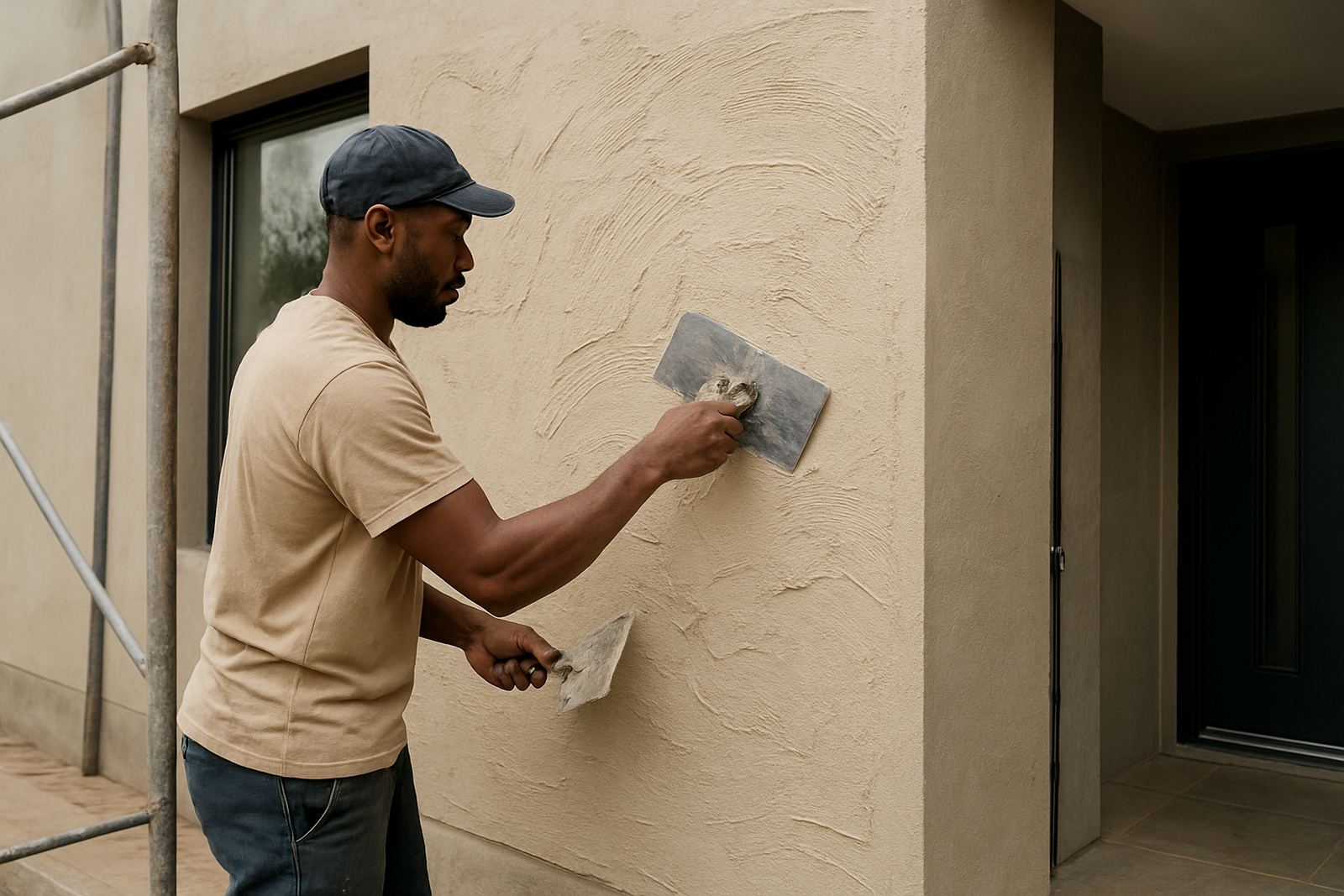
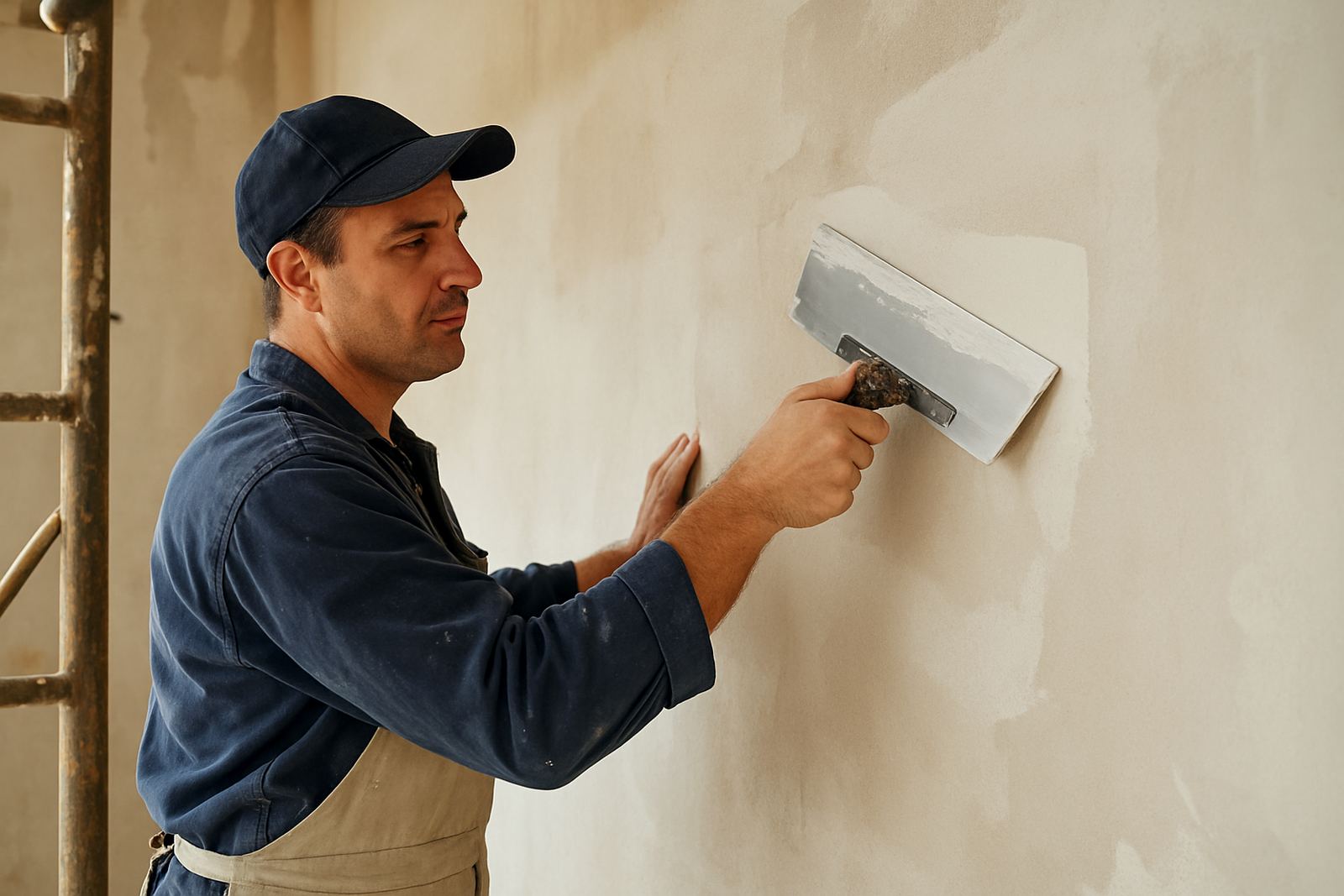
For best results, the wall should be clean, dry and firm before skimming. Loose paint, dust, old filler and powdery plaster need to be removed. Apply the compound with a steel trowel or broad knife in thin layers, then allow each coat to dry fully before sanding. On badly marked walls it is better to build up two light coats than one heavy pass that cracks or pulls when sanded.
Working conditions matter. In humid areas like parts of Gqeberha and Cape Town, drying can take longer, while load-shedding can affect lighting and site timing. That means you should plan enough daylight or backup lighting for inspection after sanding. No power or gas is normally needed for the compound itself, but some sites use mechanical sanding tools or dust extraction, which may need electricity. If you are mixing large batches, keep your water ratio consistent so the texture stays the same from one section to the next.
- Surface must be clean, dry and stable
- Use thin coats rather than one thick coat
- Allow full drying before sanding or painting
- Plan for ventilation and dust control indoors
Care, Storage and Jobsite Handling
Unused compound should be stored in a cool, dry place with the bag or tub properly closed. Moisture can ruin powder products quickly, especially in coastal storage areas or open garages. If the product picks up water, it may clump and set unevenly, which affects the finish. Keep bags off the floor on pallets if they are being held for later use.
On site, only mix what you can use within the working time stated on the pack. Once the material starts to firm up, do not re-temper it with extra water because that can weaken the final surface. Clean tools straight after use so the material does not harden on the blade edges. A good finish depends as much on clean tools as on the compound itself, and this is often overlooked.
- Store dry and sealed
- Keep off damp floors and away from direct rain
- Mix only the amount needed for the session
- Wash tools before the compound sets hard
What to Check Before You Order
Before placing an order, check the wall type, the size of the damaged area and whether you need only skim work or a deeper repair system. Also check the existing paint condition. If the old coating is chalky or flaking, it may need more preparation than a skim alone. For painted walls that will be recoated in the same colour or a light colour change, a smooth skim can improve the final look more than adding extra paint does.
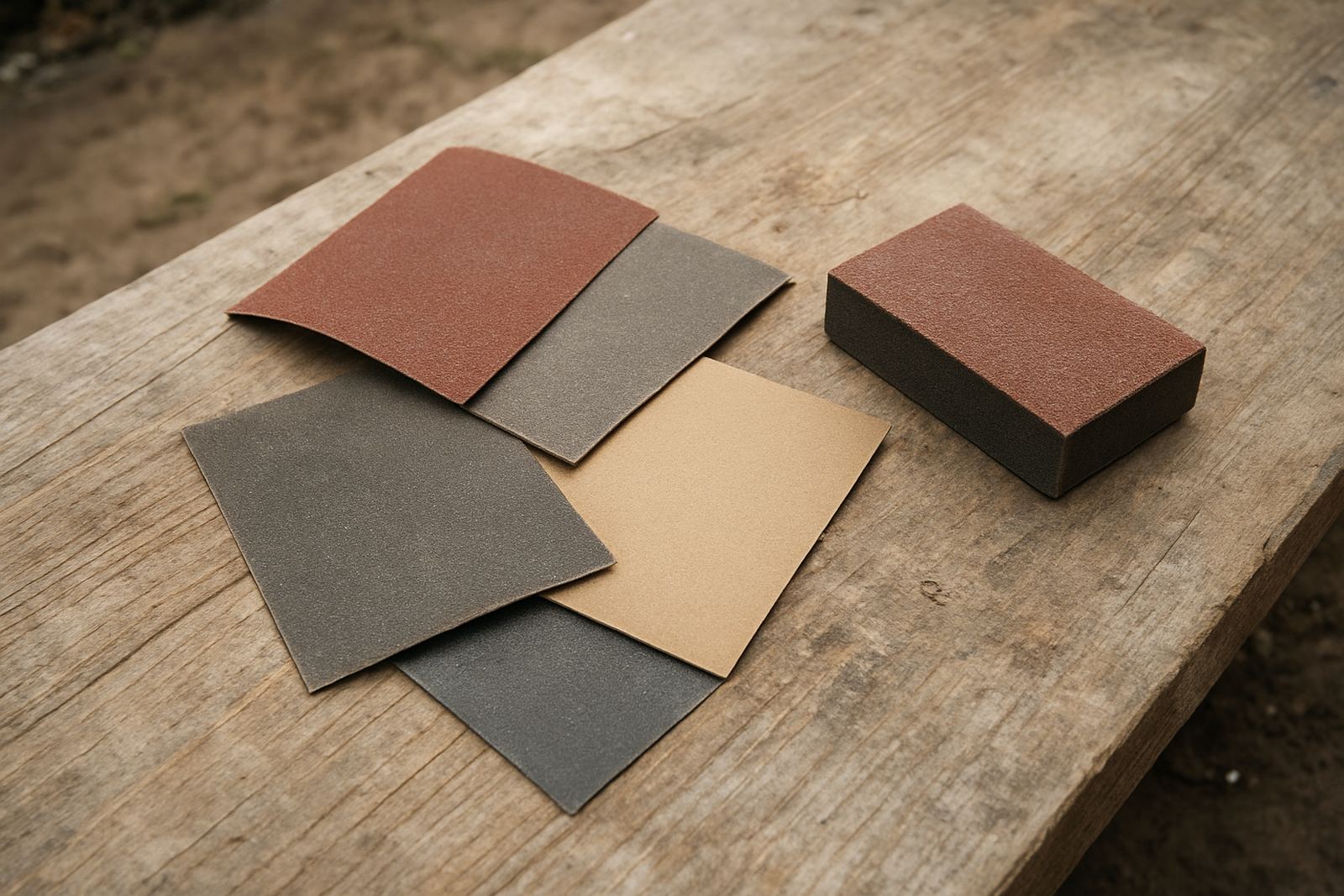
If you are ordering for a contractor team, make sure the pack size matches your crew output and that all support products are on hand, including primer, crack filler, sandpaper and masking materials. ColouRight Paints can help with product recommendations, bulk quantity planning and trade order support so you get the right amount for the job first time. That saves time on site and cuts down on repeat trips, which is important when the job is in progress and access is limited.
- Confirm wall condition and repair depth
- Match pack size to the job volume
- Check drying time against your repaint schedule
- Order primers and sanding items together
Key facts
| Product type | Fine finishing skimming compound |
|---|---|
| Typical use | Levelling shallow wall imperfections before painting |
| Finish | Smooth, sandable paint-ready surface |
| Application | Interior walls, ceilings and repaired plaster areas |
| Form | Powder for site mixing, some ready-mixed options may apply |
| Support needs | No power or gas required for hand application |