
What Damp Seal does on stained interior walls
Damp Seal is used on walls that have had moisture staining, light efflorescence or old water marks that still show through after the area has dried. It forms a barrier between the marked surface and the new paint, so the finish coat can cover properly without brown patches or yellow marks coming back.
It is suitable for problem spots around ceilings, window reveals, bathroom walls, kitchen corners and areas affected by minor leaks that have already been repaired. It is not a fix for active damp. If a wall is still wet, flaky or powdering badly, that must be sorted first or the coating will struggle to hold.
- Seals in old water stains and tide marks
- Helps prevent bleed through into new paint
- Used before repainting patched or repaired walls
- Works on dry plaster, cement plaster and sound masonry
Sizes and product options to plan around
For smaller rooms or localised problem areas, Damp Seal is often bought in smaller tins so you can treat just the affected patch. For larger repaints, it makes more sense to order enough for full wall sections and keep a little extra for touch ups. Exact pack sizes can vary, so check what is in stock when you place the order.
When you are planning quantities, measure the stained area carefully and allow for a second coat if the stain is heavy. A thin coat is usually enough on light marks, but deep water damage may need more attention. If you are not sure, ask for a sample pot or get advice on bulk order quantities for a full unit or rental property.
- Small-area packs for patch repairs
- Larger packs for full room or trade use
- Can be ordered with matching finish paint
- Suitable for sample testing on problem spots
Where Damp Seal suits best in South African homes and businesses
This product suits interior areas where staining is visible but the wall is otherwise sound. It is commonly used in homes in Gqeberha, Walmer and Newton Park, especially where coastal humidity leaves older plaster discoloured after roof leaks or plumbing repairs. It also works in offices, shops and rental units where a quick repaint is needed after the source of moisture has been fixed.
It is a practical option for landlords, contractors and DIY users who need to tidy up marks before handover or occupation. In Cape Town and Joburg, we also see it used after geyser drips, burst pipes and minor bathroom seepage. If salts are coming through repeatedly, get the surface checked first because the issue may be more than a cosmetic stain.
- Bedrooms, passages and lounges with old leak marks
- Bathrooms and kitchens after repairs
- Rental turnover work and pre-sale touch ups
- Commercial interiors with isolated stains
How to apply it before repainting
Start by making sure the wall is dry, sound and free from loose paint, dust and grease. Scrape back any flaky edges, sand the area smooth and wipe off all residue. If there is mould present, clean it properly first and let the surface dry out before sealing.
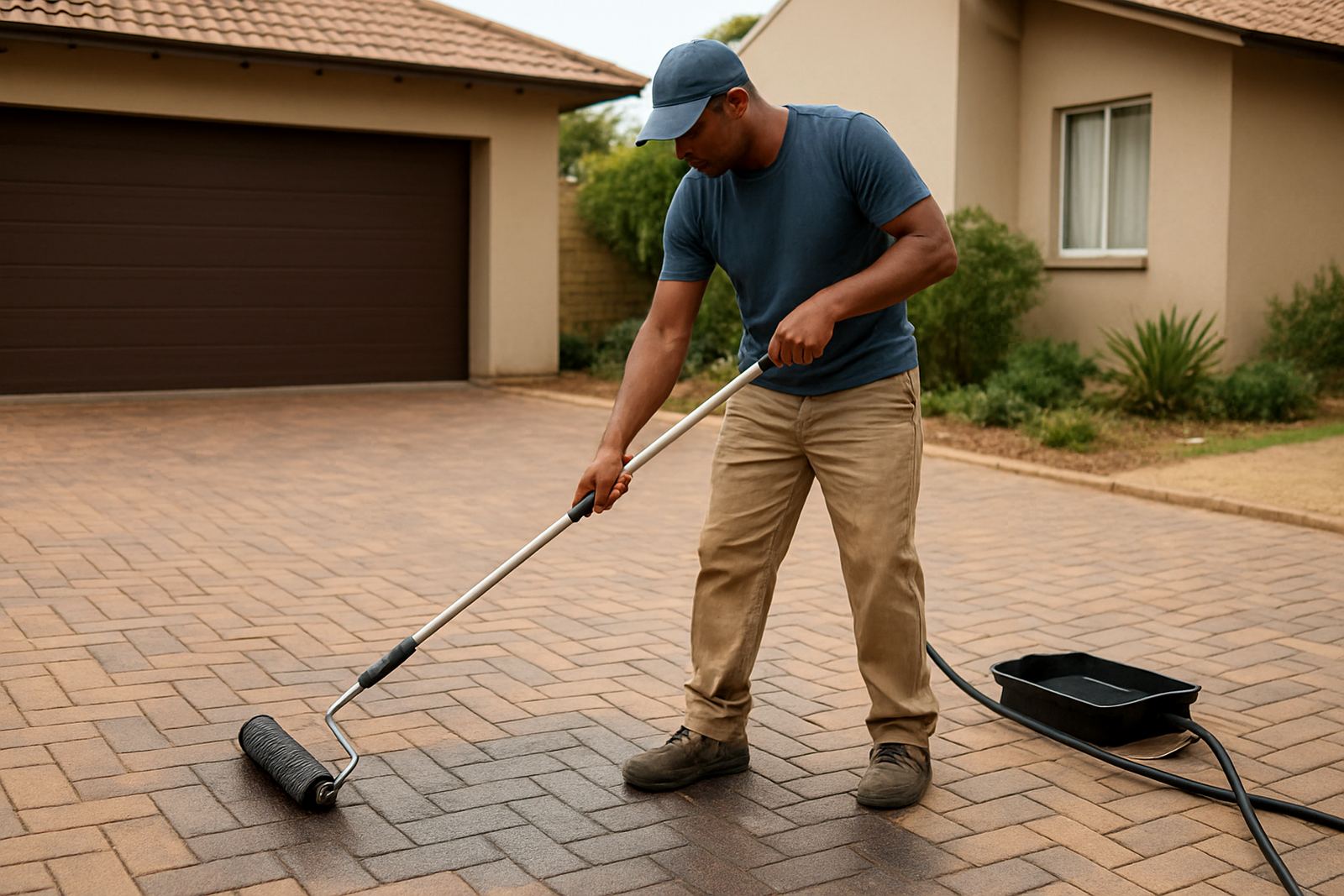
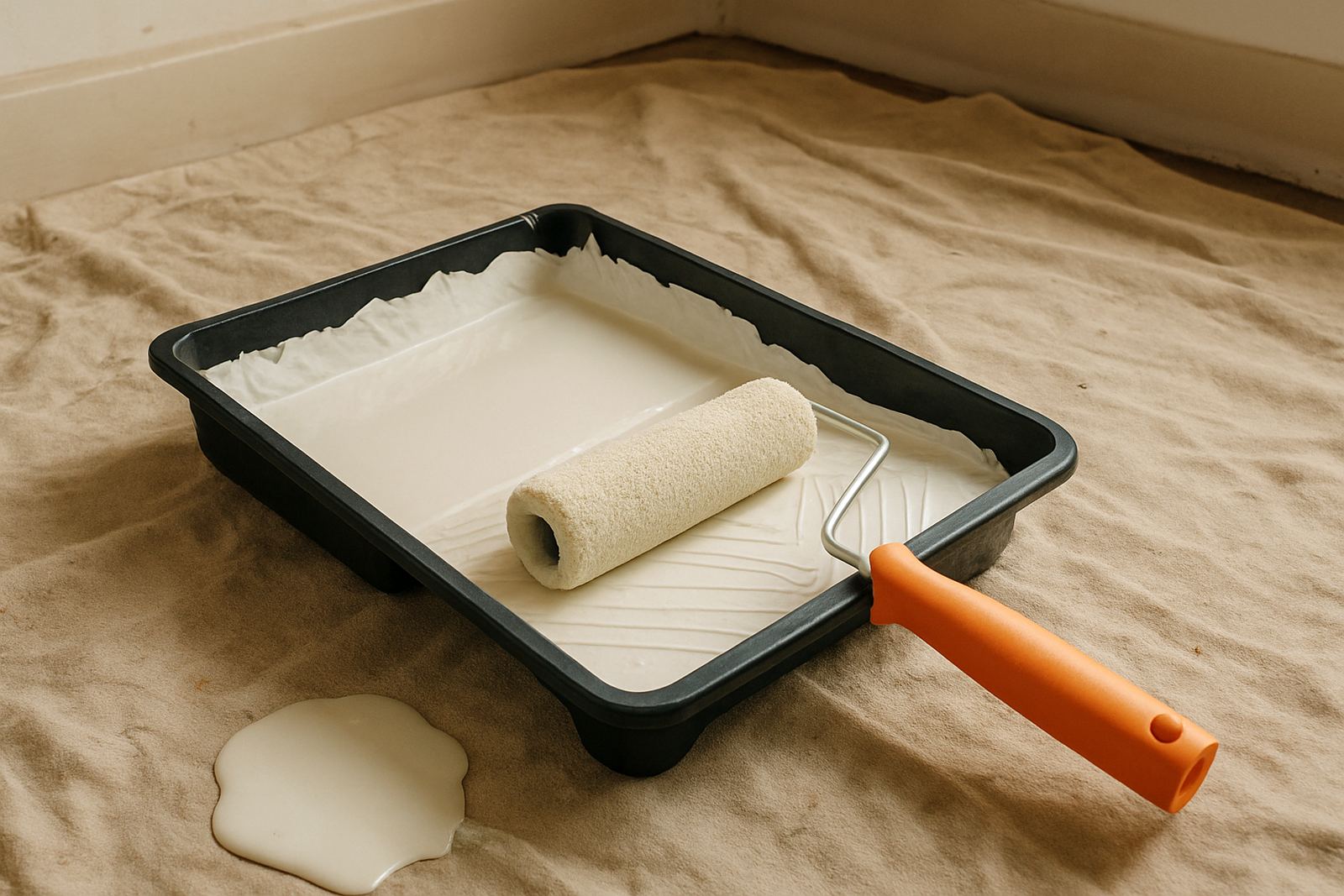
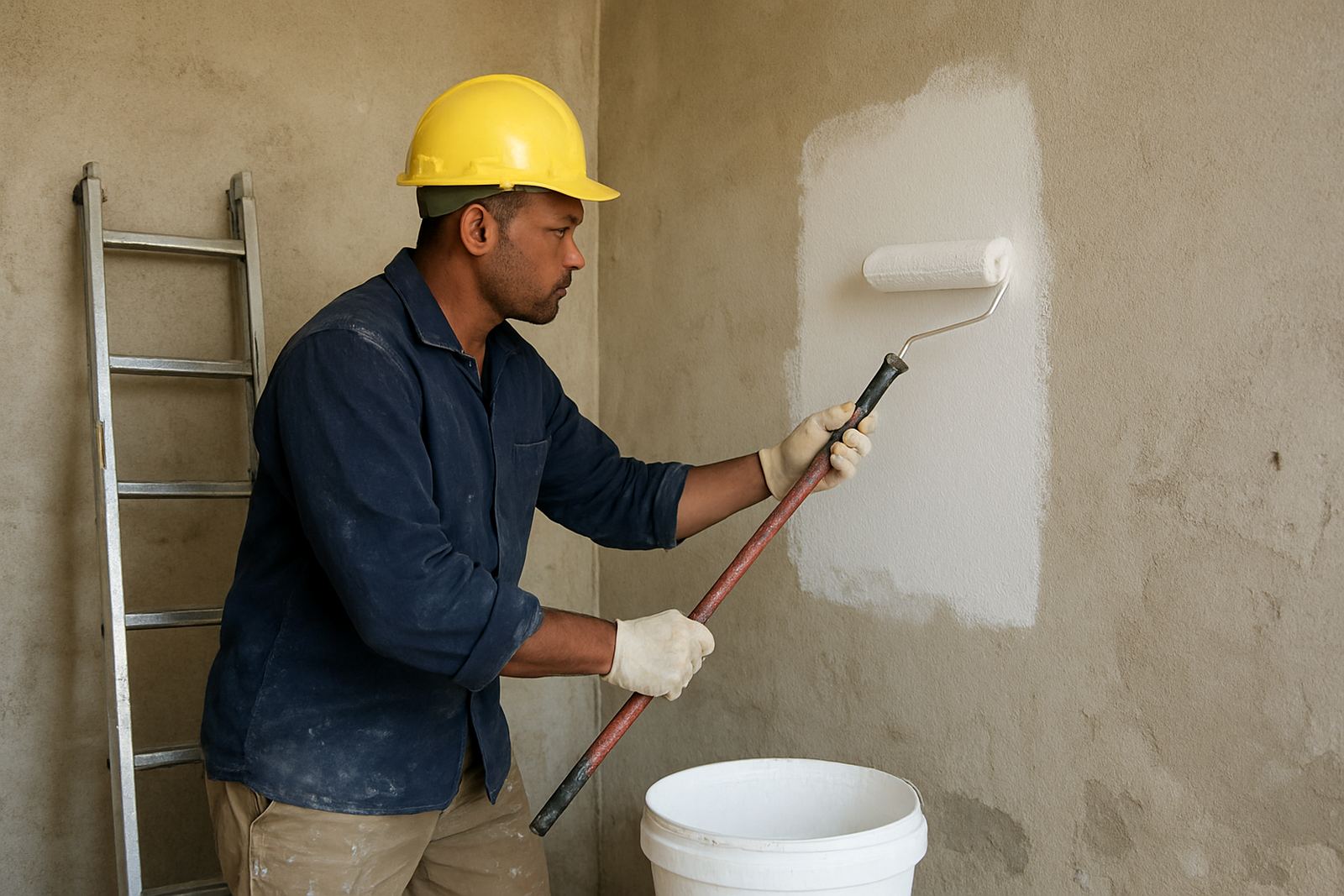
Stir the product well and apply it to the stained area using a brush or small roller, overlapping slightly past the visible mark. Let it dry fully before applying your chosen topcoat. On heavier stains, a second coat may be needed. Keep the room ventilated while working, especially in closed spaces with poor air movement.
- Prepare a clean, dry and sound surface
- Apply only to the affected area or the full wall section if needed
- Allow proper drying before the finish coat
- Use with matching filler, primer or topcoat where required
Power, gas and site needs
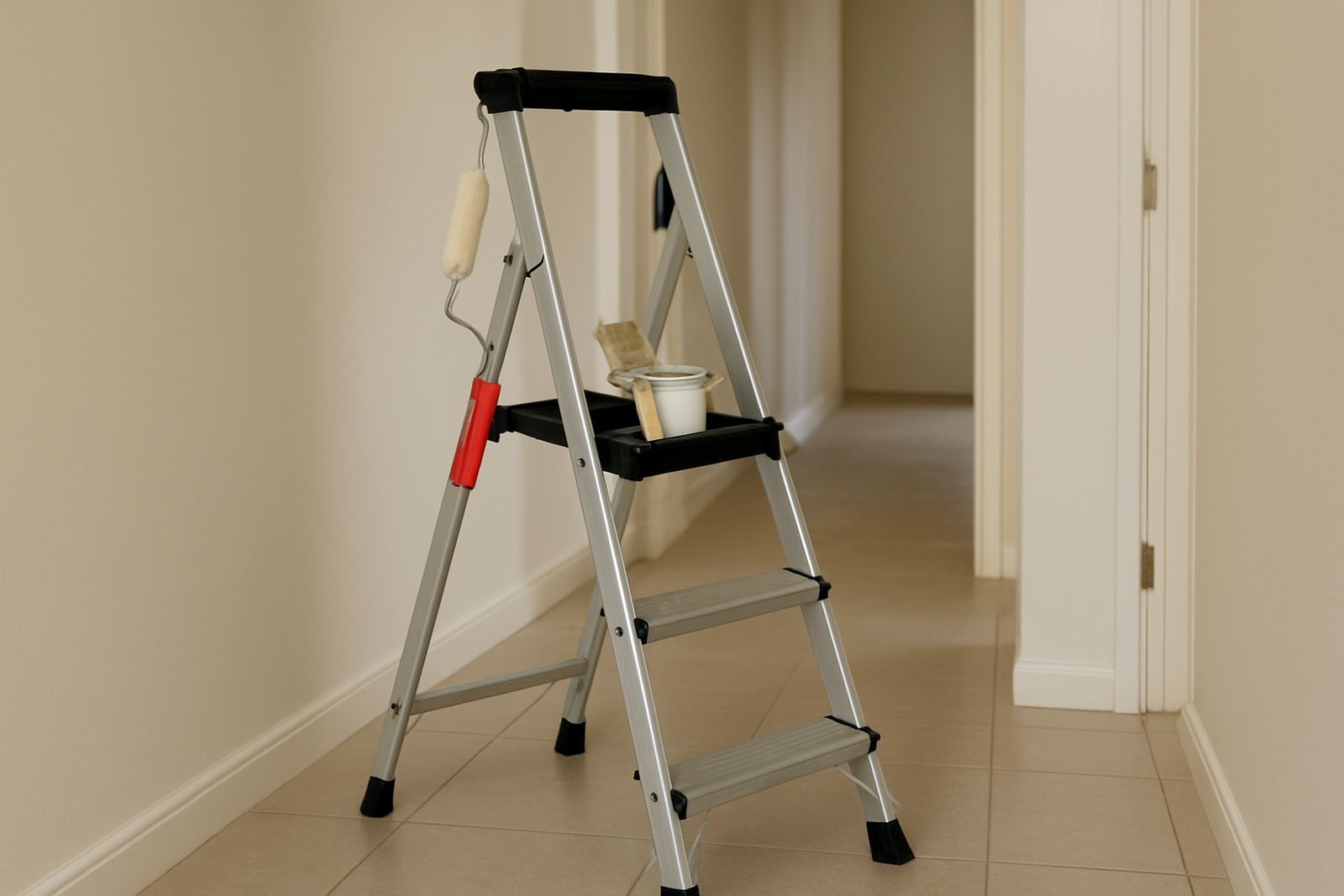
Damp Seal does not need power or gas to perform, which makes it useful during load-shedding and on sites where equipment is limited. You only need normal hand tools such as a scraper, sanding block, brush or mini roller, masking tape and protective sheeting. If you are working in a small flat or occupied business space, that simplicity helps keep disruption down.
Good ventilation is still important. Open windows where possible and avoid painting in very cold, wet or poorly aired rooms. In coastal areas like Gqeberha, allow for extra drying time when the air is humid. On a site with active tenants or staff, plan the work in sections so people can keep moving around the area safely.
Storage, application prep and what to confirm before ordering damp seal
Once opened, keep the container tightly closed and store it in a cool, dry place away from direct sun and frost. Do not leave product in a hot vehicle or on a damp floor. If it thickens or skins over, do not thin it unless the instructions for that pack allow it. Clean tools straight after use so the finish does not harden on brushes and rollers.
Before you order, check the type of stain, the size of the area and whether the moisture source has been fixed. It also helps to note the wall surface, because plaster, skimmed surfaces and previously painted walls may need slightly different prep. If you are ordering for a contractor account or a bulk repaint, confirm the quantity, colour of the topcoat and whether you need other prep products in the same delivery.
- Confirm the stain is dry and no longer active
- Measure the affected area before buying
- Check the final paint system you plan to use
- Ask for trade support if the damage is widespread
Key facts
| Product type | Protective sealing coating for damp-stained interior walls |
|---|---|
| Main use | Isolates stains before repainting |
| Suitable surfaces | Sound plaster, masonry and previously painted interior walls |
| Application tools | Brush or small roller |
| Drying | Allow full drying before topcoat, time varies by site conditions |
| Site needs | No power or gas required; ventilation recommended |