

Start with the job size and the surface in front of you
Before you place an order, work from the actual area to be painted and not just a rough guess. Measure wall lengths and heights, then allow for doors, windows, patching and porus plaster that drinks more paint than expected. On a coastal job in Gqeberha or Cape Town, add a bit more for weathered surfaces and salt exposure. On hot interior work in Randburg or Sandton, factor in fast drying and shorter open time.
For trade ordering, it helps to break the job into clear parts: prep coats, first finish coat, second finish coat, and touch-up stock. That keeps you from overbuying one product and running short on another. If you are managing several units or a repaint programme, list each room or elevation separately so your quantities stay sensible.
- Measure all paintable surfaces in square metres
- Check the substrate: plaster, gypsum board, masonry, timber or metal
- Note repair areas, damp patches, chalking and hairline cracks
- Confirm the sheen level and finish required by the client
Use colour matching early, not after the first coat
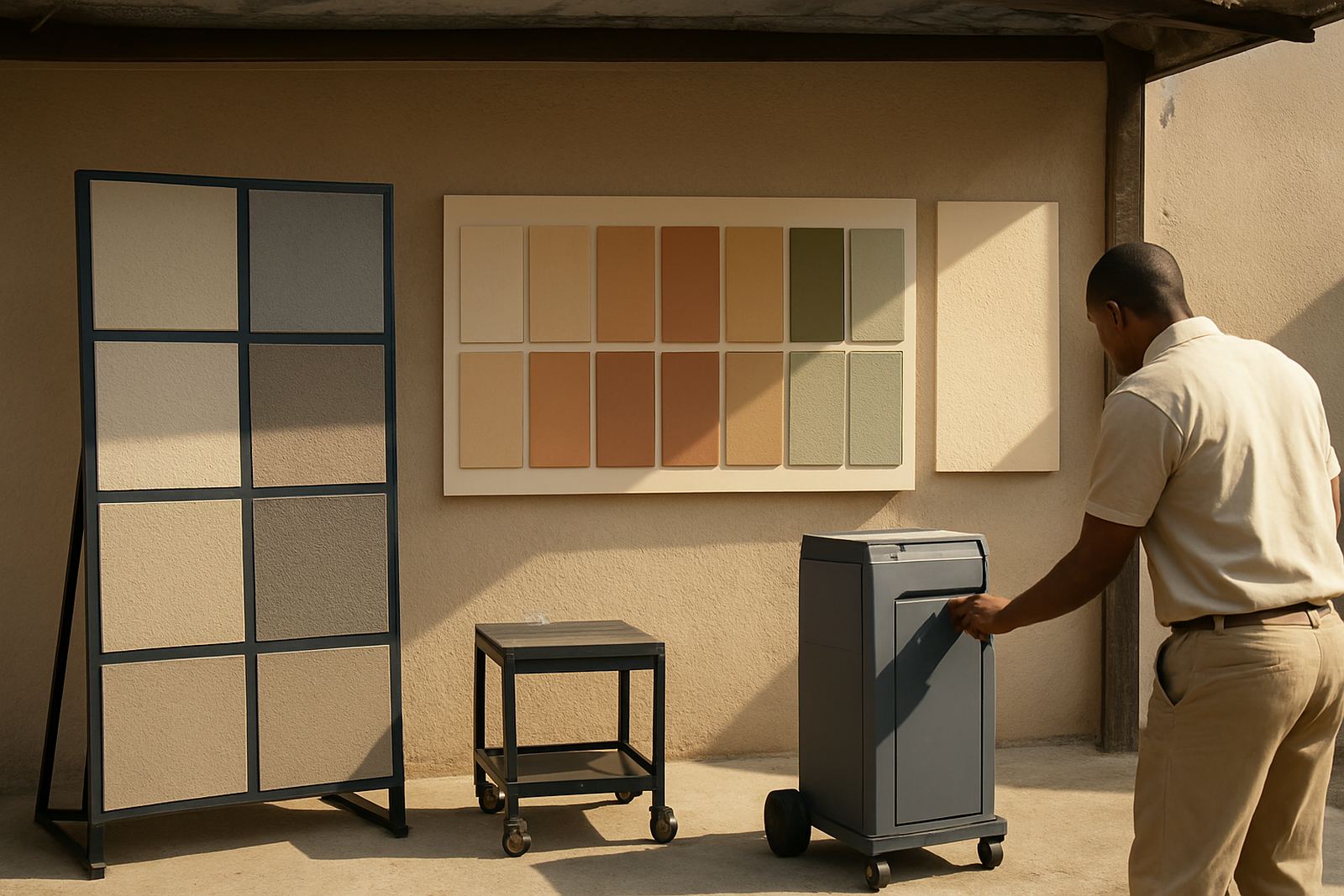
Colour matching should be part of the quoting stage, especially on repeat work where the client wants the same shade across several areas. Bring a physical sample whenever possible, even if it is a chipped swatch, door offcut or old painted piece. Screens are rarely accurate and lighting changes everything from one room to the next. Our colour matching service in Korsten helps contractors get closer to the right hue before the job starts, which cuts down on costly repainting later.
For patch repairs and repaint troubleshooting, the best result usually comes from checking the old coating, the current light source and the exact product line being used. A colour that looks right in a north-facing office in Bellville may read very different in a shaded passage in Walmer. If you need a test before the full order, sample pot mixing is the safest place to begin.
- Send or bring the original colour sample early
- Ask for a test before committing to full-volume tinting
- Keep notes on the mix code, sheen and batch used
- Store a small touch-up tin for each project
Plan stock so the job does not stop mid-way
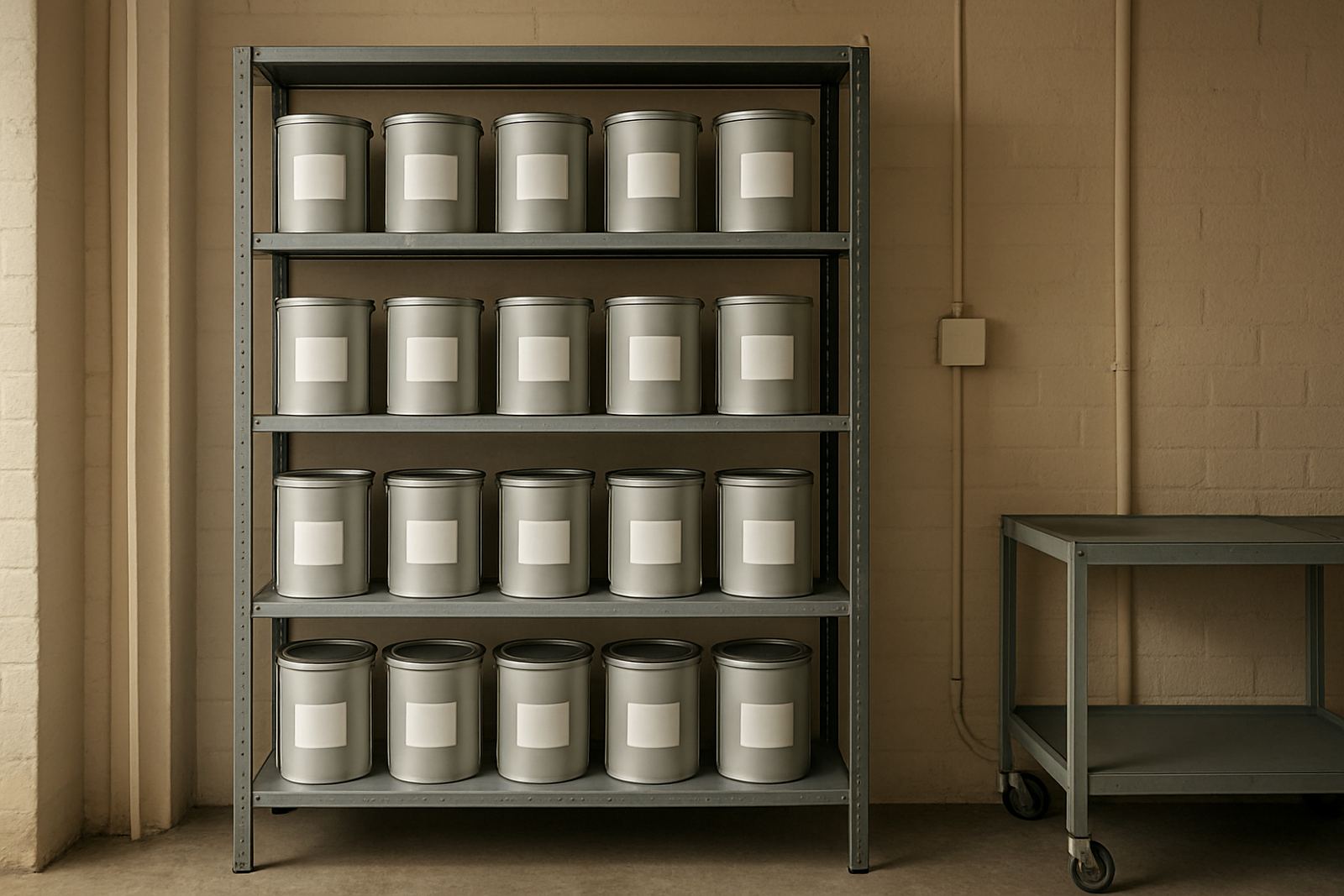
Trade buyers lose time when stock is mixed up between sites, so keep each order labelled by project, area and product type. If you run crews across Gqeberha, Walmer and Newton Park, or between Sandton and Randburg, it is worth assigning one person to track issue-out quantities and returns. Small controls like this reduce waste and make reordering simpler. A clean stock system also helps when a client changes a colour midway through a repaint.
Think in terms of coverage per coat, not just litres on the invoice. A 20 litre pail may cover a standard area once, but if the surface is rough or the colour shift is large, you could need more than expected. Keep a little extra on hand for edge work, making good and later touch-ups. It is cheaper than sending a team back for one missing tin and losing half a day.
- Label stock by site, room, floor or elevation
- Separate primer, undercoat and finish stock
- Keep touch-up paint in sealed, marked containers
- Record coverage so your next order is more accurate
Choose the right product for the surface and the weather
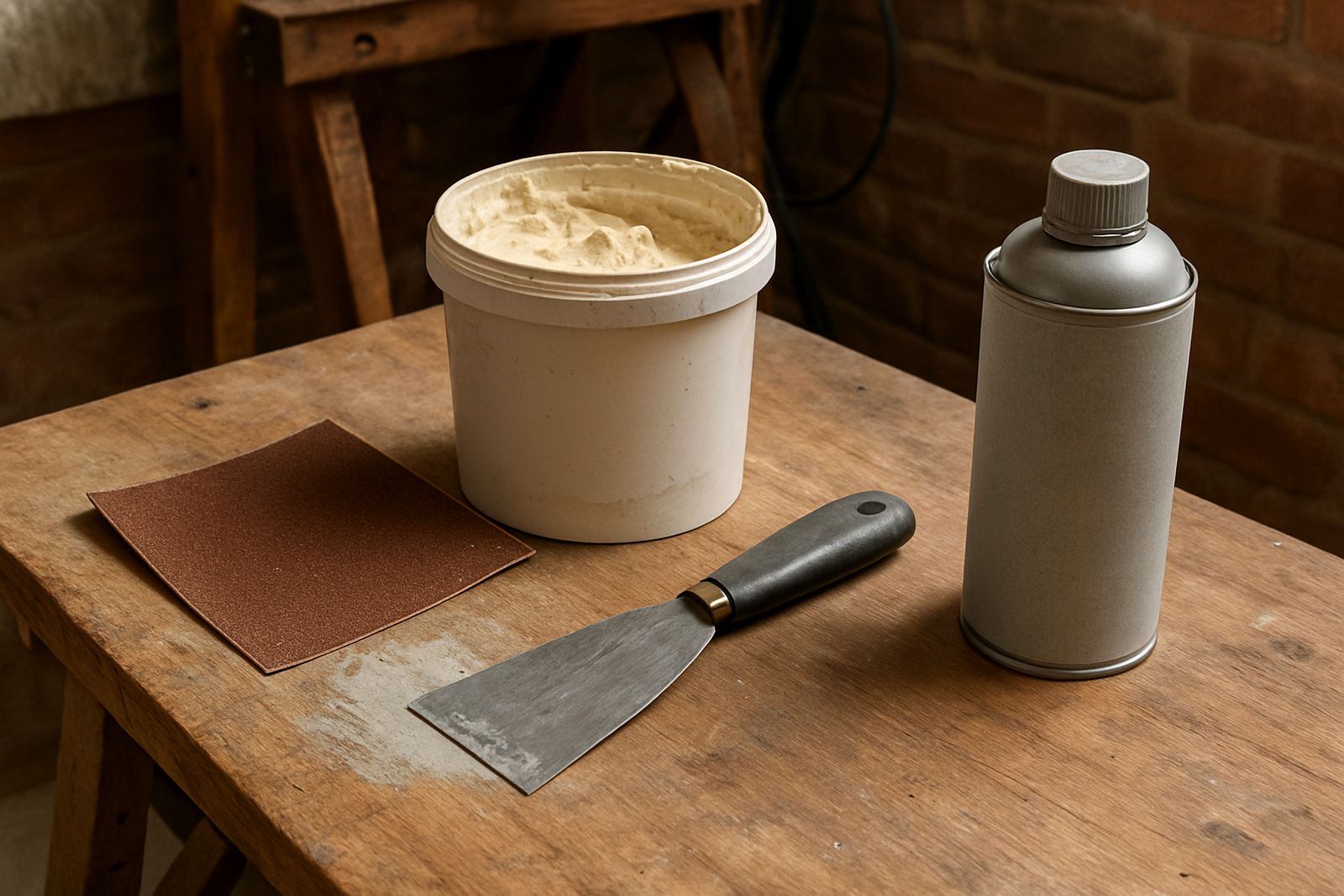
Not every wall or trim line needs the same coating. Interior rooms need washable finishes in family homes, while busy commercial spaces often need harder wearing paint that can take regular cleaning. Exterior work in coastal areas needs better resistance to humidity, wind and salt air. On metal, timber or high-traffic masonry, the prep advice matters just as much as the paint itself. A product that looks fine on paper can fail quickly if the surface was not prepared properly.
When you ask for product recommendations, give as much detail as you can: old coating condition, expected traffic, cleaning routine and whether the building is occupied during the repaint. That helps us suggest the correct system, whether it is for a rental unit, school, office, shopfront or contractor handover. Proper prep often saves more money than trying to repair poor coating later, and that is where many jobs lose margin.
For load-shedding prone sites, also think about working windows. Some coatings need specific temperature and drying conditions, so timing the job around power cuts and morning dew can prevent rework.
Keep your contractors account and buying records in order
If you are buying regularly, clean paperwork makes the whole process quicker. Keep your contractor account details current, and make sure the person ordering knows the site contact, delivery address and approval process. When the painter on site and the person placing the order are not the same, mistakes happen fast. One wrong sheen or tint can hold up an entire team.
We also suggest keeping a simple record of what was ordered, what was actually used, and what came back unopened. That helps with future bulk quantity planning and gives you a better sense of which products move most often. If you supply several teams, a clear buying record can save you from over-ordering stock that sits for months.
- Keep client names and site addresses consistent
- Record colour names, batch numbers and litre sizes
- Note which products were returned, unused or short
- Review your last three jobs before placing the next order
A simple pre-order checklist for trade buyers
Use this checklist before you send an order through. It keeps the process practical and avoids back-and-forth when your crew is already on site. If a job has a tight handover date, this step is worth doing twice. A five minute check now can save a full day later.
For contractors working across Korsten, Walmer Service Area, Newton Park Area, Sandton, Randburg and Bellville, delivery timing matters as much as the product itself. Make sure the order is complete, the access details are right and someone is available to receive the stock. Nothing slows a site like a delivery that cannot be offloaded.
- Surface type and condition confirmed
- Area measured and coverage checked
- Colour sample supplied or approved
- Product type selected for inside or outside use
- Quantities approved for first coat, second coat and touch-ups
- Delivery point, contact person and receiving time confirmed
When to call for help before the job goes off track
If a repaint is showing stains, peeling, damp marks or strange colour shifts, ask for advice before the next coat goes on. The same applies when a client changes the colour choice after the quote, or when you need to match an old finish in a new section. Paint problems are easier to sort out early, and often the fix is in the prep rather than the finish coat. Our team can help with colour consultation, surface prep advice and repaint troubleshooting for trade work of all sizes.
For busy contractors, it is worth getting a second opinion when the order is large or the deadline is tight. That extra check can protect your margin, keep the crew moving and stop avoidable call-backs. If you need help with bulk order planning, custom tinting or a quick sample pot, it is better to ask before the truck leaves the yard. Simple, practical advice saves time on site and keeps the job moving.