
Start With the Wall Type and the Weather It Faces
Before you compare tins, look at what you are painting. Cement plaster, fibre-cement, masonry, previously painted walls and boundary walls all need slightly different treatment. In Gqeberha, Walmer and other coastal areas, salt in the air can shorten the life of a poor exterior coating. In Gauteng, strong sun and dust are often the bigger issue, while Cape Town properties may deal with damp, wind and winter rain. A paint that performs well in one area may not last as long in another if the prep is rushed.
Check whether the wall is powdery, chalking, cracked or holding moisture. If there are hairline cracks, peeling edges or patchy repairs, you will need to sort those first. Exterior paint cannot hide structural issues, and it will not hold if moisture is trapped behind it. Ask what primer or sealer suits the wall, then match the topcoat to that system.
- New plaster usually needs time to cure before painting
- Old painted walls may need sanding and spot priming
- Coastal homes often need extra attention to rust stains and salt build-up
- Small business premises may need a tougher washable finish on entrance walls
Compare Finish, Sheen and Cleanability
The finish you choose changes both the look and the maintenance. A low-sheen exterior finish can hide minor surface marks and give a softer result, while a higher sheen can be easier to wipe down on areas that get touched often. For shopfronts, passage walls, parapets and boundary walls, think about how much dirt and hand contact the surface gets. A neat finish is useful, but so is one that can handle a hose-down or a proper wash when needed.
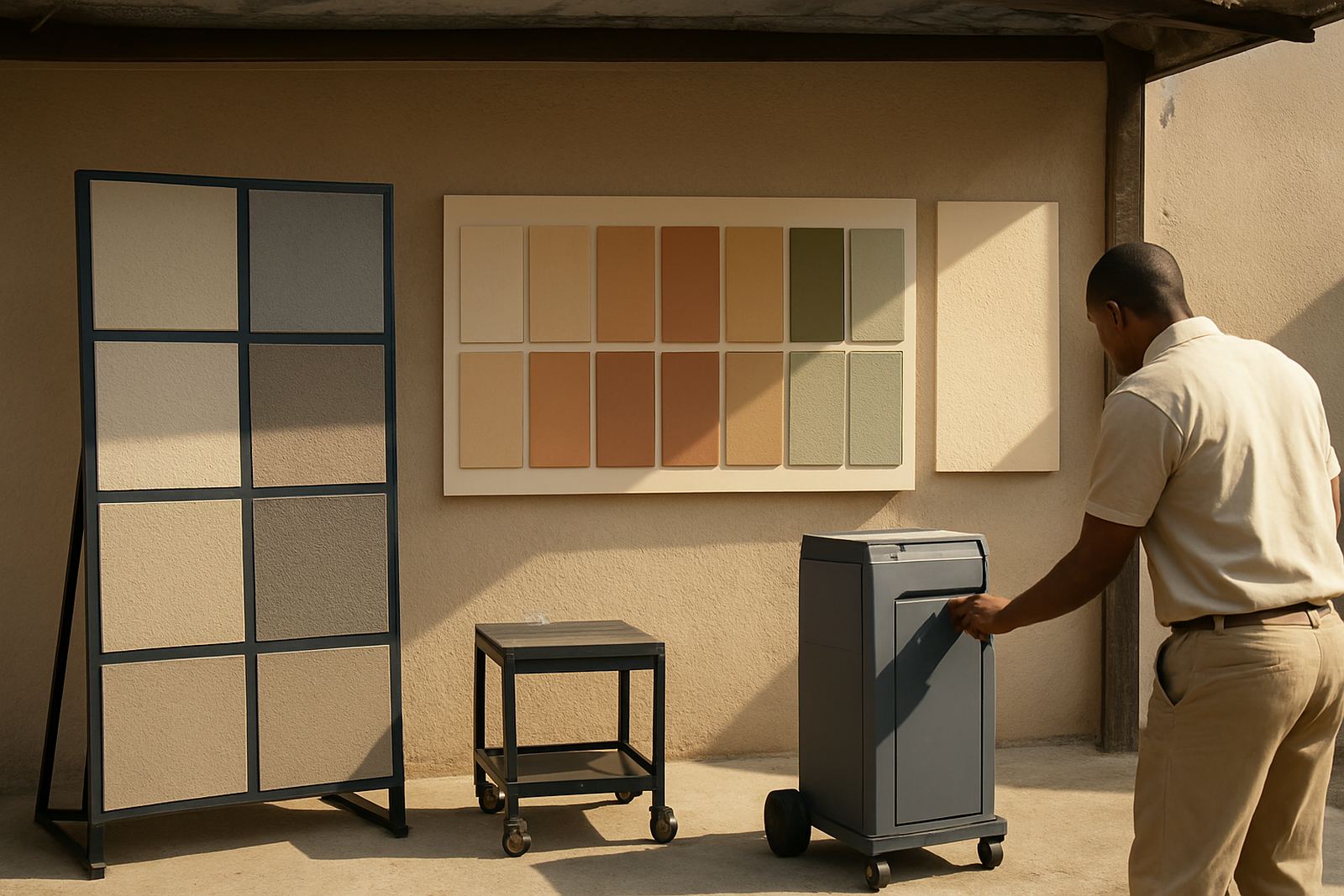
Do not buy on colour alone. Some deep shades fade quicker in direct sun, especially on west-facing walls. Light colours reflect heat better and often stay looking fresh for longer. If you are matching an existing colour, ask for a sample pot and test it on the actual wall. Check it in morning light and again in late afternoon, because exterior colour can shift a lot over the course of a day.
- Low sheen helps hide surface marks
- Mid sheen can make cleaning easier
- Very dark colours may show fade sooner on exposed walls
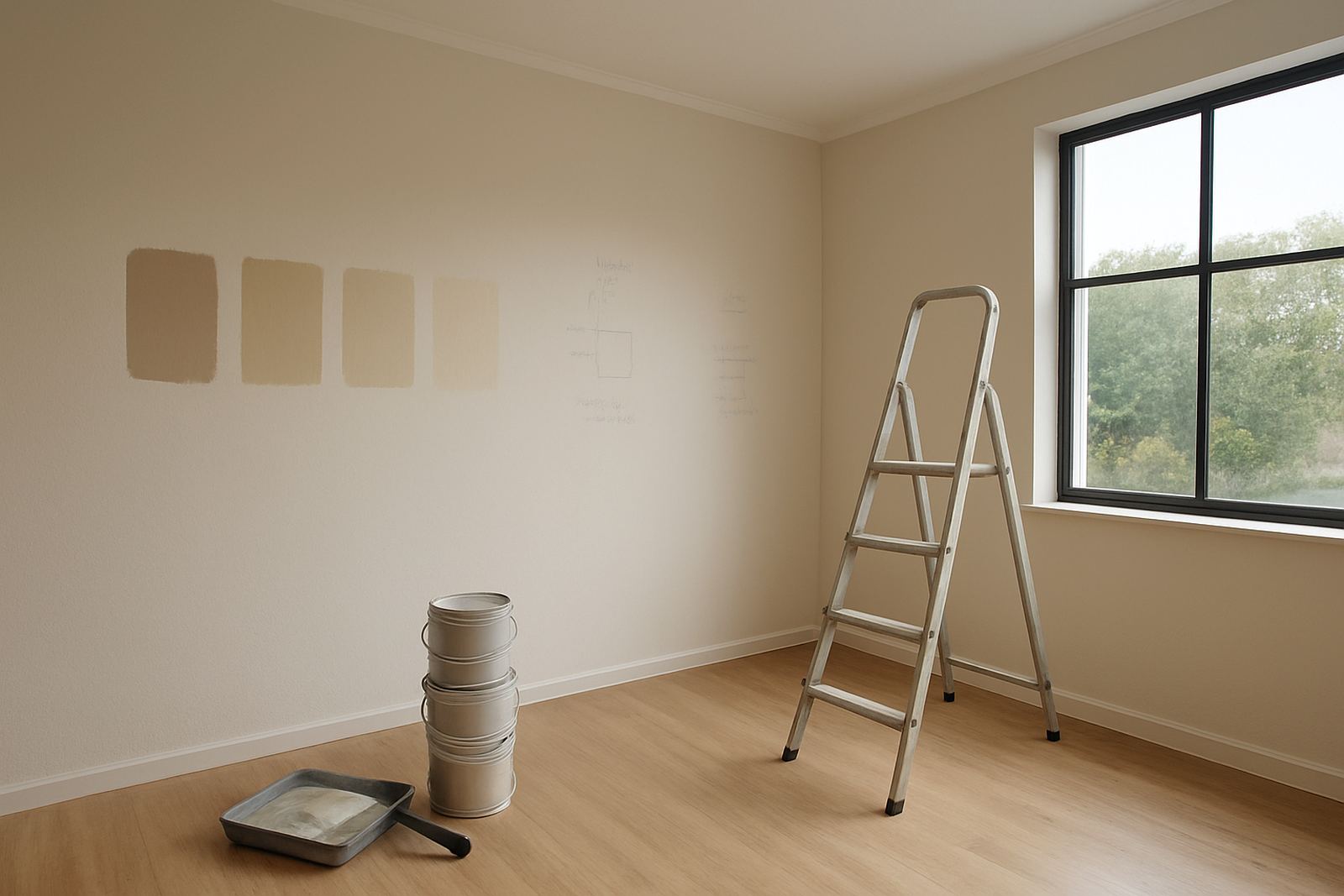
- Always test sample patches outdoors before buying the full order
Look at Coverage, Spreading Rate and Total Cost
Exterior paint is often compared by tin price, but that only tells part of the story. Check the coverage rate, usually given in square metres per litre, and compare that with your wall area. A cheaper paint that needs three coats can end up costing more than a better product that covers properly in two coats. If you are painting a small premises, a gate wall or several rooms opening to the outside, take time to estimate the full surface area first.
Ask whether the quoted coverage assumes one coat on primed plaster or two coats on a repaired wall. Porous surfaces drink paint fast, especially after rain or on fresh plaster. Keep a little extra on hand for touch-ups and cut-ins around corners, windows and vents. If you are buying for a contractor or a body corporate job, bulk quantity planning helps avoid half finished colour batches.
- Measure each wall before you shop
- Allow for waste, touch-ups and patch repairs
- Compare the cost per square metre, not only the tin price
- Keep the same batch where possible for colour consistency
Ask About Prep Products and Repair Support
Good exterior results begin with prep. The best paint in the world will fail if the wall is dirty, dusty or damp. Surface prep advice should include cleaning, crack filling, sanding, sealing and rust treatment where needed. If you are painting around steel lintels, balustrades or garden gates, check that the system includes a suitable anti-corrosion primer before the finishing coats go on.
For homes with old flaking paint, repaint troubleshooting matters. You need to know whether the old coating is sound enough to overcoat, or whether it must be stripped back. On the coast, efflorescence and salt contamination can cause recurring peeling if they are not dealt with early. A proper assessment saves time, and it saves money too because you avoid repainting the same wall too soon.
- Wash off dirt, dust and mould before painting
- Repair cracks and gaps with the correct filler
- Seal bare patches before topcoating
- Check metal work for rust before you order paint
Plan for South African Conditions and Power Cuts
Exterior painting is easier when the weather gives you a few dry days in a row. Check the forecast, but also think about drying time between coats and after rain. In humid coastal weather, paint may take longer to cure. In very hot inland conditions, the surface can dry too fast and leave lap marks if you work in full sun. If load shedding affects your site, plan around tools, lighting and access so you are not standing with open paint and no way to finish the job neatly.
For small businesses, timing also matters. If customers or tenants use the property daily, choose a product that allows practical downtime. Keep pathways clear and avoid painting too close to gates, security sensors or electrical fittings without proper masking. Good planning reduces call-backs and keeps the site looking tidy while work is in progress.
Checklist before you start:
- Check weather and drying time for at least 48 hours ahead
- Confirm where power is needed for prep tools or lighting
- Schedule around deliveries, trading hours or school runs
- Keep masking tape, drop sheets and cleaning cloths ready
What to Ask at the Counter Before You Buy
When you speak to a paint supplier, ask direct questions so you leave with the right product and enough of it. A proper colour consultation should include the existing wall condition, exposure to weather, the sheen you want and whether the area is residential or light commercial. If you need a contractor account, ask about trade order support and whether they can help you stage the purchase over more than one delivery.
For customers in Korsten, Walmer, Newton Park, Sandton, Randburg or Bellville, local conditions differ, so it helps to mention the exact surface and location. A north-facing wall in Joburg is not the same as a seaside wall in Gqeberha. Keep photos of the wall, old paint chips and rough measurements with you. That makes colour-matching and product recommendations quicker and more accurate, especially if you need custom tinting or sample pot mixing first.
- What primer do I need for this wall?
- How many litres for this area, including waste?
- Will this finish clean easily after dust or rain marks?
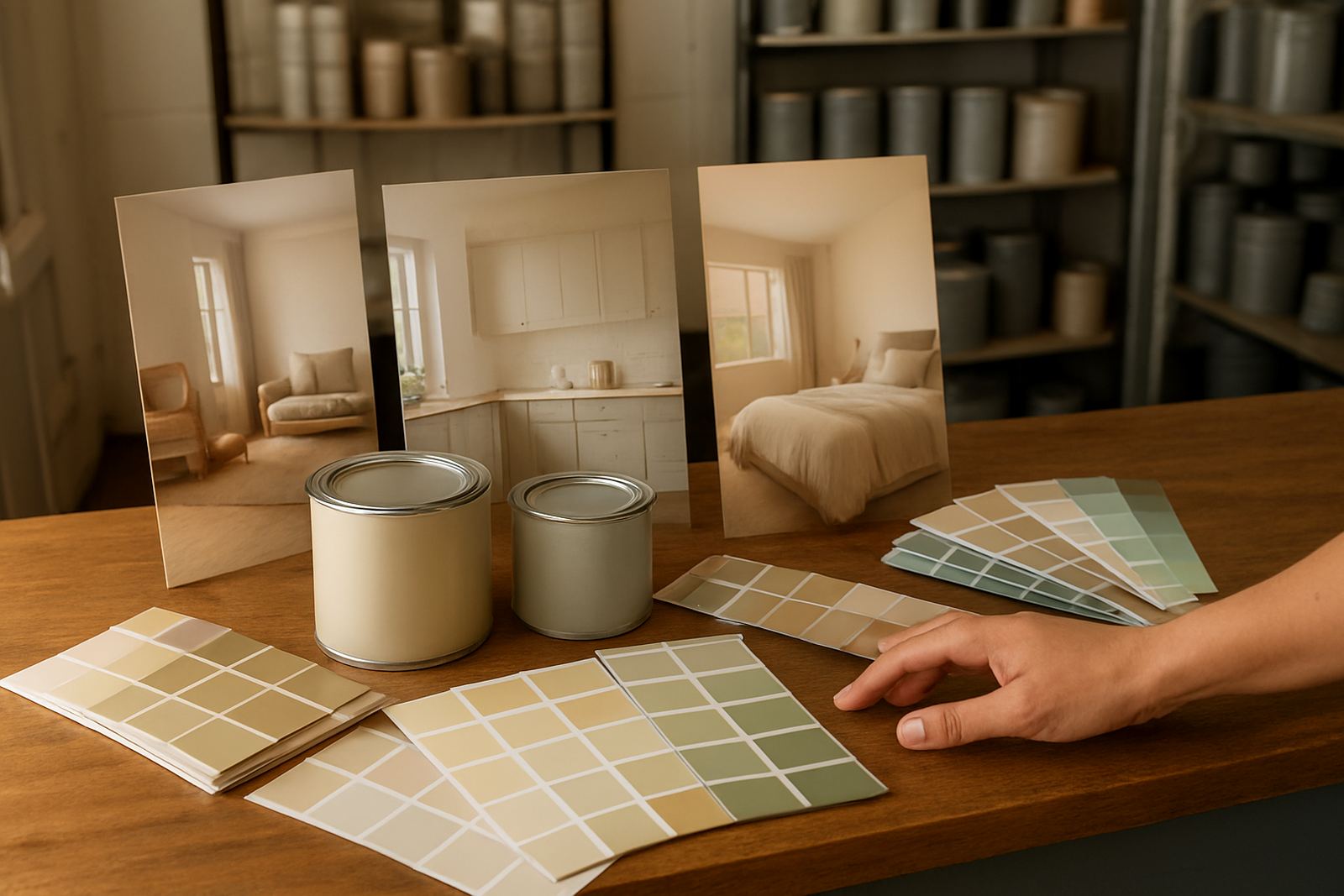
- Can I get a sample pot before I place the full order?
Simple Exterior Paint Buying Checklist
Use this quick checklist before you spend your money. It keeps the job practical and stops you from overbuying the wrong product. If you are repainting a home, rental unit or a small office exterior, the cheapest option is rarely the best once labour and repeat work are counted.
- Measure the area to be painted
- Check wall condition, damp and cracking
- Choose the right primer or sealer
- Compare finish, washability and fade resistance
- Test the colour outdoors in real light
- Work out total litres needed, not only tin price
- Allow extra for repairs and future touch-ups
Buying exterior paint well means asking the right questions before the first coat goes on. If you get the surface prep, product type and quantity right, the finish will look better for longer and you wont be back at the wall too soon.