
Start with the room, not the colour card
Every room takes a different level of wear. A spare bedroom in Newton Park may only need a simple washable finish, while a hallway, kids room or busy office in Korsten will need paint that can handle regular cleaning and scuff marks. Kitchens and bathrooms also need better resistance to moisture, steam and daily wipe-downs, especially in coastal Gqeberha where humidity can hang around for days.
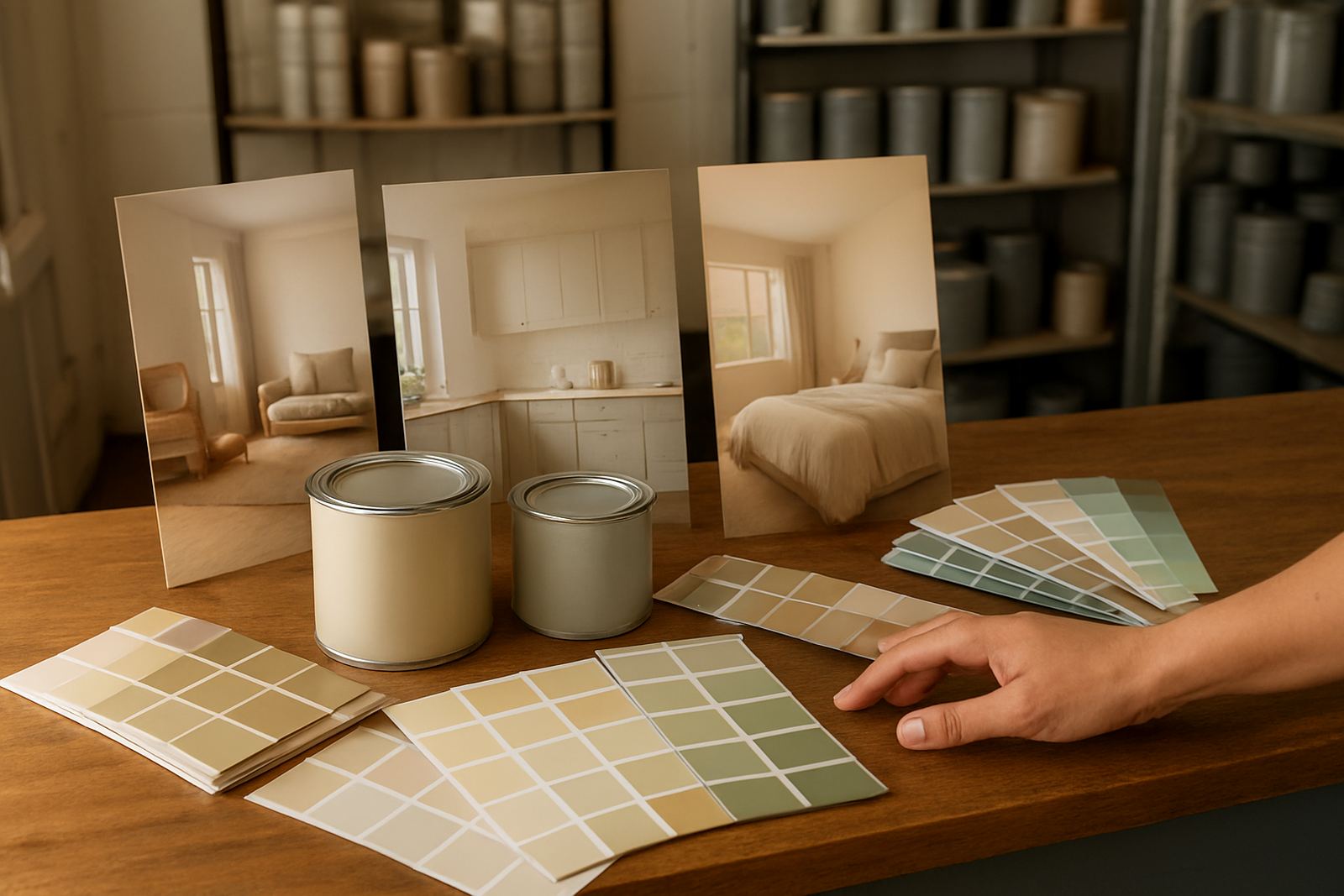
Before you buy, ask how the room is used, how much light it gets and what is already on the walls. A north-facing room usually shows colour brighter, while a darker room may need a lighter tone to avoid feeling flat. If you are repainting over a strong colour, chipped plaster or an old porous surface, the paint system matters as much as the colour itself.
Choose the finish for the job
Paint finish affects both appearance and cleaning. A flat finish hides small flaws better, but it is less forgiving if the wall gets touched often. Sheen levels reflect more light and are easier to wipe, which makes them useful in kitchens, passageways and family spaces. If the wall is not smooth, too much sheen can show every patch and sanding mark, so surface prep must be right.
- Flat or matt: best for ceilings and low-traffic walls
- Low sheen: useful for living rooms, bedrooms and most general interior walls
- Satin or higher sheen: better for trim, doors and areas that need frequent wiping
- Special moisture-resistant finishes: suitable for bathrooms and laundry rooms
A common mistake is choosing a finish based only on looks. If the room gets sticky fingerprints, pet marks or schoolbags rubbing along the wall, a more washable product is usually the safer buy.
Match the paint to the surface condition
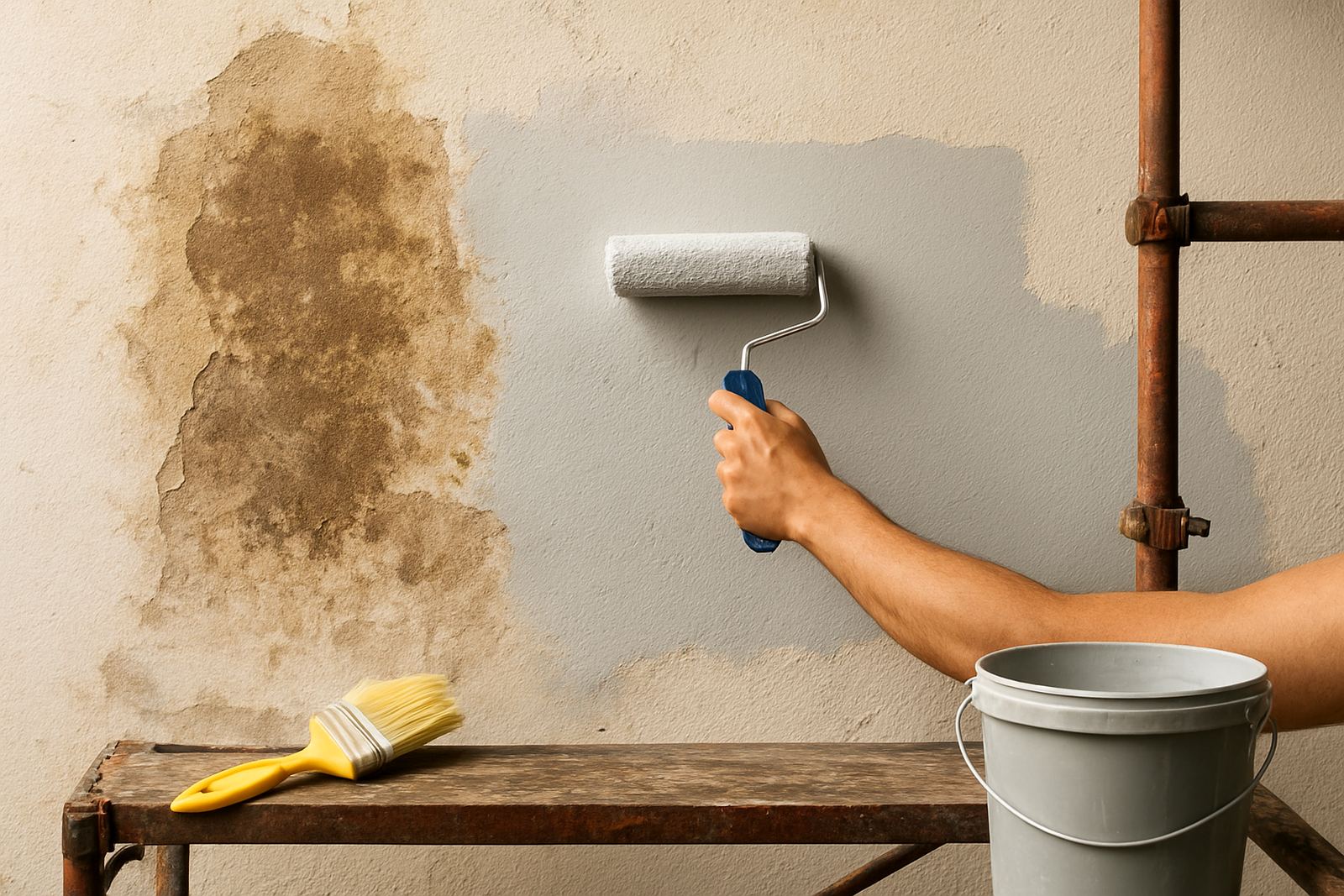
A good paint cannot hide bad preparation. If the plaster is dusty, flaky or uneven, the new coat will only look as good as the layer underneath. In older homes around Walmer or older flats near the city, you may find hairline cracks, repaired patches or areas where previous paint is lifting. Those spots should be sorted before the top coat goes on.
- Check for chalky powder by rubbing the wall with your hand
- Look for damp marks, especially near bathrooms, exterior walls and windows
- Scrape away loose paint and sand sharp edges smooth
- Fill dents and cracks, then prime patched areas
- For stained walls, use the correct sealer before topcoating
If you are not sure what is on the wall already, test a small area first. Different old coatings can react badly to new products, so a bit of checking can prevent peeling later.
How to plan coverage, coats and quantity
Buying too little paint slows the job and can leave you with a shade mismatch if the batch changes. Buying too much ties up money and storage space. A proper estimate starts with wall size, surface porosity and the chosen finish. Newly plastered walls and repaired surfaces usually drink more paint than a previously painted wall in fair condition.
For interior projects in Sandton, Bellville or Gqeberha, it helps to measure the room before you shop. Work out the wall area, subtract large windows and doors, then allow extra for a second coat and touch-ups. Sample pots are useful for testing on the actual wall in morning and afternoon light, not just under shop lighting. One litre may cover a surprising area on paper but on rough plaster it goes quick.
Interior paint checklist before you buy
Use this quick check before placing your order, especially if you are handling a full home repaint or a trade job with deadlines.
- Room use: bedroom, passage, kitchen, bathroom or office
- Surface type: plaster, drywall, previously painted wall or ceiling
- Condition: sound, cracked, dusty, stained or damp
- Finish: matt, low sheen, satin or higher sheen
- Colour plan: one room, whole house or feature wall
- Quantity: enough for two coats plus touch-ups
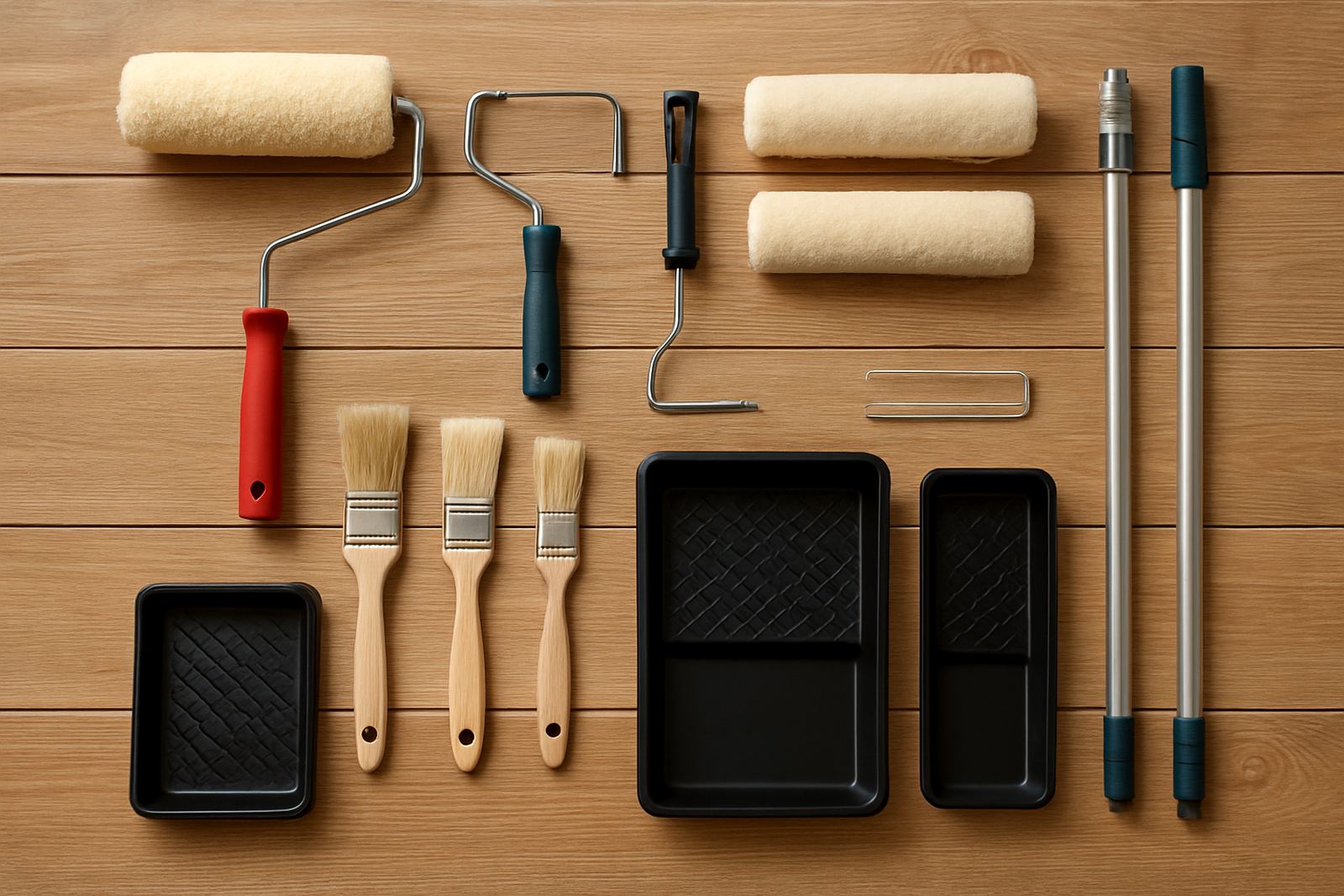
- Tools: rollers, trays, tape, fillers, sanding sheets and brushes
If you are repainting tenant turnover units, body corporate properties or contractor sites, keep a record of the colour reference and finish used. That saves time when a patch repair is needed later.
When to ask for colour matching and product advice
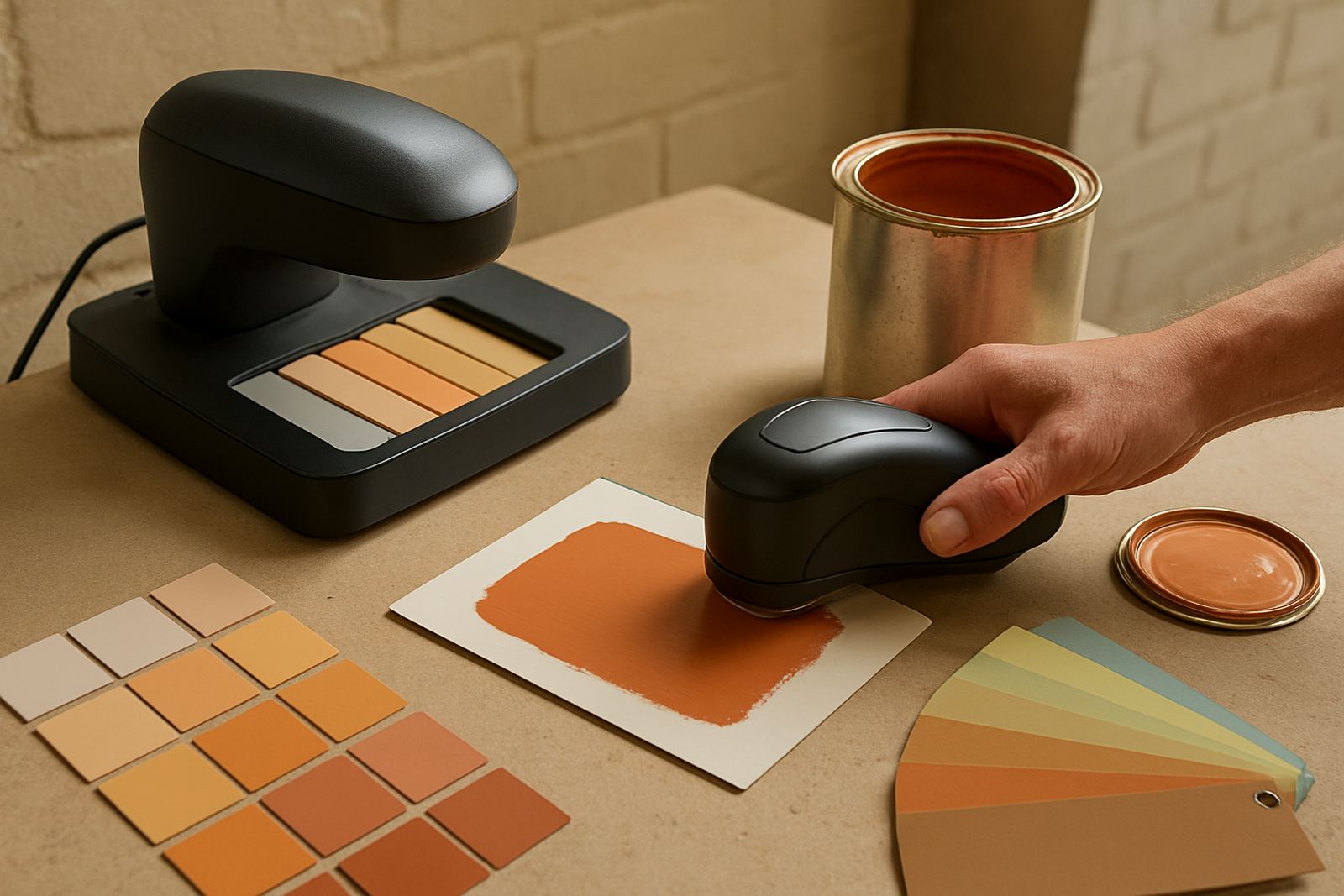
Sometimes the hard part is not choosing a white or a grey, but getting the exact shade to match an existing wall, cabinet or trim. Colour matching is useful when you are extending a room, fixing a single wall or trying to keep a whole property consistent. Sample pot mixing can help you check a colour before you commit to full buckets.
If you are unsure, ask for advice on surface prep, stain blocking, repaint trouble spots and product compatibility. That is especially helpful for landlords, painters and contractors working to a tight schedule. In load-shedding periods, it also pays to plan your painting around light and drying time so you do not end up stopping mid coat.
For help with colour matching, custom tinting, trade order support or bulk planning in Korsten, Walmer, Newton Park, Sandton, Randburg or Bellville, use our contact form.