
Choose Paint That Makes Maintenance Easier
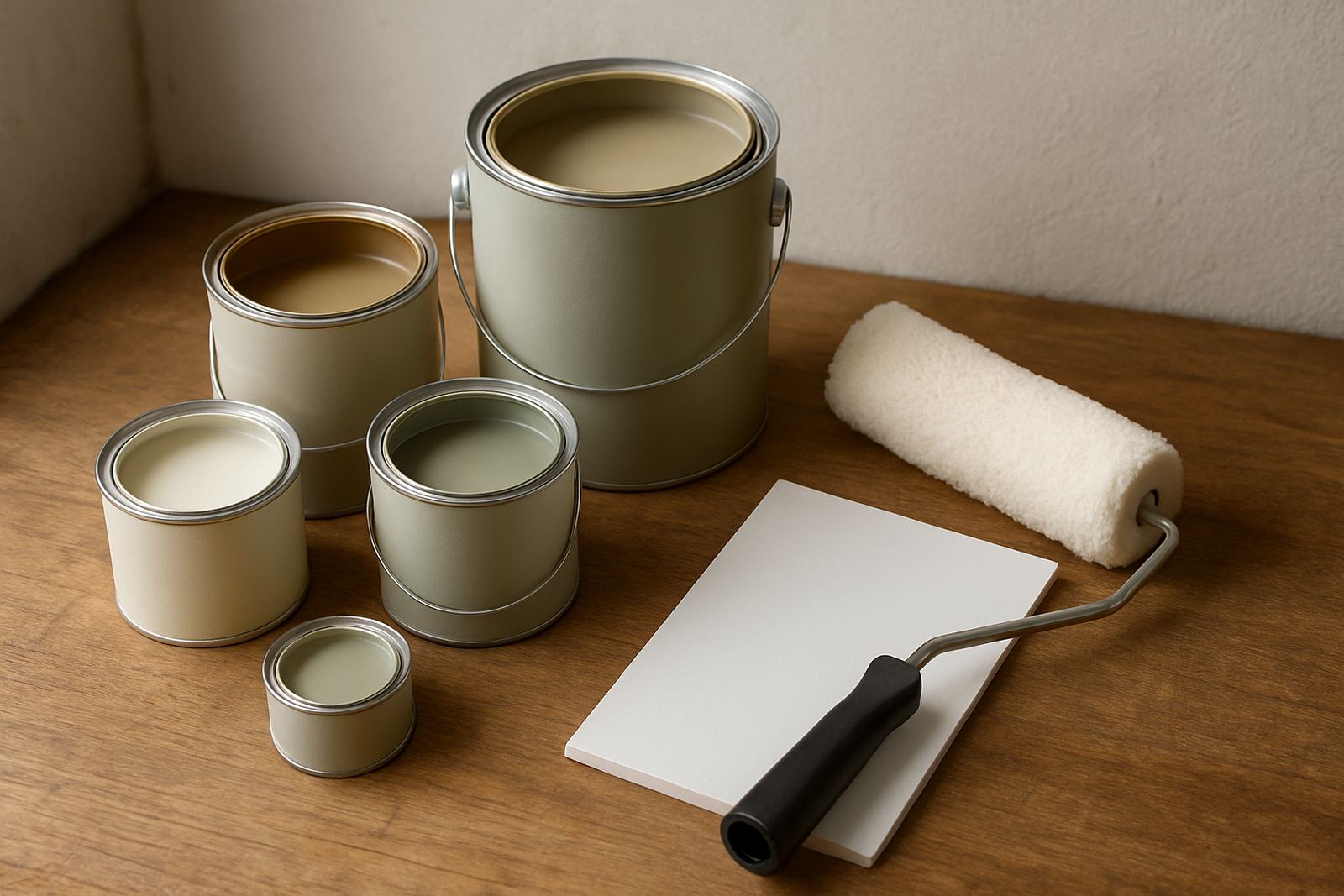
For rentals, the best finish is usually one that can be cleaned without looking shiny and cheap. Interior walls in living rooms and bedrooms often do well with a washable matt or low-sheen finish. Kitchens, bathrooms and busy passages may need something tougher that handles wiping and repeated cleaning. If the unit is a contractor rental, a student place or a family home, durability matters more than chasing the lowest sticker price.
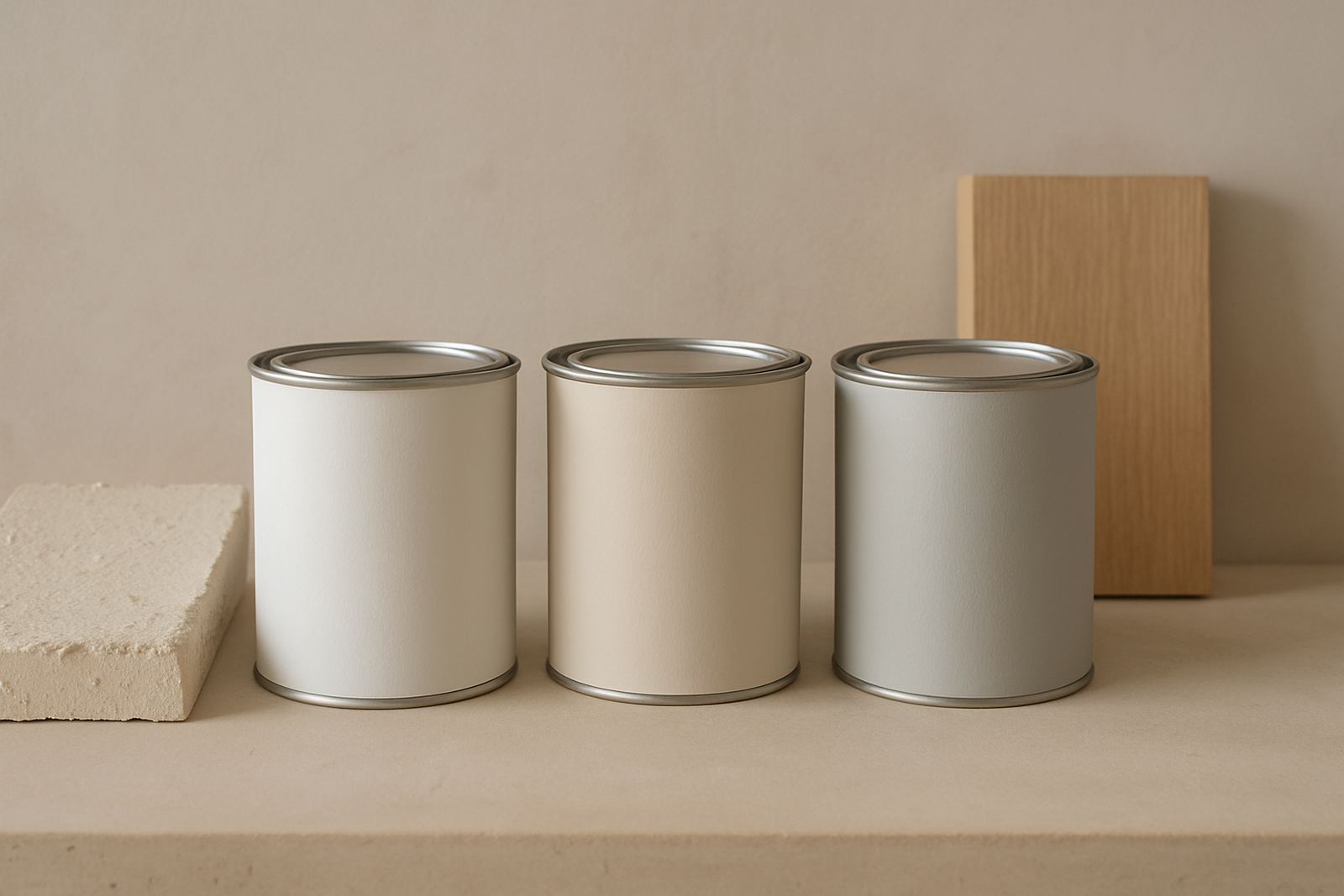
Light neutral colours stay popular because they help a unit look brighter and make it easier for the next tenant to imagine their own furniture in the space. Whites, soft greys and warm off-whites also help cover future touch-ups. Dark colours can look good but often show roller marks and patch repairs more clearly, especially under strong South African sunlight. In humid coastal air, paint quality matters even more because poor paint can blister or stain sooner.
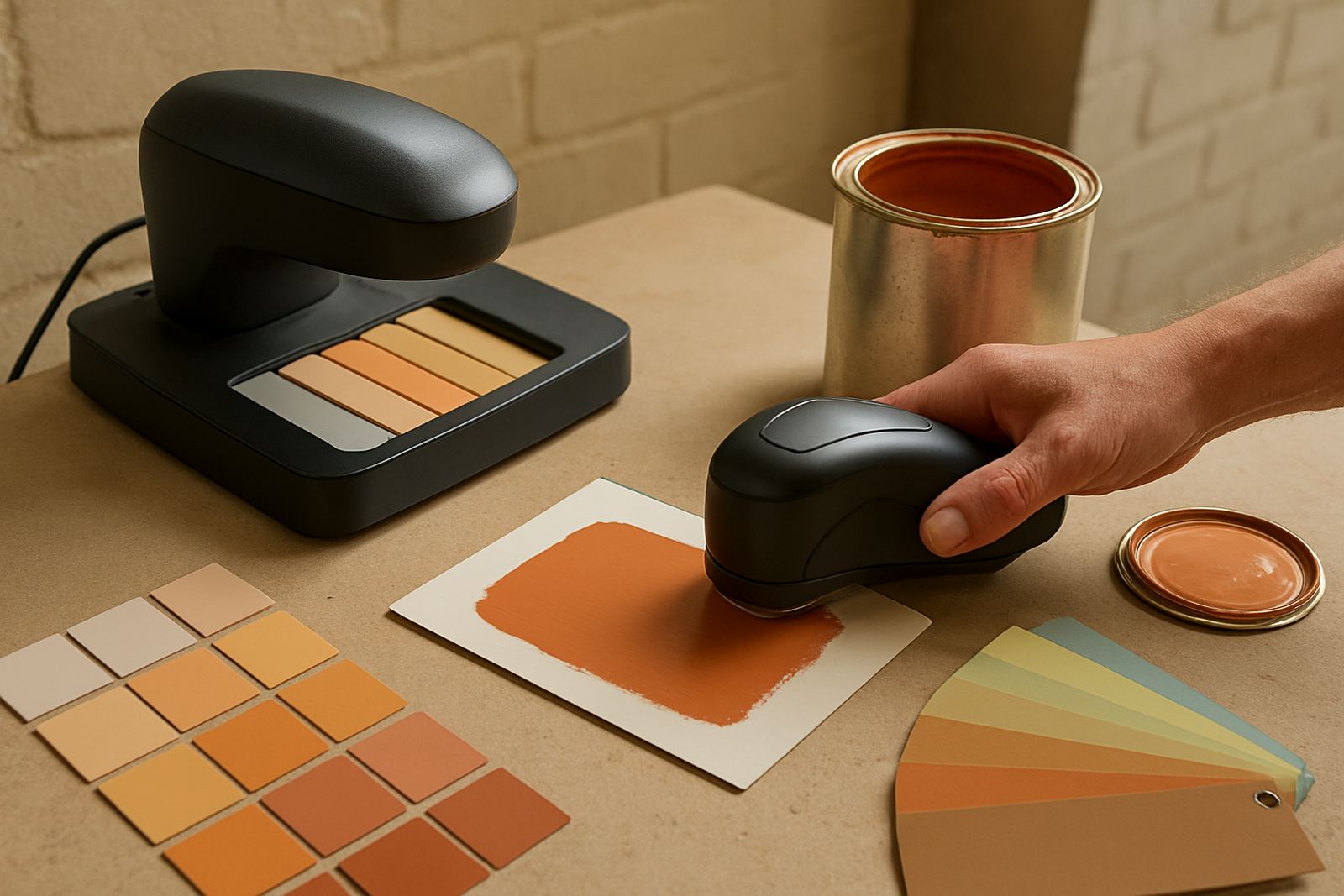
If you are repainting several units, keep one colour schedule and record the exact shade and finish. That makes future work cheaper and faster. The old paint on the wall might look close, but small changes in tint can become obvious once the room dries, so have a sample checked before committing.
Plan Around Tenants, Access and Weather
Rental repainting is easier when the move-out, inspection and repair dates are clear. If a tenant is leaving in Walmer or Sandton, try to inspect the unit as soon as possible so you can order materials and book labour without delay. The more time between handover and repainting, the greater the chance of extra dirt, damage or missed access dates.
For occupied units, keep the work area contained and communicate which rooms will be done first. In apartment blocks, check body corporate rules for work hours, noise limits and common area protection. For exterior jobs, avoid painting in strong wind or when rain is expected within the drying period. In hot weather, some products flash off too quickly and leave lap marks, so start earlier in the day and work in smaller sections.
Where tenants or contractors are still on site, label rooms and tins clearly. It sounds simple, but it avoids mix-ups when different shades or finishes are used through the same property. Good organisation also helps if you need to do a quick repaint before a new viewing.
Do a Final Walk-Through Before Handover
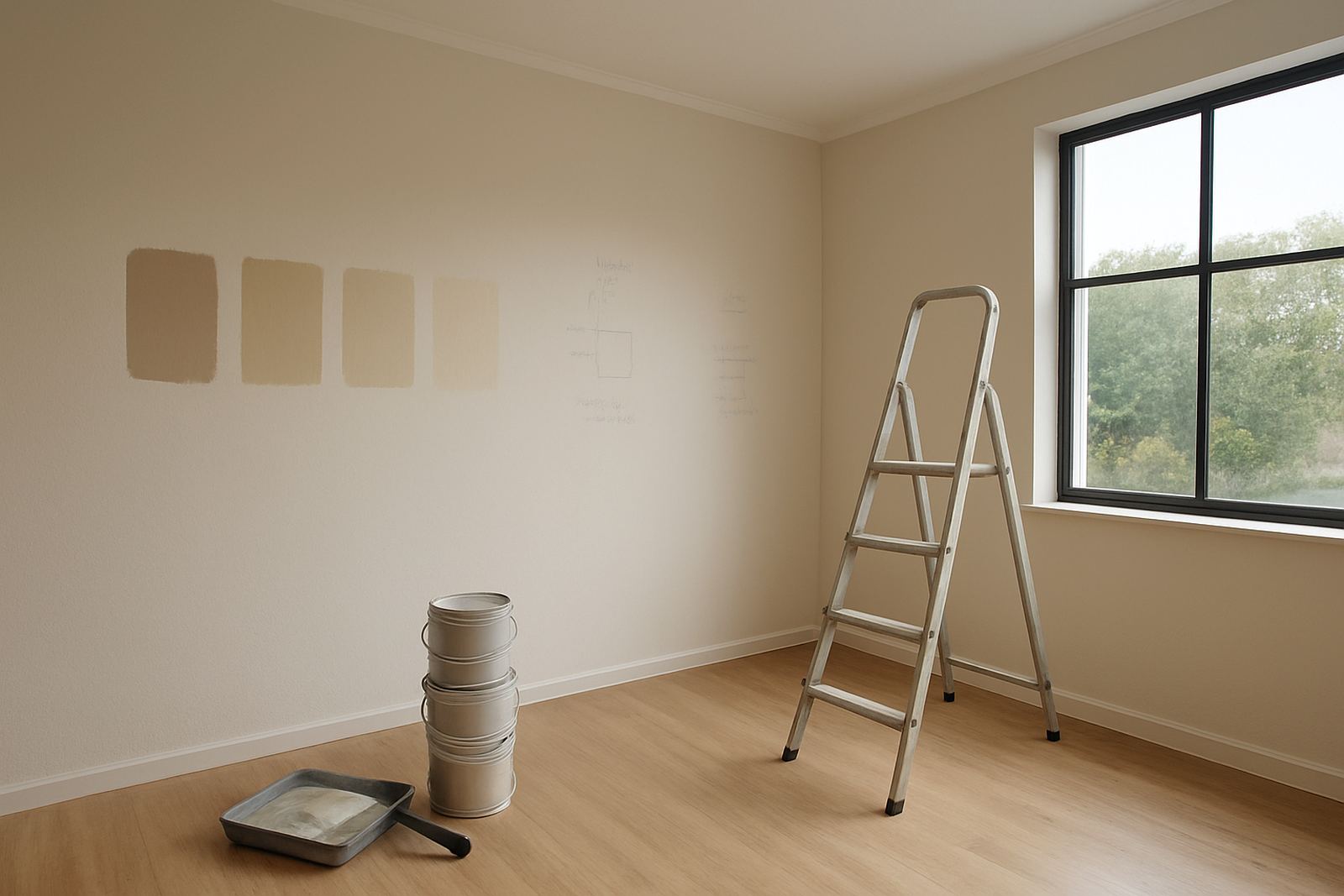
Once the paint has dried, inspect the unit in daylight and again with lights on. Check for roller marks, missed edges, patch flashing and paint on fittings. Look at corners, skirting boards and around window frames because those are the places that usually show rushed work. If the property is for letting, a neat finish can make the difference between a quick rental and a long vacancy.
Keep a simple handover checklist for every repaint so the next job is easier to manage. Include the paint colour, finish, room count, date completed and any problem areas that still need monitoring. That helps when tenants report marks later and you need to know whether the issue is old or new.
- Check all walls in natural light
- Confirm the same colour and sheen throughout each room
- Remove masking tape and clean edges
- Touch up skirtings, frames and ceilings
- Record products used for future maintenance