
Start With Clean, Labelled Tins
Once a job is done, do not leave partly used tins open on the floor or in a hot bakkie. Wipe the rim clean, press the lid down properly and label each tin with the room name, colour name, sheen level and the date it was mixed. That small step saves time later when you need to patch a wall after a moving day, a crack repair or a bit of damage from furniture.
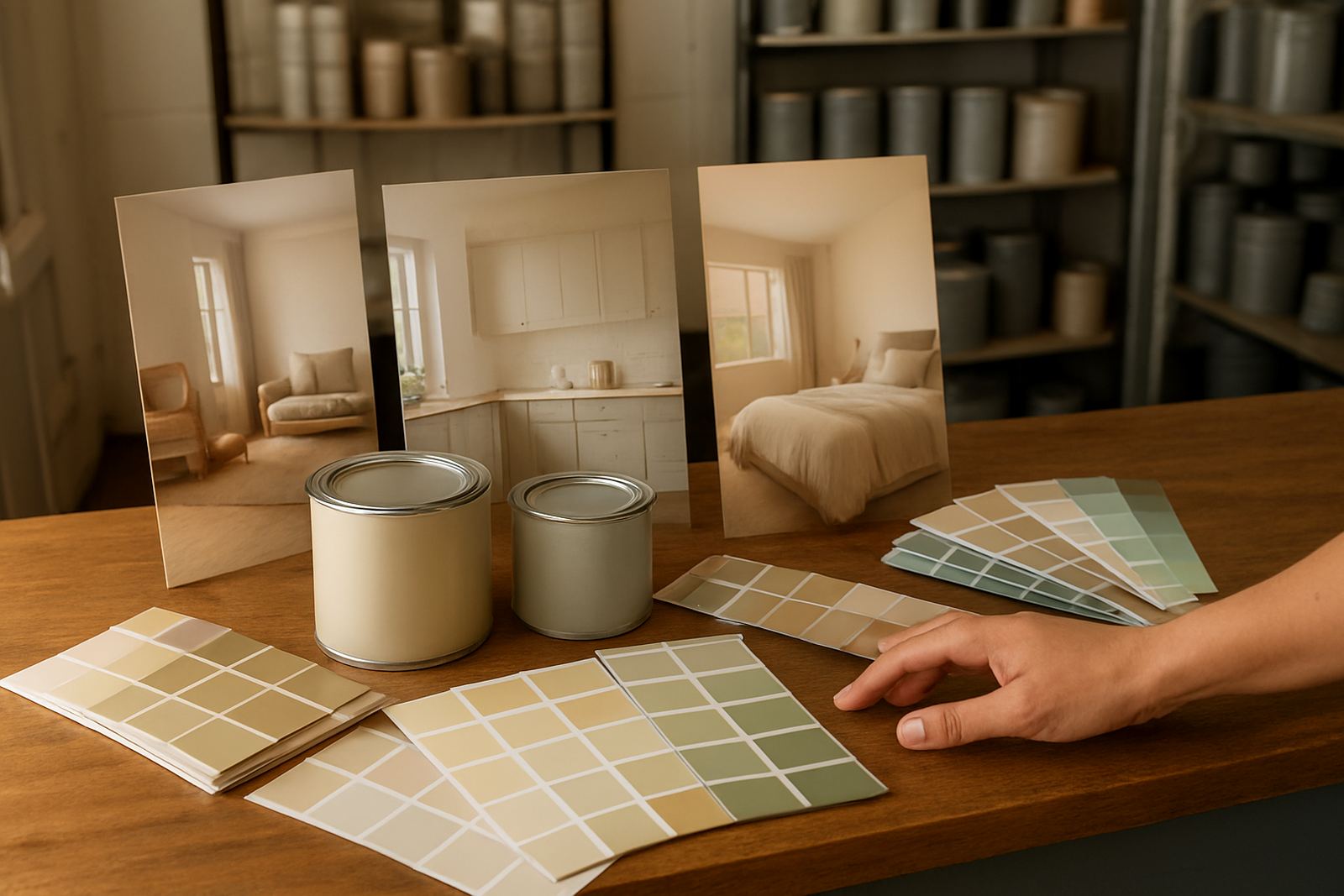
If you have mixed a custom colour, keep the sample card or note the tint formula where possible. If a lid is dented, transfer the paint into a smaller airtight container to reduce the amount of air above the paint. Less air means less skinning and a better chance of using the paint again.
- Wipe drips from the lip and thread before sealing.
- Write the colour name, finish and room on the lid.
- Keep sample pots together with the main tin.
- Store left over paint in the smallest suitable container.
Choose the Right Storage Spot
Paint lasts best in a cool, dry place away from direct sun and big temperature swings. A locked storeroom, garage cupboard or utility shelf is usually better than an outside shed. In coastal areas like Gqeberha and Cape Town, humidity can cause rust on tins and can affect lids, so keep tins off concrete floors and away from damp walls. In hotter inland areas like Johannesburg and Randburg, do not leave paint in a car boot for days at a time.
Good storage also helps during load shedding. When power cuts mean less ventilation or warmer rooms, make sure the storage area stays shaded and well aired. Do not place paint near geysers, ovens, welding equipment or any source of heat. Most water based products hate freezing cold too, so if you store paint in a cold garage, check the label for temperature guidance before winter sets in.
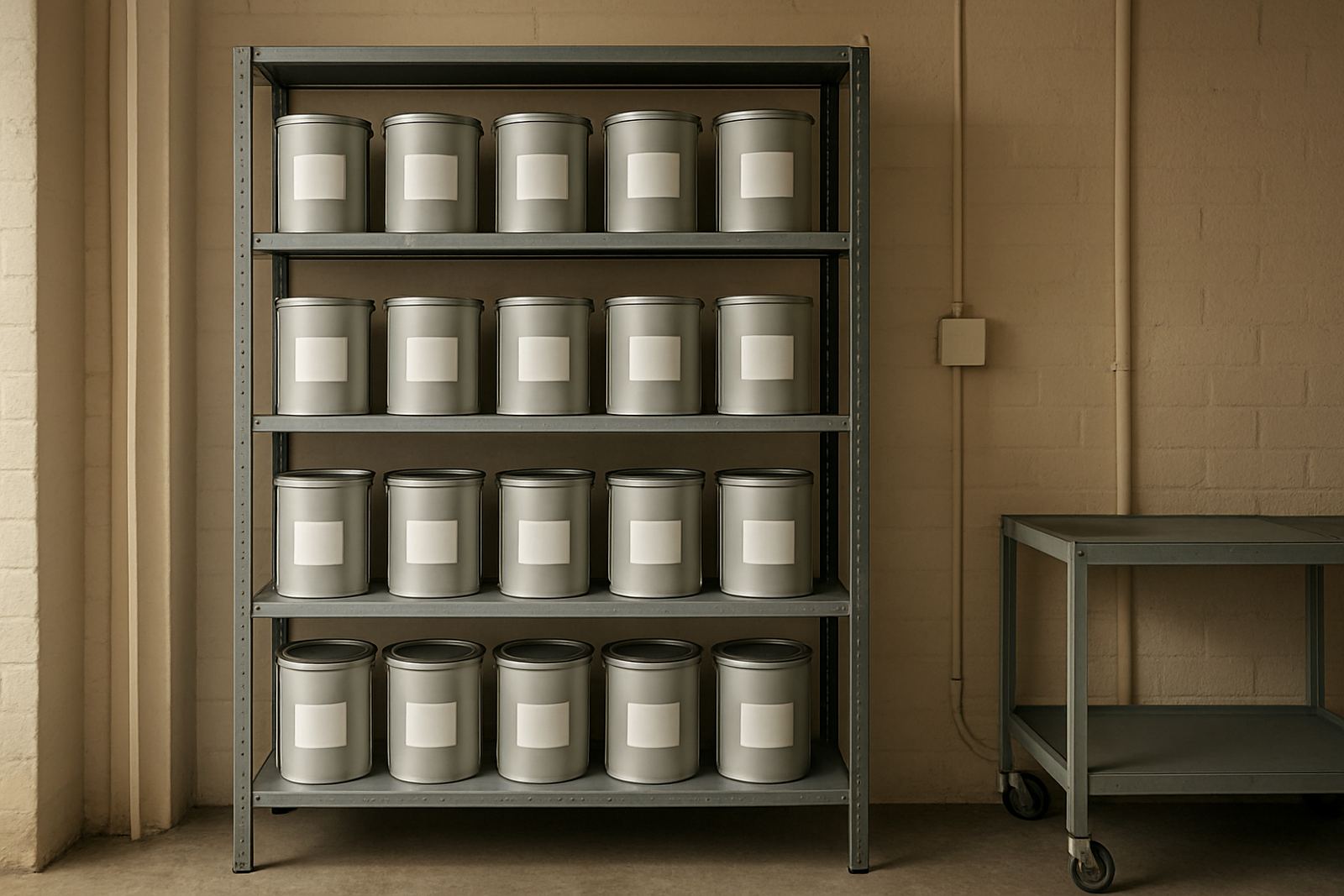
- Keep tins off the floor on a shelf or timber board.
- Avoid sunlight, moisture and direct heat.
- Separate paint from food, pet supplies and cleaning chemicals.
- Use a dry, lockable space where children cannot reach it.
Store Water Based and Solvent Based Products Separately
Not all paint and coatings behave the same way, so keep the different product types apart. Water based paints, thinners, primers and adhesives each have their own storage needs. Solvent based products can give off strong fumes and should be kept away from sparks, pilot lights and anything that may ignite. Read the product label and safety sheet before putting it away.
If you are storing a few trade items together, group them by type and project. Put primers with primers, interior wall paint with interior wall paint, and wood or metal coatings on another shelf. That makes stock checks easier and reduces the chance of using the wrong product later. It also helps when you are planning a repaint in a home, shop or rental unit and need to see what is available at a glance.
- Keep flammable products in a ventilated area.
- Do not store near open flames or electrical repair work.
- Group products by use, not just by colour.
- Keep lids tight and containers upright.
Protect Tools, Brushes and Rollers Between Jobs
Paint storage is not only about tins. Brushes, rollers, trays and mixing sticks need care too if you want them ready for future touch-ups. Wash water based tools straight after use with clean water and a small amount of mild soap. For solvent based materials, use the correct cleaning agent as directed on the label, then rinse and dry fully before packing away.
Never leave wet rollers sealed in plastic for more than a short break unless you are planning to resume soon. That can spoil the pile and make the cover smell. Hang brushes bristle side down or lay them flat to dry, then store them wrapped so the bristles keep their shape. A bit of attention here saves money and keeps job quality consistent, even on smaller repair jobs.
- Clean tools as soon as the job ends.
- Dry fully before storage to prevent mildew.
- Keep mixing sticks and scrapers in a separate container.
- Store rollers where they will not be crushed.
Check Leftover Paint Before You Use It Again
Before a touch-up, inspect the paint tin. If there is a skin on top, remove it carefully and stir the contents thoroughly. If the paint smells sour, has separated badly or contains lumps that do not break down, it may no longer be suitable for a neat finish. A quick test patch on a hidden section is a good habit, especially where colour matching matters in natural light.
Paint kept too long can shade off slightly from the original batch, so compare it with the saved sample card or previous touch-up area. For busy contractors and landlords, it is worth keeping records of where each colour was used and how much was left. That makes it easier to order the right amount next time instead of guessing and wasting money.
- Open and inspect tins before you schedule the repair.
- Stir well from the bottom up.
- Test on a hidden patch before full application.
- Replace products that have gone off or gelled.
Plan Safe Handling and Disposal
Good storage includes safe handling after the job is finished. Keep gloves, rags, masking tape and used absorbent material in a separate waste bag and follow municipal rules for disposal in your area. Do not pour leftover paint down drains, onto soil or into stormwater systems. If you have large quantities left over from a trade job, ask about local disposal options or keep usable stock clearly marked for future maintenance work.
When moving paint around a site or loading it into a vehicle, secure the tins so they do not tip over. A split tin in the back of a car can ruin carpet, seats and tools very fast. If you have to transport paint in summer, keep it shaded and out of the direct sun, then unpack it as soon as you arrive. A few simple habits protect your team, your property and the finish on the next job.
- Dispose of waste paint and rags properly.
- Keep containers upright during transport.
- Separate reusable leftovers from disposal waste.
- Record what is stored so old stock does not get forgotten.
Quick Storage Checklist Before You Lock Up
Use this final check at the end of a job or after a delivery. It keeps your storage area tidy and makes the next project easier to manage. Whether you are working in Korsten, Walmer, Newton Park, Sandton, Randburg or Bellville, the same basic rules apply: cool, dry, labelled and safe.
- Lids closed tightly and rims wiped clean.
- Containers labelled with room, colour and date.
- Paint stored off the floor in a dry area.
- Tools cleaned and dried properly.
- Flammable products kept away from heat and sparks.
- Leftover paint checked for quality before reuse.
If you are unsure whether a leftover product is still usable, it is better to check before you start painting than to discover a problem halfway through the job.